
The 2026 depeg landscape
In 2026, the stablecoin market has transitioned from a period of algorithmic experimentation to one defined by regulatory scrutiny and reserve transparency. While major depeg events are less frequent than in previous years, the nature of the risk has shifted. The threat is no longer solely the collapse of an unbacked token, but rather the structural vulnerabilities exposed when fiat reserves are held within fragile banking institutions or when regulatory frameworks change abruptly.
The USDC depeg in March 2023 serves as the primary case study for this new risk profile. When Silicon Valley Bank failed, Circle held $3.3 billion in deposits there. The immediate freeze of those assets caused USDC to drop to $0.87, sparking a broader sell-off across the stablecoin sector. This event demonstrated that even fully backed stablecoins are subject to counterparty risk. The subsequent recovery, aided by government intervention and Circle’s replenishment of reserves, highlighted the importance of trust in the issuer’s liquidity management.
Today, regulatory frameworks such as the EU’s MiCA and proposed US legislation are forcing issuers to adopt higher standards for reserve segregation and auditing. These measures aim to decouple stablecoin stability from the health of traditional banking partners. However, compliance costs and operational complexities have consolidated the market, leaving only the largest issuers with the scale to withstand regulatory audits and maintain user confidence.
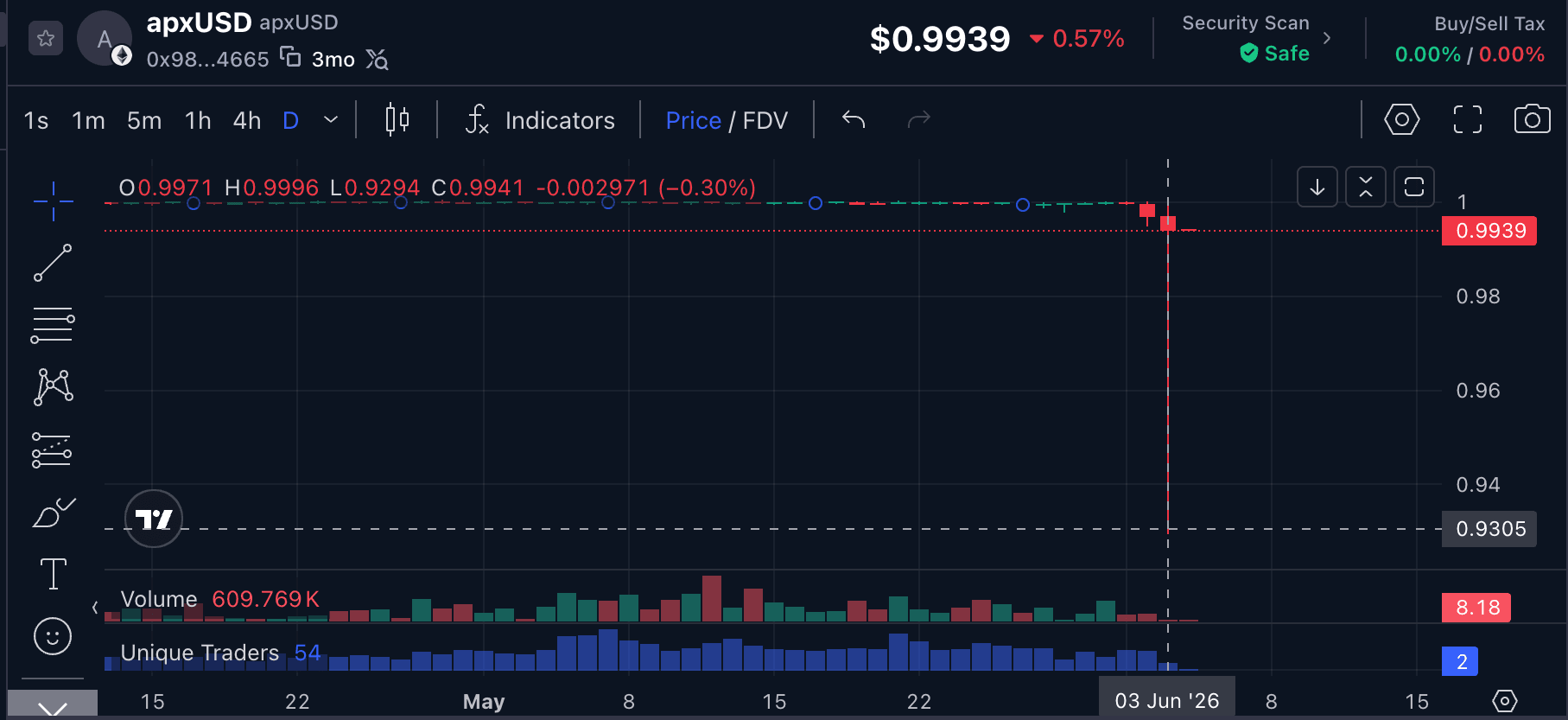
The following chart illustrates the price stability of USDT, the largest stablecoin by market cap, over the past 24 hours. While minor deviations occur, the asset has maintained its peg, reflecting the market's current reliance on established, heavily regulated issuers.
Regulatory drivers of stability
The regulatory landscape of 2026 marks a decisive shift from voluntary compliance to mandated structural integrity for stablecoin issuers. New frameworks, including the enforcement of the EU’s Markets in Crypto-Assets (MiCA) regulation and proposed US stablecoin acts, impose strict reserve standards that directly address the liquidity vulnerabilities responsible for previous market failures. These regulations require issuers to hold high-quality liquid assets (HQLA) in segregated accounts, effectively eliminating the opacity that allowed reserves to vanish during banking crises.
The 2023 depegging of USDC serves as the primary case study for why these mandates are necessary. When Silicon Valley Bank failed, USDC’s exposure to the institution triggered a rapid loss of confidence, causing the asset to trade significantly below its $1 peg. This event exposed the risks of commingled funds and inadequate disclosure. In response, regulatory bodies now demand real-time transparency and daily attestations of reserve composition, ensuring that issuers can meet redemption requests without relying on uncertain bank recoveries.
By forcing issuers to adopt these higher standards, regulators are actively reducing the probability of the depeg events seen in previous years. The focus is no longer just on market perception but on verifiable, auditable backing mechanisms. This structural hardening of the stablecoin ecosystem aims to transform digital dollars into a predictable rail for global payments, where stability is guaranteed by law rather than market sentiment.
Reserve transparency and risk
Stablecoins are often described as digital cash, yet their backing mechanisms introduce structural vulnerabilities that persist even under stricter regulatory frameworks. While recent reforms have mandated greater disclosure, the fundamental reliance on traditional financial intermediaries and complex asset classes creates distinct points of failure. Understanding these risks requires examining counterparty exposure, liquidity fragmentation, and the valuation opacity of real-world assets (RWAs).
The 2023 Silicon Valley Bank (SVB) collapse illustrates the fragility of fiat-backed models. USDC, which held significant deposits at SVB, temporarily depegged from its $1 target when the bank failed. This event highlighted how centralized reserve management can trigger liquidity shocks. When a stablecoin issuer relies on a single or limited number of banking partners, the failure of that institution can freeze primary market redemptions, forcing secondary market prices to diverge from the peg until confidence is restored.
| Reserve Type | Primary Risk Factor | 2026 Oversight | Common Trigger |
|---|---|---|---|
| Fiat-Backed | Bank counterparty risk | High (Deposit insurance, audits) | Bank failure or liquidity freeze |
| Short-Term Treasuries | Interest rate and duration risk | Moderate (Money market fund rules) | Rapid redemption waves |
| Real-World Assets (RWAs) | Valuation opacity and legal title | Evolving (Asset-specific rules) | Asset illiquidity or legal disputes |
The shift toward Real-World Assets (RWAs) as backing introduces a different layer of complexity. Unlike cash or short-term government debt, RWAs such as private credit or corporate bonds are less liquid and harder to value during stress events. The legal structure governing these assets often lacks the uniformity of traditional banking regulations. If the underlying assets cannot be quickly liquidated at fair value to meet redemption demands, the stablecoin faces a solvency risk that transparency reports alone cannot mitigate.
Liquidity fragmentation further exacerbates these risks. Stablecoins operate across multiple blockchains and exchanges, creating silos of liquidity. A depeg on one chain may not be immediately arbitraged away if bridging liquidity is thin. This fragmentation allows small shocks to persist longer than they would in a unified market. Regulatory efforts to standardize reserve reporting are essential, but they must also address the operational realities of cross-chain settlement and the legal enforceability of reserve claims across jurisdictions.

Monitoring depeg signals
Stablecoin stability relies on continuous market confidence rather than static reserve balances. Monitoring depeg signals requires a systematic approach to real-time data, volatility metrics, and multi-source pricing consensus. Investors and businesses must establish risk intelligence frameworks that detect early warning signs before liquidity dries up.
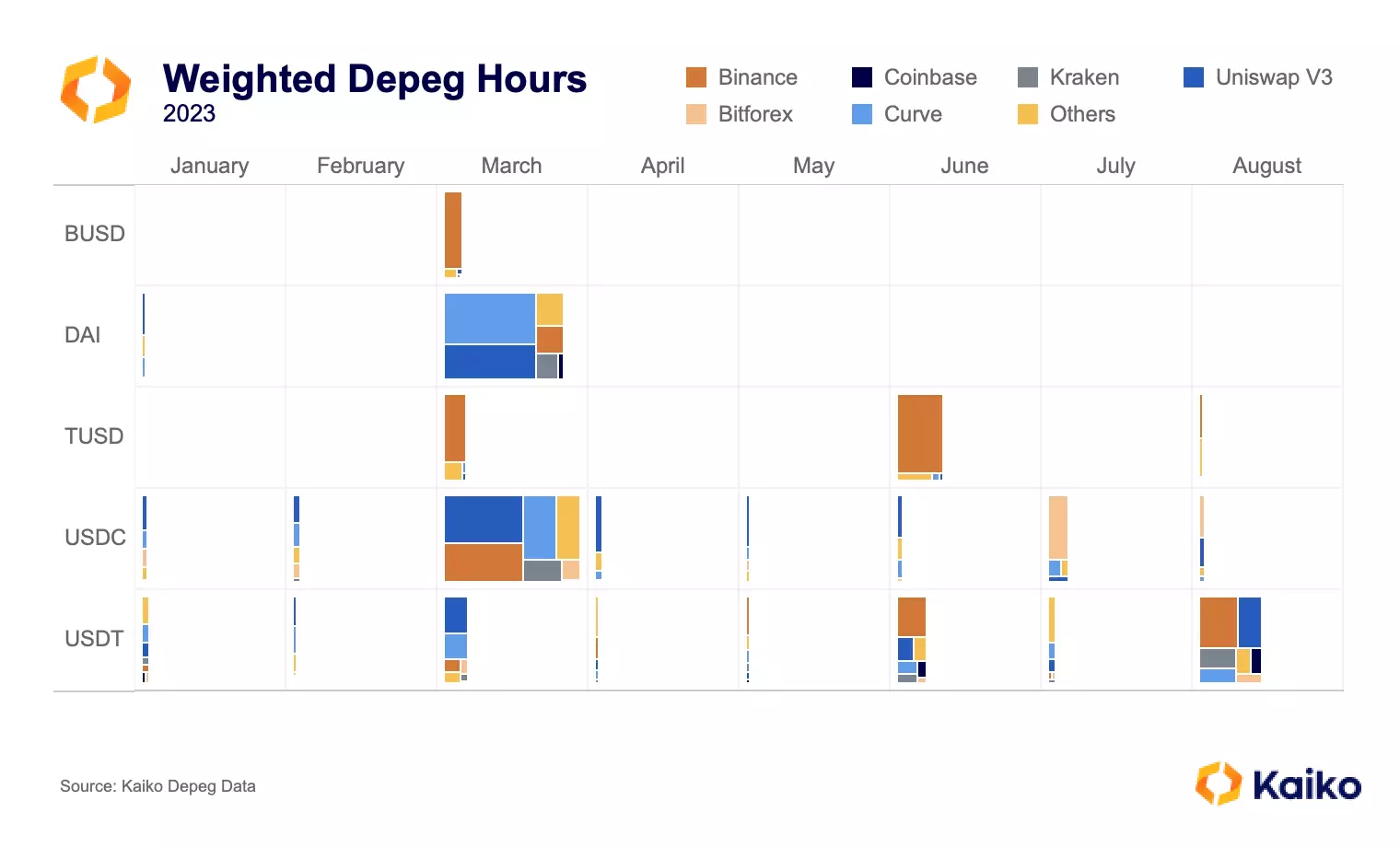
Establish a baseline for price deviation across major exchanges. A stablecoin trading below its target peg (typically $1.00) for more than a few minutes signals initial stress. Monitor the depth of order books on both centralized and decentralized exchanges to assess liquidity resilience. Sudden drops in bid depth often precede larger depeg events.
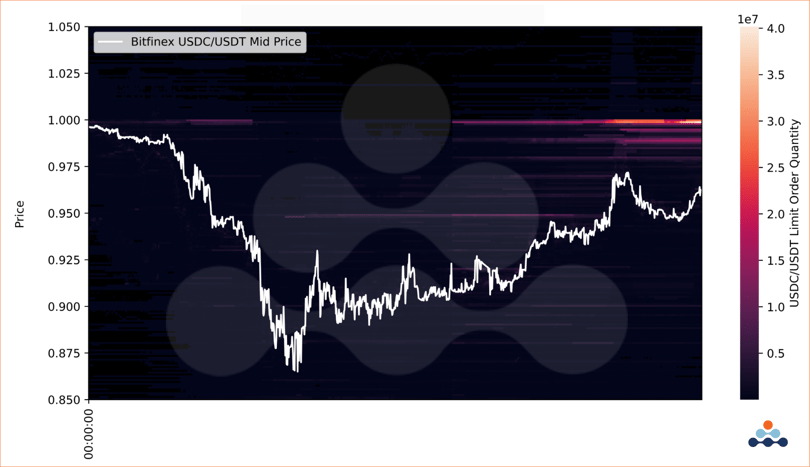
Volatility is the primary indicator of structural weakness. Track the velocity of price changes; rapid downward movements indicate panic selling rather than organic market correction. Risk intelligence systems use FX-aware scoring to distinguish between normal market noise and genuine depeg risk. Elevated volatility combined with low liquidity creates a feedback loop that accelerates depegging.
Regular reserve audits provide the foundational data for stability assessments. Verify that the issuer maintains 1:1 backing with high-quality liquid assets. Regulatory compliance status is equally critical; stablecoins operating under emerging frameworks like the EU’s MiCA or US state-level regulations face stricter reserve requirements. Non-compliance or audit delays often trigger immediate market skepticism.
Arbitrage spreads between exchanges serve as a real-time health check. When a stablecoin depegs on one platform, arbitrageurs typically buy the discounted asset and sell it on another exchange, restoring the peg. Widening spreads indicate that arbitrageurs perceive higher risk or insufficient liquidity to execute trades, signaling potential long-term depegging.
The 2023 USDC depeg, triggered by the collapse of Silicon Valley Bank, illustrates how quickly confidence can erode. USDC briefly traded below $0.90 when a significant portion of its reserves were held at the failing institution. The subsequent intervention by US Treasury authorities and the issuer’s transparency measures helped restore the peg, but the event highlighted the necessity of monitoring reserve concentration risk.
| Metric | Normal Range | Alert Threshold |
|---|---|---|
| Price Deviation | 0.01% | >0.5% |
| Bid-Ask Spread | <0.05% | >0.2% |
| Volume Drop | <10% | >30% |
Establishing automated alerts for these metrics allows for proactive risk management. Real-time monitoring systems can integrate multiple data sources to provide a consolidated view of stablecoin health. This approach reduces reliance on lagging indicators and enables faster response to emerging threats.
No comments yet. Be the first to share your thoughts!