Stablecoin depeg 2026 limits to account for
A stablecoin depeg occurs when a token loses its 1:1 parity with its underlying asset, typically the U.S. dollar. While most stablecoins are designed to hold steady, market stress, reserve transparency issues, or technical failures can cause the price to drift away from that target. In the first half of 2026, depegging events surged by 40%, highlighting a growing constraint for traders and investors who rely on these assets for stability.
When a stablecoin depegs, it no longer trades at its intended value. This can be temporary, as the market corrects itself, or permanent if the issuer cannot restore confidence in the backing mechanism. For traders, a depeg is a signal of risk. It often precedes broader market volatility, as liquidity dries up and panic selling spreads across exchanges.
Understanding the mechanics behind these events is essential for assessing the current landscape. By examining the specific causes and impacts of depegging, we can better assess the risks associated with different stablecoins. This analysis focuses on the concrete factors driving the 2026 surge, providing a clearer picture of where the vulnerabilities lie and how to identify them before they impact your portfolio.
Stablecoin depeg 2026 choices that change the plan
The 40% surge in depegging events during the first half of 2026 is not just a market anomaly; it is a signal that the risk profile of stablecoins has shifted. When a stablecoin loses its 1:1 parity with the U.S. dollar, the consequences range from minor slippage to total capital loss. Understanding these tradeoffs requires moving beyond the promise of stability and examining the mechanical underpinnings of each asset.
The primary tradeoff in 2026 is between yield and safety. Algorithmic and hybrid models, such as the recent depeg event involving Ethena Labs' USDe, offer higher yields by leveraging derivatives and short positions. However, these mechanisms are fragile during periods of high volatility. In contrast, fully collateralized stablecoins backed by short-term U.S. Treasuries provide a stronger buffer against depegging but offer lower returns. The choice often comes down to whether you are willing to accept counterparty risk for yield.
Liquidity is the second critical factor. A stablecoin can depeg temporarily during a flash crash if there are no buyers to absorb the sell pressure. USDT remains the dominant force in this regard, carrying roughly $50–80 billion in daily spot volume across major exchanges like Binance and OKX. This deep liquidity acts as a shock absorber, making it easier for the price to return to $1. Smaller stablecoins often lack this depth, meaning even a small rumor can cause a prolonged depeg.
To evaluate these risks concretely, you must look at the backing mechanism and the market depth. The following comparison highlights the key tradeoffs between the top stablecoins in 2026.
| Stablecoin | Backing Mechanism | Yield Profile | Depeg Risk Level |
|---|---|---|---|
| USDT | Reserves (Cash/Treasuries) | Low | Low |
| USDC | Fully Collateralized (Treasuries) | Low | Low |
| USDe | Delta-Neutral Hedging (Savings) | High | Medium-High |
| DAI | Crypto Collateral + Vaults | Medium | Medium |
The data above shows that while USDT and USDC offer the lowest risk of depegging, they provide minimal yield. USDe offers a higher yield but carries a medium-to-high risk profile, as evidenced by its recent depegging event. DAI sits in the middle, with its risk tied to the health of its crypto collateral. When evaluating stablecoins, prioritize the backing mechanism and liquidity over yield. A stablecoin that depegs is not stable, regardless of its promised returns.
How to evaluate stablecoin depeg risk
When a stablecoin depegs, it stops trading at its target price, usually $1. This can be temporary or permanent, depending on the cause and whether the issuer can restore confidence. With depegging events up 40% in H1 2026, you need a clear checklist to protect your capital.
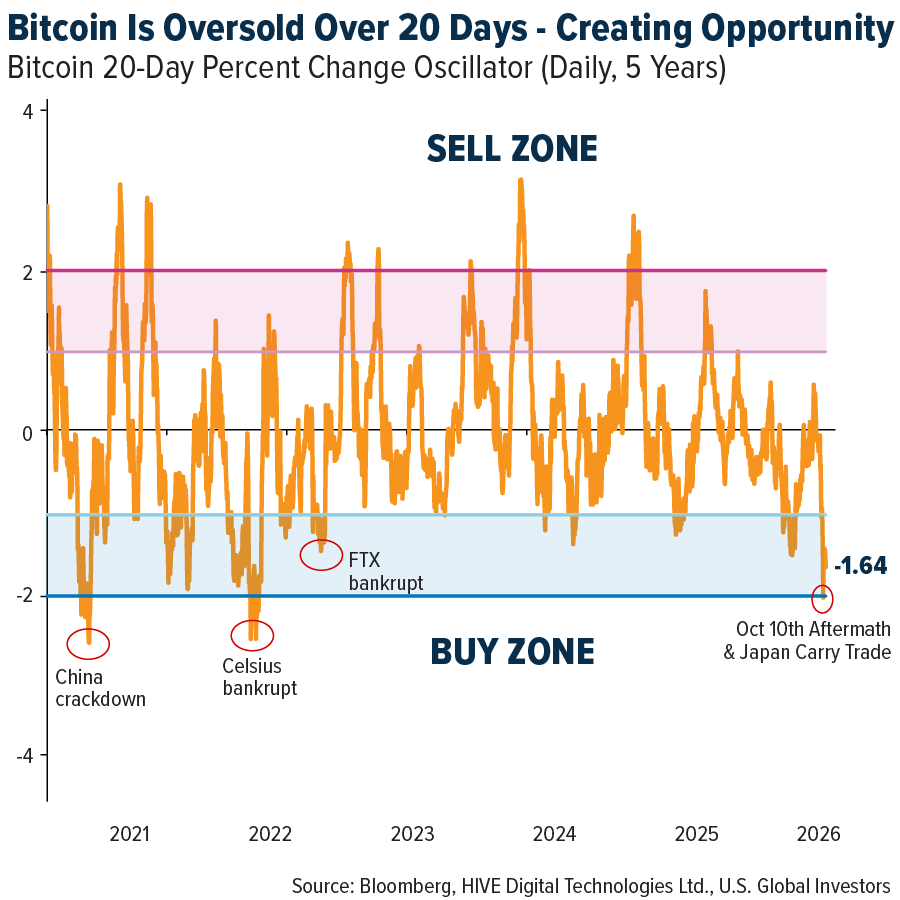
Full-reserve stablecoins hold cash or short-term government bonds in regulated banks. This model is transparent and low-risk. Algorithmic stablecoins, which rely on code to maintain the peg, are far more vulnerable to bank-run scenarios and smart contract failures. Stick to audited, on-chain reserves.
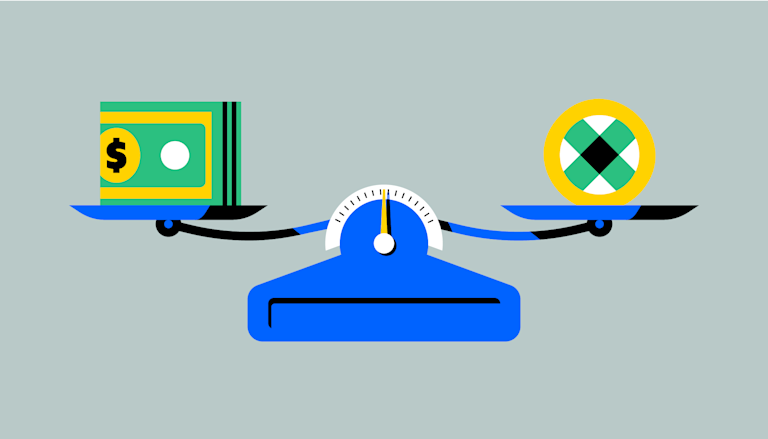
Liquidity is the shock absorber that keeps a coin near $1. USDT remains the top choice for centralized exchange trading because it carries roughly $50–80B in daily spot volume across Binance, OKX, and Bybit. If a stablecoin has low trading volume, even a small sell order can push the price far off peg.
Use live charts to spot momentum shifts before they become crashes. Watch for sustained drops below $0.99 or sudden spikes in trading volume without price increases. These patterns often signal that large holders are exiting positions, which can trigger a cascade of panic selling.
Watchouts: Avoid the Weak Options
When stablecoin depegging events surged 40% in H1 2026, many traders lost capital to assets that looked safe on the surface. The best stablecoin in 2026 is not always the one with the highest yield or the flashiest marketing. It is the one with the clearest backing and the deepest liquidity. To protect your portfolio, you must filter out the weak options that mimic stability but lack the reserves to back it up.
The Yield Trap
Many new stablecoins offer double-digit APY to attract users. This high yield is often a red flag, not a feature. If a stablecoin pays more than risk-free treasury rates, it is likely taking on significant credit or market risk. When market stress hits, these assets are the first to depeg because their backing mechanisms are fragile. Stick to stablecoins backed by short-term U.S. Treasuries or cash equivalents with transparent, audited reserves.
The Illiquid Mirror
Some stablecoins are algorithmic or pegged to other crypto assets rather than the U.S. dollar. These "mirrors" can lose their peg during volatility spikes because they rely on market confidence rather than hard assets. In 2026, the top 3 stablecoins by volume—USDT, USDC, and DAI—dominate because they are pegged directly to the dollar and have deep order books. Avoid niche pegs that cannot be easily sold without slippage.
The Opaque Issuer
Always check who issues the stablecoin. Centralized issuers like Tether and Circle are subject to regulatory scrutiny and regular attestation reports. Decentralized or anonymous issuers often lack this transparency. If you cannot verify the reserves in real-time, you are gambling, not investing. Prioritize assets with on-chain proof of reserves and regular third-party audits.
The safest approach is to stick to the major dollar-pegged stablecoins with proven track records. When in doubt, check the daily volume and the issuer's audit reports. Depegging events are often predictable if you know what signs to watch for.
Stablecoin depeg 2026: what to check next
Stablecoin depeg events surged 40% in the first half of 2026, driven by algorithmic failures and regulatory uncertainty. Here are the practical answers to the most common questions about stablecoin risks and selection.
Understanding these fundamentals helps you assess the current market landscape. Always verify the backing mechanism and reserve transparency before holding any stablecoin for extended periods.
No comments yet. Be the first to share your thoughts!