
Stablecoin depeg 2026 limits to account for
The stablecoin depeg 2026 constraint is no longer theoretical. In October 2025, algorithmic stablecoin USDe lost its peg, signaling that even heavily marketed mechanisms can fail under stress. This event reshaped how traders and regulators view liquidity buffers and reserve transparency.
When a stablecoin depegs, it does more than lose value; it breaks the trust required for global transactions. Users face immediate financial outcomes, while issuers struggle to restore confidence. The market now demands real-time risk intelligence, combining FX-aware scoring with volatility detection to prevent escalation.
In this environment, liquidity is the first line of defense. Traders must verify reserve proofs and monitor onchain collateral health. Regulators are tightening compliance requirements, making it harder for opaque issuers to operate. Understanding these dynamics is essential for managing current market risks.
Stablecoin depeg 2026 choices that change the plan
When a stablecoin breaks its peg, the immediate reaction is panic, but the actual damage depends on the mechanics behind the collapse. In 2026, regulatory scrutiny has tightened around reserve quality and disclosure, making the distinction between a temporary liquidity glitch and a structural solvency crisis clearer than in previous cycles. Evaluating these events requires looking beyond the price chart to understand the specific failure mode.
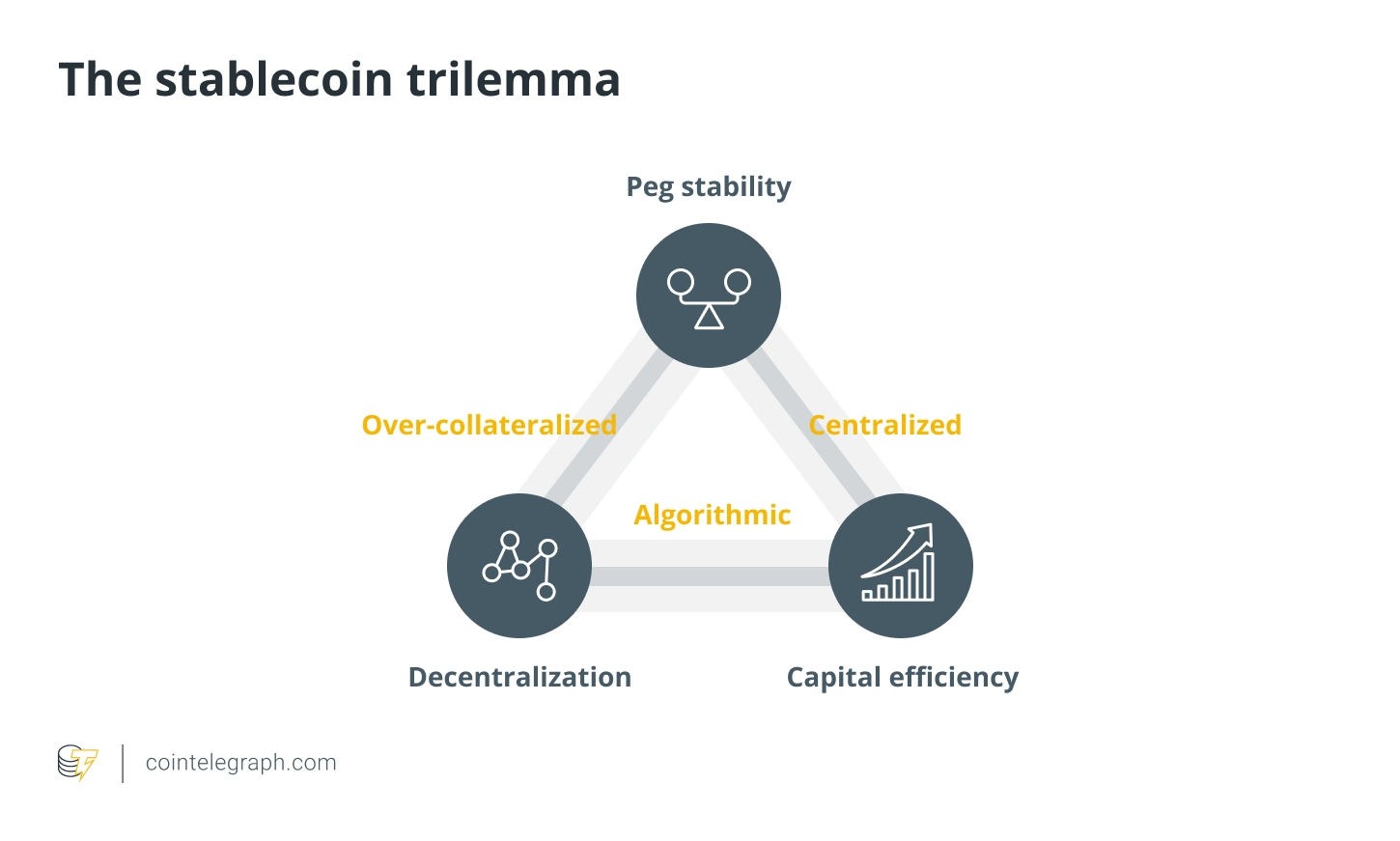
The primary tradeoff for users and institutions is between yield and safety. Higher-yielding stablecoins often rely on complex collateral structures or algorithmic mechanisms that can fail under stress. Lower-yielding, fully reserved coins offer stability but may lag in liquidity during market stress. Understanding this balance is critical for maintaining operational continuity.
Reserve Transparency and Quality
The most significant factor in a depeg event is the quality of the underlying reserves. Coins backed by short-term government treasuries generally recover faster than those holding commercial paper or private credit. Transparency reports that are audited by independent third parties provide a clearer picture of solvency than self-reported metrics. If reserves are opaque, the depeg becomes a signal of potential insolvency rather than just market sentiment.
Liquidity Depth and Exchange Support
Liquidity depth determines how quickly a coin can return to peg. Major exchanges with deep order books and market maker support can absorb sell pressure more effectively. When a depeg occurs, the speed of recovery often correlates with the availability of stablecoin pairs on major trading platforms. Coins with limited exchange listings face prolonged depegging because there are fewer avenues for arbitrage to correct the price.
Regulatory Compliance and AML Status
Compliance status has become a key differentiator. Stablecoins that adhere to strict Anti-Money Laundering (AML) and Know Your Customer (KYC) requirements often face less regulatory risk during a crisis. Institutions are less likely to bail out or support coins that face potential sanctions or legal action. The 2026 regulatory landscape favors coins that can demonstrate clear legal standing and reserve segregation.
| Tradeoff Factor | High-Yield / Algorithmic | Low-Yield / Fully Reserved |
|---|---|---|
| Recovery Speed | Slow (structural failure) | Fast (liquidity fix) |
| Regulatory Risk | High (scrutiny) | Low (compliant) |
| Reserve Quality | Complex/Opaque | Simple/Transparent |
| Institutional Trust | Low | High |
Market Sentiment and Feedback Loops
Depeg events can trigger negative feedback loops, especially in DeFi protocols. If a stablecoin is used as collateral, a depeg can lead to liquidations, further driving down the price. This dynamic is more pronounced in algorithmic models where the token's value is tied to market confidence rather than tangible assets. Understanding these feedback loops helps in assessing the potential for a total collapse versus a temporary dip.
The current market environment requires a nuanced approach to stablecoin selection. While no stablecoin is immune to depegging, the tradeoffs between yield, safety, and regulatory compliance have become more defined. By focusing on reserve quality, liquidity depth, and compliance, users can better manage the risks associated with stablecoin volatility in 2026.
How to manage a stablecoin depeg event
When a stablecoin breaks its peg, liquidity evaporates and regulatory scrutiny spikes. In 2026, the market has moved past simple panic selling toward structured risk management. Managing these events requires a disciplined framework that prioritizes capital preservation and compliance verification over speculative recovery plays.
Determine if the depeg stems from temporary liquidity fragmentation or a fundamental reserve failure. Algorithmic depegs, like the recent USDe event, often involve complex hedging failures that require deeper forensic analysis than fiat-backed drops. Check official issuer statements for reserve audit updates.

Do not rely on order book prices alone. Check the liquidity pools in decentralized exchanges to see if slippage is manageable. If the liquidity is thin, exiting positions will result in significant losses regardless of the underlying asset's true value. Look for stablecoin-specific pool depth across major DEXs.
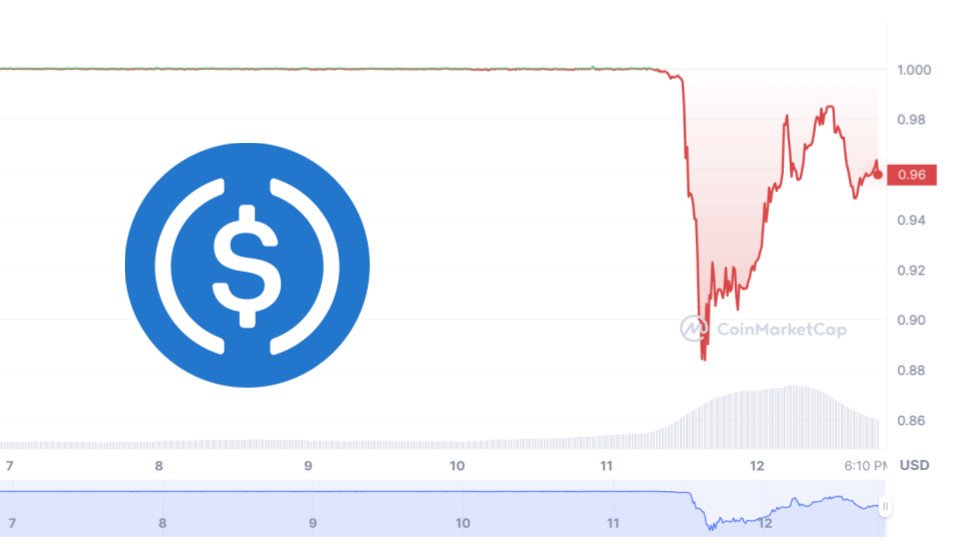
In 2026, regulatory clarity is a primary driver of recovery. Check if the issuer is compliant with current US and EU stablecoin regulations. Non-compliant assets face higher risks of exchange delisting and frozen reserves. Prioritize assets with transparent, regulated reserve structures like USDC or PYUSD during uncertain periods.
Avoid market orders during high volatility. Use limit orders or OTC desks to minimize slippage. If you hold significant exposure, consider hedging with inverse positions or moving to a different, more liquid stablecoin. Do not attempt to "catch the falling knife" unless you have a verified arbitrage opportunity.
The aftermath of a depeg event is rarely uniform. While some assets recover quickly due to strong reserve backing, others face permanent devaluation. The key is to separate emotional reaction from structural risk. By following this framework, you can protect your portfolio and maintain compliance in a volatile market.
Spotting Weak Options and Misleading Claims
When stablecoins depeg, the market doesn't just lose liquidity; it exposes the structural weaknesses in how issuers manage risk. In 2026, regulatory scrutiny has tightened, making it essential to distinguish between genuine reserve backing and algorithmic illusions. Understanding these mechanics helps you avoid assets that promise stability but deliver volatility.
The Algorithmic Trap
Algorithmic stablecoins often appear attractive due to their high yields, but they lack the tangible collateral that protects against market shocks. When confidence wavers, the feedback loop can accelerate a depeg event, leaving holders with worthless tokens. The USDe depeg in late 2025 serves as a stark reminder that hedging strategies can fail under extreme pressure. Always verify if an asset relies on real-world assets or complex derivatives to maintain its peg.
Reserve Opacity
Regulatory compliance requires transparency, yet many issuers still obscure their reserve composition. A common mistake is assuming that a 1:1 peg guarantees safety. Without regular, independent audits, you cannot confirm if reserves are liquid or locked in illiquid investments. Look for issuers that publish monthly attestation reports from reputable firms. If the data is vague or delayed, treat the asset as high-risk.
Liquidity Illusions
Deep liquidity is not the same as stable liquidity. During market stress, even large-cap stablecoins can experience significant slippage. Check the order books on major decentralized exchanges to gauge real-time depth. If the spread widens rapidly during minor price fluctuations, the asset is vulnerable to depegging events. Prioritize assets with consistent trading volume across multiple platforms, not just a single centralized exchange.
Stablecoin depeg 2026: what to check next
Stablecoin depeg events in 2026 have shifted the market from theoretical risk to practical compliance. With regulatory frameworks tightening and reserve transparency becoming mandatory, understanding the mechanics of depegging is no longer optional for businesses and investors. The following questions address the most common concerns regarding stability, liquidity, and regulatory adherence in the current landscape.
No comments yet. Be the first to share your thoughts!