Monitor stablecoin depeg risks in 2026
A stablecoin depeg occurs when a token loses its 1:1 parity with its underlying asset, such as the U.S. dollar. These events trigger severe market disruptions, requiring reliable data infrastructure to accurately track asset valuations onchain. You cannot rely on static price feeds or delayed exchange data; you need a system that detects volatility and velocity changes instantly.
Your first task is to set up alerts that distinguish between minor market noise and genuine liquidity stress. The Bank Policy Institute notes that retail holders face significant losses if they are trying to use stablecoins during these disruptions. Start by identifying the primary stablecoins you hold. Tether (USDT) powers most trading volume, while USDC is often preferred for safety and transparency. USD1 is also growing in market share. Each token has different reserve structures and liquidity pools. Your monitoring tools must be configured to track the specific reserve reports and on-chain liquidity depths for each asset you hold.
-
Verify real-time oracle feeds are active and not delayed
-
Configure alerts for price deviations above 0.5%
-
Monitor on-chain liquidity depth for your primary stablecoins
-
Review reserve reports for transparency and audit frequency
-
Set up emergency exit strategies for each stablecoin type
How to monitor stablecoin depeg events and protect your portfolio
When a stablecoin depeg, the damage happens in minutes, not days. Monitoring these events requires a shift from passive holding to active surveillance. You need to track on-chain liquidity, issuer transparency, and market sentiment simultaneously. This section outlines the exact steps to build a monitoring workflow that catches early warning signs before your portfolio takes a hit.
1. Set up real-time on-chain liquidity alerts
The first layer of defense is tracking the actual reserves backing the stablecoin. Don’t rely on static monthly reports. Instead, use on-chain explorers or specialized dashboards to monitor the reserve wallet addresses. Look for large, unusual transfers out of the reserve wallet or sudden drops in the total supply that don’t match market demand.
Set up alerts for any movement exceeding a set threshold, such as $10 million, from the primary reserve address. If a major issuer moves funds to a cold storage wallet or an unknown exchange, it is a red flag. This step helps you identify structural weaknesses before they become public crises. For a deeper understanding of the risks, refer to the Bank Policy Institute’s analysis on stablecoin warning bells.
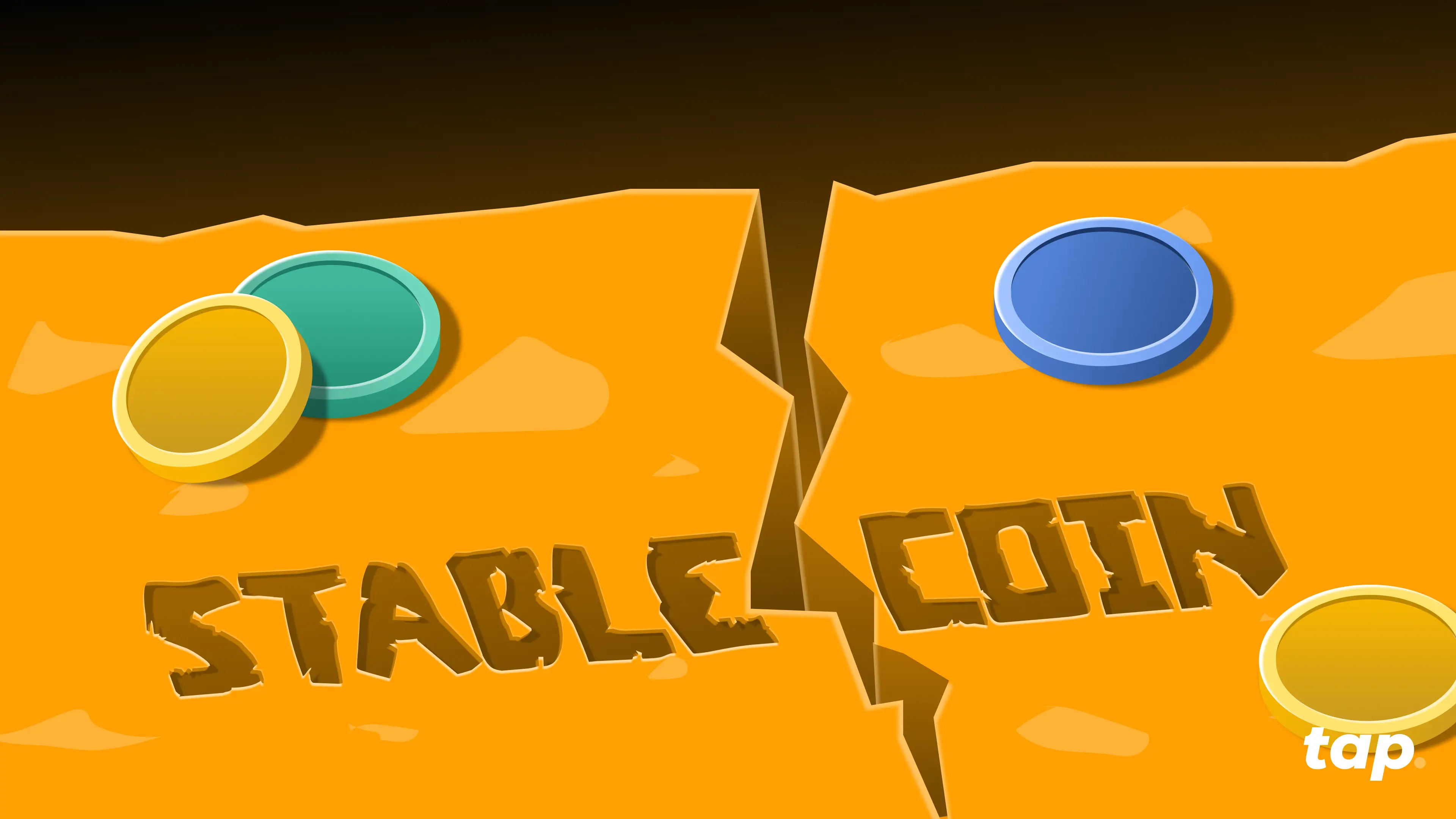
Use block explorers to track the primary reserve wallets of your held stablecoins. Set up alerts for large outflows or transfers to unknown addresses. Sudden movements often precede liquidity crunches or regulatory actions. This provides the earliest signal of potential depegging pressure.
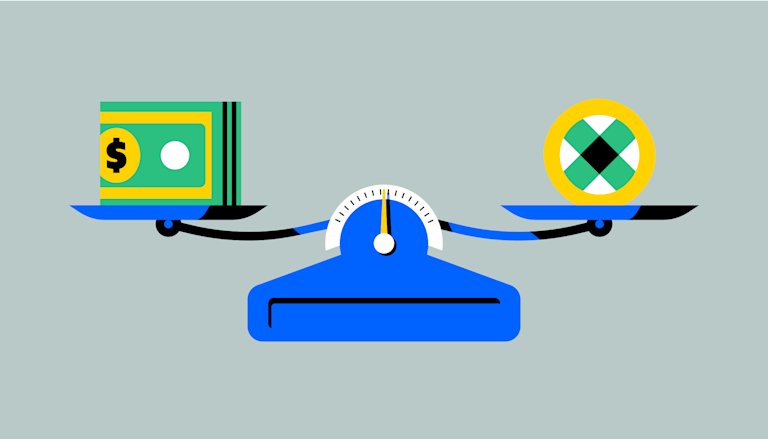
Monitor the bid-ask spread on major exchanges. A widening spread indicates reduced liquidity and higher risk. If the spread widens significantly while volume remains high, market makers are pulling back. This is often the first sign that traders are losing confidence in the peg’s stability.
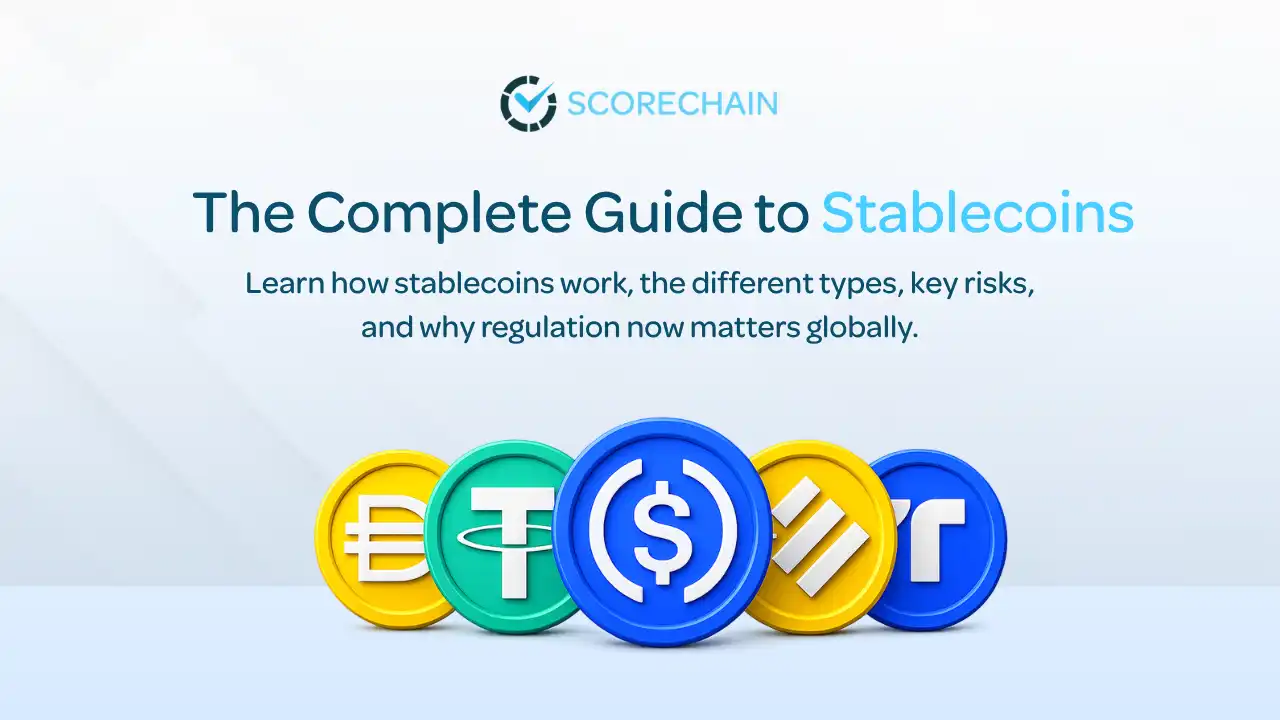
Regularly review the issuer’s audit reports and regulatory filings. Look for gaps between reported reserves and actual on-chain holdings. If an issuer delays audits or faces regulatory scrutiny, reduce your exposure immediately. Transparency is the strongest indicator of long-term stability.
Never hold your entire stablecoin portfolio in a single asset. Spread your holdings across issuers with different regulatory jurisdictions and reserve structures. This reduces the impact of a single depeg event. Consider mixing USDC, USDT, and other regulated stablecoins to mitigate concentration risk.
2. Evaluate issuer transparency and regulatory status
Beyond on-chain data, you must assess the institutional backing of the stablecoin. Check if the issuer is subject to regular, independent audits. Look for partnerships with major banks or regulatory bodies. Issuers that are transparent about their reserve composition and subject to regulatory oversight are less likely to depeg.
Pay attention to news regarding regulatory actions or legal challenges against the issuer. If a stablecoin faces a lawsuit or investigation, its peg is at risk. Reduce your exposure to such assets immediately. Transparency is not just a nice-to-have; it is a critical component of stablecoin safety.
3. Diversify across multiple stablecoin issuers
The final step is to diversify your stablecoin holdings. Do not rely on a single issuer for your liquidity needs. Spread your holdings across multiple stablecoins with different reserve structures and regulatory jurisdictions. This reduces the impact of a single depeg event on your overall portfolio.
Consider mixing regulated stablecoins like USDC with others that have different risk profiles. This approach ensures that if one stablecoin depeggs, you still have access to stable value in other assets. Diversification is your best defense against the unpredictable nature of crypto markets.
-
Set up on-chain alerts for reserve wallet movements
-
Monitor bid-ask spreads on major exchanges
-
Review issuer audit reports and regulatory filings
-
Diversify holdings across multiple stablecoin issuers
-
Reduce exposure to stablecoins under regulatory scrutiny
Common Mistakes That Lead to Depeg Losses
Most portfolio damage during a stablecoin depeg event doesn't come from the initial drop, but from reactive decisions made in panic. Traders often mistake a temporary liquidity dip for a structural failure, or they fail to verify the nature of the depeg before acting. Understanding these specific errors helps you avoid the pitfalls that trap retail holders.
Ignoring the Depeg Type
Not all depegs are equal. A "soft depeg" often results from temporary market friction or low liquidity on a specific exchange, while a "hard depeg" signals a breakdown in the backing assets or reserve transparency. Retail holders face significant losses when they cannot distinguish between a trading glitch and a solvency crisis. Treating a temporary liquidity squeeze as a permanent loss of peg leads to selling at a discount unnecessarily.
Relying on a Single Data Source
Monitoring price on one exchange or one dashboard is a critical error. Depeg events often manifest differently across venues due to fragmented liquidity. If you only watch one price feed, you might miss early warning signs visible on other platforms or fail to see the true depth of the sell-off. Real-time risk intelligence systems now combine FX-aware scoring and volatility detection across multiple sources to provide a clearer picture. Relying on a single snapshot leaves you blind to the broader market reality.
Delaying the Exit
Speed matters during a depeg. The window to exit at a minimal loss often closes within minutes as the event escalates. Waiting for confirmation from news outlets or social media is too late; by then, the price impact is already baked in. Pre-planned exit strategies and automated alerts are far more effective than manual monitoring during high-volatility periods. Hesitation turns a manageable correction into a permanent portfolio hit.
Stablecoin depeg 2026: what to check next
Stablecoin depeg events remain a practical risk in 2026, even as the market matures. Understanding the mechanics and the current landscape helps you avoid liquidity traps and protect your capital during volatility.
No comments yet. Be the first to share your thoughts!