
Algorithmic stablecoin risks in 2026
Algorithmic stablecoins rely on code and incentives rather than physical reserves to maintain their peg. This structure creates a fragile dependency on market confidence. When interest rates shift, the cost of borrowing and the value of backing tokens change, often triggering depegging events. Research from 2026 highlights that algorithmic designs remain vulnerable to parity losses and "death spirals" when governance tokens depreciate (Frontiers in Blockchain, 2026).
The Federal Reserve's rate decisions directly impact these mechanics. Higher rates increase the cost of maintaining the peg, while sudden cuts can deflate the collateral value that backs the system. We evaluated five algorithmic stablecoins against this backdrop, focusing on their reserve transparency, governance models, and historical resilience during volatility. The goal is to identify which protocols can withstand the next rate cycle without decoupling.
We filtered out protocols with opaque reserve audits or overly complex tokenomics that rely on continuous inflation. The selected five represent the most prominent survivors in the current market, each facing unique challenges as monetary policy tightens or loosens. Understanding their specific mechanics is essential before allocating capital.
5 Depeg Watch 2026: Top 5 Algorithmic Stablecoins at Risk of Decoupling After Fed Rate Shifts
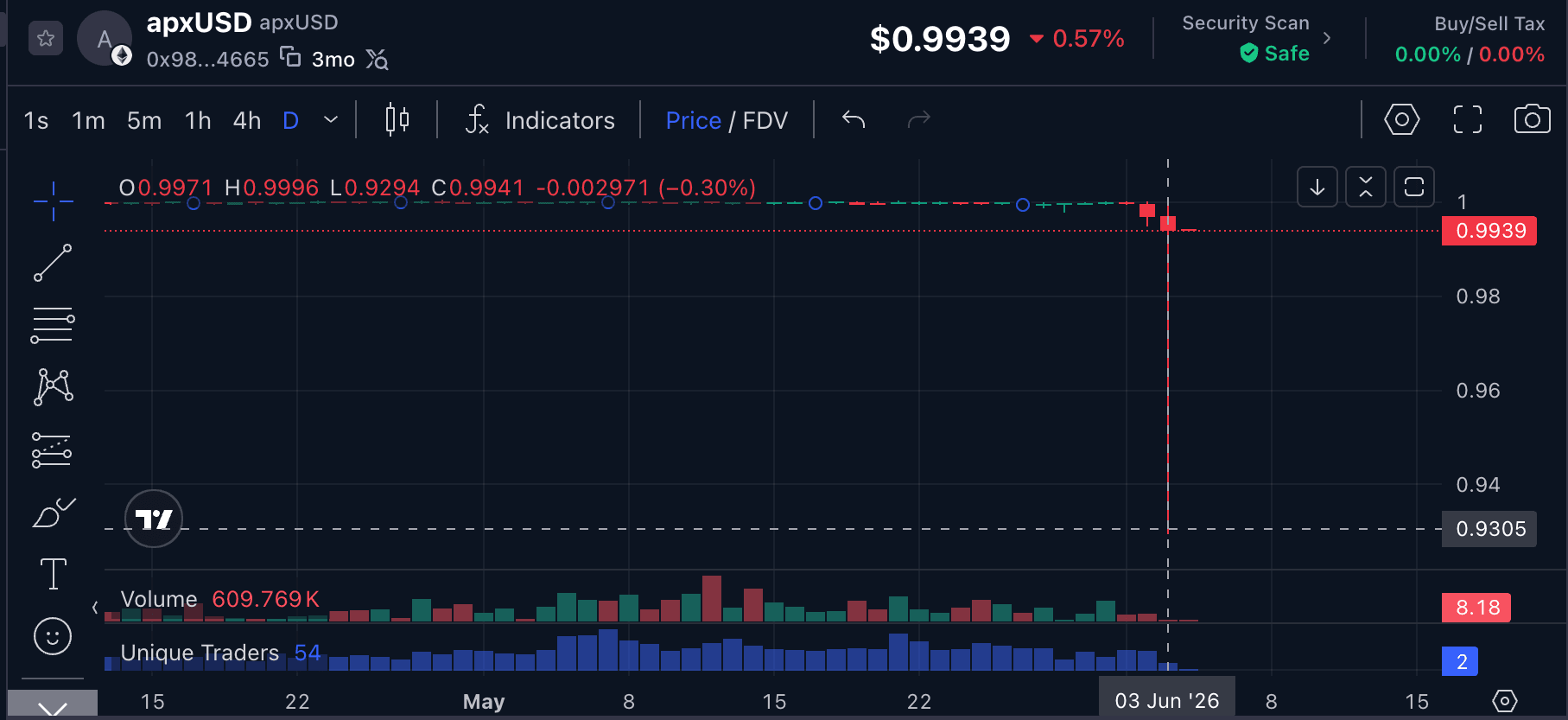
With the Federal Reserve's 2026 rate shifts altering liquidity conditions, algorithmic stablecoins face renewed pressure to maintain their pegs. We evaluate the top five candidates most vulnerable to decoupling, focusing on concrete reserve mechanics and real-time solvency checks rather than theoretical models.
1. Terra Classic LUNC post-collapse liquidity risks
Terra Classic remains a cautionary tale of algorithmic fragility. Even with reduced supply, its market structure relies heavily on speculative momentum rather than fundamental utility. Traders must monitor exchange inflows closely, as sudden liquidity drains can exacerbate volatility during broader market stress or Fed tightening cycles.

2. Frax Finance fractional-algorithmic depeg triggers
Frax’s hybrid model combines collateral and algorithmic mechanisms, creating unique depeg vulnerabilities. If collateral ratios drop too low, the algorithmic portion faces immense pressure to maintain parity. Investors should track the exact collateralization ratio in real-time, as shifts in Fed rates can alter the cost of maintaining this delicate balance.
3. Basis Cash algorithmic expansion failure points
Basis Cash’s design relies on seigniorage shares to absorb volatility, a mechanism that has struggled with sustained demand. During periods of high interest rates, the opportunity cost of holding non-yielding stablecoins rises. Traders must watch for arbitrage failures, as the incentive structure may no longer support the peg against traditional dollar yields.
4. Ampleforth elastic supply rebalance volatility
Ampleforth adjusts supply via daily rebalances, meaning price stability is achieved through quantity, not price targeting. This creates inherent volatility for holders during Fed rate shifts, as inflationary or deflationary pressures directly impact token value. Users must understand that their portfolio weight changes daily, requiring active rebalancing to maintain exposure.

5. Neutrino USD protocol reserve transparency gaps
Neutrino USD’s reliance on external reserves introduces opacity risks, especially when regulatory scrutiny increases. Without real-time, auditable proof of reserves, investors face uncertainty during market stress. The lack of full transparency makes it difficult to assess solvency quickly, posing a significant risk if counterparties fail or face liquidity crunches.

Pick the right fit
Choosing an algorithmic stablecoin for your portfolio requires more than scanning for the highest yield. The recent Federal Reserve rate shifts have exposed the fragility of protocols that rely on volatile governance tokens to maintain their peg. When interest rates change, the arbitrage incentives that keep these coins at $1.00 can vanish overnight, triggering the "death spirals" seen in past failures like TerraUSD. You need a framework that prioritizes structural resilience over short-term returns.
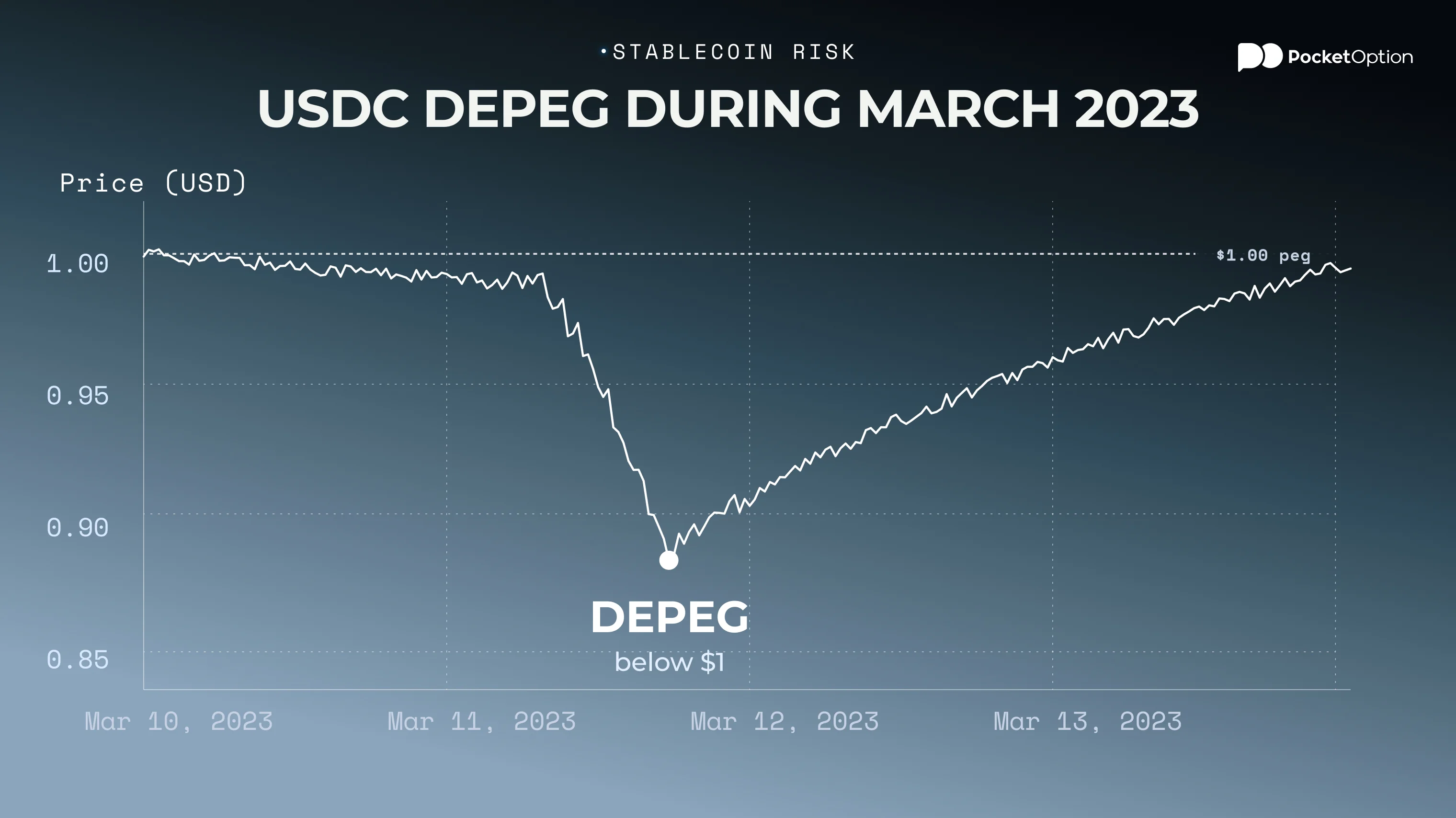
Don’t just read the whitepaper; test the redemption flow yourself. A robust algorithmic stablecoin allows you to burn the governance token to mint the stablecoin at parity without slippage. If the protocol relies on third-party liquidity pools or complex collateral ratios that fluctuate with market sentiment, it is vulnerable to depegging during high-volatility events.
Purely algorithmic models are high-risk assets. Look for protocols that use a hybrid model with some over-collateralization or real-world assets. According to recent research, stablecoins with tangible backing are less likely to suffer parity losses when the governance token depreciates. Avoid protocols that are 100% dependent on seigniorage shares to absorb volatility.
Algorithmic stability is often maintained by code, but governed by people. Check the protocol’s governance forums and on-chain voting records. If decisions about risk parameters are made by a small group of whales or if voter turnout is consistently low, the protocol lacks the decentralization needed to survive a crisis. Active, transparent governance is your best defense against sudden policy changes.
| Feature | High Risk | Low Risk |
|---|---|---|
| Peg Maintenance | Arbitrage only | Redemption + Collateral |
| Governance | Whale-dominated | Active community |
| Transparency | Obscured audits | Real-time on-chain |
The decision ultimately comes down to how much risk you are willing to absorb. If you need stability for daily trading, stick to centralized options. For those seeking exposure to algorithmic models, treat them as speculative investments rather than safe havens. Always diversify and never allocate more than you can afford to lose to these volatile instruments.
Depeg Watch 2026: FAQ
Helpful gear
Use these product recommendations as a starting point, then choose the size, material, and price point that fit how you actually use the gear.


As an Amazon Associate, we may earn from qualifying purchases.
No comments yet. Be the first to share your thoughts!