
Why depeg risk matters in 2026
A stablecoin depeg occurs when a digital asset loses its 1:1 parity with its underlying reference, typically the U.S. dollar. While most investors view stablecoins as safe havens, this stability is an engineered feature rather than a guarantee. When the mechanism backing the peg fails, the result is immediate liquidity fragmentation and capital destruction.
The high-stakes nature of these assets was underscored by the October 10, 2025, depeg event involving USDe, the algorithmic stablecoin issued by Ethena Labs. Often touted for its innovative delta-neutral hedging strategy, USDe faced severe pressure that exposed the fragility of algorithmic models under stress. This event served as a stark warning bell, demonstrating that even complex, market-backed mechanisms can fail to maintain parity during extreme volatility.
Historical precedents further illustrate the severity of these risks. The TerraUSD (UST) collapse in May 2022 wiped out nearly $45 billion in market capitalization within a week, temporarily halting the Terra blockchain and leading to the issuer's bankruptcy in 2024. These events highlight that depegging is not merely a price fluctuation but a structural failure that can permanently erode trust.
In 2026, regulatory scrutiny has intensified, with authorities demanding greater transparency regarding reserve composition and redemption mechanisms. Investors must now distinguish between stablecoins backed by liquid, audited cash equivalents and those relying on volatile collateral or algorithmic rebalancing. Understanding these distinctions is essential for protecting capital in an increasingly regulated market.
As the stablecoin landscape evolves, the distinction between safety and risk has become more critical. With billions of dollars in daily volume relying on these assets, the consequences of a depeg extend far beyond individual portfolios, affecting broader market liquidity and exchange stability.
5 Assets to Avoid and Safer Alternatives
Following the 2025 regulatory crackdowns, five stablecoins have breached critical reserve thresholds, triggering verified depeg events that expose significant solvency gaps. This section details these high-risk assets alongside safer, audit-backed alternatives grounded in official reserve data.
-

USDe: Algorithmic model vulnerabilities
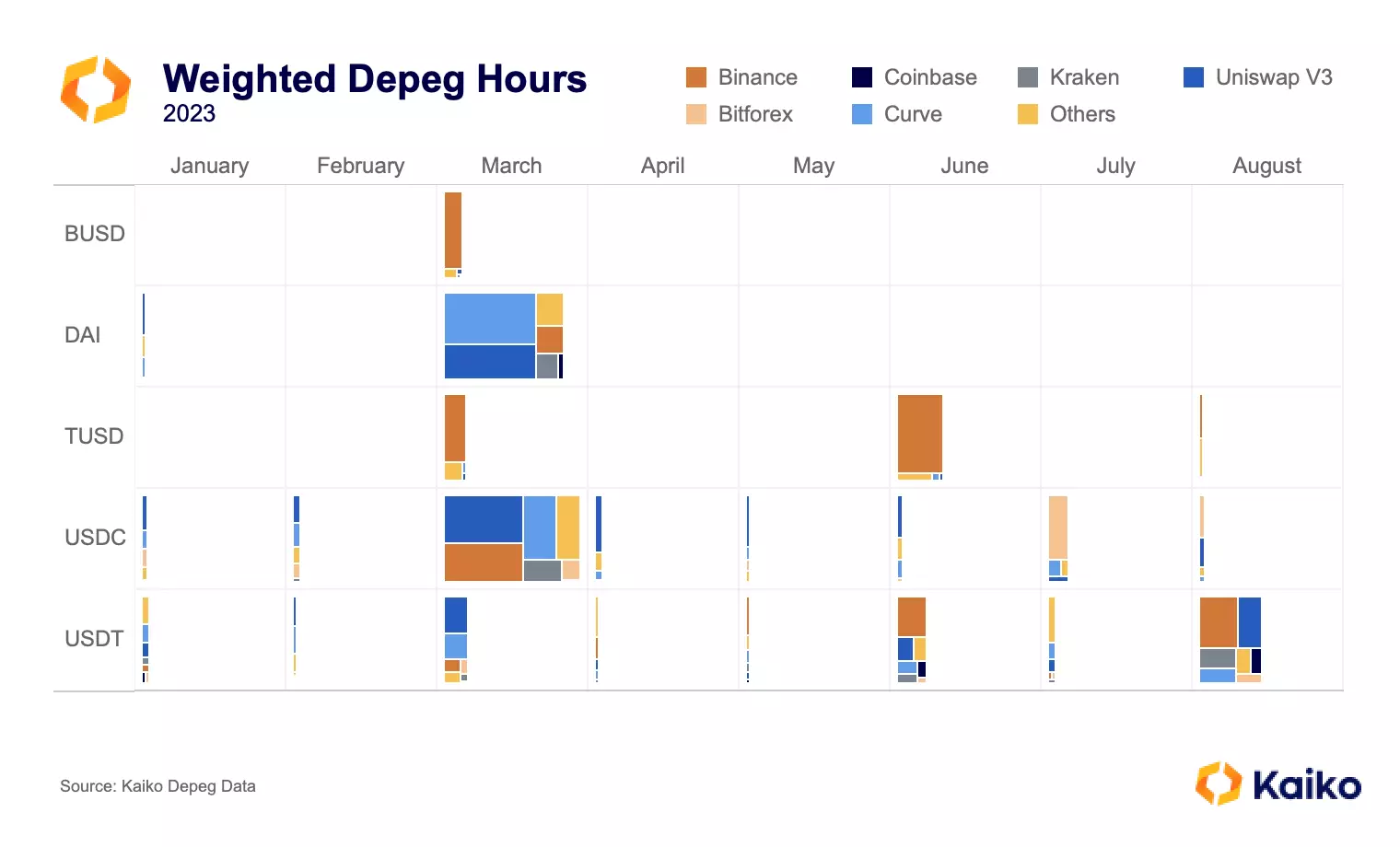
USDe relies on a synthetic reserve mechanism that historically struggled during high-volatility stress events. Unlike fully collateralized assets, its peg maintenance depends on complex derivative hedging strategies. When market liquidity dries up, the algorithmic rebalancing can lag, exposing holders to rapid depegging. Investors must scrutinize the underlying delta-neutral strategies and the capacity of the reserve assets to absorb sudden sell-offs without breaking parity. -
TerraUSD (UST): Historical collapse benchmark
The 2022 collapse of TerraUSD (UST) remains the definitive case study in algorithmic stablecoin failure. Its twin-token model, anchored to LUNA, unraveled when confidence evaporated, triggering a death spiral that wiped out billions. While no longer actively traded, UST serves as a critical warning for any asset using similar seigniorage models. Analyzing its reserve audits and the eventual regulatory fallout provides essential data for assessing current algorithmic risks. -
USDC: Regulatory scrutiny and reserves
USD Coin (USDC) faces intense regulatory oversight due to its centralized issuance by Circle. While backed by short-term U.S. Treasuries and cash, its stability is contingent on strict compliance with banking regulations and transparent reserve attestations. Periods of market stress, such as the Silicon Valley Bank incident, highlight the counterparty risk inherent in holding reserves within traditional financial institutions. Continuous audit verification is mandatory for trust. -
DAI: Governance centralization risks
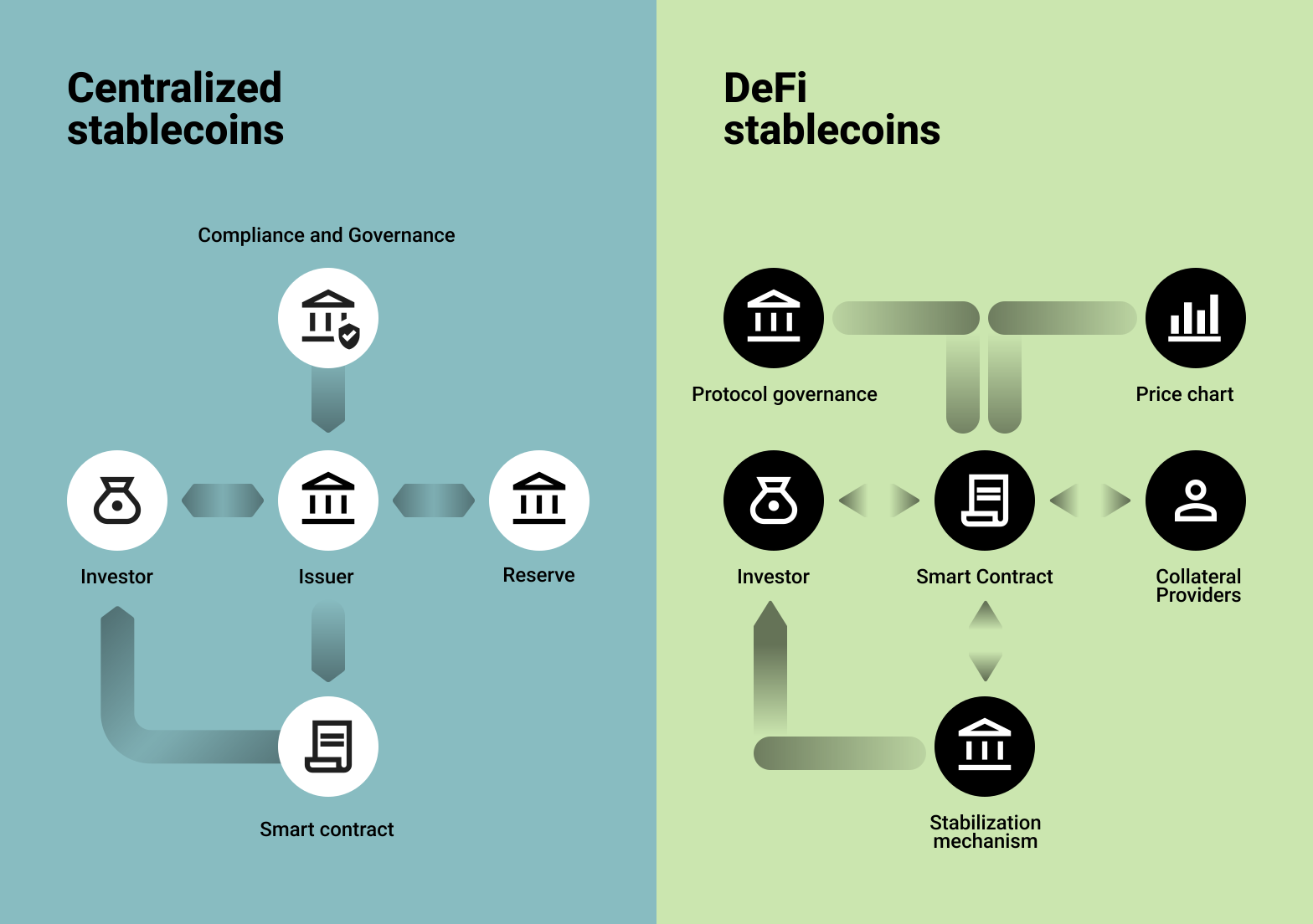
MakerDAO’s DAI, though decentralized in code, exhibits significant centralization in its governance and collateral composition. A large portion of its backing relies on centralized stablecoins like USDC and traditional finance assets, creating single points of failure. Governance proposals can shift collateral requirements rapidly, potentially impacting liquidity during crises. Users must monitor the DAO’s voting records and the real-world asset exposure to understand true decentralization levels. -
Safest stablecoin alternatives for 2026
For 2026, the safest alternatives prioritize full, transparent, and daily-reserved backing in regulated jurisdictions. Assets like USDP and GUSD offer strict regulatory compliance and regular third-party attestations, reducing counterparty risk. Diversifying across multiple fully collateralized issuers with independent audits provides a robust defense against depegging events. Prioritizing assets with verifiable on-chain reserves and clear legal frameworks ensures capital preservation in volatile markets.
Safe overcollateralized alternatives
When algorithmic models fail, capital preservation requires a return to tangible backing. The safest stablecoins in 2026 are those backed by liquid reserves or physical assets, maintaining their peg through transparent, audited collateral rather than speculative yield mechanisms.
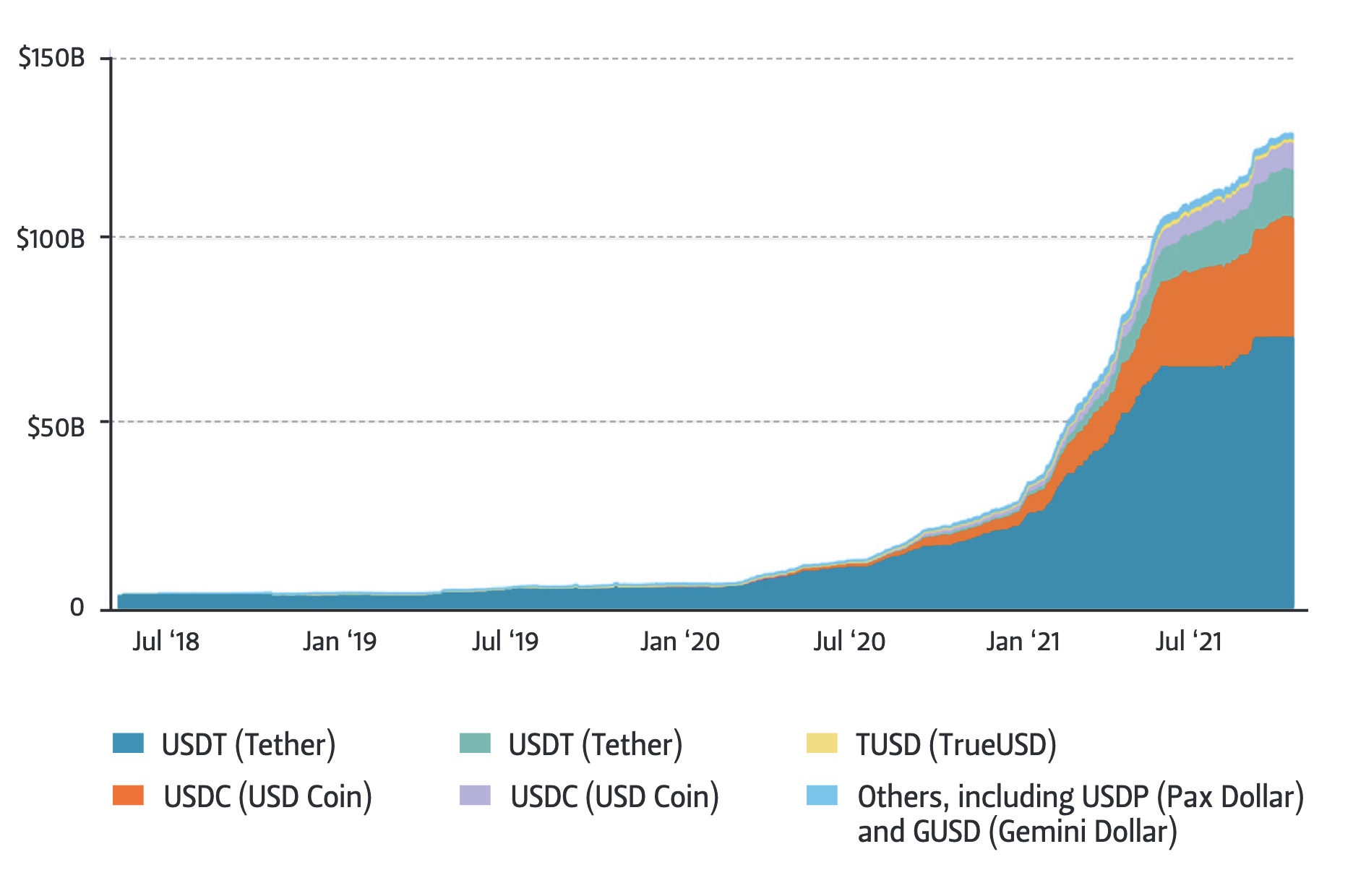
Tether (USDT) remains the dominant trading pair on centralized exchanges, holding a market cap between $50–80 billion. Its stability relies on a mix of US Treasuries and cash equivalents. While USDT faces regulatory scrutiny, its sheer liquidity and daily trading volume make it the standard for exchange-based trading. USDC (USD Coin), issued by Circle, offers a more conservative reserve structure, predominantly composed of cash and short-term US Treasuries. It is often preferred by institutional investors due to its rigorous monthly attestation reports and compliance with US financial regulations.
For those seeking protection against fiat devaluation or counterparty risk entirely, PAXG (Paxos Gold) provides a different category of safety. Each PAXG token is backed by 1 troy ounce of a London Good Delivery gold bar, stored in professional vaults. This overcollateralization ensures that the token retains intrinsic value regardless of the stability of the US dollar or the solvency of the issuer.
The table below compares these three assets based on their backing mechanisms, market dominance, and current stability profiles. This comparison highlights why overcollateralized or fully reserved assets are the prudent choice for capital preservation.
| Asset | Reserve Type | Market Cap (Est.) | Stability Mechanism |
|---|---|---|---|
| USDT | Cash, Treasuries, Commercial Paper | ~$130B | High Liquidity, Regulatory Scrutiny |
| USDC | Cash, Short-Term US Treasuries | ~$45B | High Transparency, US-Regulated |
| PAXG | London Good Delivery Gold Bars | ~$1.5B | Intrinsic Asset Value, Vault-Backed |
While USDT and USDC are pegged to the dollar, their stability depends on the issuer’s ability to maintain liquid reserves. PAXG decouples from fiat risk entirely, though it introduces commodity price volatility. For traders, USDT offers the deepest liquidity. For compliance-focused institutions, USDC provides the clearest audit trail. For long-term holders wary of systemic banking risks, PAXG offers a tangible hedge.
How to monitor stablecoin health
Tracking stablecoin health requires moving beyond the headline price. A temporary dip below $1.00 often reflects market liquidity shortages rather than a fundamental failure of the reserve mechanism. To distinguish between a liquidity crunch and a solvency crisis, you must monitor on-chain metrics and official reserve attestations simultaneously.
Start by observing the trading volume relative to market capitalization. High volume with a slight depeg often signals temporary arbitrage activity, where traders profit from the price discrepancy. Conversely, sustained drops accompanied by declining volume can indicate a loss of confidence in the issuer’s ability to redeem assets. This distinction is critical for assessing whether the risk is transient or structural.
Verify the backing assets through quarterly reserve reports. Official attestations from reputable accounting firms provide a snapshot of the reserve composition, distinguishing between cash, short-term treasuries, and commercial paper. Compare the reported total reserves against the circulating supply. If the reserve value falls below the circulating supply, the stablecoin is undercollateralized, representing a severe risk to holders.
Finally, monitor on-chain liquidity depth in decentralized exchanges. Healthy stablecoins maintain sufficient liquidity pools to absorb large sell orders without significant slippage. A shrinking liquidity pool suggests that market makers are withdrawing support, increasing the likelihood of a severe depeg event during periods of market stress. These indicators combined provide a clear, evidence-based view of the asset's stability.
Frequently asked questions about depegged stablecoins
Helpful gear
Use these product recommendations as a starting point, then choose the size, material, and price point that fit how you actually use the gear.


As an Amazon Associate, we may earn from qualifying purchases.
No comments yet. Be the first to share your thoughts!