
Assess your exposure to algorithmic tokens
Before reacting to market volatility, you must determine if your portfolio holds algorithmic stablecoins. Unlike fiat-backed tokens such as USDC, which are redeemable 1:1 for reserves, algorithmic stablecoins rely on code and market incentives to maintain their peg. This structural difference creates unique vulnerabilities during stress events.
To quantify your exposure, start by listing every stablecoin in your wallets and exchange accounts. Check the token's official documentation or audit reports to verify its backing mechanism. If the token does not cite direct fiat reserves or fully collateralized crypto assets, it is algorithmic. Current data suggests algorithmic stablecoins hold approximately $4.3 billion across surviving protocols, a small fraction of the $322.46 billion total stablecoin market [src-serp-5].
Once identified, treat these holdings as high-risk speculative assets rather than safe cash equivalents. The collapse of TerraUSD (UST) in 2022 demonstrated how quickly algorithmic models can fail under liquidity stress. Newer entrants like USDe, launched by Ethena Labs, attempt to mitigate this through synthetic dollar strategies, but they remain exposed to smart contract and market risks [src-serp-2].
Calculate the total dollar value of any algorithmic tokens you hold. This figure represents your maximum potential loss if the peg breaks. If this amount exceeds your risk tolerance, consider reducing exposure immediately during stable market conditions, as liquidity often evaporates during crashes.
Monitor peg stability and liquidity depth
Tracking an algorithmic stablecoin requires watching two interconnected metrics: the price peg and the liquidity that defends it. When trust erodes, these indicators diverge before the protocol breaks. Use real-time data to spot the stress early.
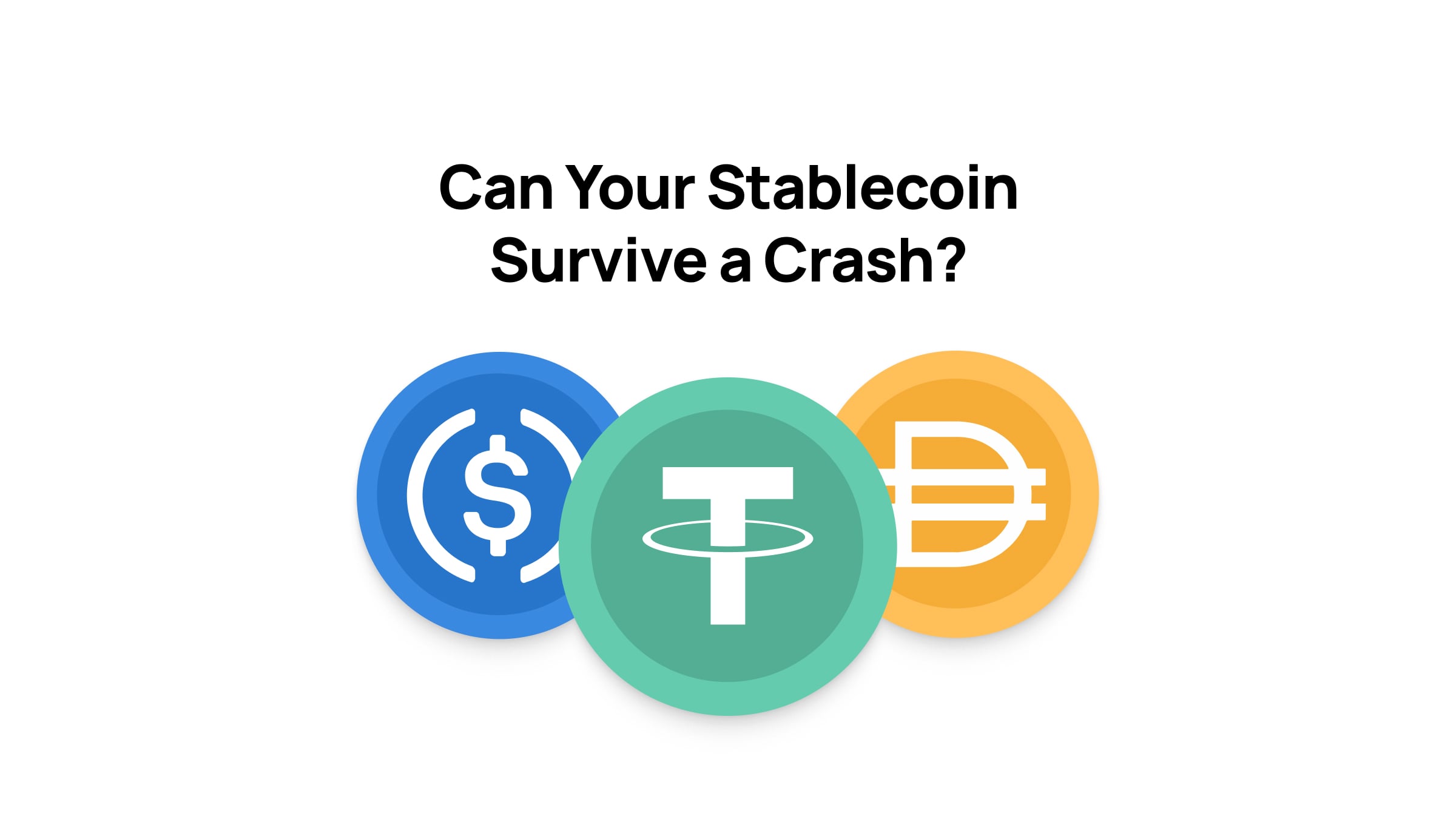
Set up alerts for price deviations. A stablecoin should trade within 0.1% of its target. If USDe or FRAX drops below $0.99, the algorithm is struggling to mint or burn tokens effectively. This is the first sign of structural stress.
Peg stability depends on available liquidity. Use a block explorer or DEX aggregator to check the depth of the trading pair. Thin liquidity means a small sell order can crash the price. If the order book is thin, the protocol cannot absorb panic selling.

Watch the total supply changes on-chain. Algorithmic protocols adjust supply to maintain the peg. If you see rapid, large-scale minting or burning without corresponding price movement, the mechanism is failing. This often precedes a depeg event.
-
Set up price alerts for deviations below $0.99
-
Check DEX liquidity depth daily
-
Monitor on-chain supply changes
-
Review protocol treasury health
Verify collateralization and redemption mechanics
An algorithmic stablecoin’s peg survives only if its redemption mechanism functions under stress. Unlike fiat-collateralized tokens, these systems rely on code and market incentives to maintain parity. You must audit the specific mechanics of the token you are evaluating to determine if it can sustain its peg during a liquidity crunch.
Begin by identifying the coin’s primary stabilization method. Most 2026-era algorithmic stablecoins, such as Ethena’s USDe, utilize synthetic dollar strategies that hedge exposure to volatile assets rather than relying on pure arbitrage loops. Understanding this distinction is critical, as pure algorithmic models without external yield or collateral backing are significantly more prone to recursive death spirals, as seen in the TerraUSD collapse.
Next, examine the on-chain data for real-time collateralization ratios. A healthy stablecoin should maintain a collateralization ratio well above 100%, with a clear buffer for volatility. Use block explorers to verify that the treasury holds sufficient liquid assets to back all outstanding tokens. If the ratio hovers near 100% with illiquid assets, the system is vulnerable to rapid depegging.
Finally, test the redemption process. Can you mint or burn the stablecoin at a 1:1 ratio with the underlying asset without prohibitive fees or slippage? Smooth redemption mechanics indicate a robust peg. If redemptions fail or require excessive gas, the algorithmic guarantee is likely broken.
Peg Mechanism Comparison
The table below compares the primary stabilization methods and risk profiles of major algorithmic stablecoins in 2026.
| Stablecoin | Peg Mechanism | Collateral Type | Risk Profile |
|---|---|---|---|
| USDe | Delta-Neutral Hedging | Stablecoins + Futures | Moderate (Market dependent) |
| UST (Historical) | Arbitrage + Seigniorage | Extreme (Spiral prone) | |
| FRAX | Hybrid (Algorithmic + Collateral) | USDC + Algorithmic | Low (Hybrid buffer) |
| GHO | Overcollateralized Debt | ETH + Stablecoins | Low (MakerDAO backed) |
Execute a controlled exit strategy
When algorithmic stablecoins decouple, speed matters more than price optimization. The goal is not to maximize returns but to preserve capital by moving into fiat-backed stablecoins or regulated fiat. A controlled exit reduces slippage and minimizes exposure to liquidity crunches that often accompany a collapse.
Step 1: Assess the depeg severity
Before acting, verify the extent of the depeg. Check real-time prices on multiple aggregators and on-chain data sources. If the asset has lost more than 5% of its peg, treat the situation as critical. Do not wait for a recovery; algorithmic mechanisms often fail to restore parity once confidence breaks.
Step 2: Choose a low-fee, high-liquidity exit route
Select a trading pair with deep liquidity to avoid severe slippage. Stablecoin-to-stablecoin pairs (e.g., USDT/USDC) or direct fiat on-ramps are typically the safest. Avoid trading pairs with algorithmic assets as the quote currency, as these may also be illiquid or manipulated during a crash.
Step 3: Execute in tranches
Do not sell your entire position in a single order. Split your exit into three tranches: sell 40% immediately to secure baseline value, 30% if the price drops another 2%, and the remaining 30% if volatility spikes further. This approach prevents you from selling all assets at the bottom of a flash crash.
Step 4: Verify receipt in fiat-backed assets
Confirm that your funds have landed in a regulated, fiat-backed stablecoin or bank account. Double-check the contract address of the received token to ensure you are not holding another algorithmic asset. Once confirmed, consider moving the funds to a cold wallet or regulated exchange to prevent accidental re-exposure.
Common mistakes during depeg events
The most expensive error in a depeg event is panic-selling at the bottom. When an algorithmic stablecoin drops, liquidity dries up instantly. Selling into this thin order book locks in maximum loss and accelerates the death spiral. Wait for a clear re-peg or stable volume before acting.
Holding onto "hope" is the second critical failure. Algorithmic mechanisms are mathematical, not political. If the peg breaks, it rarely fixes itself without external intervention. Researching the protocol's emergency controls is useful; waiting for a miraculous recovery is not. Treat a broken peg as a signal to exit, not a temporary glitch.
Another frequent mistake is ignoring the secondary token's collapse. In models like Terra-Luna, the sister token's value drives the algorithm. If the secondary asset crashes, the stablecoin has no backing. Checking the health of the entire ecosystem is more important than watching the stablecoin chart alone.
No comments yet. Be the first to share your thoughts!