
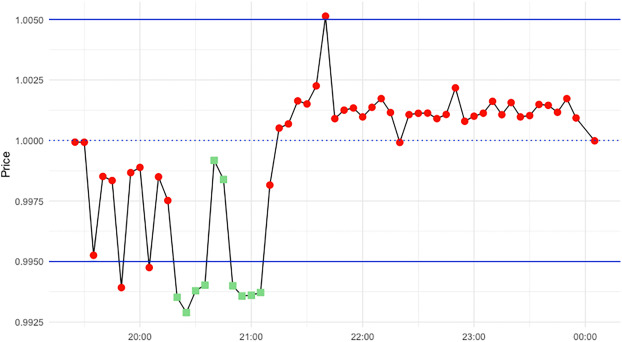
2026 volatility reshapes stablecoin trust
The stability of the digital asset market faced a severe stress test in 2026, as a wave of depegged stablecoins disrupted the assumption that algorithmic and hybrid models could maintain parity without full collateral backing. A stablecoin depeg occurs when a token loses its 1:1 parity with its underlying asset, such as the U.S. dollar, triggering rapid liquidity withdrawals and eroding user confidence. This year marked a turning point where the distinction between fiat-backed and algorithmic tokens became starkly visible, forcing regulators and markets to reassess the structural risks embedded in these financial instruments.
Research into these events reveals that depegging is rarely an isolated incident. A principal component analysis of recent market data shows that a single dominant common component accounts for 68% of the variation in depegging events, suggesting that systemic liquidity shocks or broad market sentiment drives these failures more than token-specific flaws. This interconnectedness means that the collapse of one major stablecoin can cascade through the ecosystem, affecting even those with seemingly robust reserve structures.
The impact on market confidence has been profound. Investors now demand greater transparency regarding reserve composition and audit frequency, moving away from the trust-based models that characterized earlier years. As the market matures, the focus has shifted from yield generation to capital preservation, with regulatory frameworks tightening around the issuance and redemption mechanisms of stablecoins. Understanding these dynamics is essential for navigating the current landscape, where the stability of your portfolio often depends on the structural integrity of the tokens you hold.
Algorithmic models face stress tests
Algorithmic stablecoins operate on a different premise than fiat-backed alternatives, relying on code and market incentives rather than physical reserves to maintain their peg. This structural difference makes them uniquely vulnerable to depegged stablecoins 2026 scenarios where trust evaporates faster than it can be restored. While fiat-backed tokens hold dollars or bonds in reserve, algorithmic models use complex mechanisms to expand or contract supply, creating a fragility that only becomes apparent during periods of extreme market stress.
The primary weakness lies in liquidity. When confidence wavers, users rush to exit positions simultaneously. Fiat-backed stablecoins can withstand this by selling off their reserve assets, but algorithmic systems often lack the immediate liquidity to absorb such shocks without triggering a death spiral. The mechanism designed to stabilize the price can instead accelerate the decline, as the system struggles to mint or burn tokens fast enough to match market demand.
Transparency further complicates the risk profile. Unlike regulated fiat-backed issuers that publish regular attestations of their reserves, algorithmic protocols often obscure their true exposure through complex derivatives or cross-chain dependencies. This lack of visibility means investors cannot easily assess whether the backing mechanisms are sufficient to support the token's value. As noted in recent regulatory analyses, the combination of opaque structures and reliance on market confidence creates a high-risk environment for holders.
Empirical research into stablecoin depegging risk highlights that liquidity crunches are the most common precursor to failure. Studies show that when trading volume drops or slippage increases, the algorithmic feedback loops can fail to correct the price, leading to prolonged depegging events. This dynamic distinguishes algorithmic models from their collateralized counterparts, which generally have more predictable recovery paths as long as their reserves remain intact.
For investors, understanding these mechanics is essential. The 2026 landscape demands a closer look at how these protocols handle stress, as the cost of failure is often total loss of value rather than a temporary discount.
Survivor assets versus depegged stablecoins 2026
The divergence between stablecoins that maintained their peg and those that failed in 2026 reveals the structural limits of trust-based models. When a stablecoin depegs, the immediate consequence is not just a price drop, but a liquidity freeze that leaves retail holders exposed to significant losses. The survivors in this environment share two traits: transparent, audited reserves and clear regulatory alignment. These factors allowed them to function as predictable payment rails during market stress, while depegged assets became liabilities rather than currency.
The following table compares key metrics for major stablecoin categories in the 2026 landscape. It highlights how reserve composition and regulatory status directly impacted performance and stability.
| Category | Reserve Type | Regulatory Status | 2026 Performance |
|---|---|---|---|
| Major Fiat-Backed | Cash & Treasuries | Compliant | Peg Maintained |
| Algorithmic | No Collateral | Unregulated | Depegged & Failed |
| Crypto-Collateralized | ETH/BTC Over-Collateral | Gray Area | Volatile but Pegged |
| Commodity-Backed | Gold/Real Estate | Emerging | Minor Deviations |
Fiat-backed stablecoins dominated the survivor list because their reserves are backed by short-term US treasuries and cash. This structure provides a clear, auditable path to redemption, which is essential for maintaining the peg during high-volume trading. In contrast, algorithmic stablecoins, which rely on complex token mechanics rather than actual assets, suffered the most severe depegging events. Their failure underscores the risk of unregulated, synthetic models in a market that increasingly demands transparency.
Crypto-collateralized stablecoins occupy a middle ground. While they are over-collateralized, their reliance on volatile assets like ETH introduces risk. However, with strict liquidation protocols, they managed to maintain their pegs more effectively than algorithmic variants. For businesses seeking speed and control in 2026, the choice is no longer just about yield, but about which assets can reliably serve as a payment rail without the risk of sudden devaluation.
Monitoring peg stability indicators
Tracking depegged stablecoins 2026 requires looking beyond the surface price. While a stablecoin trading at $0.98 might seem stable, the underlying mechanics often reveal distress long before the price collapses. Investors should monitor liquidity depth, exchange reserve ratios, and on-chain volatility to identify potential depegging events early.
Liquidity Depth and Spread
The primary indicator of peg health is the liquidity available on decentralized and centralized exchanges. Thin order books allow large sell orders to slip the price significantly below the peg. A widening bid-ask spread signals that market makers are pricing in higher risk or lack the capital to defend the peg. When liquidity dries up, even small sell pressure can cause temporary but severe depegging events.
On-Chain Volatility and Volume Spikes
Sudden spikes in trading volume often precede a depegging event. This surge usually reflects panic selling or arbitrage activity as traders try to exit positions. Monitoring on-chain data for unusual volume patterns can provide an early warning sign. If volume increases without a corresponding rise in price, it suggests strong selling pressure that could break the peg.
Reserve Transparency and Audit Reports
For asset-backed stablecoins, the composition and accessibility of reserves are critical. Regular, independent audits verify that the issuer holds enough liquid assets to back every token in circulation. Lack of transparency or delayed audit reports raise red flags. Investors should prioritize stablecoins with clear, real-time proof of reserves to mitigate the risk of insolvency.
No comments yet. Be the first to share your thoughts!