
How We Selected the 2026 Algorithmic Stablecoins at Risk
The landscape for algorithmic stablecoins has shifted dramatically since the 2022 market collapse. While the category was declared dead, it has quietly rebuilt itself using hybrid models that blend algorithmic supply adjustments with partial collateralization. This evolution has reduced, but not eliminated, the risk of decoupling. In 2026, the primary danger is no longer pure code failure, but rather governance token depreciation and liquidity crunches during high-volatility periods. We evaluated the top contenders—DAI, Frax v2, crvUSD, and USDe—based on their specific peg mechanisms, collateral composition, and historical resilience. Our selection criteria prioritized transparent reserve audits and real-world yield generation over theoretical stability models. Understanding these nuances is essential for identifying which assets remain vulnerable to parity losses. We focused on projects that have demonstrated the ability to maintain pegs during recent market stress, filtering out those with opaque governance or insufficient liquidity buffers. This approach ensures that the risks highlighted here are grounded in current operational realities rather than abstract theoretical concerns. The following sections break down the specific vulnerabilities that still threaten these digital assets.
5 Depeg Watch 2026: Top 5 Algorithmic Stablecoins at Risk of Decoupling
Algorithmic stablecoins rely on code rather than collateral, making them uniquely vulnerable to market shocks and smart contract failures. This section identifies five specific protocols currently facing depeg risks in 2026, highlighting the concrete vulnerabilities that traders need to monitor.
1. Terra Luna Classic (LUNC) historical collapse risks
LUNC remains a cautionary tale of algorithmic failure. Its 2022 collapse proved that backing stablecoins with volatile governance tokens creates fragile feedback loops. While the token trades at fractions of a cent, the underlying mechanics still pose severe depeg risks if market sentiment shifts. Investors must scrutinize its reliance on speculative demand rather than robust collateralization to maintain any semblance of stability.

2. Frax Finance (FRAX) fractional-algorithmic stability model
FRAX utilizes a hybrid approach, combining partial collateralization with algorithmic mechanisms. This model aims to balance stability with capital efficiency, yet it still faces pressure during extreme market downturns. If collateral ratios drop too low, the algorithmic portion may struggle to absorb sell pressure. Users should monitor the exact collateral percentage closely to gauge resilience against rapid liquidity drains.

3. Basis Cash (BASIS) rebasing mechanism vulnerabilities
Basis Cash relies on a rebasing mechanism to adjust supply based on price deviations from the peg. This process can lead to complex user experiences and potential bugs in smart contracts. If the arbitrage incentives fail to attract sufficient capital, the system may lose its peg. Traders should understand the risks of rebasing tokens, which can alter holdings unpredictably during volatile periods.

4. Ampleforth (AMPL) elastic supply adjustment risks
Ampleforth adjusts supply daily to influence price, targeting a $1.00 baseline without maintaining a strict peg. This elastic supply can cause significant volatility for holders, as token counts fluctuate with market conditions. While it aims to be a neutral medium of exchange, the unpredictable nature of supply changes poses risks for those relying on stable value storage. Users must accept price variance as a core feature.

5. Inverse Finance (INV) debt ceiling stress tests
Inverse Finance employs a debt ceiling mechanism to limit the issuance of its stablecoin, aiming to prevent over-leverage. However, if demand outpaces the ceiling, the stablecoin may trade at a premium or face liquidity issues. Stress testing these limits is crucial to understand how the protocol handles sudden surges in borrowing. Investors should evaluate the protocol's capacity to manage debt without compromising stability.

Pick the right fit
Algorithmic stablecoins are not a single asset class; they are distinct financial instruments with different failure modes. Choosing the right one requires looking past marketing claims and examining the mechanics of the peg. The following framework helps you evaluate risk based on three core pillars: collateral quality, algorithmic redundancy, and governance transparency.
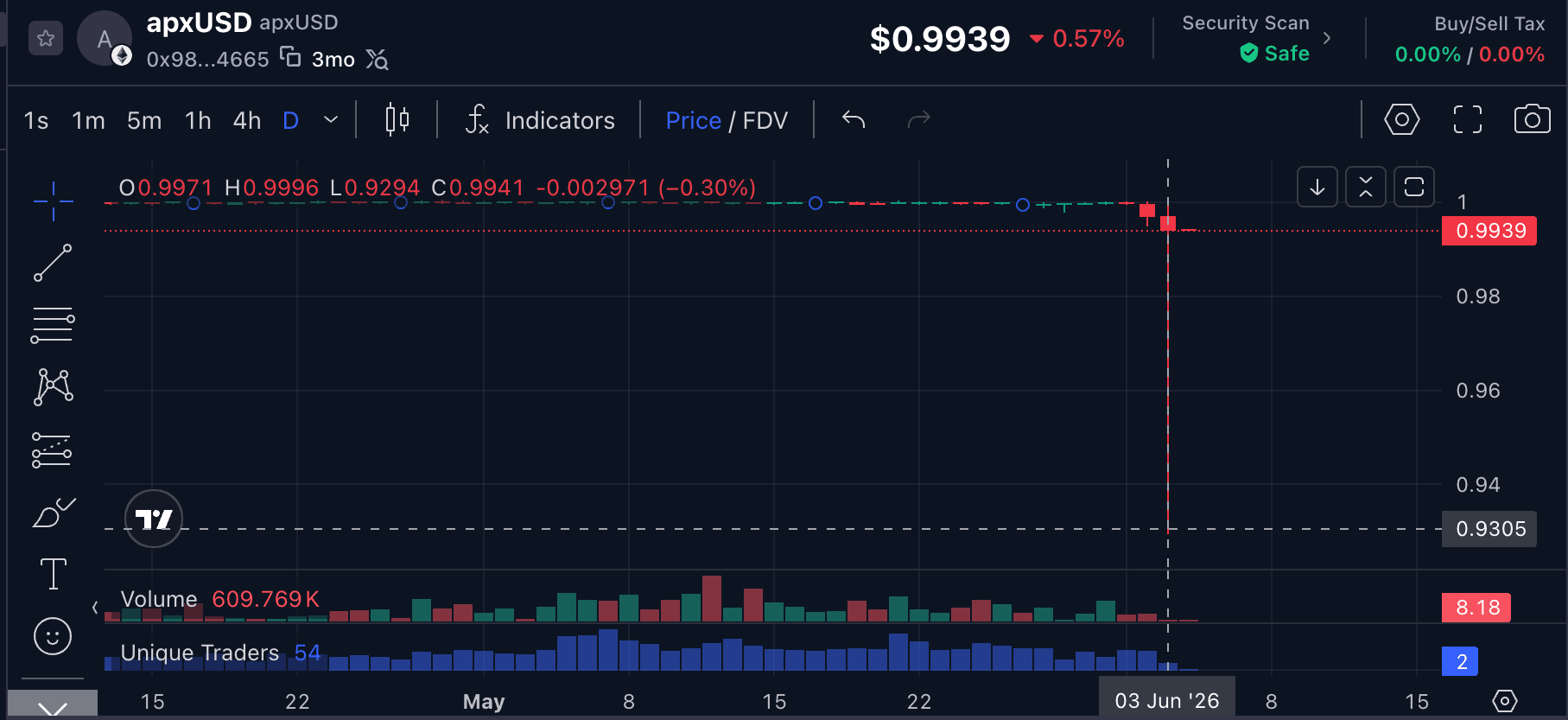
Prioritize stablecoins backed by liquid, real-world assets like US Treasuries or cash equivalents. Purely algorithmic models that rely on minting and burning a volatile governance token are inherently fragile. Look for protocols that maintain a high collateralization ratio even during market stress, as this provides a buffer against sudden sell-offs.
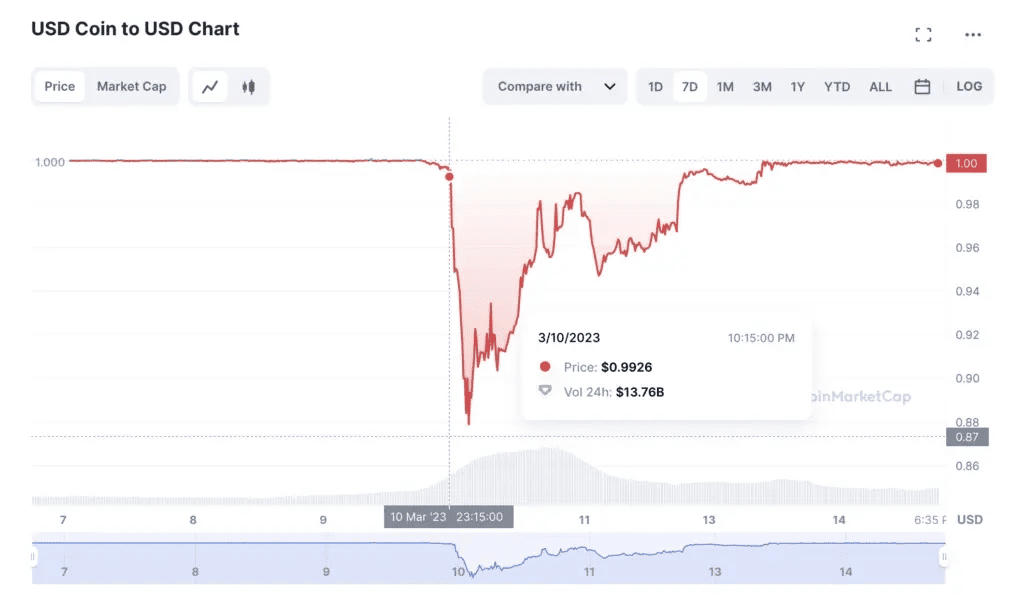
No single mechanism is foolproof. The safest algorithmic stablecoins employ multiple layers of stabilization, such as combining seigniorage shares with direct market operations or using multiple collateral types. Redundancy ensures that if one algorithmic lever fails, the others can maintain the $1 peg without triggering a death spiral.
Who controls the parameters? Look for protocols with clear, on-chain governance structures where changes to reserve ratios or collateral types require community consensus. Avoid projects where a small group of developers or insiders can alter the peg mechanism without notice, as this centralization risk often leads to sudden depeg events.
| Feature | Pure Algorithmic | Hybrid Model | Fully Collateralized |
|---|---|---|---|
| Risk Level | High | Medium | Low |
| Peg Stability | Fragile | Resilient | Strong |
| Capital Efficiency | High | Moderate | Low |


As an Amazon Associate, we may earn from qualifying purchases.
Depeg Watch 2026: 5 Algorithmic Stablecoins at Risk of Decoupling
Algorithmic stablecoins are the category the market declared dead in 2022, only to quietly rebuild from scratch. As we move through 2026, the landscape has shifted from pure algorithmic minting to hybrid models that blend code with real-world assets. While yield-bearing stablecoins are expanding rapidly through tokenized Treasury exposure, the core risks of algorithmic design remain. Market volatility can still cause supply adjustment algorithms to fail, leading to parity losses and "death spirals" when governance tokens depreciate. For builders and traders, the focus is now on identifying which hybrid models offer genuine stability versus those carrying hidden decoupling risks.
The Bank Policy Institute warns that even with modern protections, these instruments pose risks to retail investors and lenders. With algorithmic stablecoins accounting for only 0.2% of overall stablecoin activity, the market has largely retreated to collateralized models. However, the hybrid algorithms currently in use require rigorous stress testing. If you are holding these assets, monitor the governance token health closely, as its depreciation is often the first signal of a potential decoupling event.
No comments yet. Be the first to share your thoughts!