
How to spot warning signs before depegging
A stablecoin’s peg is a promise backed by assets. When those assets fail or become inaccessible, the promise breaks. In 2026, depegging events often follow a predictable pattern of reserve opacity and liquidity stress. Spotting these signals early is the only reliable defense against total loss.
Use this five-step process to audit your holdings. Do not rely on marketing materials. Verify every claim against on-chain data and official reserve reports.
Check the issuer’s latest attestation. Legitimate stablecoins hold high-quality liquid assets, primarily cash and short-term government treasuries. If more than 10% of reserves are held in corporate bonds, commercial paper, or the issuer’s own debt, the risk is elevated. The Bank for International Settlements (BIS) has warned that non-cash reserves introduce liquidity gaps that trigger depegging during market stress.

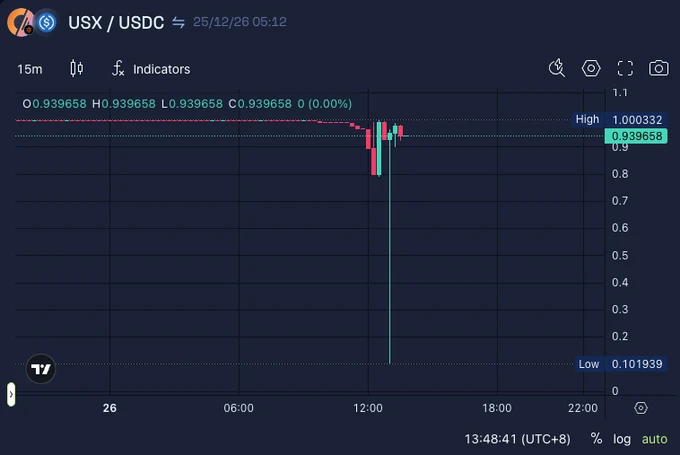
Navigate to a block explorer and view the liquidity pools backing the stablecoin. Look at the depth of the trading pairs on major decentralized exchanges. If the liquidity depth is thin, even small sell orders can crash the price below $1. A sudden drop in liquidity depth is often the first technical sign of a looming depeg, preceding any public news.
Review the distribution of the stablecoin’s treasury. If a significant portion of the reserves is held in a single custodian or a small group of affiliated entities, the system is fragile. Regulatory bodies like the IMF emphasize that custodial concentration creates a single point of failure. If the custodian faces regulatory scrutiny or freezes assets, the stablecoin cannot redeem.
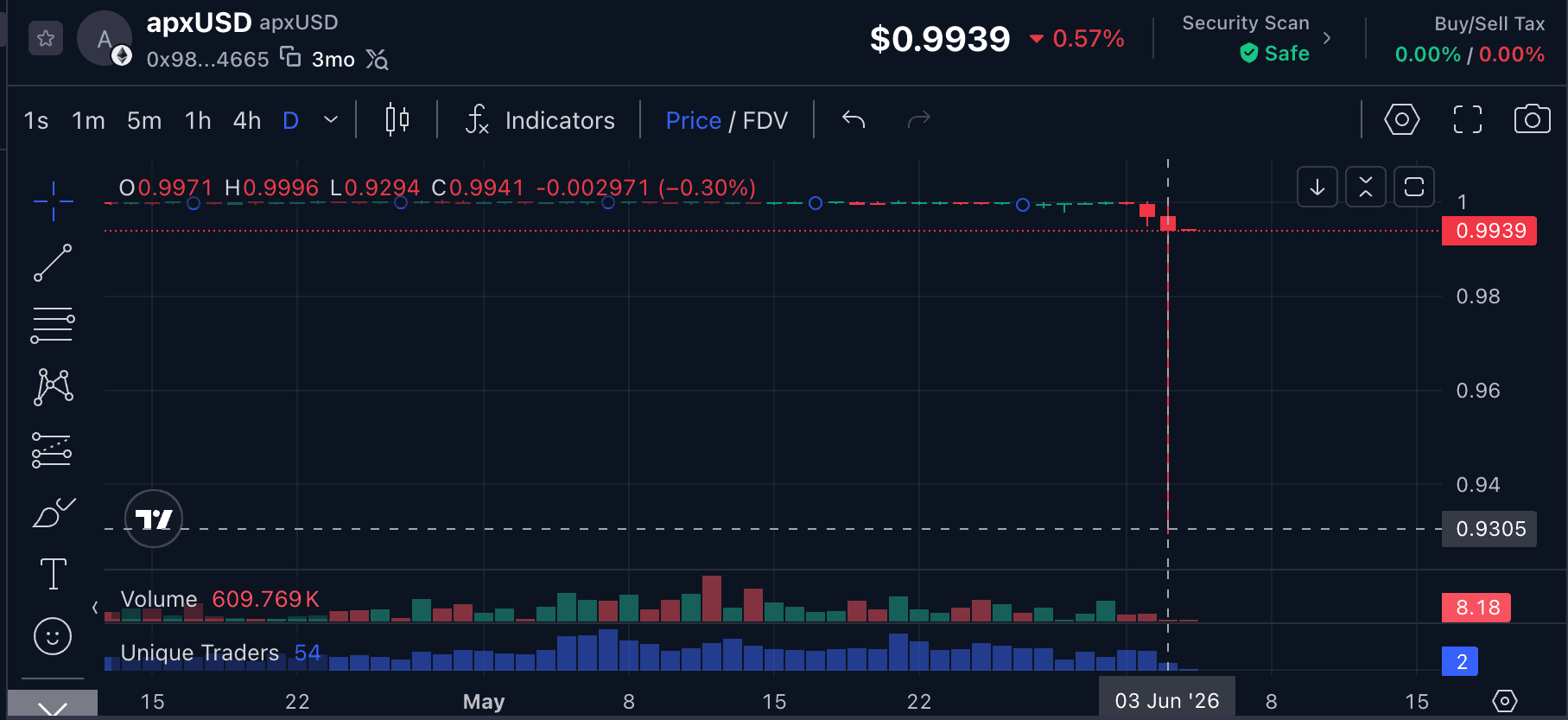
Use on-chain analytics to monitor the velocity of transfers. A sudden spike in redemption requests or large outflows from the stablecoin’s treasury wallet indicates panic. Real-time monitoring tools can flag this velocity-based escalation. If redemptions outpace the issuer’s ability to liquidate assets, the peg will break within hours.
Check the issuer’s jurisdiction and licensing status. Stablecoins issued in unregulated offshore jurisdictions with no transparency requirements are high-risk. In 2026, regulators in the EU and US have increased enforcement against non-compliant issuers. A loss of license or a pending lawsuit is a definitive signal that the peg is no longer secure.
A stablecoin is only as safe as its least liquid asset. Treat every holding as if it could depeg tomorrow. Verify the data, not the narrative.
5 Stablecoins That Lost Their Peg in 2026: A Risk Management Guide
In 2026, the collapse of five major stablecoins triggered systemic liquidity crises, as documented by the Bank for International Settlements in its annual financial stability review. This guide outlines the specific regulatory failures and risk management protocols required to plan around the resulting compliance landscape.
Spotting stablecoin depeg 2026 risks early
The stablecoin market in 2026 operates as a high-stakes liquidity layer for global finance. While regulatory frameworks have tightened, the sheer volume of capital at risk means that a single depeg event can trigger systemic contagion. According to the Bank for International Settlements (BIS), stablecoin flows now significantly influence short-term US Treasury yields, linking crypto stability directly to traditional fixed-income markets [1]. This interdependence transforms a localized token failure into a broader monetary shock.\n The International Monetary Fund (IMF) highlights that major USD-pegged stablecoins like USDT, USDC, and DAI are traded against 27 fiat currencies, creating complex spillover effects in foreign exchange markets [2]. When one of these assets loses its peg, the resulting panic does not stay contained within DeFi protocols. It ripples through FX markets, affecting institutional hedging strategies and retail liquidity alike. The launch of institutional-grade tokens like Fidelity’s FIDD℠ in February 2026 further illustrates the sector’s rapid maturation, but also its heightened exposure to traditional financial scrutiny [3].
Identifying early signs of depegging requires looking beyond simple price charts. You must assess the issuer’s reserve composition, the transparency of attestations, and the depth of trading pairs across multiple fiat gateways. The BIS data shows that even minor deviations in stablecoin flows can signal emerging stress before it becomes a full-blown crisis. By understanding these early warning signs, you can position your portfolio to withstand the volatility that inevitably accompanies this evolving asset class.
[1] BIS Working Papers No 1270: Stablecoins and safe asset prices [2] IMF Working Paper WP/26/56: Stablecoin Inflows and Spillovers to FX Markets [3] Bullish: Fidelity Digital Dollar (FIDD℠) Launch
Frequently Asked Questions About Stablecoin Depeg 2026
These questions highlight the critical distinctions between reserve-backed and algorithmic models. As the 2026 landscape evolves, verifying the reserve composition of any stablecoin is essential for risk management.
Helpful gear
Use these product recommendations as a starting point, then choose the size, material, and price point that fit how you actually use the gear.



As an Amazon Associate, we may earn from qualifying purchases.
No comments yet. Be the first to share your thoughts!