Stablecoin depeg risk in 2026
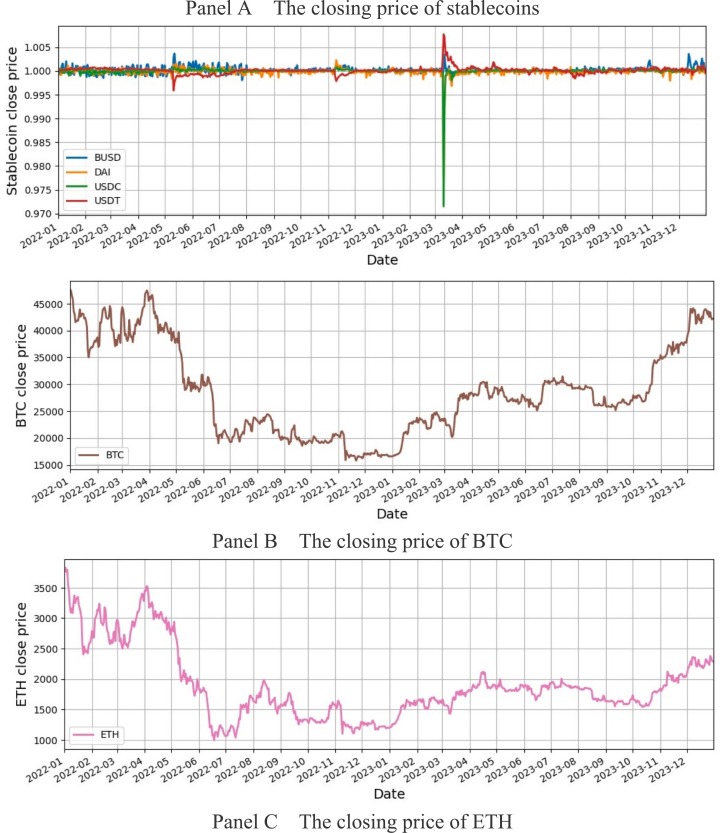
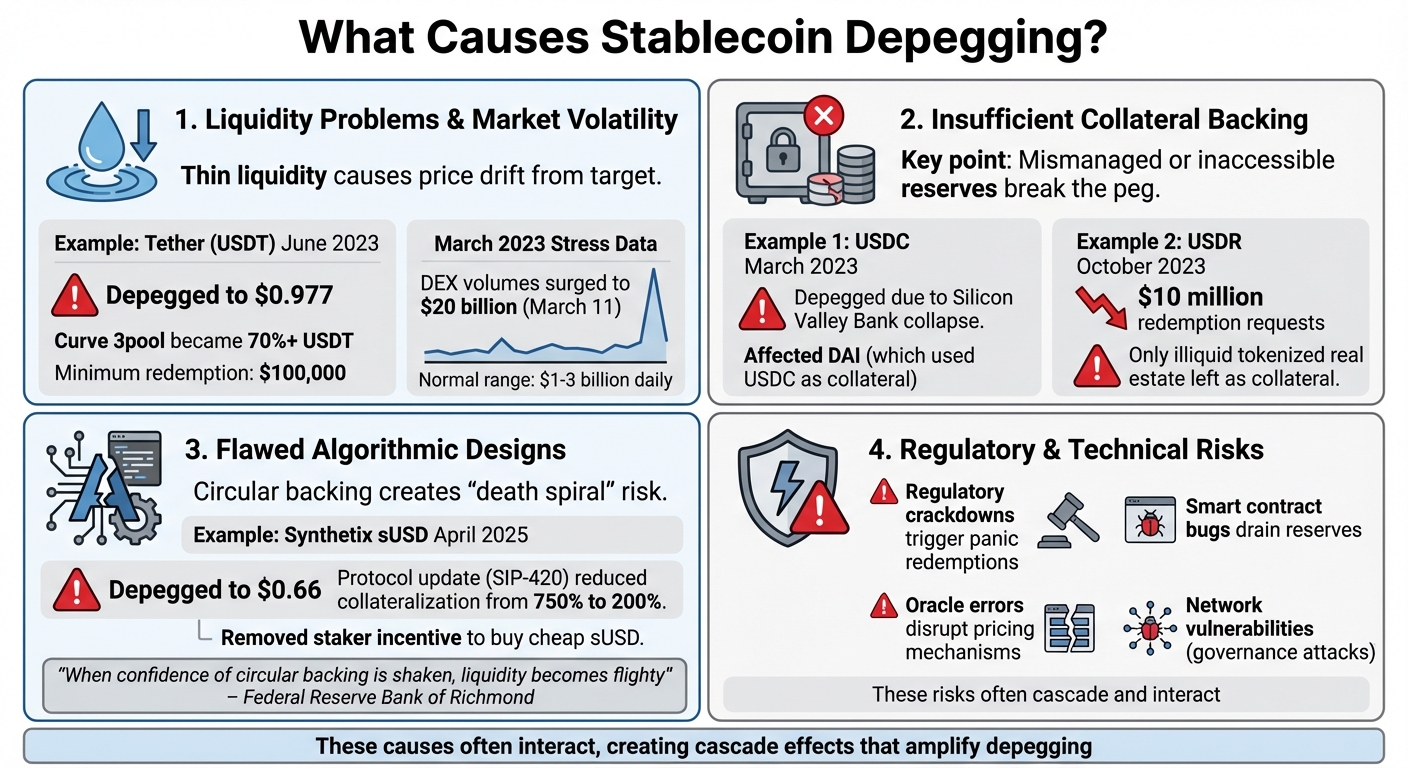
The Q1 volatility spike served as a stark reminder that stablecoins are not risk-free. A depeg occurs when an asset loses its 1:1 parity with the U.S. dollar, ranging from minor fluctuations to catastrophic collapses. Understanding how these events unfold is essential for protecting capital in 2026.
We selected the five assets to watch based on three concrete criteria: reserve transparency, regulatory compliance history, and exposure to algorithmic or complex yield strategies. Assets with opaque backing or reliance on volatile collateral carry the highest depeg risk. We prioritized those with verifiable, real-time reserves and clear audit trails.
5 Stablecoin Depegging Risk in 2026: Top 5 Assets to Watch After the Q1 Volatility Spike
Following the Q1 volatility spike, the stablecoin landscape in 2026 demands rigorous scrutiny of reserve transparency and regulatory compliance. This analysis isolates five specific assets with elevated depegging risks, prioritizing concrete evidence from official filings over abstract market sentiment.
1. USDC reserve composition and regulatory compliance
Circle’s USDC relies on a transparent reserve structure backed by short-term U.S. Treasuries and cash, offering a regulatory-friendly profile. Investors should monitor monthly attestation reports to verify asset backing. This approach minimizes counterparty risk compared to opaque private bank deposits, making it a safer haven during market turbulence. Keep an eye on regulatory shifts that could impact reserve management strategies.

2. USDT liquidity depth and audit transparency
Tether’s USDT dominates trading volume, providing essential liquidity but raising transparency concerns. Regular attestations by BDO offer some assurance, yet full audits remain elusive. Traders must weigh deep liquidity against potential opacity. Monitoring exchange reserves and withdrawal volumes helps gauge real-time stability. During volatility, high liquidity can mask underlying reserve stresses, requiring vigilant tracking of on-chain metrics.

3. DAI decentralized collateralization ratios
MakerDAO’s DAI uses a decentralized model with over-collateralized crypto assets, insulating it from traditional banking risks. However, volatility in Ethereum or BTC can trigger liquidations, threatening the peg. Users must monitor collateralization ratios and stability fees. While censorship-resistant, DAI’s complexity requires understanding smart contract risks. During market crashes, rapid deleveraging can strain the system, demanding careful risk management.

4. PYUSD institutional backing and custody
PayPal’s PYUSD offers familiar brand trust with regulated U.S. banking partnerships. Backed by cash and short-term Treasuries, it provides institutional-grade custody solutions. This structure reduces counterparty risk but introduces centralization concerns. Investors should review PayPal’s quarterly reserve reports. PYUSD’s integration with PayPal’s ecosystem enhances usability, though regulatory scrutiny remains a key factor for long-term stability.
5. GUSD fiat reserve verification reports
Gemini’s GUSD emphasizes strict regulatory compliance and monthly attestations by independent auditors. Backed 1:1 by U.S. dollars and cash equivalents, it appeals to compliance-focused users. While less liquid than USDT, GUSD’s transparency offers peace of mind. Investors should verify reserve reports regularly. Its smaller market cap means lower liquidity, potentially impacting trading efficiency during high volatility periods.
Pick the right fit
Choosing a stablecoin after the Q1 volatility spike requires moving beyond market cap. The goal is to identify assets that can maintain their peg under stress, not just during calm trading days. Use this framework to filter candidates based on transparency and liquidity.
Look for full collateralization with cash or short-term US Treasuries. Assets backed by commercial paper or unverified crypto collateral carry higher depeg risk. Fidelity’s FIDDSM, for example, operates on a 1:1 peg backed by cash and US Treasuries, offering a clear baseline for safety.
High market cap means little if you cannot exit a position without significant slippage. Prioritize assets with deep order books on major exchanges. USDT remains dominant for trading liquidity, ensuring you can enter and exit positions quickly during market turbulence.
Regular, independent attestations are non-negotiable. Assets that publish monthly reserves and smart contract audits allow you to verify claims. Avoid opaque algorithmic models that rely on complex mechanisms to maintain parity, as seen in the recent USDe depeg event.
| Asset | Collateral Type | Risk Level |
|---|---|---|
| USDT | Cash & Treasuries | Low |
| FIDDSM | Cash & Treasuries | Low |
| USDe | Crypto & Derivatives | High |


As an Amazon Associate, we may earn from qualifying purchases.
A depeg is any sustained deviation from the $1.00 reference price. Small fluctuations are common, but catastrophic drops can wipe out billions in minutes. By focusing on transparent reserves and deep liquidity, you can mitigate the risk of holding assets that fail to hold their value.
No comments yet. Be the first to share your thoughts!