Verify the peg mechanism type
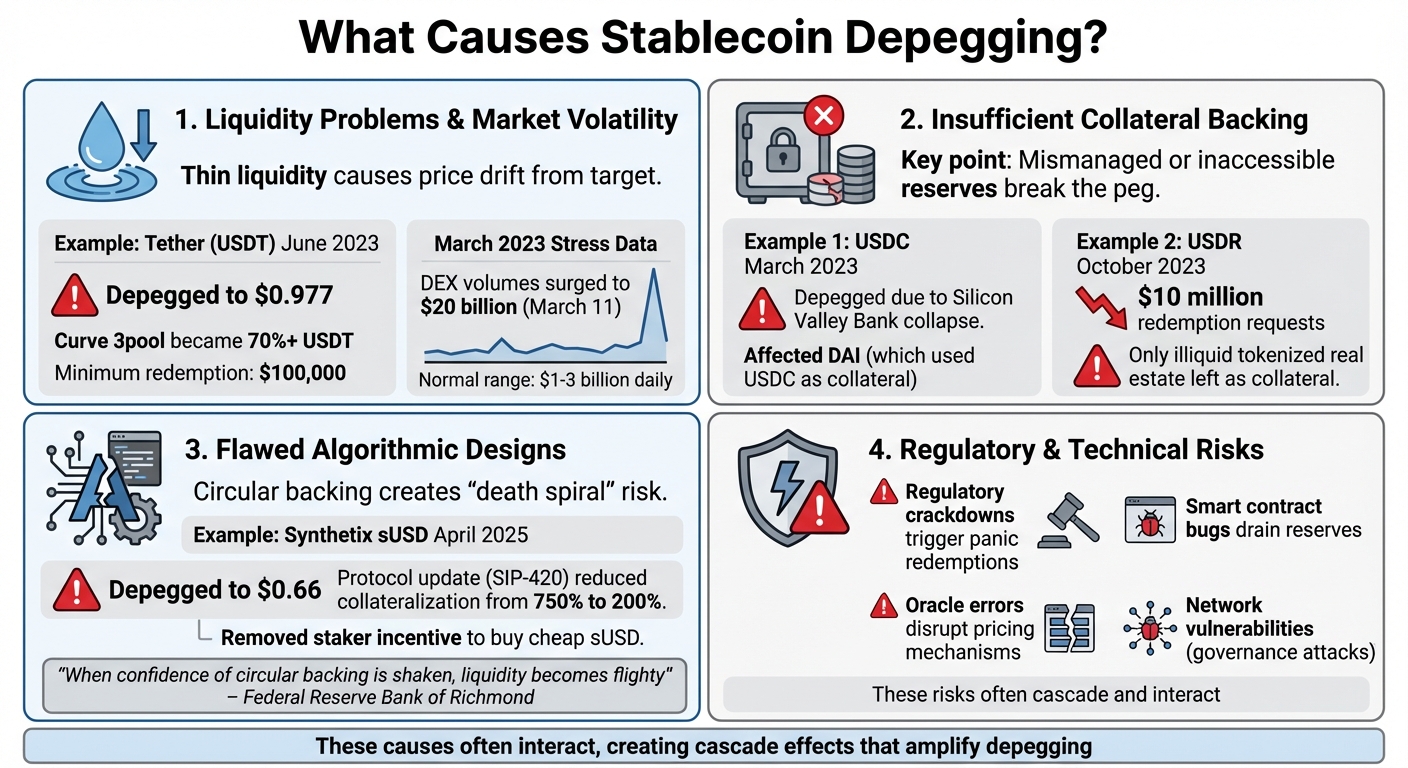
Before assessing any stablecoin, you must first identify its backing mechanism. The design of the peg determines the inherent fragility of the asset. Stablecoins generally fall into three categories: fiat-backed, crypto-collateralized, and algorithmic. Understanding which category a coin belongs to is the first step in a depeg risk assessment.
Fiat-Backed Stablecoins
Fiat-backed stablecoins are pegged to a traditional currency, usually the U.S. dollar. The issuer holds reserves of cash or short-term government bonds in a bank account to match the circulating supply. This model is the most straightforward but relies entirely on the transparency and solvency of the issuing entity. If the reserves are insufficient or frozen, the peg breaks.
Crypto-Collateralized Stablecoins
These coins are backed by other cryptocurrencies, such as Ethereum. Because crypto assets are volatile, these stablecoins must be over-collateralized—meaning the value of the locked crypto exceeds the value of the stablecoin issued. This adds a layer of security but introduces complexity. If the value of the collateral drops too quickly, liquidation mechanisms may fail, leading to a depeg.
Algorithmic Stablecoins
Algorithmic stablecoins do not hold significant reserves. Instead, they use smart contracts and market incentives to maintain the peg. This is the most fragile model. When market confidence wavers, the algorithmic mechanisms often fail to absorb selling pressure, leading to rapid and severe depegging events.
| Mechanism | Backing Asset | Inherent Risk | Common Example |
|---|---|---|---|
| Fiat-Backed | Cash/Treasuries | Low (Issuer Risk) | USDT, USDC |
| Crypto-Collateralized | Other Crypto | Medium (Volatility) | DAI |
| Algorithmic | Smart Contracts | High (Systemic) | UST (historical) |
Check reserve transparency reports
Verifying that a stablecoin’s reserves actually exist is the most critical step in assessing depeg risk. Without proof of liquidity, a token’s peg is merely a promise. You need to locate the most recent attestation or audit report to confirm that the issuer holds sufficient assets to back every circulating token.
Start by visiting the stablecoin issuer’s official website. Look for a dedicated section labeled "Transparency," "Reserves," or "Audits." Avoid third-party aggregators that may host outdated links. The issuer is legally responsible for publishing these documents, so their primary domain is the only authoritative source.
Find the most recent report, dated within the last 30 to 90 days. Stablecoin reserves change daily, so an old report is useless for current risk assessment. Look for a "Limited Assurance" attestation from a certified public accounting (CPA) firm or a full "Reasonable Assurance" audit. The report should explicitly state the date of the snapshot and the total value of assets held.
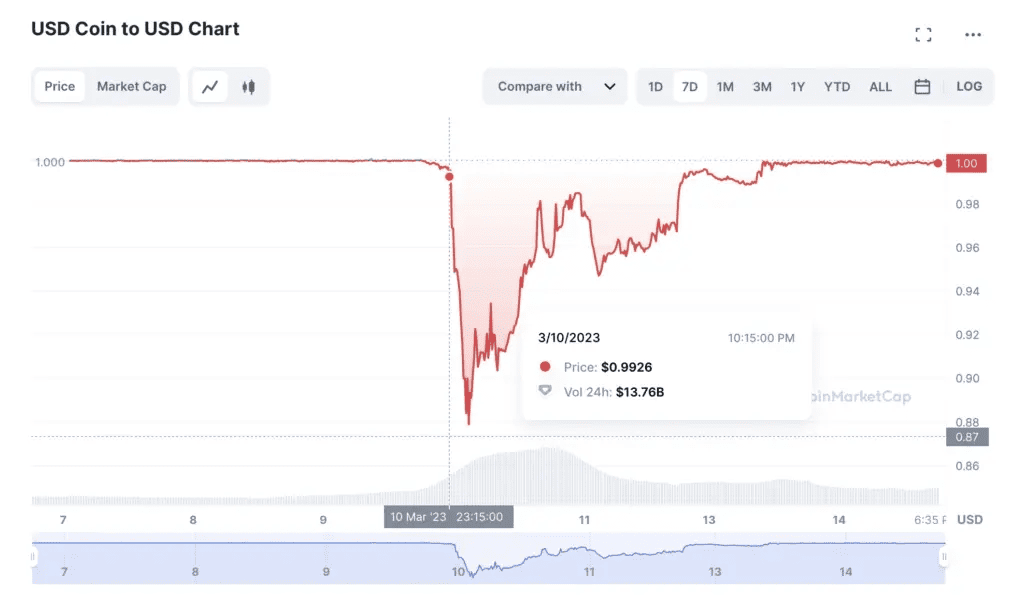
Check who performed the review. Reputable reports come from established firms like Deloitte, PwC, or specialized crypto auditors with a clean regulatory track record. If the issuer uses an unknown or newly formed firm, treat the results with skepticism. The auditor must be independent; they cannot be affiliated with the stablecoin issuer.
Once you have the report, focus on the asset composition. A healthy reserve consists primarily of cash and short-term U.S. Treasury bills. Be wary of reports that include significant portions of commercial paper, private equity, or other illiquid assets. These assets cannot be quickly converted to cash during a bank run, which is exactly when you need liquidity the most. If the report mentions any "qualified opinions" or exceptions, the reserves are not fully verified, and the depeg risk is significantly higher.
Monitor on-chain liquidity depth
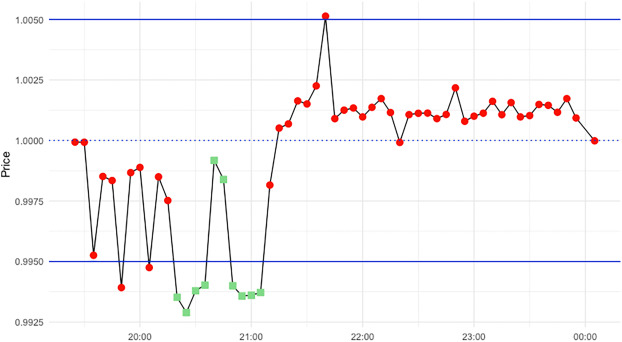
When market volatility spikes, a stablecoin’s peg holds only if there is enough liquidity to absorb sell orders. Without sufficient depth, even small redemptions can push the price below $1.00, triggering a depeg event. You can spot this vulnerability by checking the liquidity pools on decentralized exchanges (DEXs) and reviewing on-chain data.
Check DEX pool depth
Navigate to the primary decentralized exchange where the stablecoin trades (e.g., Uniswap, Curve, or PancakeSwap). Locate the trading pair for the stablecoin against a major asset like USDC or ETH. Look for the "Total Liquidity" or "TVL" (Total Value Locked) metric. A healthy stablecoin typically has deep pools relative to its market cap. If the pool is shallow, a single large sell-off can drain the reserves, causing the price to crash.
Go to a DEX aggregator like DeFiLlama or the specific DEX interface. Search for the stablecoin in question. Identify the pool with the highest trading volume and liquidity. This is your primary reference point for assessing market depth.
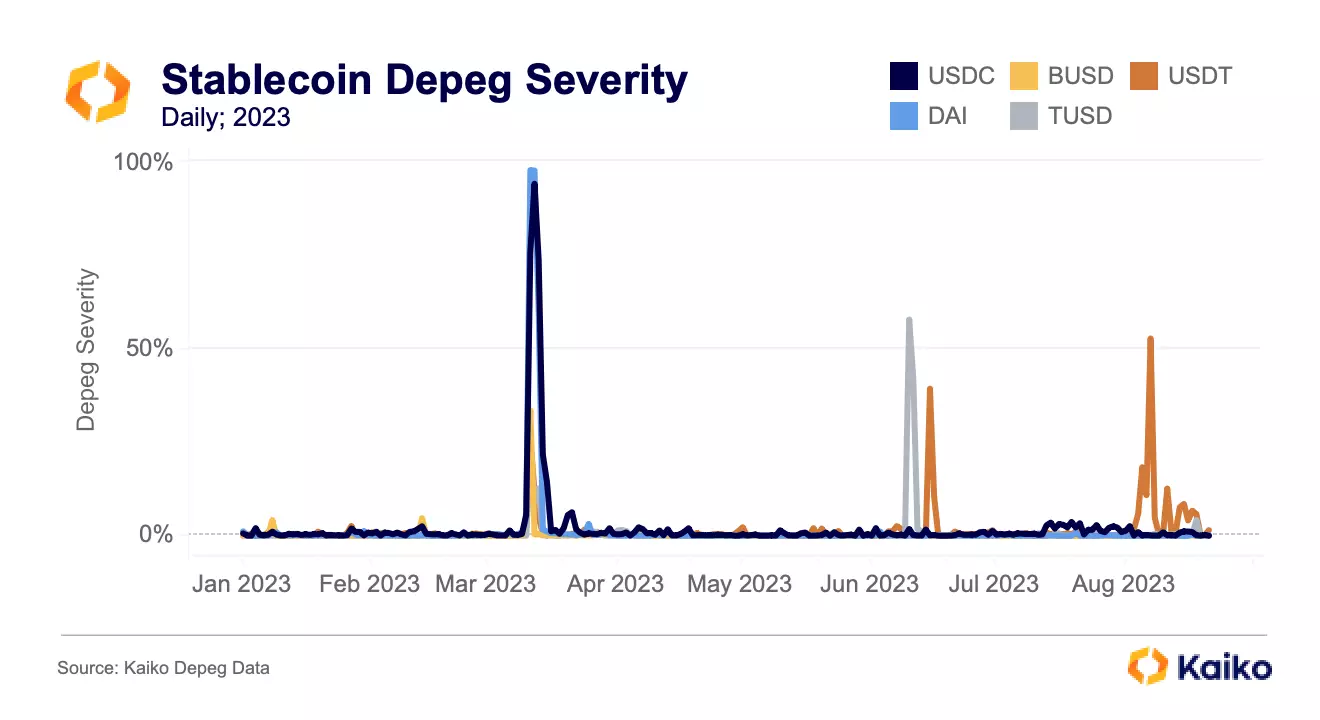
Compare the total value locked in the pool to the stablecoin’s circulating market cap. A low ratio (e.g., less than 10%) suggests the asset is vulnerable to manipulation or panic selling. High liquidity relative to market cap indicates the coin can absorb significant sell pressure without breaking the peg.
Use a blockchain explorer or analytics platform to view liquidity changes over the past 30 days. A sudden drop in liquidity often precedes a depeg event. If you see reserves draining while the price remains stable, it may be a sign of impending trouble.
Assess on-chain reserve transparency
Beyond DEX pools, check the stablecoin’s on-chain reserves. Many stablecoins publish their reserve data or allow you to view the contract balance directly. If the stablecoin is fully backed, the on-chain reserves should match or exceed the circulating supply. Mismatches between reserves and supply are a major red flag.
Research indicates that common factors in depegging events often share a single dominant component, such as liquidity crunches or reserve discrepancies [[src-serp-4]]. By monitoring these metrics, you can identify risks before they become public crises. Always prioritize official sources or primary on-chain data over third-party estimates.
Use analytics dashboards for real-time alerts
Set up alerts on platforms like DeFiLlama, Dune Analytics, or Nansen. These tools can notify you of significant changes in liquidity depth or reserve balances. Real-time monitoring allows you to react quickly if a stablecoin shows signs of stress. For example, if a pool’s liquidity drops by more than 20% in a few hours, it may be worth exiting the position.
By consistently monitoring on-chain liquidity depth, you gain a clear view of a stablecoin’s resilience. This proactive approach helps you avoid assets that are prone to depegging during market turbulence.
Review regulatory compliance status
In 2026, regulatory frameworks like the US Stablecoin Act and the EU’s MiCA regulation dictate whether a stablecoin retains its peg. Non-compliant assets face immediate legal scrutiny, which often triggers rapid liquidity withdrawal and depegging events. You must verify that the issuer is operating within the specific jurisdictional rules that govern its reserve assets.
Start by identifying the primary regulator overseeing the stablecoin. If the issuer is US-based, check for registration under the proposed Stablecoin Act or compliance with existing banking laws. For European assets, confirm adherence to MiCA’s strict reserve requirements and audit standards. Assets lacking clear regulatory oversight are significantly more prone to sudden depegging due to legal uncertainty.
Check the issuer’s public disclosures for recent regulatory filings or enforcement actions. A compliant stablecoin will have transparent reports detailing its reserve composition and regulatory audits. If you cannot find clear, official documentation from a recognized regulatory body, treat the asset as high-risk. Regulatory gaps are often the first sign of potential instability.
High StakesRegulatory changes can instantly devalue non-compliant assets. Prioritize stablecoins that have proactively aligned with current legal standards, as these are better positioned to maintain their peg during market stress.
Run a final pre-trade checklist
Before committing funds to any stablecoin position, consolidate your findings into a single verification step. This pre-trade checklist acts as a final safety net, ensuring that the asset you are about to hold meets your risk tolerance and that all previous red flags have been addressed.
The process is straightforward: review the reserve proofs, confirm the oracle feeds are live, and check the current market spread against the $1.00 peg. If any item on this list remains unresolved, pause the trade. As noted by the Bank Policy Institute, the consequences of ignoring these warning signs can lead to significant losses for retail holders [[src-serp-1]].

-
Verify the issuer has published a recent, attested reserve report
-
Check that the stablecoin is trading within 0.1% of the peg on your exchange
-
Confirm the oracle price feed is active and not stale
-
Ensure the smart contract has been audited by a reputable firm within the last 12 months
Only proceed when every item is green. This discipline protects your capital from the sudden liquidity crunches that often precede a depeg event.
Frequently asked questions about stablecoin risks
What happens when a stablecoin depegs?
Depegging occurs when a stablecoin loses its peg to the reference asset, such as the US dollar. This event undermines the trust and utility that stablecoins are designed to provide, impacting financial outcomes for both users and issuers. Traders may face significant liquidity constraints and price volatility during these events.
What is the best stablecoin in 2026?
USDT remains the most dominant stablecoin for trading liquidity in 2026. While other assets compete for market share, USDT continues to hold the primary position for volume and exchange support, making it a common choice for high-frequency trading despite regulatory scrutiny.
How do I spot a depegged stablecoin early?
Monitor real-time trading data for price deviations from the $1.00 benchmark. Look for sudden drops in liquidity or unusual volume spikes on decentralized exchanges. Official regulatory updates and issuer transparency reports also provide early warnings about potential solvency or design issues.
No comments yet. Be the first to share your thoughts!