
Recognize early depeg warning signs
A stablecoin’s peg is a promise of liquidity, not just a price target. When that promise frays, the market reacts before the official reserves are audited. You can spot the initial cracks by watching specific on-chain and market behaviors that precede a total collapse.
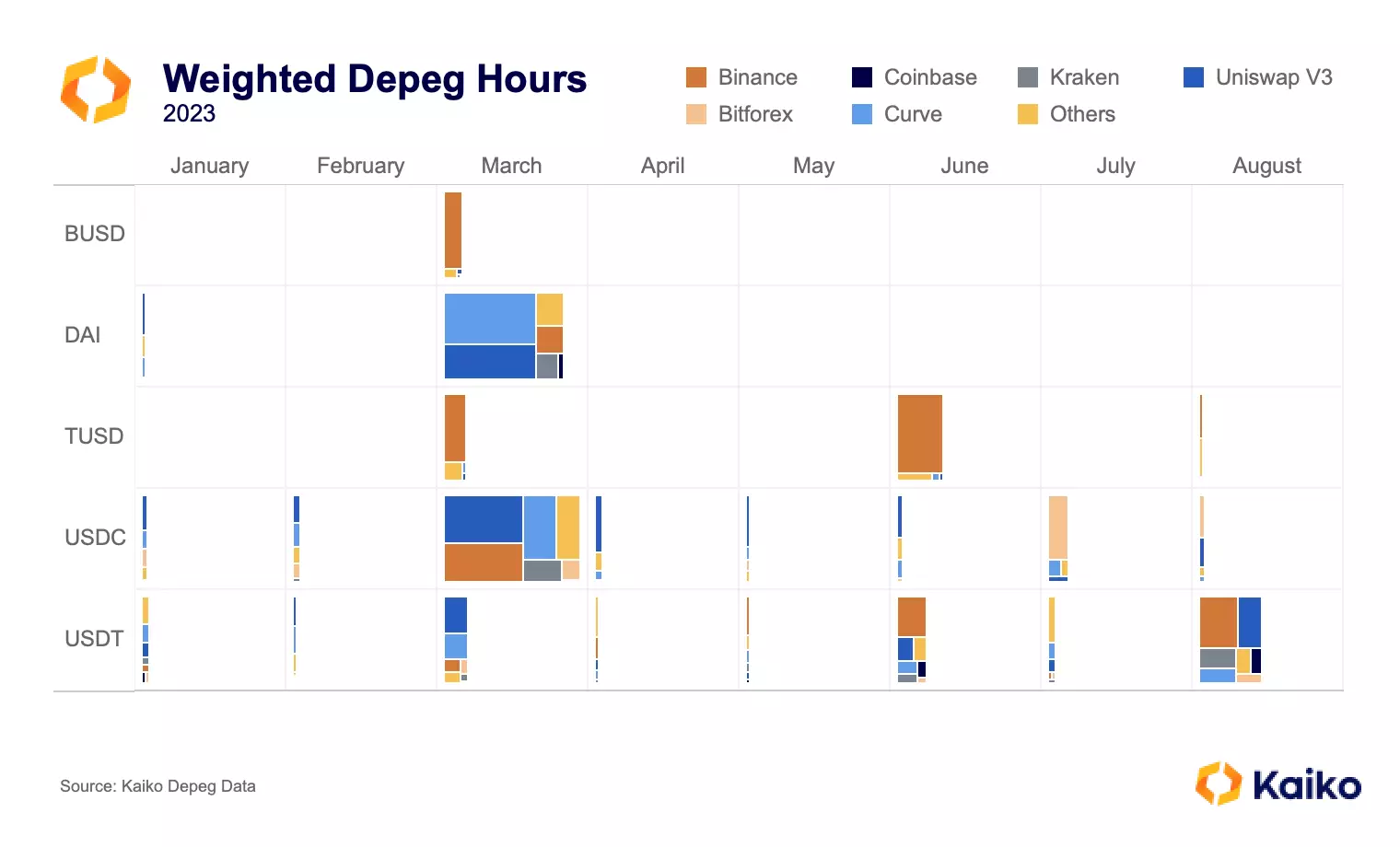
The most immediate signal is a sustained deviation from the $1.00 mark. While minor fluctuations are normal, a stablecoin trading consistently below $0.99 for more than a few hours indicates selling pressure that reserves cannot absorb. This spread widens rapidly when large holders (whales) begin to exit positions.
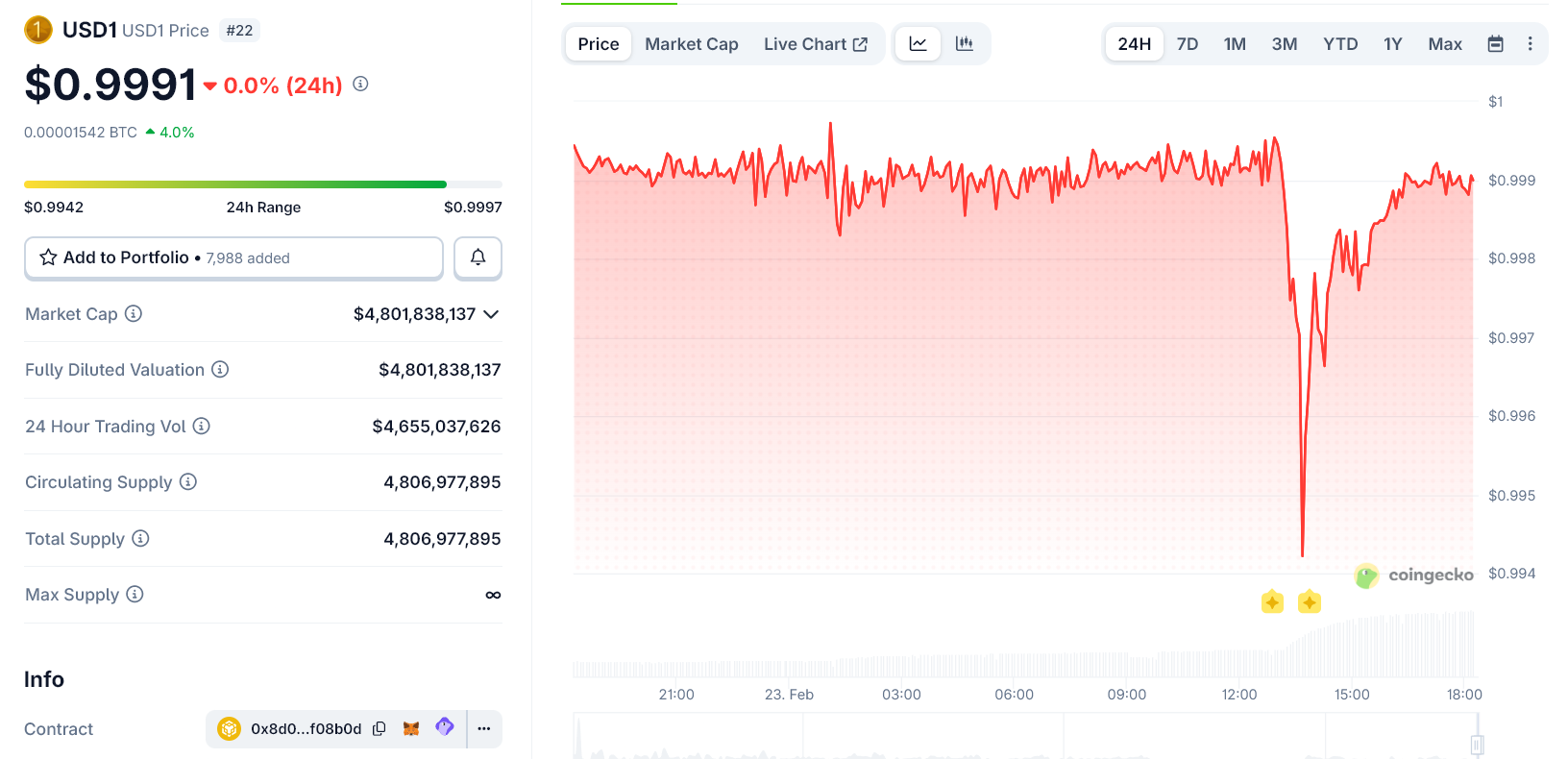
A sudden surge in redemption requests often precedes a depeg. If users are converting their stablecoin back to fiat or major cryptocurrencies at an unusual rate, it suggests a loss of confidence in the issuer’s ability to maintain the peg. Check the protocol’s official dashboard for real-time redemption metrics.
Sudden delays in publishing monthly attestation reports or reserve breakdowns are a major red flag. As noted by the Bank Policy Institute, transparency is the primary defense against depegging events. If an issuer goes silent or changes its auditing firm without clear explanation, assume the worst-case scenario for your capital.
Low liquidity in decentralized exchanges (DEXs) means smaller sell orders can crash the price. Use a block explorer to check the depth of the stablecoin’s liquidity pools. If the depth is thin, even a moderate sell-off can cause a sharp, temporary depeg that may turn permanent if panic sets in.
These signs rarely appear in isolation. When you see a widening price spread combined with rising redemption volumes and opaque reserve data, the risk of a total depeg is high. In 2026, regulatory frameworks like the GENIUS Act aim to mitigate these risks by mandating full backing, but vigilance remains your best protection.
Verify reserve backing and audits
A stablecoin is only as safe as the assets it claims to hold. Before trusting a token with your capital, you must confirm that its reserves are real, liquid, and audited. The GENIUS Act, set to implement regulations in 2026, will require stablecoin issuers to maintain high-quality liquid assets to protect users. Until then, manual verification is your only shield against hidden insolvency.
Start by checking the issuer’s transparency reports. Reputable issuers publish monthly or quarterly attestations from independent accounting firms. These reports should list the exact composition of reserves—cash, Treasury bills, or commercial paper. If a report is missing, outdated, or vague, treat the asset as high-risk. You can view recent proposed rules and compliance frameworks on the Federal Register to understand what standards are coming.
Next, verify the quality of the underlying assets. Not all reserves are created equal. A stablecoin backed by short-term U.S. Treasuries is far safer than one backed by corporate debt or real estate. Look for "high-quality liquid assets" (HQLA) definitions in the issuer’s whitepaper. If the reserves include illiquid assets that cannot be sold quickly during a panic, the token is vulnerable to depegging.
Use this checklist to confirm reserve backing before you invest:
-
Check for a recent (within 30 days) attestation report from a Big Four or reputable accounting firm.
-
Verify that reserves are held in segregated accounts, not commingled with the issuer’s operating funds.
-
Confirm that at least 90% of reserves are in cash or short-term U.S. Treasuries.
-
Ensure the issuer has a clear redemption mechanism for users to convert tokens back to fiat.
-
Review the issuer’s legal structure to see if they are a regulated bank or a non-bank entity.
Execute emergency exit strategies
When a stablecoin or pegged asset breaks its link to the underlying value, speed and discipline matter more than analysis. You are no longer trading; you are managing risk. The goal is to exit the position before liquidity dries up or regulatory interventions freeze your funds.
The following steps outline a safe, ordered process for exiting a depegged asset. These actions are designed to minimize slippage and protect your remaining capital.
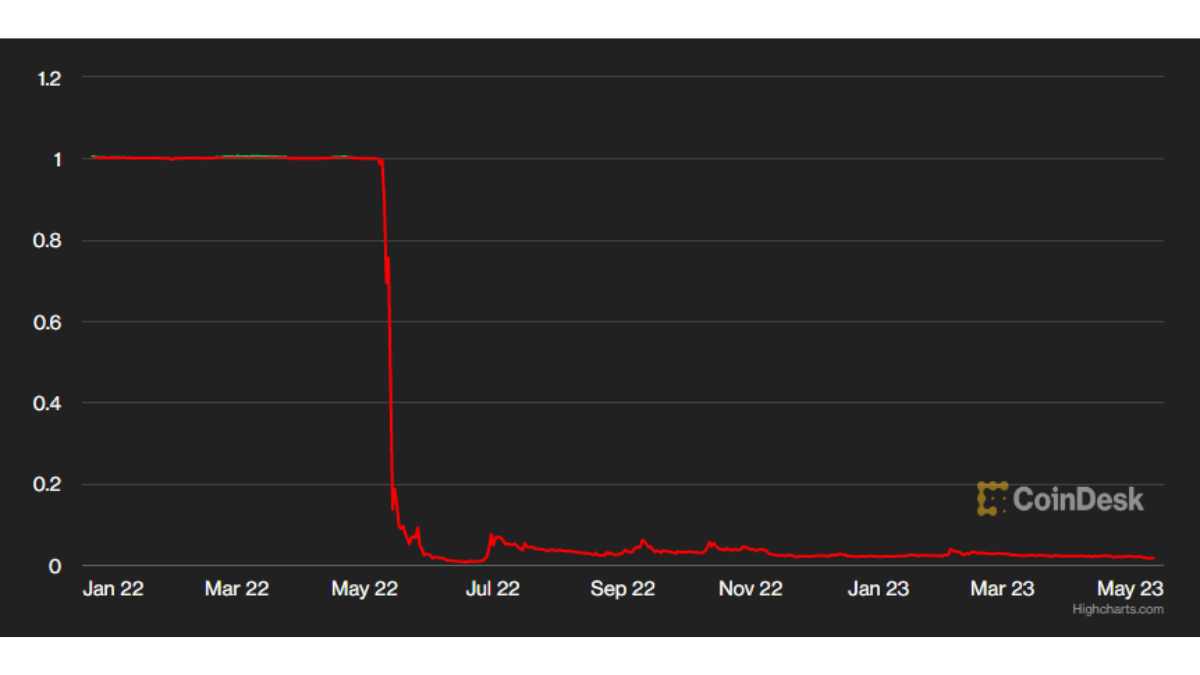
Before you sell, confirm the depeg is real and not a temporary exchange glitch. Check multiple independent sources: official project announcements, on-chain explorers, and reputable market data aggregators. If the asset is a stablecoin, verify if the issuer has halted redemptions or if the peg loss is due to a broader market event. Do not rely solely on a single exchange’s price display, which may be manipulated or lagging.

Log into every exchange and wallet where you hold the asset. Immediately cancel any limit orders, stop-losses, or recurring buy/sell plans. In a volatile depeg event, automated orders can execute at disastrous prices or fail to trigger, leaving you exposed. Ensure your account is in a neutral state so you can make manual, deliberate decisions about your exit.
If the issuer is still operational and allowing redemptions, use the official redemption portal to convert your holdings back to the base currency (e.g., USD). This is often the safest route, as it bypasses exchange liquidity risks. Check the issuer’s official documentation or the GENIUS Act compliance guidelines if applicable to understand your rights and the redemption timeline. If redemptions are paused, skip to the next step.
If redemption is not an option, sell the asset on the exchange or decentralized pool with the highest trading volume and tightest spreads. Avoid low-liquidity venues where your sell order could crash the price further. Use market orders only if the situation is critical; otherwise, use limit orders slightly below the current market price to ensure execution without excessive slippage. Be aware that trading fees may be higher during extreme volatility.
Once you have sold, move your proceeds immediately to a trusted, highly liquid stablecoin or fiat currency. Do not leave funds in volatile altcoins or the same ecosystem that experienced the depeg. Consider moving assets to a cold wallet or a regulated fiat account if the risk of exchange failure is high. This step locks in your losses and prevents further exposure to the collapsing asset.


As an Amazon Associate, we may earn from qualifying purchases.
Assess regulatory impact on holdings
The 2026 regulatory environment creates a sharp divide between compliant stablecoins and algorithmic assets that previously relied on market faith. With the GENIUS Act (Guiding and Establishing National Innovation for US Stablecoins Act) setting the framework, the Federal Register has proposed rules that specifically target national banks and qualified stablecoin issuers [[src-serp-4]]. This shift means that assets lacking full, transparent backing are no longer just risky—they are legally exposed.
Check your holdings against the new compliance criteria. Assets that were previously "depegged" due to liquidity crunches may find a path to recovery if they can demonstrate full reserve backing under the new GENIUS Act standards. Conversely, algorithmic stablecoins that failed to maintain their peg during the 2024-2025 volatility will likely face stricter scrutiny or delisting from regulated exchanges [[src-serp-2]].
Regulatory clarity in 2026 favors fully backed stablecoins over algorithmic ones.
Review legal updates from major firms like Gibson Dunn to see how recent court rulings affect tokenized assets [[src-serp-3]]. If your asset is not listed as a "qualified payment stablecoin" under the proposed subpart C, assume it carries higher regulatory risk and consider reducing exposure.
Frequently asked questions about depegging
What happens when a stablecoin depegs?
A depeg occurs when a stable asset’s value strays significantly from its linked benchmark, usually the US dollar. This divergence typically stems from liquidity crunches, unfavorable market conditions, or sudden regulatory pressure. When the peg breaks, the asset trades at a discount, forcing holders to decide whether to exit at a loss or wait for a potential recovery.
Has USDC ever lost its peg?
Yes. USD Coin (USDC) briefly depegged from the dollar on March 11, 2023, following the collapse of Silicon Valley Bank, which held a significant portion of Circle’s reserves. The asset traded below $0.90 before stabilizing once Circle clarified its liquidity position. This event highlighted the critical link between traditional banking infrastructure and stablecoin solvency.
Can stablecoins ever fully recover their peg?
Recovery depends on the issuer’s ability to restore confidence and liquidity. In some cases, like the USDC incident above, the peg holds or returns quickly. In others, such as algorithmic stablecoins, a depeg can lead to a permanent loss of value if the backing assets are insufficient or if the mechanism fails under stress. Always verify the reserve composition before holding.
How does the GENIUS Act affect depegging risk?
The proposed GENIUS Act mandates that stablecoins be fully backed by safe and liquid assets and remain redeemable at par. This regulatory framework aims to reduce redemption risk and depegging events by enforcing stricter reserve requirements. While not yet law, it signals a shift toward treating stablecoins more like traditional payment instruments with higher compliance standards.
No comments yet. Be the first to share your thoughts!