Assess your current USDT exposure
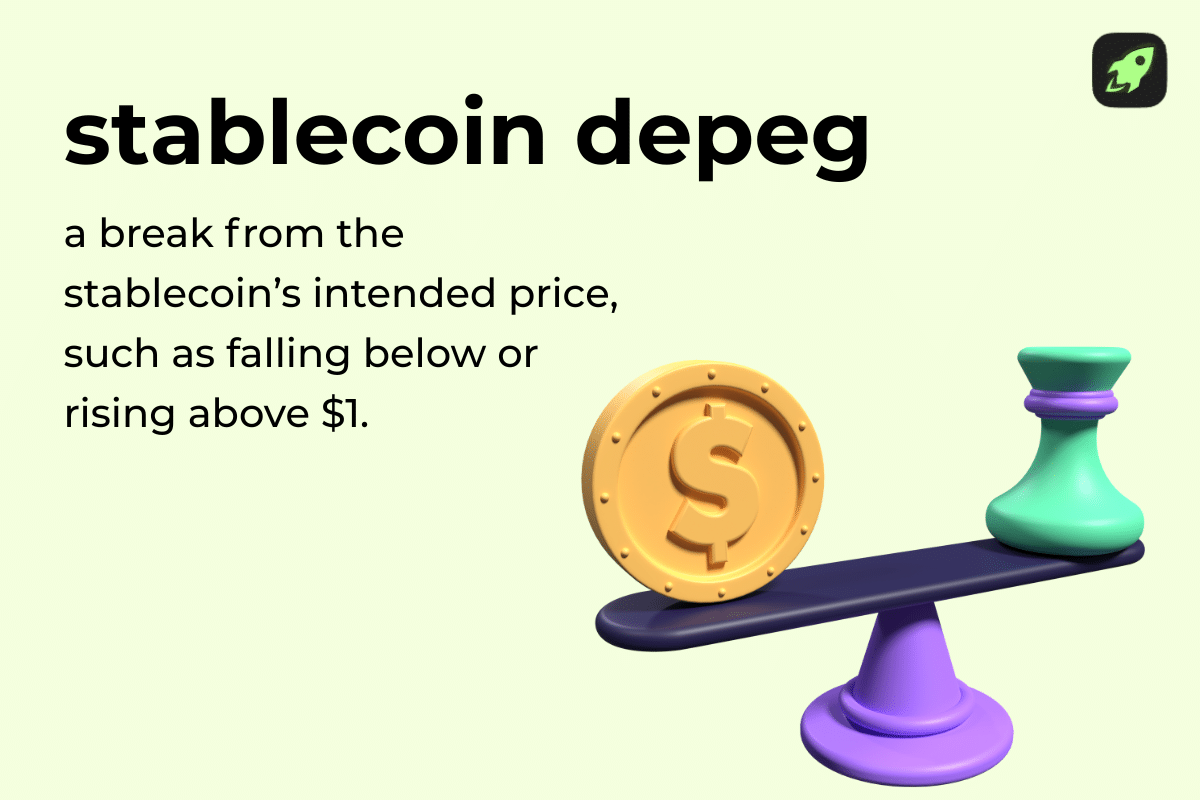
Before you can protect your capital, you need to know exactly how much of it is tied to Tether (USDT) right now. A depegging event is any instance where a stablecoin’s value deviates from its reference asset, meaning your holdings could trade significantly lower than $1.00 during market shocks or regulatory shifts. To quantify this risk, you must audit every wallet and exchange account where USDT resides.
Start by listing all platforms where you hold USDT. This includes centralized exchanges like Binance or Kraken, as well as self-custody wallets such as MetaMask or Trust Wallet. Do not rely on a single summary view; check the actual balance on each platform individually. Some exchanges may have restricted USDT trading pairs or removed them entirely due to regulations like MiCA, which could affect your ability to move funds quickly.
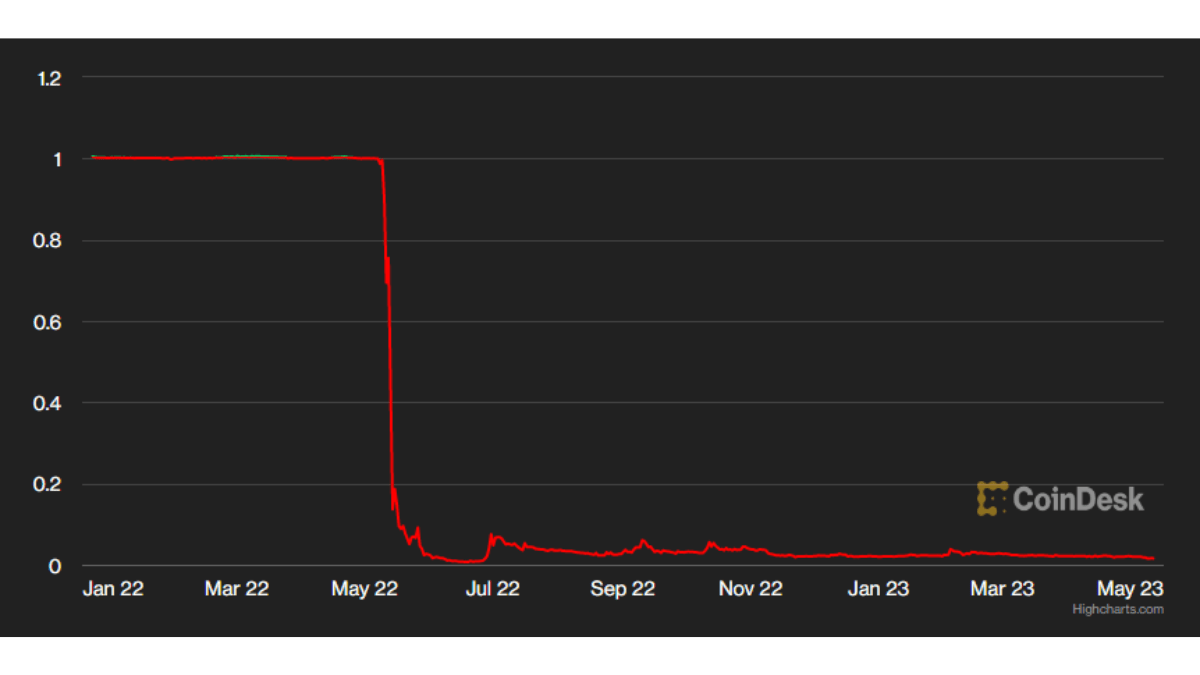
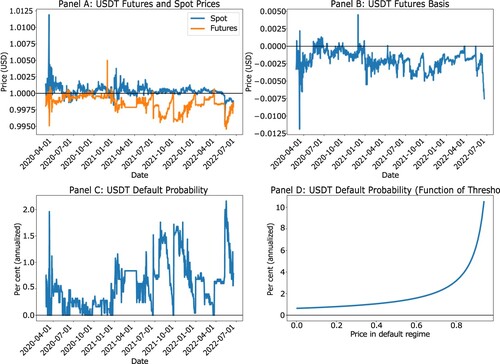
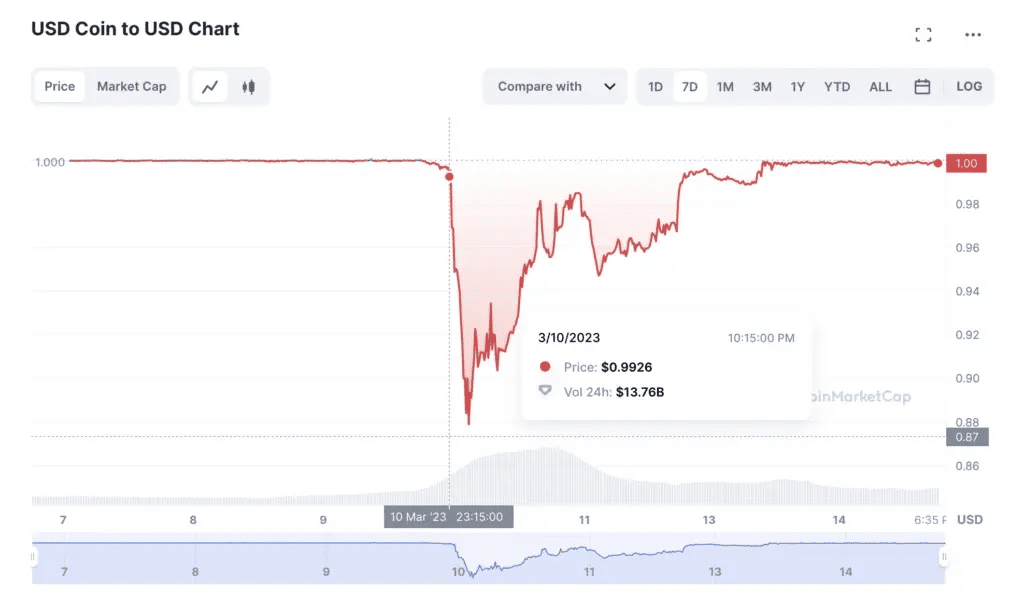
Next, verify the status of your USDT. Use a live price widget to see the current USDT/USD rate. If the price is consistently below $0.99, your exposure is already under stress. Note that temporary fluctuations are common, but a sustained drop signals deeper liquidity or trust issues.
Diversify into regulated stablecoins
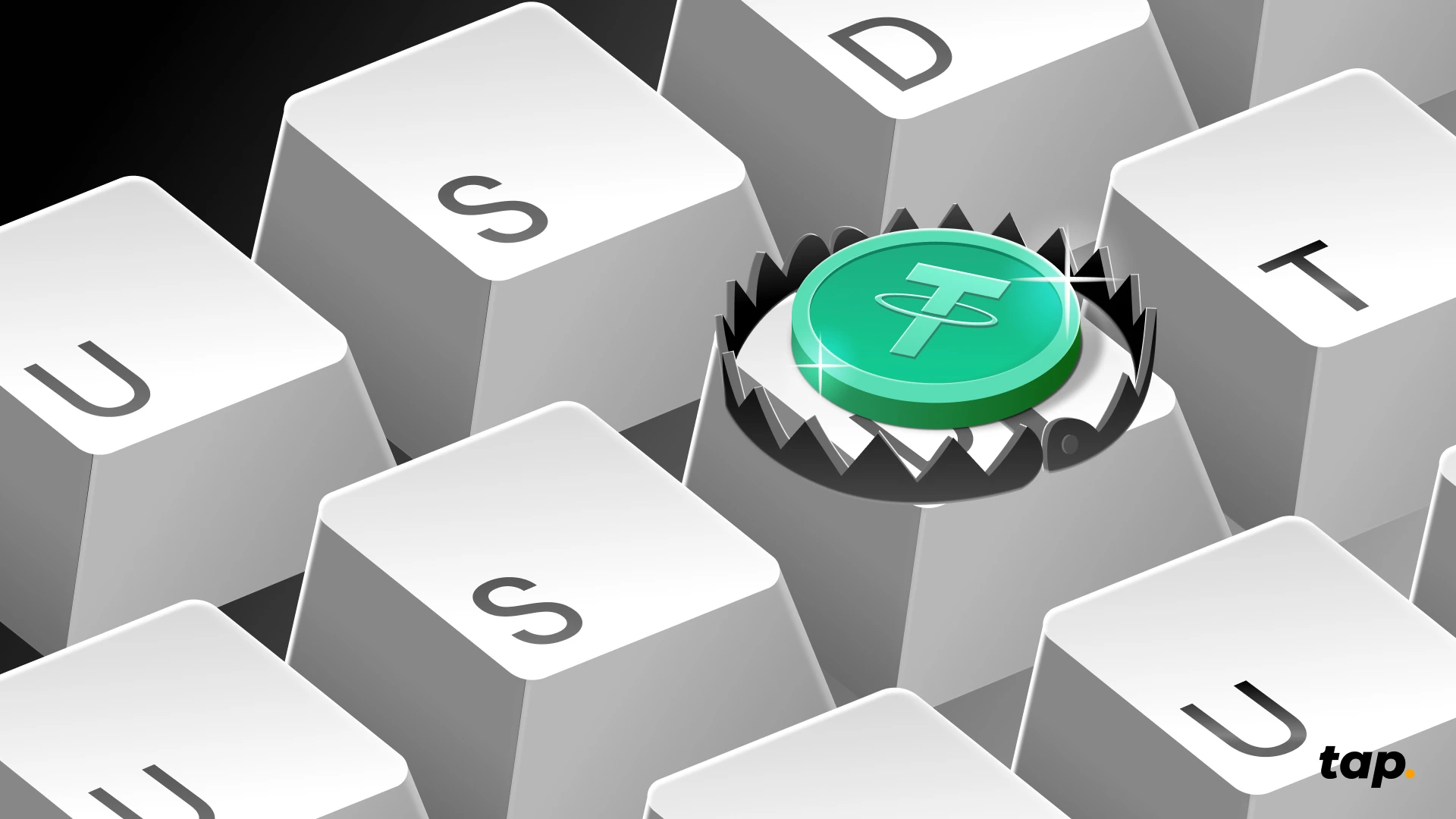
Relying on a single issuer concentrates risk. Even large reserves do not eliminate the possibility of a liquidity freeze, regulatory action, or a sudden depeg event. Shifting capital to jurisdictionally compliant stablecoins like USDC or EURC reduces exposure to single-issuer failure.
The 2026 market volatility highlighted that tokenomics alone are insufficient. Experts note that stablecoins often resemble hedge funds more than money market funds, making them vulnerable to sudden liquidity crises. Diversification across regulated issuers provides a structural buffer against these specific failures.
| Feature | USDT | USDC | EURC |
|---|---|---|---|
| Primary Reserve | US Treasuries & Commercial Paper | US Treasuries & Cash | Euro Gov Bonds & Cash |
| Issuer | Tether Holdings | Circle | Circle |
| Regulatory Status | Unregulated (BVI) | US Compliant (NYDFS) | MiCA Compliant (EEA) |
| Audit Frequency | Quarterly (Limited) | Monthly (Big 4) | Monthly (Big 4) |
Review your wallet and exchange balances. Identify how much capital is held in USDT versus regulated alternatives like USDC or EURC. Note any exposure to smaller, unregulated issuers.
Choose stablecoins that meet your local regulatory requirements. USDC is suitable for US-based investors due to NYDFS oversight. EURC offers MiCA compliance for European Economic Area (EEA) residents, providing legal clarity on reserve backing.
Transfer funds from unregulated issuers to your chosen compliant stablecoin. Use on-chain bridges or centralized exchanges to move capital. Verify the receiving address and network to avoid loss.
Regularly review monthly attestation reports from Circle or other compliant issuers. Ensure reserves remain fully backed and audited by independent firms. Adjust your allocation if regulatory status changes.
This approach does not eliminate market risk, but it isolates you from issuer-specific failures. By spreading capital across regulated entities, you ensure that a problem at one issuer does not wipe out your entire stablecoin position.
Monitor Tether reserve attestations
Tether publishes quarterly attestation reports to verify that its reserves back the circulating supply of USDT. These documents are your first line of defense against depeg risk, but they are not audits. They provide a snapshot of asset composition rather than a guarantee of liquidity or solvency.
To stay ahead of potential liquidity crises, you need to read these reports critically. Focus on the quality of the assets listed, particularly the proportion of cash versus short-term US Treasury bills. While T-bills are low-risk, a heavy reliance on them can still leave the protocol vulnerable during sudden market shocks.
1. Locate the latest report
Go to Tether’s official transparency page. Look for the most recent attestation PDF. Ensure the date is current; stale reports do not reflect real-time reserve health. Bookmark the direct link to the PDF for easy access.
2. Check the total reserves
Compare the total value of reserves against the total circulating supply of USDT. The reserves should equal or exceed the circulating supply. If there is a deficit, the peg is already under stress. Note any discrepancies between the attestation value and market data from reliable exchanges.
3. Analyze asset composition
Look at the breakdown of assets. Tether typically holds cash, cash equivalents, and short-term deposits. Be wary of any non-standard assets or complex financial instruments. A healthy ratio favors liquid assets that can be converted to cash quickly without significant loss in value.
4. Review the auditor’s opinion
Read the auditor’s conclusion. Look for any qualifications or exceptions in their report. A clean opinion is standard, but any notes about scope limitations or specific asset concerns are red flags. If the auditor’s opinion is qualified, treat the report with extreme caution.
5. Track changes over time
Compare the current report with previous quarters. Look for trends in reserve composition. A sudden increase in risky assets or a decrease in cash reserves is a warning sign. Consistency in reserve quality is key to maintaining the peg.
6. Set up alerts for updates
Subscribe to Tether’s official announcements or use a reliable stablecoin tracking service. Set up alerts for new attestation releases. This ensures you receive the data as soon as it is available, allowing you to react quickly to any changes.
7. Cross-reference with market data
Monitor USDT’s trading price on major exchanges. If the price deviates significantly from $1.00, it may indicate market concerns about reserves. Combine this market data with the attestation reports for a complete picture of USDT’s health.
Visit Tether’s official transparency portal and download the latest quarterly attestation PDF. Do not rely on third-party summaries; read the primary document directly to verify the data yourself.
Compare the total reserve value listed in the report against the current circulating supply of USDT. Ensure the reserves fully cover the outstanding tokens. A deficit here is a critical red flag for depeg risk.
Examine the breakdown of assets. Look for the percentage held in cash and short-term US Treasury bills. Be cautious of any complex or illiquid assets that could hinder quick conversion during a crisis.
Set up depeg alerts and liquidity checks
Real-time monitoring is your first line of defense against USDT depeg risk. When liquidity dries up or price deviations occur, you need immediate visibility to adjust your positions before broader market contagion sets in.
Configure price deviation alerts
Set up automated alerts for USDT/USD deviations. Most major exchanges allow you to set price thresholds; configure these to trigger notifications if USDT drops below $0.99 or rises above $1.01. This narrow band captures early signs of stress before they become violent depegging events.
Monitor exchange liquidity depth
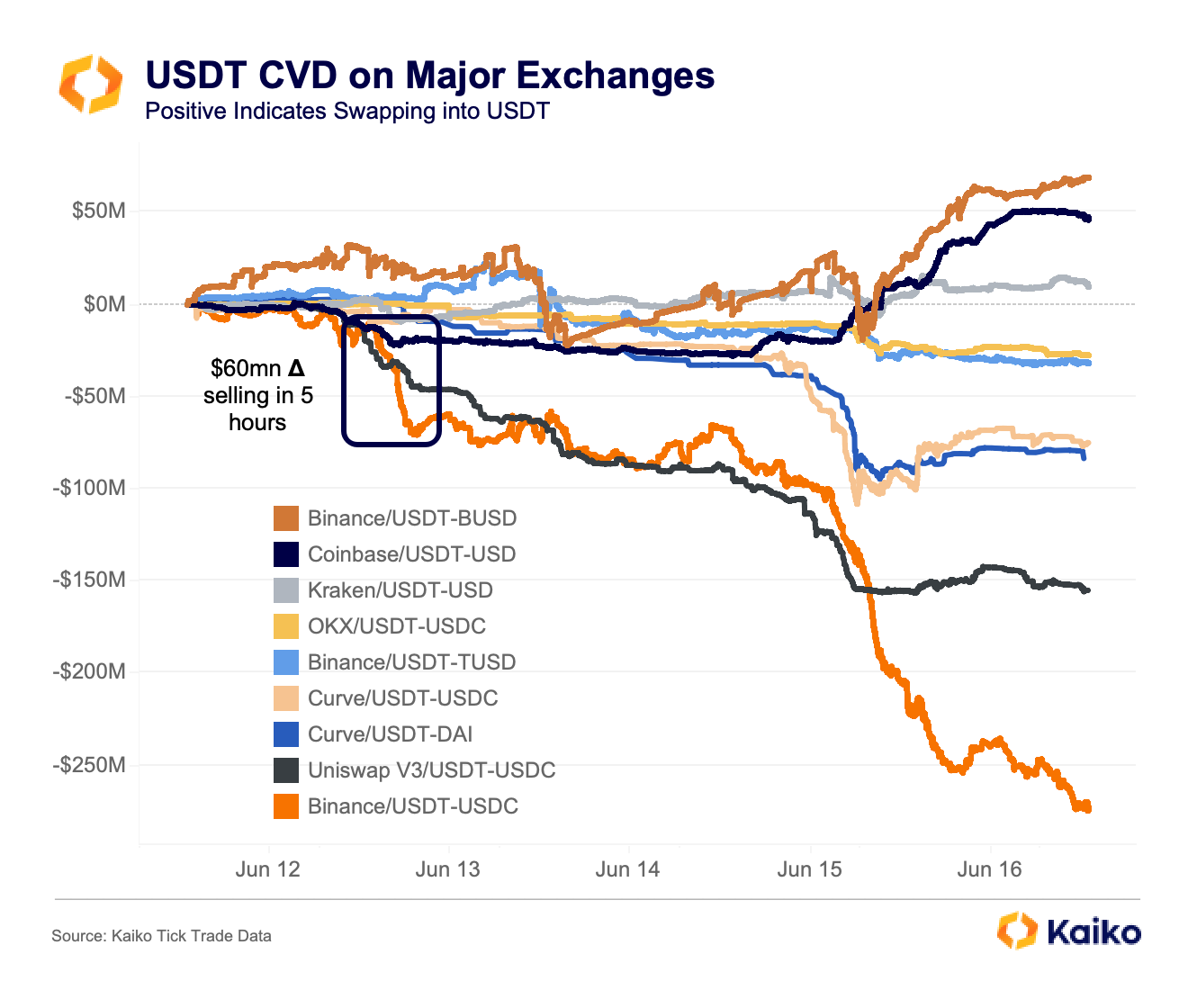
Liquidity depth is often the first indicator of trouble. If order books thin out, even small sell orders can cause significant price slippage. Use tools like Kaiko or exchange-specific order book viewers to monitor bid-ask spreads. A widening spread or dropping volume on Binance or other major venues signals that market makers are pulling back, increasing your depeg risk.
Track open interest shifts
Sudden shifts in open interest (OI) can precede liquidity crises. As noted by market analysts, a dramatic depeg could impact more than 50% of open interest in the short term. Use on-chain analytics platforms to track large stablecoin movements and OI changes across derivatives markets. This data helps you anticipate potential liquidity crunches before they hit spot markets.
Execute a controlled exit strategy
When USDT shows signs of stress, speed matters, but panic causes losses. A disorderly exit triggers slippage and liquidation cascades. The goal is to move funds off the stablecoin methodically, prioritizing capital preservation over maximizing the exit price.
Start by assessing your exposure. Identify which wallets, exchanges, or DeFi protocols hold your USDT. If you are on a centralized exchange, check for any withdrawal halts or unusual fee spikes that signal network congestion. If you are in DeFi, check the liquidity depth of the pair you intend to exit.
Move your USDT into stablecoins with more frequent attestation or on-chain proof of reserves. USDC is the most common fallback due to its regulatory compliance and monthly reserve reports. Alternatively, consider DAI if you need decentralized exposure, though it carries its own smart contract risks. This step reduces reliance on a single issuer.
Never sell your entire position in one transaction. Large sell orders on illiquid pairs can crash the price against you. Break your exit into smaller chunks. If you hold $100,000, consider executing five $20,000 trades spaced minutes apart. This minimizes market impact and ensures you get a better average price.
Market orders execute immediately at the best available price, which can be terrible during high volatility. Set limit orders slightly below the current market price. This prevents you from selling into a bid wall that disappears. It may take longer to fill, but it protects your capital from sudden slippage events.
Once you have converted USDT to a safer asset, withdraw it to a non-custodial wallet. This removes counterparty risk from the exchange. If the exchange itself is compromised during the crisis, your funds remain safe. Use a hardware wallet for added security against phishing or key theft.
Keep records of every transaction. Note the timestamp, price, and gas fees. This documentation is crucial for tax reporting and for proving the source of funds if your accounts are frozen. Regulatory scrutiny often increases during stablecoin crises, so being prepared is essential.
-
Verify withdrawal limits on your exchange
-
Check liquidity depth of the target stablecoin pair
-
Set limit orders to avoid slippage
-
Ensure your cold wallet is funded with gas fees
-
Prepare tax documentation for the exit transaction
A controlled exit is not about timing the bottom; it is about ensuring you remain solvent when others do not. By diversifying away from USDT and executing methodically, you protect your portfolio from the worst-case scenarios of a depeg event.
No comments yet. Be the first to share your thoughts!