

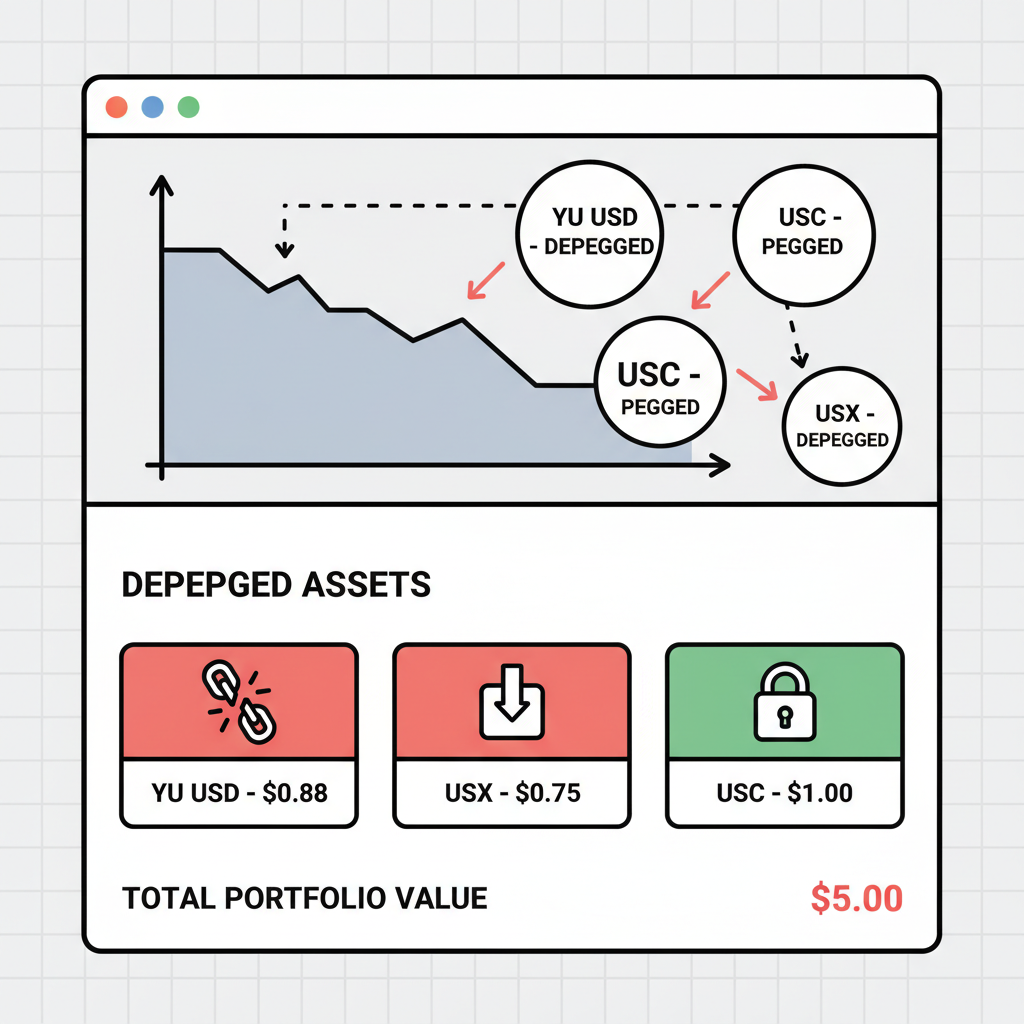
In the unforgiving arena of decentralized finance, where stability is more illusion than ironclad promise, late 2025 delivered a stark reminder of liquidity's fragility. Yala's YU stablecoin, touted for its Bitcoin backing, suffered twin depegs: a September protocol exploit on Polygon minted 120 million rogue tokens, followed by a November plunge to $0.47 amid evaporating liquidity and lingering security fears. Stable Labs' synthetic USDX, now languishing at a dismal $0.0109, unraveled below $0.50 after a Balancer V2 Vault exploit siphoned over $100 million, triggering cascading liquidations. Solstice's USX on Solana dipped to $0.10 in December, not from collateral shortfalls but a brutal secondary market liquidity drain, despite over 100% backing. These aren't isolated mishaps; they expose systemic vulnerabilities in stablecoin design that demand strategic reckoning as we navigate 2026.
Investors watching YU hover around $0.27 today might dismiss the drama as history, but the market cap of $23.28 million and zero 24-hour volume scream persistent distress. USDX's 24-hour range from $0.0118 high to $0.0108 low underscores a token adrift, far from its dollar anchor. USX's swift peg restoration masked deeper issues in DEX liquidity pools. My two decades in markets teach that such depegs cascade: retail panic amplifies outflows, protocols seize collateral, and confidence evaporates. Central bank tightening and crypto winter whispers only heighten the stakes.
Yala YU's Exploit-Driven Tumble: Bitcoin Backing Meets Protocol Peril
Yala positioned YU as a robust, Bitcoin-collateralized haven in DeFi's stormy seas. Yet September's Polygon exploit shattered that narrative. Attackers minted 120 million YU, flooding markets and eroding trust. Fast-forward to November: liquidity shortages compounded security lapses, driving the price to $0.47. This wasn't mere market whimsy; it revealed overreliance on single-chain deployments and inadequate oracle safeguards.
Consider the mechanics. YU's minting relied on verifiable Bitcoin reserves, but smart contract vulnerabilities allowed infinite minting without corresponding collateral locks. Post-exploit, redemption queues ballooned, straining liquidity providers. By late 2025, trading volumes flatlined, mirroring today's $0 USD 24-hour figure. For macro thinkers, this echoes 2022's TerraLuna implosion, where yield-chasing blinded users to redemption risks. Yala's response, protocol upgrades and audits, came too late for many, but it spotlights the need for multi-signature treasuries and cross-chain redundancies.
USDX Synthetic Meltdown: Balancer Hack Ignites Liquidation Firestorm
Stable Labs crafted USDX as a synthetic dollar, delta-neutral via derivatives and collateral pools. Genius on paper, until November's Balancer exploit drained $100 and million from V2 Vaults. Forced liquidations ensued, collateral values cratered, and USDX breached $0.50, now cemented at $0.0109 with a -0.0696% 24-hour shift. The 24-hour low of $0.0108 reflects a token in freefall, its peg a distant memory.
Dig deeper: USDX's overcollateralization hinged on volatile assets in Balancer pools. The hack disrupted pricing oracles, sparking undercollateralized positions and automated sells. PancakeSwap and Lista DAO scrambled for containment, delisting pairs to stem contagion. This Balancer-triggered unraveling wasn't just technical; it was a liquidity black swan, where secondary market depth proved illusory. Synthetics amplify leverage risks, and without deep order books, depegs become self-fulfilling prophecies. Stable Labs' post-mortem blames external factors, but fundamental flaws in collateral diversification loom large.
Stables Labs USDX (USDX) Price Prediction 2027-2032
Post-Depeg Recovery Scenarios with Risk-Adjusted Forecasts Considering Liquidity Risks and 2026 Hedging Tactics
| Year | Minimum Price | Average Price | Maximum Price | YoY % Change (Avg) |
|---|---|---|---|---|
| 2027 | $0.0050 | $0.0150 | $0.0350 | +37.6% |
| 2028 | $0.0060 | $0.0220 | $0.0500 | +46.7% |
| 2029 | $0.0080 | $0.0350 | $0.0800 | +59.1% |
| 2030 | $0.0120 | $0.0550 | $0.1300 | +57.1% |
| 2031 | $0.0180 | $0.0900 | $0.2100 | +63.6% |
| 2032 | $0.0250 | $0.1400 | $0.3800 | +55.6% |
Price Prediction Summary
Following the 2025-2026 depegging events, USDX is forecasted to undergo a gradual recovery, with average prices climbing from $0.0150 in 2027 to $0.1400 by 2032. Minimum prices account for persistent liquidity and security risks, while maximums reflect bullish scenarios driven by protocol fixes and DeFi adoption. Investors should employ hedging strategies amid volatility.
Key Factors Affecting Stables Lab USDX Price
- Resolution of liquidity drains and exploits through enhanced collateral and security audits
- Adoption of 2026 hedging tactics like tokenized U.S. Treasuries and DeFi fixed/floating rate markets
- Regulatory clarity improving trust in synthetic stablecoins
- Broader DeFi growth and integration boosting utility
- Intensified competition from USDT/USDC and bearish market cycles capping upside
- Technological improvements in oracle reliability and liquidity mechanisms
Disclaimer: Cryptocurrency price predictions are speculative and based on current market analysis. Actual prices may vary significantly due to market volatility, regulatory changes, and other factors. Always do your own research before making investment decisions.
USX Liquidity Drain on Solana: Collateral Intact, Markets Fractured
Solstice's USX promised overcollateralized stability on Solana's high-speed rails. December's depeg to $0.10 stemmed from DEX liquidity evaporation, not backing shortfalls. Traders withdrew en masse amid broader market jitters, thinning order books and amplifying slippage. Peg restoration followed injections, but the episode scarred protocols intertwined with USX lending.
Solana's meme-coin frenzy masked underlying fragilities: concentrated liquidity in Jupiter and Raydium pools proved vulnerable to flash crashes. Solstice maintained 100% and collateral, yet secondary markets dictated fate. This divergence, healthy reserves versus panicked exchanges, highlights a core tension in DeFi. Liquidity isn't monolithic; it's layered, from on-chain depth to CEX arbitrage. For 2026, USX users must prioritize protocols with native AMM incentives and oracle redundancies to weather similar storms.
These depegs share a pernicious thread: liquidity as the silent saboteur. Yala's YU faltered under exploit-induced floods, USDX crumbled from collateral cascade, and USX buckled to DEX withdrawals. Each case reveals how thin order books and concentrated pools magnify shocks. In DeFi, liquidity isn't abundant; it's borrowed, often from yield farmers chasing APYs that vanish in stress tests. Central bank policies tightening dollar liquidity ripple through crypto, squeezing stablecoin redemptions. My macro lens sees parallels to 2008's shadow banking runs, where asset quality masked funding gaps. For 2026, ignoring these signals courts portfolio ruin.
Liquidity Risks Amplified: From DEX Drains to Collateral Cascades
Zoom into the mechanics. Yala stablecoin depeg originated in smart contract flaws allowing unbacked mints, overwhelming Polygon liquidity. USDX liquidity failure traced to Balancer's $100 million drain, where vault imbalances triggered liquidations across PancakeSwap. Solstice USX depeg, despite robust backing, exposed Solana's vulnerability to rapid LP withdrawals during meme volatility. Common culprits: oracle lags, flash loan attacks, and arbitrage bottlenecks. Data from 2021-2025 depeg analyses show liquidity depth below $10 million precedes 80% of crashes. Today's USDX at $0.0109, with 24-hour volume negligible, embodies this trap. Protocols must integrate dynamic liquidity mining and circuit breakers to blunt outflows.
Strategic minds anticipate contagion. A YU-style exploit on Polygon cascades to Ethereum bridges; USDX fallout hit LSTs like Lista. USX's Solana scare rippled to Jupiter swaps. In 2026, with Fed rates potentially peaking, dollar scarcity will test every peg. Hedge by diversifying across chains and collateral types, favoring BTC or ETH over synthetics.
Master 2026 Hedging: Defend Against Yala USDX USX Depegs
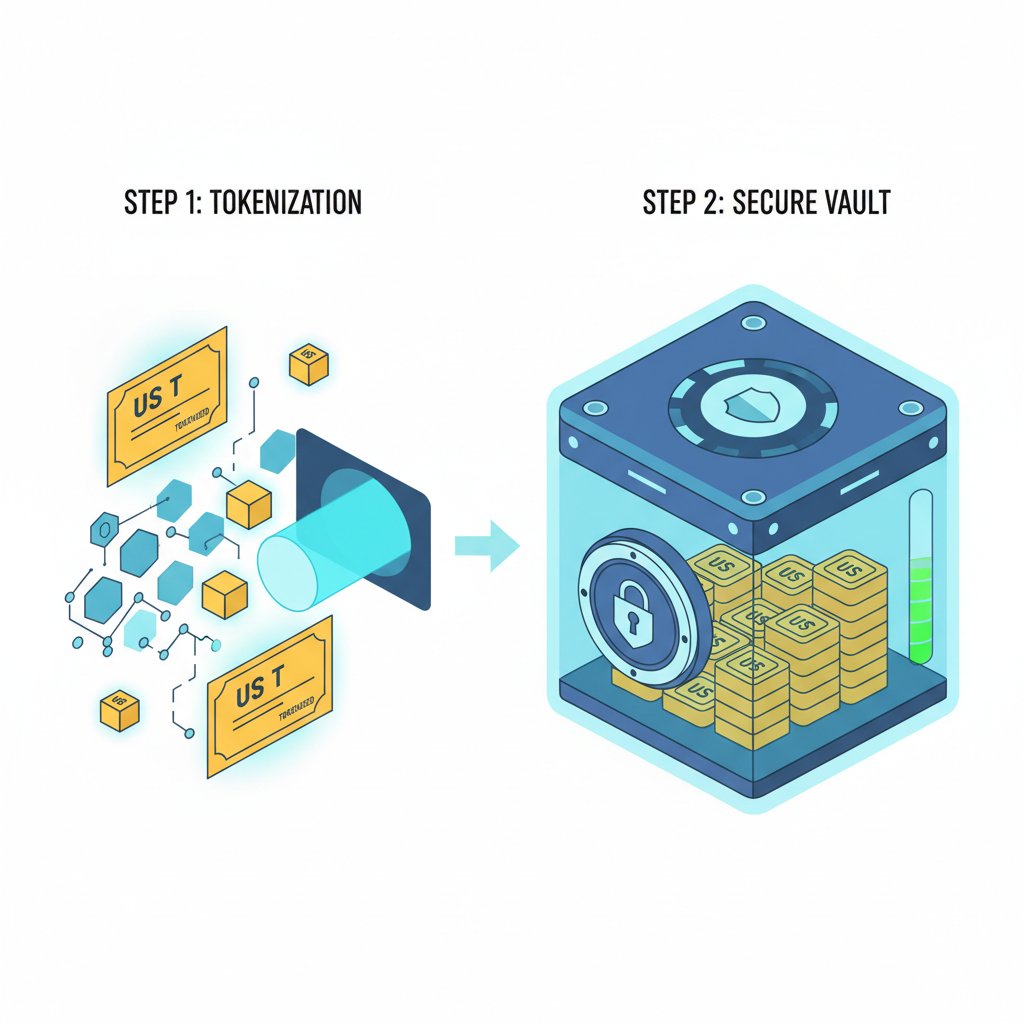
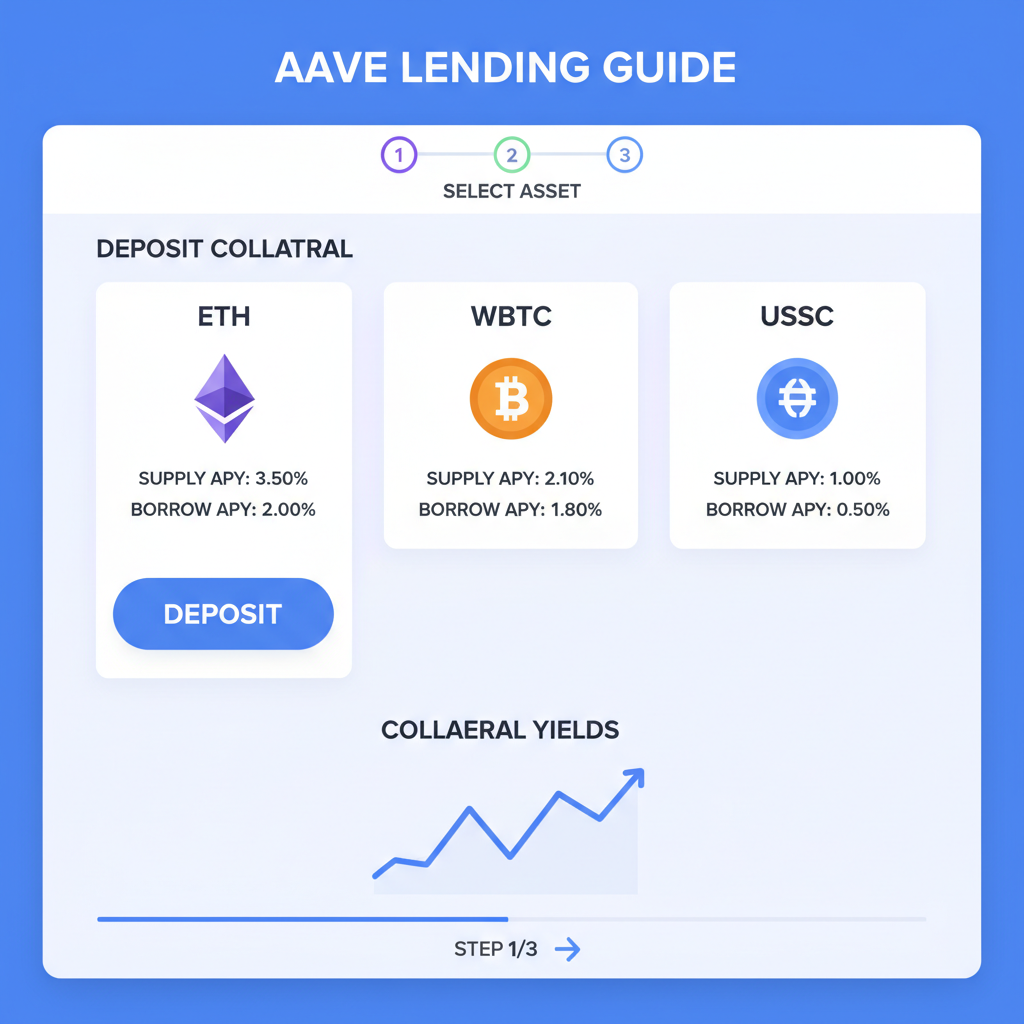

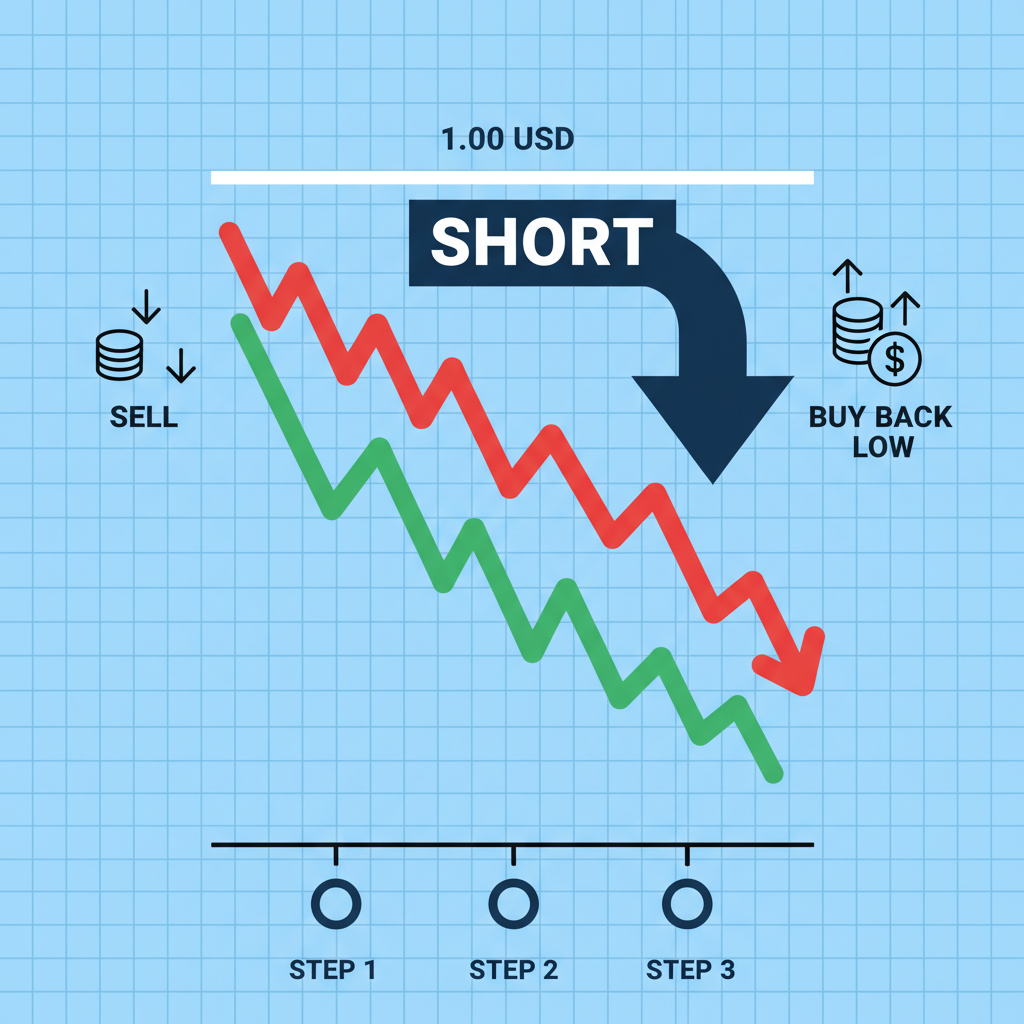
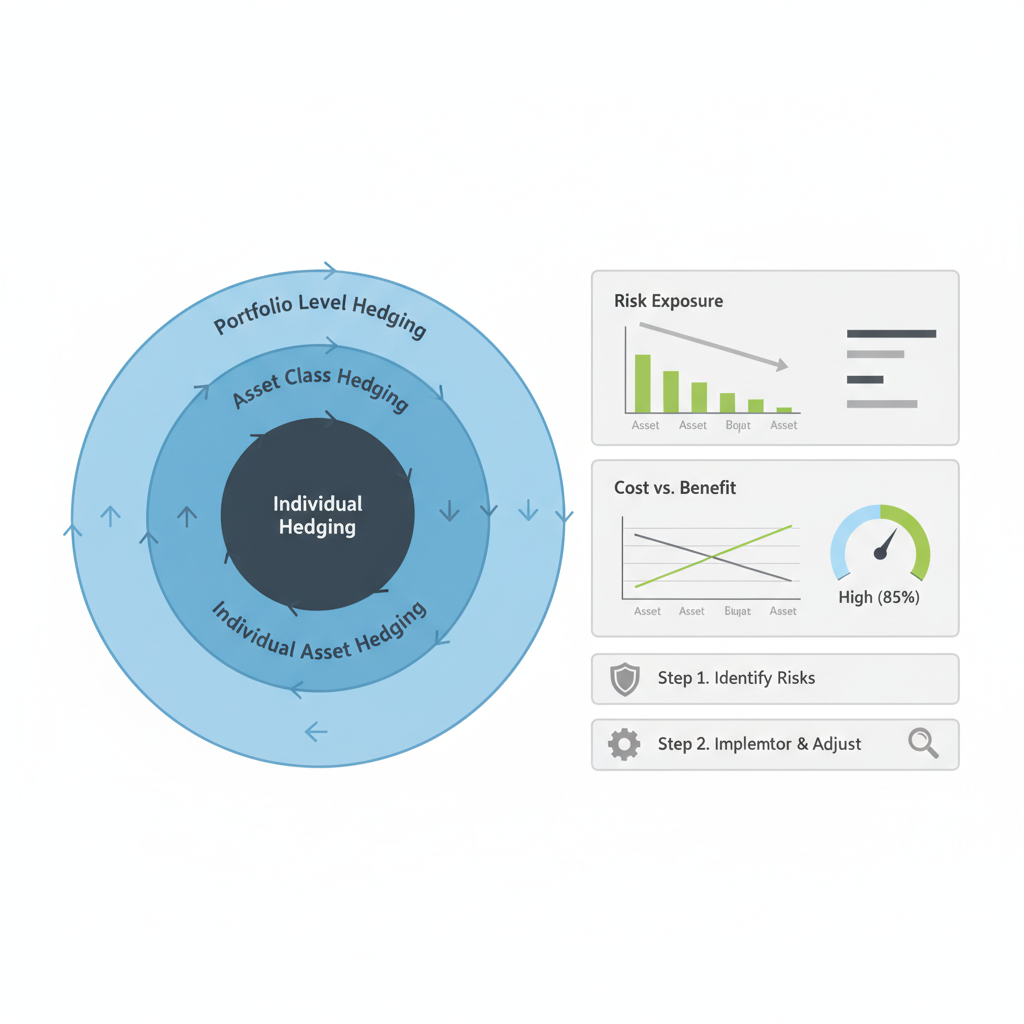
Layer in cross-margin hedging: pair stablecoin longs with BTC shorts, neutralizing depeg downside. For institutions, OTC desks offer custom swaps. Retail? Use vaults like Yearn that auto-hedge. Track via DepegWatch dashboards for real-time alerts.
Think decades: these 2025 tremors presage regulatory scrutiny and innovation cycles. USDX's $0.0109 nadir, YU's stagnant $0.27, USX's scars demand vigilance. Build antifragile portfolios; liquidity shocks forge the disciplined. In DeFi's evolution, hedging isn't optional; it's the edge separating survivors from the wreckage.




No comments yet. Be the first to share your thoughts!