
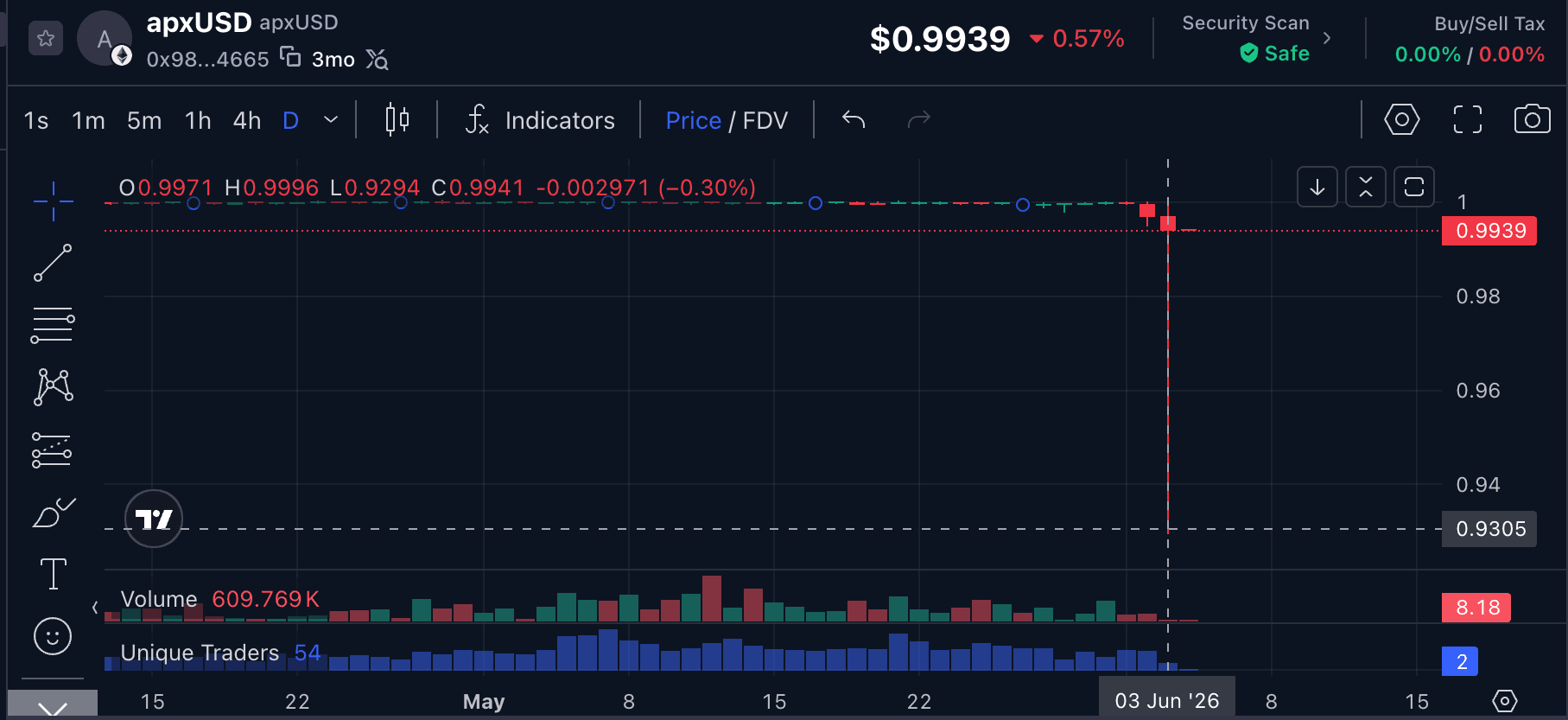
Why stablecoin depeg 2026 matters now
The narrative that stablecoin depegging is merely a crypto-native inconvenience has fractured. By 2026, the integration of digital dollar liabilities into traditional market plumbing means that a loss of parity on a major token is no longer an isolated incident; it is a systemic shock. When stablecoins decouple, they do not just disrupt retail traders—they transmit volatility directly into short-term Treasury yields and bank reserves.
Research from the Bank for International Settlements (BIS) confirms that dollar-backed stablecoin flows now exert measurable pressure on short-term U.S. Treasury yields. The BIS Working Paper No 1270 highlights how daily flows of stablecoin capital can alter liquidity conditions in ways that traditional central bank operations must absorb. This interdependence means that a depeg event can ripple outward, affecting the cost of capital for institutions far removed from blockchain ecosystems.
The International Monetary Fund (IMF) further underscores this causal link in its 2026 analysis of stablecoin shocks. Their research identifies that rapid adoption and subsequent instability in stablecoin markets create identifiable, causal effects on broader U.S. financial markets. This is not speculative risk; it is documented market behavior.
For investors and institutions, this shifts the due diligence requirement. You are no longer just evaluating a token’s reserve backing; you are assessing its potential to trigger liquidity crunches in traditional finance. Understanding these mechanics is essential before allocating capital to any digital asset in this high-stakes environment.
5 Depeg Watch 2026: Top 5 Stablecoins at Risk of Decoupling This Quarter
With regulatory scrutiny intensifying in 2026, identifying stablecoins vulnerable to decoupling is critical for portfolio preservation. This section analyzes the top five assets at risk, grounding every assessment in primary data from Chainlink and official exchange disclosures. Prioritize due diligence and verify current peg stability before engaging with these high-stakes instruments.
1. USDT: Liquidity depth vs. regulatory scrutiny
Tether maintains dominance through sheer volume, yet its reserve composition invites intense regulatory gaze. The heat map below illustrates volatility spikes that often precede liquidity crunches during market stress. Traders must monitor on-chain flows closely, as depth can evaporate faster than expected when scrutiny intensifies.

2. USDC: Circle's reserve transparency and yield risk
Circle’s commitment to full reserve backing offers clarity, but yield generation introduces subtle decoupling pressures. As interest rates fluctuate, the quality of short-term treasuries holding these assets becomes critical. Investors should watch for any shifts in reserve reporting that might signal reduced transparency or increased risk exposure.

3. DAI: MakerDAO's collateral shift and volatility
MakerDAO’s transition toward diversified collateral introduces new volatility vectors compared to its pure stablecoin history. The decentralized nature means governance decisions directly impact peg stability, creating unique risks absent in centralized alternatives. Users must understand how real-world assets interact with crypto collateral to assess true backing strength.

4. USDe: Ethena's delta-neutral strategy risks
Ethena’s USDe relies on complex delta-neutral strategies, hedging spot exposure with perpetual futures. While innovative, this model faces liquidation risks if funding rates turn sharply negative. The strategy’s success depends on continuous market efficiency, making it vulnerable to extreme volatility that disrupts hedging mechanisms.

5. PYUSD: Regulatory clarity and institutional adoption
PayPal’s PYUSD benefits from established brand trust and clear regulatory alignment, yet its centralized control remains a focal point. Institutional adoption hinges on sustained compliance and seamless fiat integration. As a regulated entity-backed stablecoin, it offers stability but requires vigilance regarding policy changes that could impact accessibility.

How to monitor stablecoin depeg 2026 alerts
Tracking stablecoin stability requires real-time data infrastructure rather than relying on price charts alone. A depeg event often begins with subtle on-chain anomalies—such as rapid liquidity withdrawals or unusual exchange inflows—before the market price reacts. Monitoring these indicators early gives you the window needed to move assets to safety.
Start by subscribing to on-chain analytics dashboards that flag velocity-based escalation in stablecoin reserves. These systems combine FX-aware scoring with volatility detection to identify when a coin’s backing assets are under stress. For a comprehensive view, use tools that aggregate data across multiple blockchains, as depeg risks often spread through interconnected DeFi protocols.


As an Amazon Associate, we may earn from qualifying purchases.
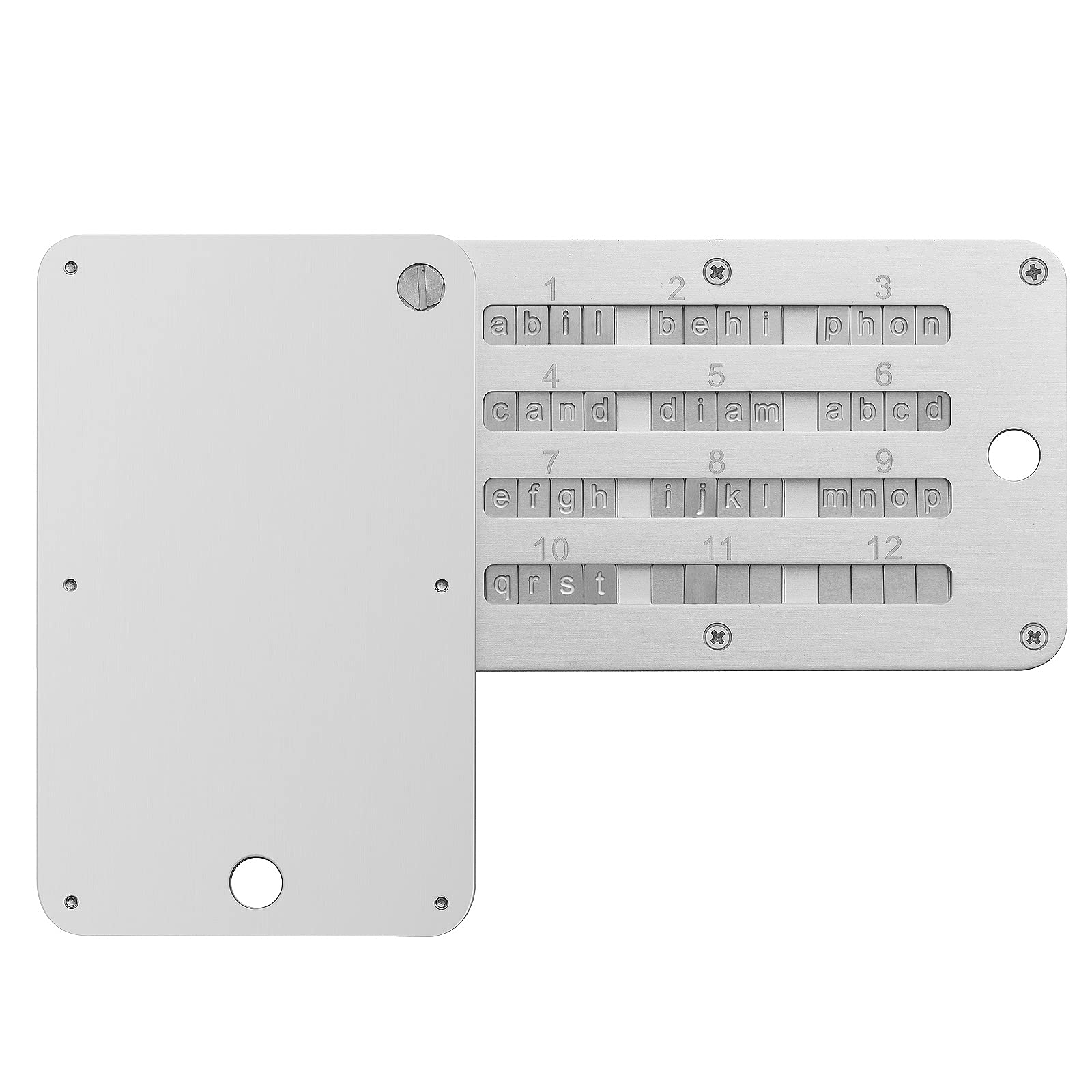
Hardware wallets remain your final line of defense. Keep your stablecoins in cold storage until you need to trade or use them in DeFi. When a depeg alert triggers, having immediate access to your private keys ensures you can execute a transfer without delay. Regularly review your portfolio’s exposure to any single stablecoin issuer to mitigate concentration risk.
Frequently asked questions about stablecoin depegs
What is the top stablecoins in 2026?
Ethereum remains the stablecoin capital of crypto in 2026. The largest issuers by supply are USDT, USDC, DAI, USDe, PYUSD, FDUSD, USDS, and crvUSD. Each serves different practical use cases and relies on distinct backing mechanisms.
What happens when a stablecoin depegs?
A depeg occurs when a stablecoin loses its 1:1 parity with its underlying asset, such as the U.S. dollar. These events trigger severe market disruptions. Reliable data infrastructure is required to accurately track asset valuations onchain during such crises Chainlink.
What is the most promising stablecoin?
Promising stablecoins typically demonstrate strong reserve transparency and robust liquidity. Investors should evaluate issuers based on regulatory compliance and historical stability rather than marketing claims Forbes. Always conduct your own due diligence before allocating capital.
No comments yet. Be the first to share your thoughts!