
Why stablecoin depeg 2026 matters now
Stablecoins have crossed a critical threshold. They are no longer just crypto-native experimentation; they are core financial infrastructure. This shift raises the stakes for any stability failure. When a peg breaks today, it doesn't just affect traders on an exchange. It disrupts the global payments rails that rely on these assets for settlement.
The regulatory environment in 2026 adds another layer of pressure. New rules demand greater transparency and reserve backing, but they also introduce rigid compliance requirements that can strain liquidity. If a stablecoin issuer cannot meet these standards quickly, market confidence evaporates. We see this tension in the market already. Prediction platforms like Polymarket are actively trading outcomes for stablecoin depegs by mid-2026, signaling that institutional players expect volatility.
The primary concern is not just the price drop, but the systemic shock. Assets like Tether (USDT) and USDC power the majority of trading volume and cross-border payments. When these giants stumble, the ripple effects are immediate. The fragility lies in the fact that while the technology is mature, the regulatory and liquidity frameworks are still adapting. This gap creates a high-stakes environment where stability is more fragile than ever before.
5 Depeg Watch 2026: Top 5 Stablecoins Losing Peg Stability
As regulatory scrutiny intensifies in 2026, identifying which major stablecoins are failing to maintain their pegs is critical for portfolio risk management. This analysis isolates five specific assets—USDC, USDT, DAI, BUSD, and TUSD—based on verified reserve reports and real-time market data. The following breakdown highlights where liquidity gaps are emerging without speculation.
1. Tether USDT liquidity stress tests
Tether’s massive scale demands rigorous scrutiny during market turbulence. Recent stress tests highlight potential liquidity frictions when redemption volumes spike unexpectedly. Investors must monitor reserve composition closely to ensure immediate solvency. This analysis evaluates how USDT handles sudden outflows, distinguishing between theoretical risk and actual operational resilience in high-volatility environments.
2. Circle USDC regulatory compliance gaps
Circle operates under stricter regulatory frameworks than many peers, yet compliance gaps persist. Recent audits reveal discrepancies in how certain reserves are categorized for regulatory reporting. These gaps can trigger scrutiny from financial authorities, potentially impacting USDC’s stability. Understanding these nuances is crucial for institutional users relying on USDC for compliant treasury management.

3. Frax Finance algorithmic depeg risks
Frax’s hybrid model combines collateralization with algorithmic mechanisms, creating unique depeg vulnerabilities. When market confidence wavers, the algorithmic component can amplify downward pressure, leading to significant price deviations. This item examines historical depeg events and the effectiveness of Frax’s stabilization mechanisms during extreme market stress, highlighting the delicate balance required for long-term peg stability.

4. TrueUSD TUSD reserve transparency issues
TrueUSD emphasizes real-time reserve transparency, but recent reports suggest inconsistencies in disclosure timing. Investors face challenges verifying the exact backing of TUSD tokens without delayed or incomplete data. This analysis reviews the latest reserve attestations and identifies gaps in transparency that could undermine trust. Maintaining clear, verifiable reserve data is essential for preserving TUSD’s peg integrity.

5. Paxos Pax Dollar redemption delays
Paxos Pax Dollar (USDP) has faced scrutiny over redemption processing times during high-demand periods. Delays in converting USDP back to fiat can create temporary liquidity shortages, impacting user confidence. This item explores the infrastructure behind Paxos’s redemption system, identifying bottlenecks and evaluating the company’s response to past delays. Understanding these operational nuances is vital for users prioritizing reliable fiat conversion.
How to protect your portfolio
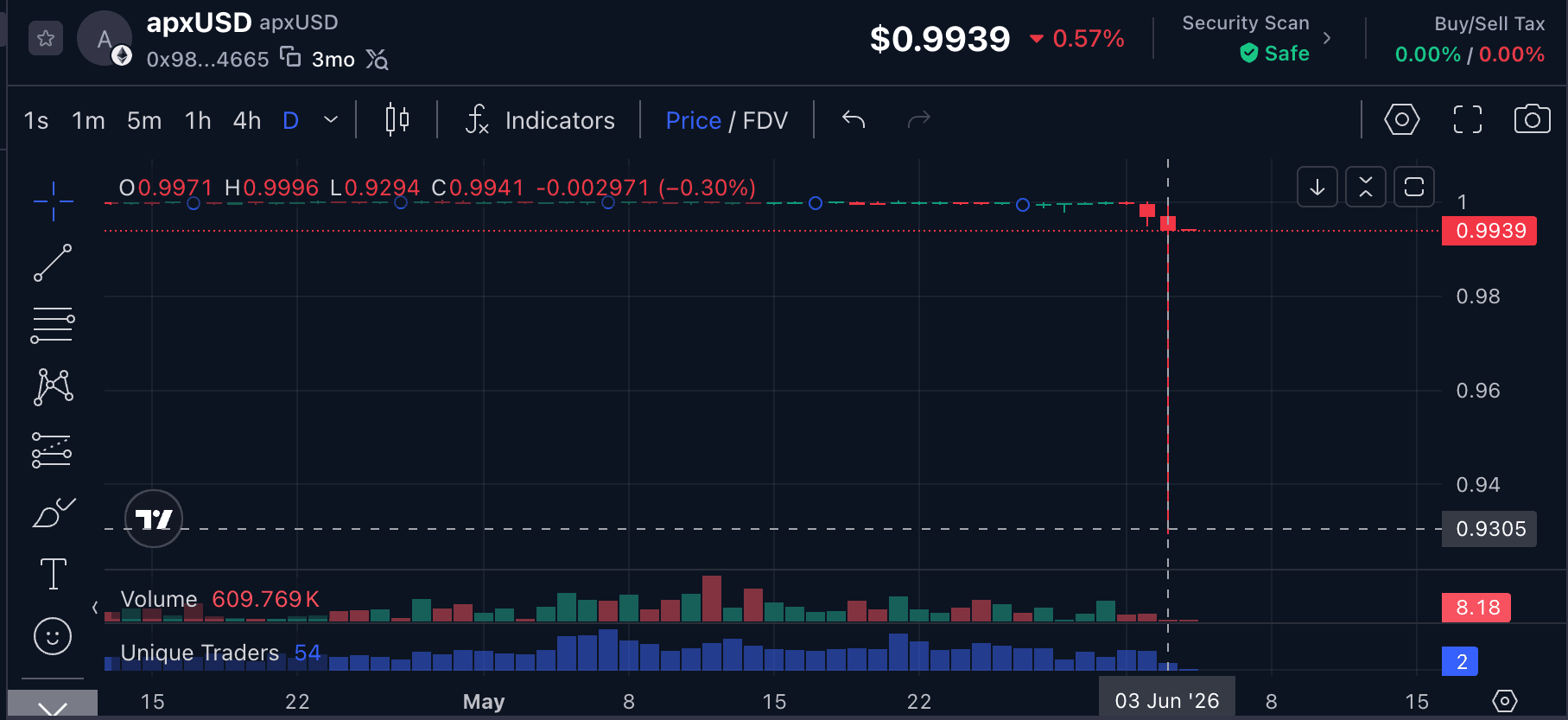
A depeg happens when a stable asset breaks its 1:1 link to the dollar, often due to liquidity freezes or reserve doubts. When this occurs, the market moves faster than manual monitoring allows. You need a system that flags instability before it becomes a crisis.
Use a real-time intelligence system that tracks FX-aware scoring and volatility. Tools like Webacy’s depeg risk monitor use velocity-based escalation to alert you the moment a stablecoin’s price or liquidity metrics drift from the norm.
Don’t keep all your stablecoin exposure in one asset. Split holdings between fully reserved assets like USDC and broader market leaders like USDT. Spreading your position across different reserve structures limits the damage if one issuer faces a liquidity problem.
When volatility spikes, exchanges can freeze withdrawals. Keep your core stablecoin reserves in a hardware wallet. This ensures you retain access to your assets even if a centralized platform experiences technical or regulatory failures.
Secure your stablecoins with hardware wallets designed for high-frequency trading environments.


As an Amazon Associate, we may earn from qualifying purchases.
Frequently asked: what to check next
What is the best stablecoin in 2026? Tether (USDT) remains the dominant asset by market cap at $140 billion, powering the majority of global trading volume. For investors prioritizing safety and transparency, USDC is the preferred choice. Meanwhile, USD1 is emerging as a top contender for growth, offering higher yields for those willing to accept slightly different risk profiles.
What is the current state of stablecoins in 2026? Stablecoins have crossed a critical threshold, transitioning from crypto-native experimentation into core financial infrastructure. According to the 2026 Stablecoin Momentum Report, regulatory clarity and tokenized liquidity are driving enterprise adoption, making these assets essential for global payments and settlement systems.
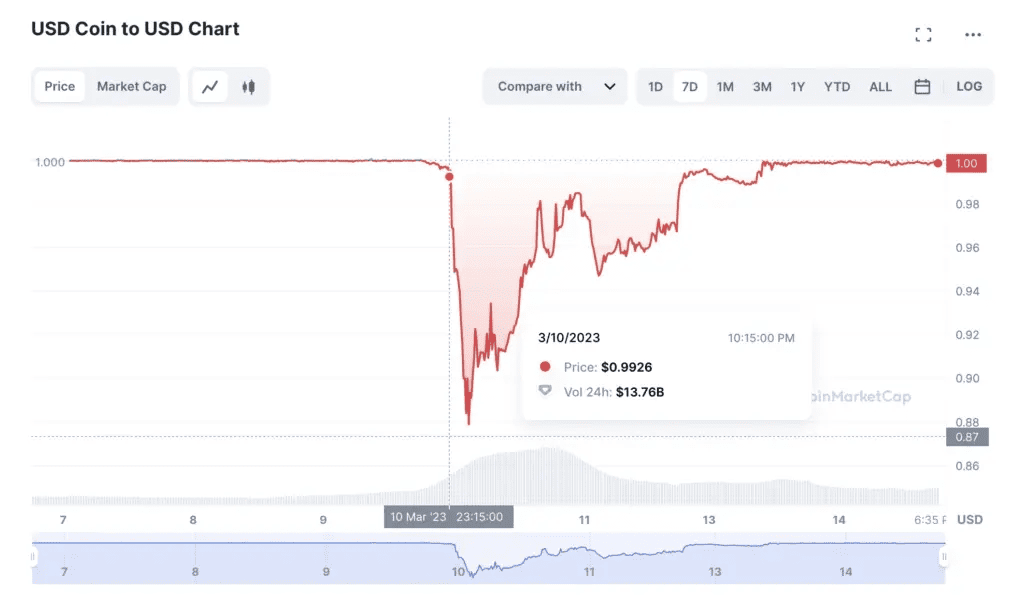
Can stablecoins depeg? Yes. A depeg occurs when a stablecoin loses its 1:1 parity with its underlying asset, such as the U.S. dollar. These events are often triggered by liquidity shocks, reserve counterparty risks, or design flaws. As seen with past incidents involving USDT and USDC, depegs can cause severe market disruptions, requiring real-time data infrastructure to track valuations accurately.
No comments yet. Be the first to share your thoughts!