Why stablecoin depeg 2026 matters now
The regulatory landscape for digital assets is shifting from a gray area into strict enforcement, a change that directly impacts the stability of stablecoins. With the US and EU implementing clearer frameworks in 2026, institutional adoption is rising, but so is the scrutiny on reserve backing and algorithmic mechanisms. This increased visibility means that structural weaknesses, once hidden in the shadows of DeFi, are now exposed to real-time market pressure.
A depeg event is no longer just a technical glitch; it is a systemic risk. When a stablecoin loses its peg, retail holders face significant losses, particularly if they were relying on the asset for daily transactions rather than speculative trading. The 2025 legislation clarified their role in traditional finance, but it also mandated stricter compliance standards that some issuers may struggle to meet without compromising liquidity.
The mechanics of depegging often involve a loss of confidence that triggers a rapid sell-off. As multiple DeFi stablecoins have already demonstrated, a brief break from the $1.00 parity can wipe out millions in value within hours. In 2026, with higher stakes and more interconnected traditional finance systems, these disruptions require reliable data infrastructure to track valuations accurately and mitigate cascading failures.
5 Stablecoins at Risk of Depegging in 2026
As regulatory frameworks tighten and reserve transparency becomes paramount, certain stablecoins face heightened structural vulnerabilities heading into 2026. This analysis identifies five digital assets where depegging risks are elevated due to opaque backing mechanisms or insufficient liquidity buffers, prioritizing data from official issuers and policy institutes over market speculation.
1. Tether USDT reserve composition and liquidity risks
Tether’s USDT dominance relies on a reserve structure heavily weighted toward short-term U.S. Treasury bills. While recent attestation reports show improvement, the sheer volume creates liquidity pressures during market stress. Investors must monitor the quarterly attestation reports from BDO USA for transparency on commercial paper exposure and cash equivalents, ensuring the peg holds against rapid redemption waves.

2. Circle USDC regulatory compliance and banking exposure
Circle’s USDC faces scrutiny regarding its banking partners and reserve management under evolving U.S. financial regulations. The stablecoin’s reliance on traditional banking infrastructure means any regulatory shifts or bank failures could impact liquidity. Circle’s monthly reserve reports and compliance with New York Department of Financial Services guidelines are critical indicators of its operational stability and legal standing.

3. MakerDAO DAI real-world asset collateral volatility
MakerDAO’s DAI stability depends on a diverse collateral basket, including real-world assets (RWAs) like U.S. Treasuries. While this diversification reduces crypto-specific risk, it introduces traditional financial market volatility. The protocol’s governance decisions regarding RWA allocation and risk parameters are vital. Monitoring MakerDAO’s risk reports helps assess how collateral value fluctuations might threaten the DAI peg during economic downturns.

4. Frax Finance hybrid algorithmic stability mechanism flaws
Frax Finance employs a hybrid model combining collateralization and algorithmic stabilization. This complexity introduces unique risks, particularly if the algorithmic component fails to maintain supply-demand balance during extreme market conditions. The protocol’s reliance on market incentives and seigniorage shares requires careful monitoring. Understanding Frax’s mechanism design is essential for evaluating its resilience against depegging events compared to fully collateralized alternatives.

5. Paxos Pax Dollar regulatory scrutiny and reserve audits
Paxos Pax Dollar (USDP) operates under strict New York State regulatory oversight, requiring regular attestation reports. Its stability hinges on maintaining full backing by cash and short-term U.S. Treasuries. Regulatory changes or audit discrepancies could undermine confidence. Investors should review Paxos’s published attestation reports and regulatory filings to assess compliance status and reserve adequacy, ensuring the stablecoin remains a reliable store of value.

How to monitor stablecoin health in 2026
Protecting capital in 2026 requires a disciplined, data-driven approach to stablecoin risk. Rather than relying on issuer marketing, you must track the structural integrity of reserves and the regulatory environment. The following steps outline a framework for monitoring depeg risks using on-chain analytics, official reserve attestations, and regulatory news feeds.
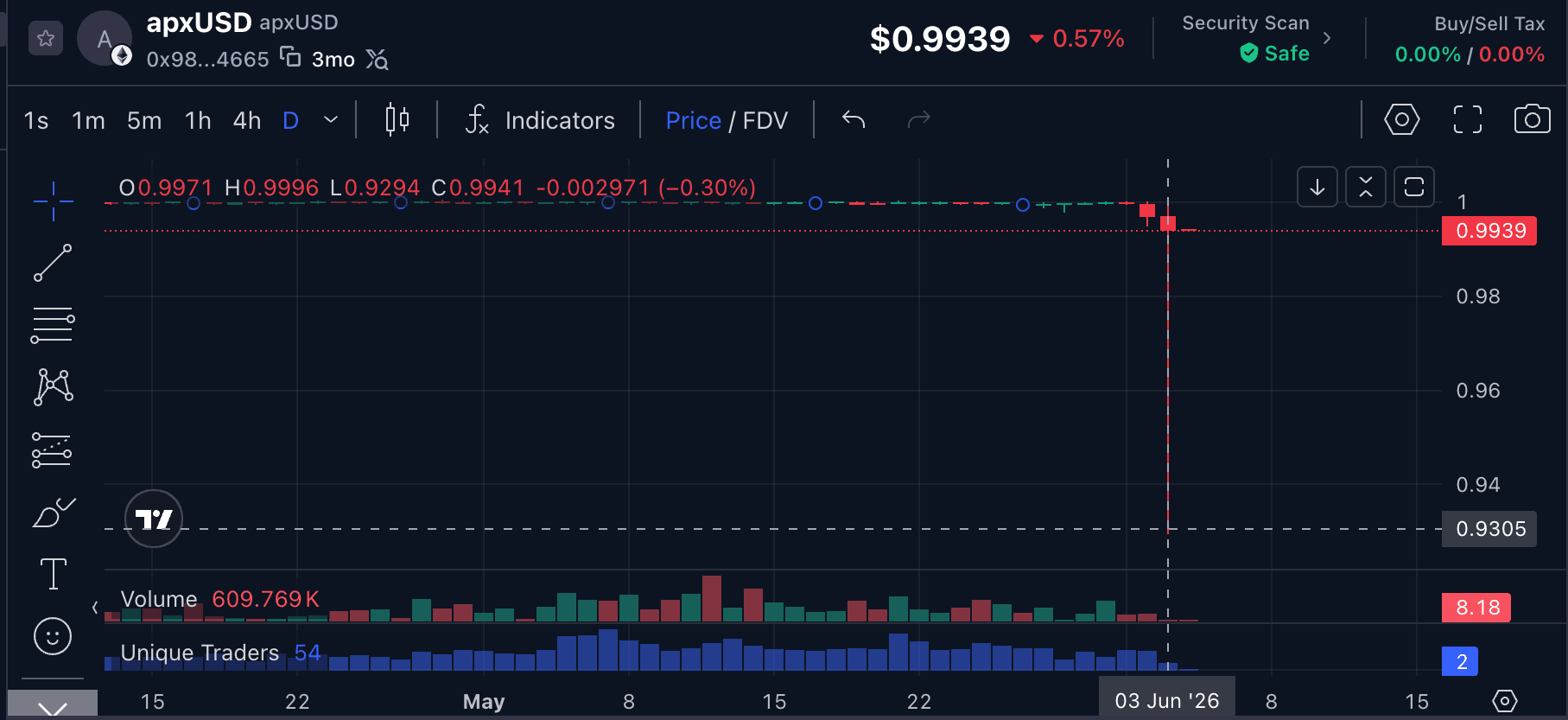
On-chain data provides the earliest signals of stress. Monitor trading volumes on major decentralized exchanges (DEXs) for unusual spikes or drops. A widening spread between the stablecoin price and $1.00, combined with declining liquidity, often precedes a depeg. Use tools like DeFiLlama or Dune Analytics to visualize these trends in real time.
Regularly check the official reserve reports from issuers like Circle (USDC) and Tether (USDT). Look for changes in the composition of reserves, particularly the ratio of cash to short-term U.S. Treasuries. A sudden shift toward commercial paper or private credit increases risk, as noted in policy analyses of stablecoin vulnerabilities.
Regulatory actions can instantly impact a stablecoin's viability. Subscribe to updates from the Bank Policy Institute and The Payments Association to track global regulatory shifts. New rules in the U.S. or EU can force issuers to change their backing mechanisms or withdraw from certain jurisdictions, affecting liquidity and peg stability.
Manual monitoring is insufficient for fast-moving markets. Set up automated alerts using APIs from providers like Chainlink or Laika Labs to notify you of significant price deviations or reserve changes. These tools can track multiple stablecoins simultaneously, ensuring you are aware of potential issues before they escalate.


As an Amazon Associate, we may earn from qualifying purchases.
By combining these monitoring strategies, you can maintain a clear view of the stablecoin landscape. This proactive approach helps mitigate the risk of significant losses due to depegging events, which policy institutes warn can have severe consequences for retail holders.
Frequently asked questions about stablecoin depegging
What is the top stablecoin in 2026?
By 2026, Tether (USDT) and Circle’s USDC remain the largest stablecoins by market capitalization on Ethereum, followed by MakerDAO’s DAI and emerging issuers like Pyth Network’s PYUSD. While market share fluctuates with regulatory shifts, these assets dominate trading volume and liquidity pools. Investors should verify the specific reserve composition of each issuer, as transparency standards vary significantly between fully reserved fiat-backed tokens and algorithmic or crypto-collateralized models.
What happens when a stablecoin depegs?
A depeg occurs when a stablecoin loses its 1:1 parity with the U.S. dollar, often triggering rapid sell-offs and severe market disruptions. Retail holders frequently face significant losses during these events due to liquidity crunches and panic selling. Unlike traditional bank deposits, stablecoins lack federal insurance, meaning recovery is not guaranteed and depends entirely on the issuer’s ability to restore collateral adequacy or market confidence.
Can a stablecoin recover after depegging?
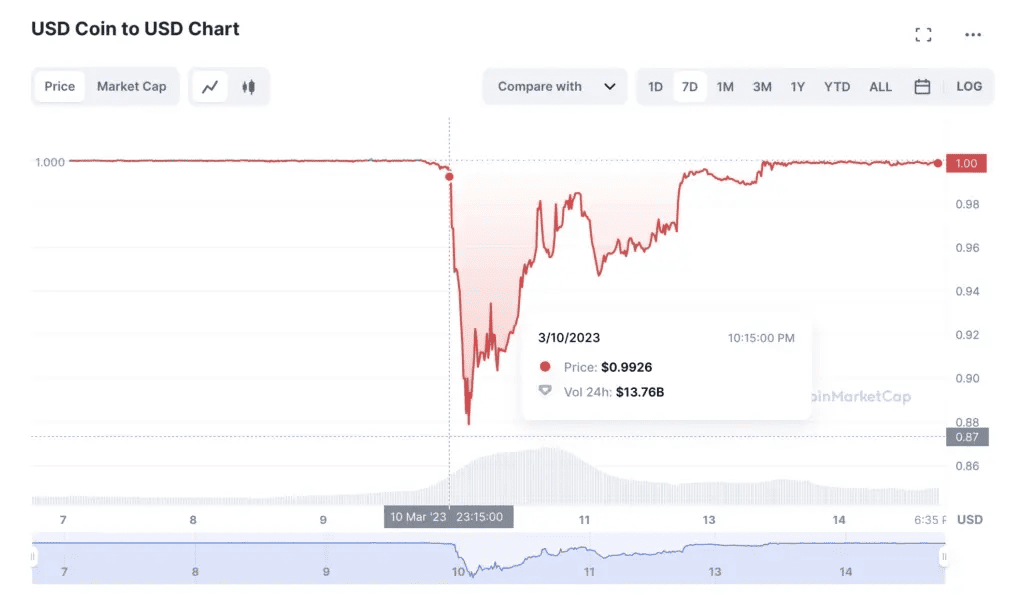
Recovery is possible but not guaranteed. Historical cases like UST demonstrate that algorithmic mechanisms can fail catastrophically, leading to permanent loss of value. Conversely, fiat-backed stablecoins like USDC have historically recovered after temporary depegs caused by banking counterparty risks, provided the underlying reserves remained intact. The speed of recovery depends on the issuer’s transparency, the strength of its legal structure, and the broader market’s trust in the asset’s solvency.
No comments yet. Be the first to share your thoughts!