Why stablecoin depeg 2026 matters now
In 2026, stablecoins have moved beyond crypto-native experimentation into core financial infrastructure. The International Monetary Fund notes that stablecoin adoption now exerts measurable causal effects on U.S. financial markets, including shifts in Treasury yields. This integration means that a single stablecoin depeg is no longer an isolated crypto event; it is a potential systemic shock.
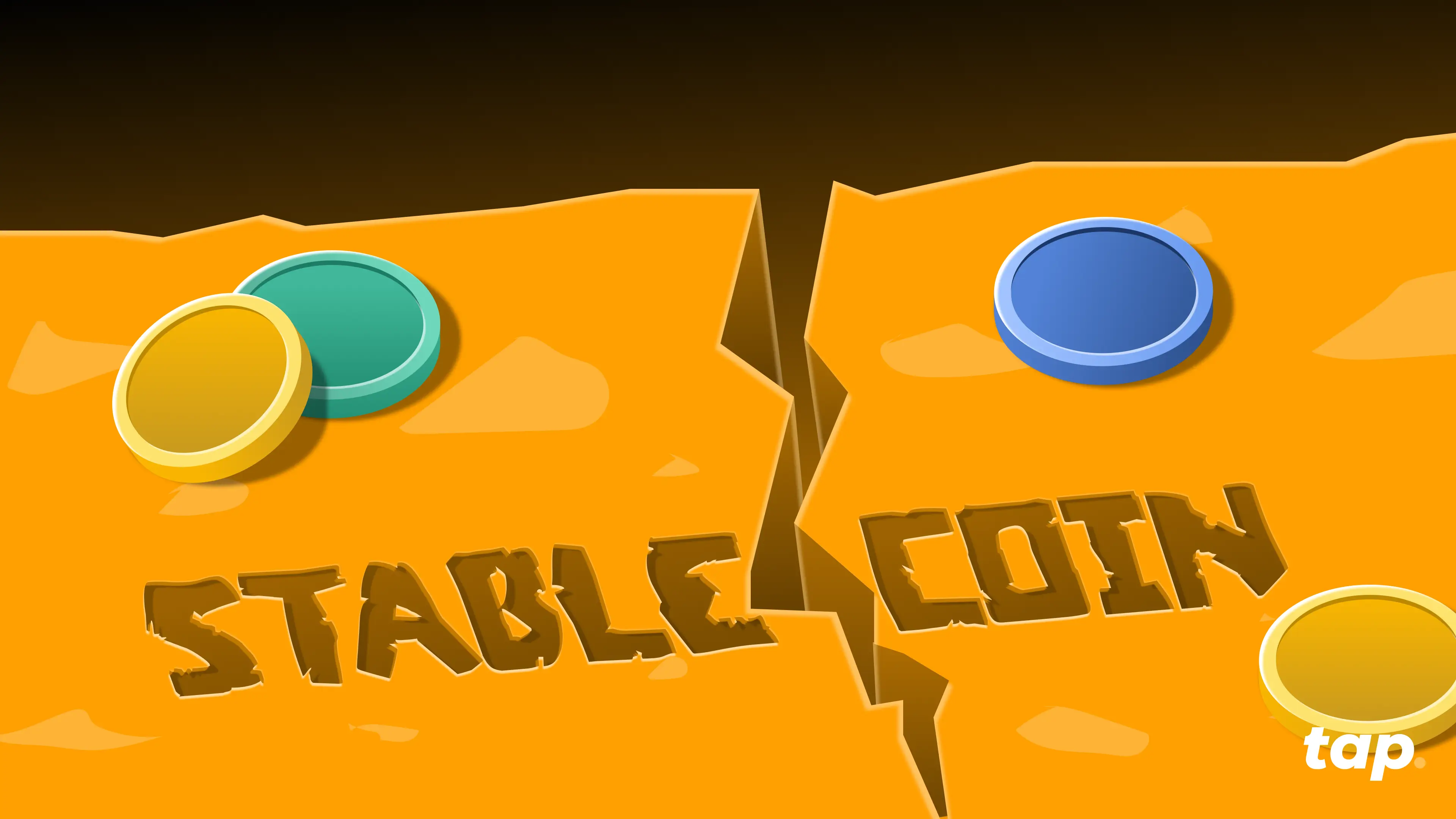
A stablecoin depeg occurs when a stablecoin loses its 1:1 parity with its underlying asset, typically the U.S. dollar. When this happens, the asset's value diverges from its peg, triggering severe market disruptions. Because stablecoins are foundational to decentralized finance, these disruptions require reliable data infrastructure to accurately track asset valuations onchain.
The Bank for International Settlements highlights that dollar-backed stablecoin flows significantly impact short-term U.S. Treasury yields. Monitoring depeg risk is therefore not just about protecting individual holdings; it is about understanding the stability of the broader financial system. Ignoring these signals leaves you exposed to both direct losses and broader market volatility.
Verify reserve transparency and audits
Before trusting any stablecoin, you must confirm that the issuer publishes real-time, audited reserve data. This step separates cash-backed models from algorithmic or undercollateralized systems. Without transparent proof of backing, a stablecoin is just a token with a promise.
Most legitimate issuers host a dedicated transparency page. Look for links labeled "Reserves," "Proof of Reserves," or "Transparency." If the issuer hides this data behind a login or a vague "about us" page, treat it as a red flag. Major issuers like Circle or Tether provide public dashboards showing reserve composition.
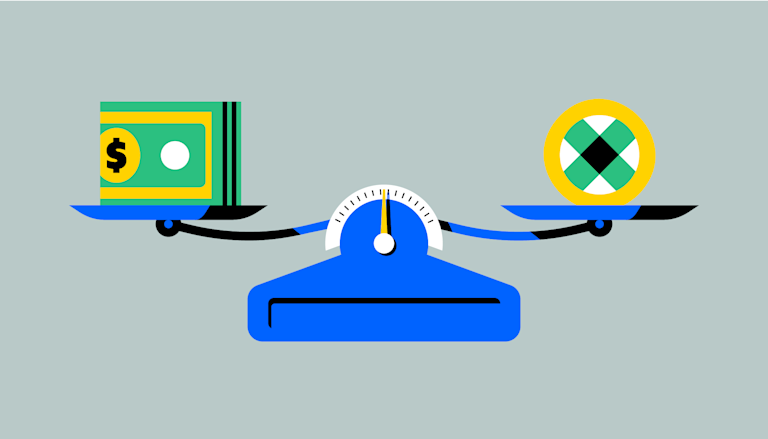
Check the reserve composition. Cash-backed stablecoins hold reserves in cash, cash equivalents, or short-term U.S. Treasury bills. Algorithmic stablecoins use code and market mechanisms to maintain parity, which is far riskier. In 2026, regulators and markets heavily favor fully collateralized models. If the reserve includes corporate bonds, private equity, or other crypto tokens, the risk of depeg increases significantly.

Self-reporting is not enough. Look for attestations from reputable third-party accounting firms (e.g., Deloitte, PwC, BDO). These firms provide monthly or quarterly attestations confirming that the reserves match the circulating supply. Ensure the audits are recent; stale data offers no protection against sudden market shifts or issuer insolvency.
For crypto-native stablecoins, verify that the reserve wallets are public and viewable on a block explorer. You can independently count the assets in those wallets. If the issuer refuses to share public wallet addresses or uses complex multi-layered structures to hide the funds, avoid the token. Transparency is binary: you either see the money, or you don't.
Track on-chain liquidity and volume
Liquidity is the buffer that keeps a stablecoin anchored to its peg. When that buffer thins, even small sell orders can push the price away from $1. Monitoring on-chain liquidity pools and trading volume gives you an early warning system before a depeg becomes a crisis.
1. Monitor pool depth across major DEXs
Start by tracking the total value locked (TVL) in the largest decentralized exchanges (DEXs) for your target stablecoin. A sudden drop in pool depth means there is less capital available to absorb sell pressure. Use block explorers or DEX analytics dashboards to watch the reserves of the stablecoin against its primary pairing asset (usually ETH or USDC). If the reserve shrinks while price remains stable, the asset is vulnerable to a sharp move.
2. Watch for unusual minting and burning rates
Minting and burning events signal how the stablecoin supply is being adjusted. A spike in minting can indicate new demand, but if it happens alongside rising volume without price appreciation, it may be artificial. Conversely, a surge in burning often reflects capital rotation out of the ecosystem. Track these metrics on-chain to see if the supply changes are driven by genuine user activity or by large entities manipulating the market.
3. Analyze volume-to-liquidity ratios
The relationship between trading volume and available liquidity is a critical health indicator. A high volume-to-liquidity ratio suggests that the market is trading aggressively relative to the capital backing it. This imbalance often precedes volatility. If volume spikes while liquidity remains flat or declines, the stablecoin is at higher risk of slipping below its peg. Set alerts for these ratios to catch anomalies in real time.
4. Set up real-time alerts for liquidity shifts
Manual monitoring is insufficient for catching fast-moving depeg events. Use on-chain analytics platforms to set up automated alerts for significant drops in liquidity pool depth or spikes in volume. These alerts should trigger when liquidity falls below a predefined threshold relative to recent averages. This allows you to react quickly to market stress before it impacts your holdings or trading positions.
Compare USDC and USDT stability metrics
When capital preservation is the priority, the choice between Circle’s USDC and Tether’s USDT comes down to transparency versus liquidity. Both assets serve as the backbone of crypto trading, but their reserve structures and regulatory postures differ significantly. Understanding these structural differences is essential for evaluating depeg risk during periods of market stress.
USDC maintains a reserve composition heavily weighted toward cash and short-term U.S. Treasuries, with regular attestation reports published by independent auditors. This structure prioritizes liquidity and regulatory compliance, particularly in the United States. Tether, by contrast, holds a more diversified reserve mix that includes commercial paper and other assets, a strategy that has drawn scrutiny during past volatility events. While USDT typically offers deeper liquidity on major exchanges, USDC’s stricter compliance framework often provides a buffer during regulatory crackdowns.
The table below outlines the key structural differences between the two largest stablecoins as of 2026. These metrics help identify which asset may offer greater resilience depending on your specific risk tolerance and jurisdiction.
| Metric | USDC | USDT | Depeg Risk Implication |
|---|---|---|---|
| Primary Reserve Assets | Cash & U.S. Treasuries | Diversified (Treasuries, Commercial Paper, Other) | USDC’s Treasury-heavy reserves reduce credit risk but may face liquidity constraints in extreme stress. |
| Regulatory Status | Fully regulated (U.S. based) | Offshore, evolving compliance | USDC faces direct U.S. regulatory oversight; USDT’s offshore status creates jurisdictional uncertainty. |
| Audit Frequency | Monthly attestation reports | Quarterly assurance reports | More frequent audits provide clearer visibility into USDC’s backing. |
| Historical Depeg Severity | Minor, short-lived dips | Notable events (e.g., 2022 drop to $0.90) | USDT has experienced larger depeg events, suggesting higher sensitivity to liquidity shocks. |
Set up real-time depeg alerts
Speed is the only defense against a stablecoin depeg. When parity breaks, markets react in seconds, not hours. You need automated systems that flag price deviations and regulatory shifts before they become liquidity crises.
Set alerts for micro-movements, not just crashes. A drop to $0.995 is often the first sign of stress. Configure your exchange API or portfolio tracker to trigger notifications at 0.1%, 0.5%, and 1% deviations from the $1.00 peg. This granularity lets you exit positions before a full depeg event.

Price alerts on centralized exchanges can be misleading if liquidity is thin. Track the depth of major liquidity pools on decentralized exchanges. A sudden drop in pool reserves often precedes a price drop. Use blockchain explorers to watch for large outflows from the stablecoin’s reserve addresses or major liquidity providers.
Regulatory crackdowns are a primary cause of depegging. Subscribe to real-time alerts from official sources like the SEC, CFTC, or local financial authorities. Set up keyword alerts for the specific stablecoin’s issuer. News of frozen assets or legal action can cause immediate panic selling; having this data first gives you a crucial head start.
-
Set 0.1% price deviation alert
-
Monitor DEX liquidity pool depth
-
Subscribe to issuer regulatory news
-
Test alert delivery channels
Frequently asked questions about stablecoin depeg 2026
What is the state of stablecoins in 2026?
The market has shifted from experimental phases to core financial infrastructure. According to the 2026 Stablecoin Momentum Report, stablecoins have crossed a critical threshold in adoption and utility, making their stability mechanisms more important than ever for institutional and retail users alike. Source: ZeroHash
What happens when a stablecoin depegs?
A depeg occurs when a stablecoin loses its 1:1 parity with its underlying asset, such as the U.S. dollar. These events trigger severe market disruptions and require reliable data infrastructure to accurately track asset valuations onchain. Because stablecoins are a foundational component of decentralized finance, a loss of peg can cascade across lending protocols and trading pairs. Source: Chainlink
How do yield-bearing stablecoins add depeg risk?
Yield-bearing stablecoins introduce additional layers of complexity that can exacerbate depeg risk. Beyond standard market volatility, these assets face smart contract vulnerabilities and counterparty risks tied to the underlying yield-generating strategies. If the yield mechanism fails or is exploited, the stablecoin may lose its ability to maintain parity with its reserve assets. Source: Eco
No comments yet. Be the first to share your thoughts!