
Market stability under pressure
Stablecoin depegging events expose critical vulnerabilities in liquidity management and reserve integrity. This analysis evaluates the mechanisms used to maintain peg stability, contrasting algorithmic and AI-driven approaches with traditional reserve-backed models. The focus is on identifying structural risks and regulatory compliance requirements that define operational resilience in current and emerging market conditions.
How AI manages liquidity to prevent depegging
Algorithmic stablecoins and AI-driven liquidity pools utilize real-time data streams to maintain peg stability, a methodology that contrasts sharply with traditional reserve models relying on periodic balance sheet snapshots. When a stablecoin loses its 1:1 parity with the U.S. dollar, it triggers severe market disruptions. Preventing such events requires infrastructure that tracks asset valuations onchain continuously, rather than relying on delayed audits or static collateral ratios.
AI systems monitor liquidity depth and trading volume across decentralized exchanges to detect early signs of stress. These models analyze order book imbalances and arbitrage opportunities to automatically adjust liquidity provision. By predicting potential depeg events before they become critical, AI-driven mechanisms can rebalance pools or trigger stabilizing trades, reducing the need for manual intervention or emergency halts.
This approach differs fundamentally from reserve-backed models, which depend on the quality and liquidity of underlying assets like U.S. Treasuries. While reserves provide a floor, algorithmic mechanisms use dynamic pricing and automated market maker logic to absorb shocks. The 2022 collapse of TerraUSD (UST) highlighted the risks of purely algorithmic models without sufficient liquidity buffers, a lesson that now informs the design of AI-managed pools.
Regulatory frameworks and compliance
The 2026 regulatory landscape for stablecoins has shifted from speculative oversight to mandatory transparency. Global bodies, including the IMF and the Financial Action Task Force (FATF), now require issuers to demonstrate real-time reserve backing and immediate liquidity availability. These standards are not merely suggestions; they are the baseline for operating in major jurisdictions. The collapse of algorithmic models has cemented a preference for fully collateralized assets, making reserve integrity the primary metric for regulatory approval.
Issuers are increasingly turning to artificial intelligence to meet these rigorous demands. AI-driven monitoring systems analyze on-chain data continuously, flagging discrepancies between reported reserves and actual liquidity before they become solvency crises. This shift transforms compliance from a periodic audit into a dynamic, automated process. As noted by the Bank Policy Institute, the consequences of failing to maintain this transparency are severe, leading to immediate loss of consumer trust and potential legal liability.
The following table compares the operational requirements for stablecoin issuers before and after the 2026 regulatory updates.
| Requirement | Pre-2026 Standard | 2026 Standard |
|---|---|---|
| Reserve Transparency | Quarterly attestation reports | Real-time on-chain verification |
| Liquidity Monitoring | Manual treasury reviews | AI-driven continuous surveillance |
| Regulatory Reporting | Annual compliance filings | Automated incident alerts to regulators |
Tracking depeg alerts and data
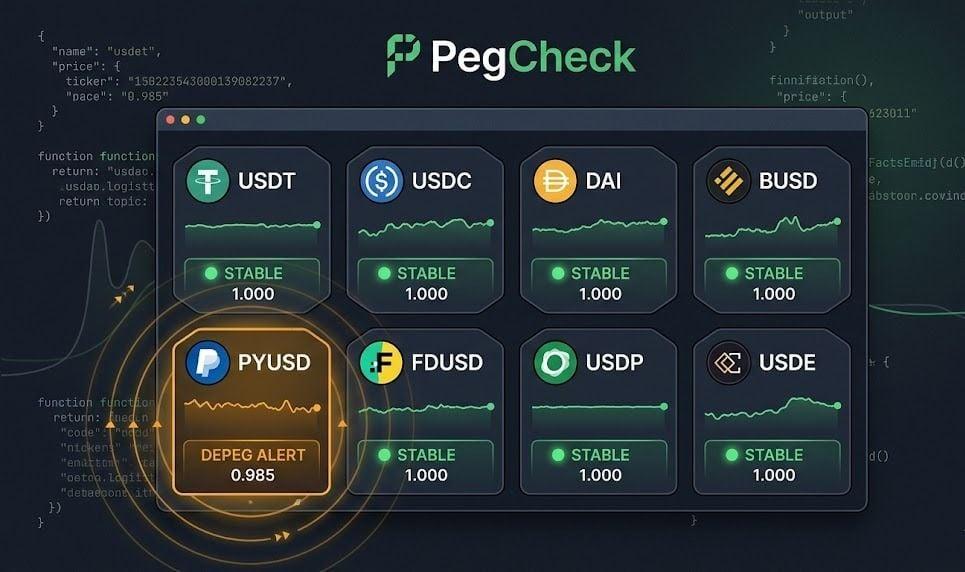
Reliable monitoring infrastructure is the primary defense against liquidity shocks. When a stablecoin depegs, it loses its 1:1 parity with the underlying asset, triggering severe market disruptions that require real-time data to accurately track on-chain valuations. Specialized APIs provide the early warnings necessary to identify these deviations before they cascade into broader systemic risk.
The risk is rarely defined by a single price tick. It is determined by what the token is pegged to, how long deviations persist, and the depth of available liquidity. Monitoring tools must therefore distinguish between temporary slippage and structural failures in the peg mechanism. This distinction is critical for regulators and institutions assessing exposure.
Transparency in data sources is non-negotiable. Official bodies like the IMF and FATF emphasize that regulatory oversight depends on the integrity of the underlying data feeds. Without verifiable, low-latency data streams, it is impossible to enforce compliance or manage counterparty risk effectively. The focus must remain on the mechanics of the peg and the reliability of the information reporting it.
Common stablecoin depeg: what to check next
Investors often ask how current market dynamics influence stability. In 2026, the trend toward yield-bearing stablecoins is expanding. Users increasingly expect digital dollars to produce passive returns through tokenized Treasury exposure, on-chain lending markets, and institutional cash-management systems.
These events trigger severe market disruptions, requiring reliable data infrastructure to accurately track asset valuations onchain. Stablecoins are a foundational component of decentralized finance, making these disruptions systemic.
The most significant historical collapse occurred in May 2022. The Terra blockchain was temporarily halted after the collapse of the algorithmic stablecoin TerraUSD (UST) and the cryptocurrency LUNA. This event wiped out almost $45 billion in market capitalization within a week.
No comments yet. Be the first to share your thoughts!