
Why stablecoin depeg 2026 matters now
The landscape of digital finance has shifted. According to the 2026 Stablecoin Momentum Report, stablecoins have crossed a critical threshold, moving from crypto-native experimentation into core financial infrastructure. This transition means that a stablecoin depeg is no longer a niche technical glitch; it is a systemic risk event with the potential to ripple through traditional banking, payments, and broader markets.
With the total market capitalization of stablecoins exceeding $300 billion, their integration into the global payment rails makes them indispensable. The International Monetary Fund has developed novel measures to track stablecoin shocks, identifying their causal effects on U.S. financial markets. As these assets become embedded in everyday commerce, the stability of the dollar-pegged tokens underpinning them becomes a matter of macroeconomic stability, not just cryptocurrency speculation.
The implementation of the 2025 U.S. legislation clarifying regulatory frameworks has accelerated this mainstream adoption. However, this growth also amplifies the consequences of failure. When a stablecoin loses its 1:1 parity, the resulting disruption can trigger bank runs, liquidity crises, and loss of consumer confidence. The stakes are high because the safety of these tokens is now tied to the reliability of the broader financial system.
As regulators tighten oversight and institutions increase their exposure, the transparency of reserve composition and the robustness of redemption mechanisms are under intense scrutiny. The warning bells sounded by institutions like the Bank Policy Institute highlight that yield-bearing stablecoins and opaque reserves can destroy deposits. Understanding these structural risks is essential for anyone involved in the digital asset economy.
5 Stablecoins Showing Early Warning Signs
Regulatory scrutiny intensifies as structural vulnerabilities emerge within the stablecoin sector. This analysis identifies five digital assets exhibiting early warning signs of depegging, prioritizing reserve transparency and compliance over speculative price movements.
-
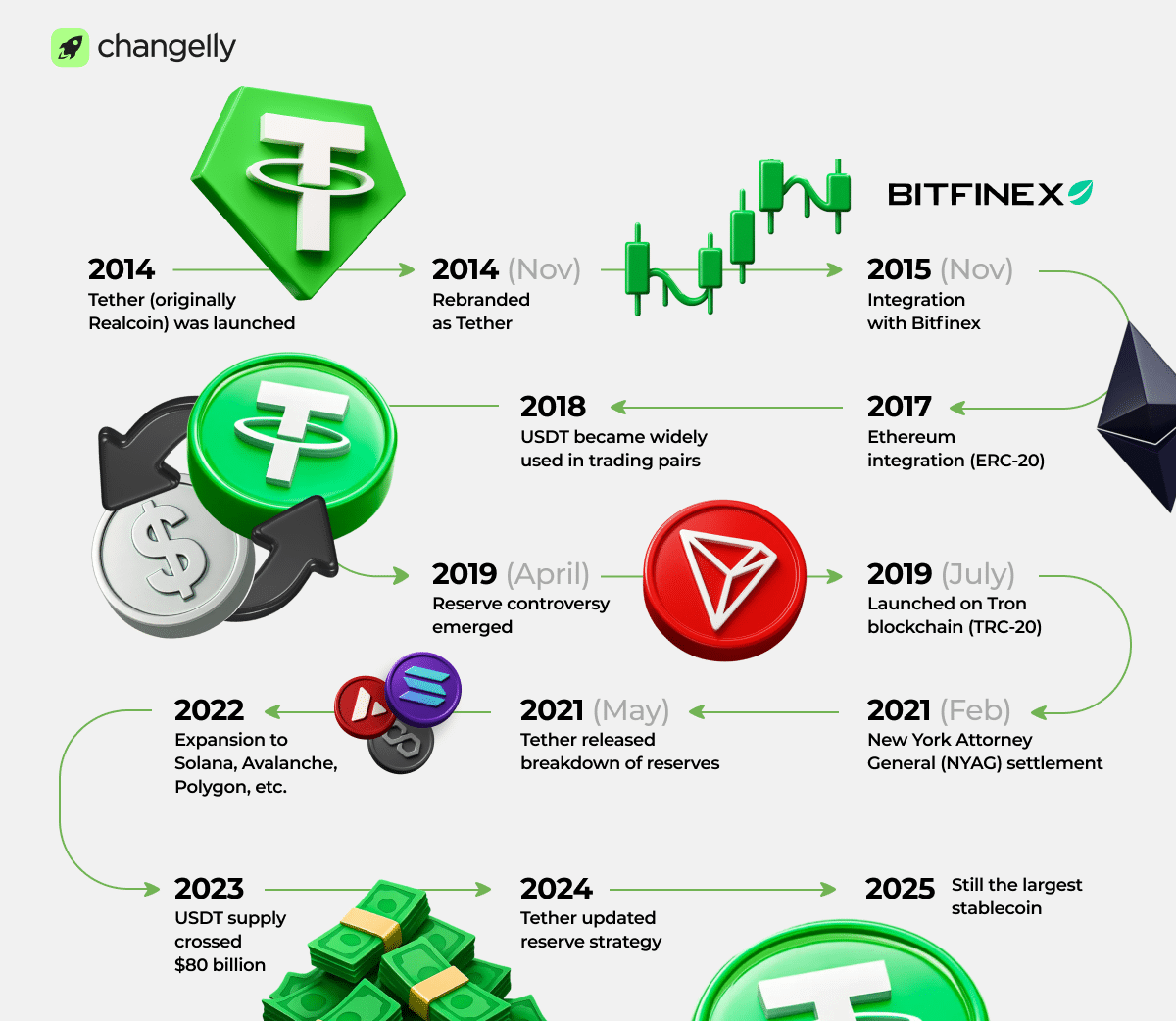
Tether reserve composition transparency
Tether’s quarterly attestation reports reveal a heavy reliance on commercial paper and short-term Treasury bills, raising structural concerns about asset liquidity during market stress. While the issuer maintains that reserves exceed liabilities, the lack of a full audit leaves investors relying on limited assurance. Regulatory bodies continue to scrutinize whether these commercial assets can be liquidated quickly enough to maintain the peg during a systemic crisis, demanding greater clarity on reserve quality. -
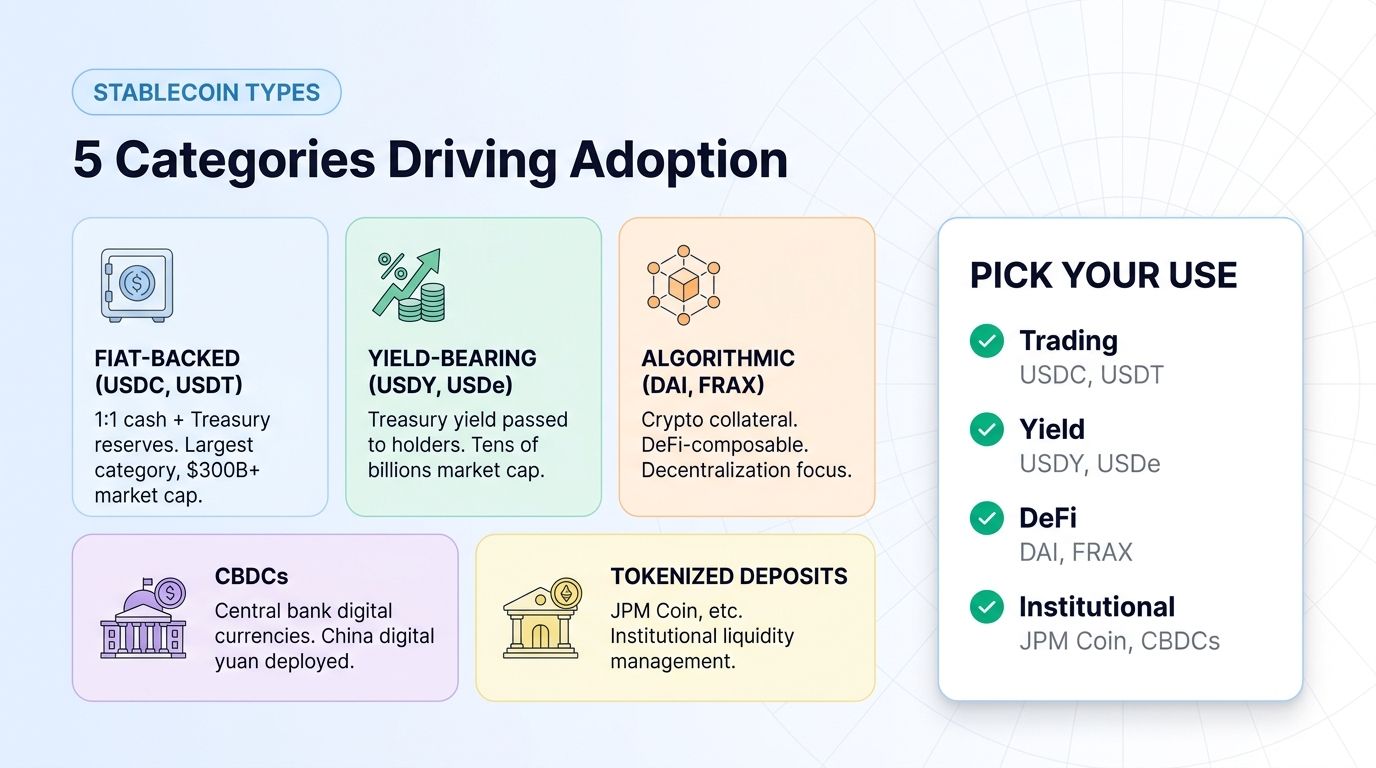
Circle regulatory compliance status
Circle’s integration with traditional banking infrastructure has drawn intense regulatory focus, particularly regarding its ability to freeze assets and comply with anti-money laundering mandates. Recent incidents involving delayed responses to wallet thefts highlight operational risks inherent in centralized custodial models. As regulators demand stricter oversight, Circle must balance user privacy with transparent compliance reporting to maintain its license and operational stability in an increasingly hostile legal environment. -
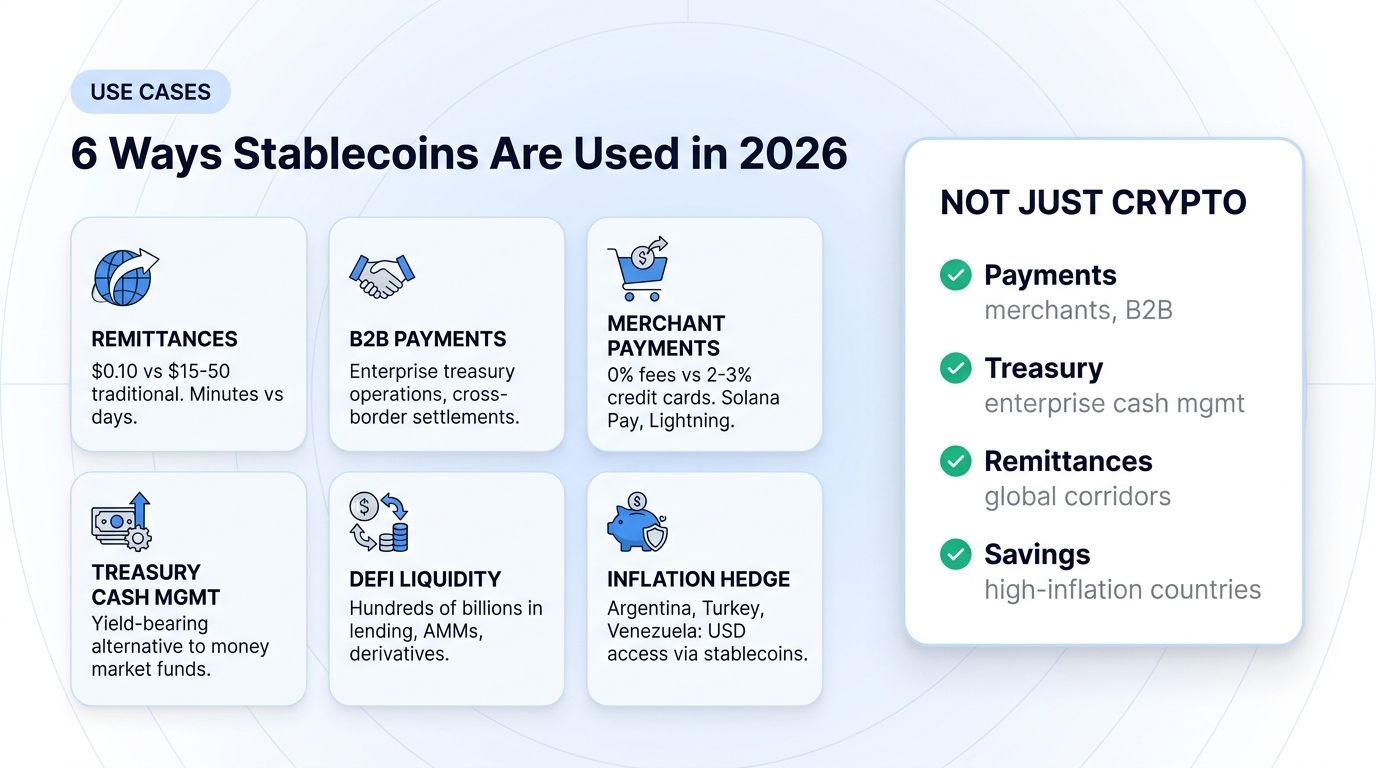
Algorithmic stablecoin structural vulnerabilities
Algorithmic stablecoins rely on complex incentive mechanisms rather than direct collateral, creating inherent fragility during periods of high volatility. The 2022 collapse of TerraUSD demonstrated how feedback loops can rapidly erode confidence, leading to irreversible depegging events. Current models attempting to mitigate this risk through hybrid approaches still face scrutiny over their capital efficiency and the sustainability of their stabilization algorithms under extreme market pressure. -
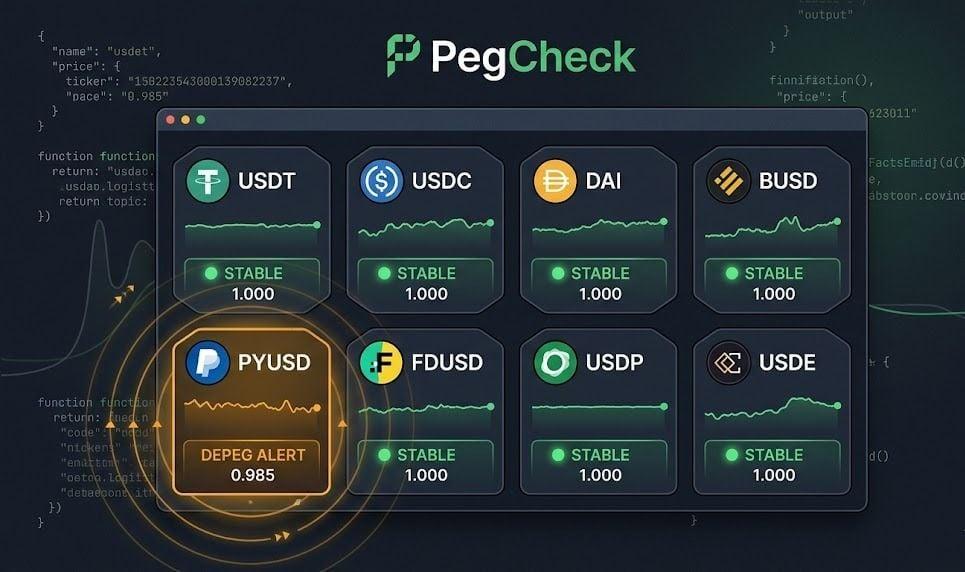
Emerging payment stablecoin risks
Newer stablecoins targeting specific payment rails often lack the deep liquidity and regulatory history of established players, increasing their vulnerability to sudden outflows. These projects frequently operate with smaller reserve pools and less transparent governance structures, making them susceptible to manipulation or technical failures. Investors must carefully evaluate the issuer’s legal jurisdiction and reserve audit frequency, as these emerging assets carry significantly higher counterparty risks compared to legacy options. -
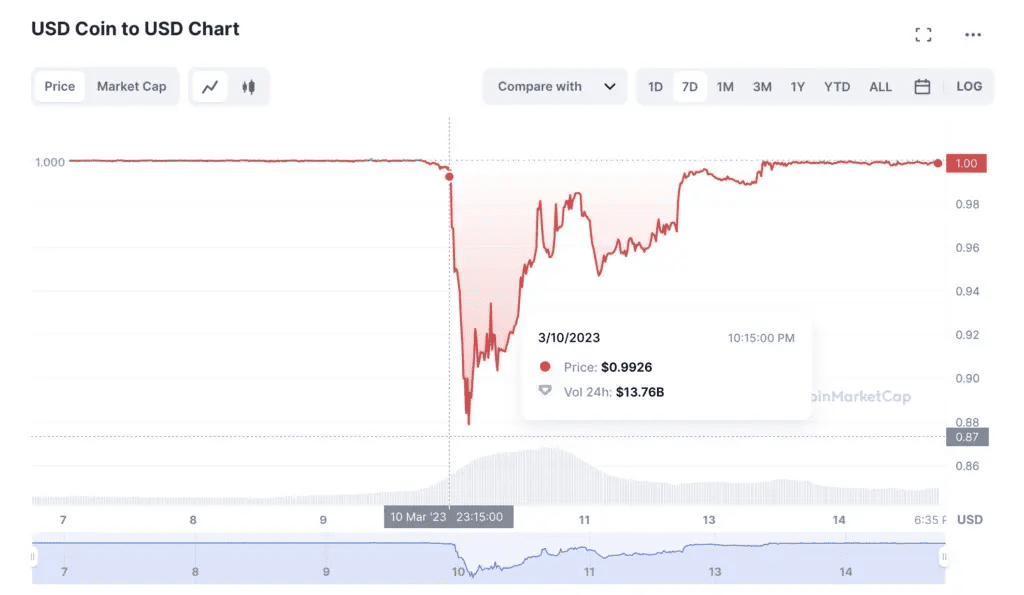
USD Coin liquidity depth analysis
While USDC boasts substantial market capitalization, its liquidity depth across decentralized exchanges varies significantly, potentially impacting execution quality during high-volume trading periods. Concentration of holdings among a few large entities can exacerbate price slippage, creating temporary dislocations from the dollar peg. Continuous monitoring of on-chain liquidity pools and exchange reserves is essential to assess the true resilience of USDC’s market structure against sudden sell-offs or regulatory shocks.
How to exit safely during a depeg
When a stablecoin loses its peg, speed and protocol adherence matter more than price recovery. The Bank Policy Institute notes that depegging events can trigger severe liquidity crunches for retail holders, making a pre-planned exit strategy essential. This workflow prioritizes capital preservation through verified on-chain actions and secure hardware practices.
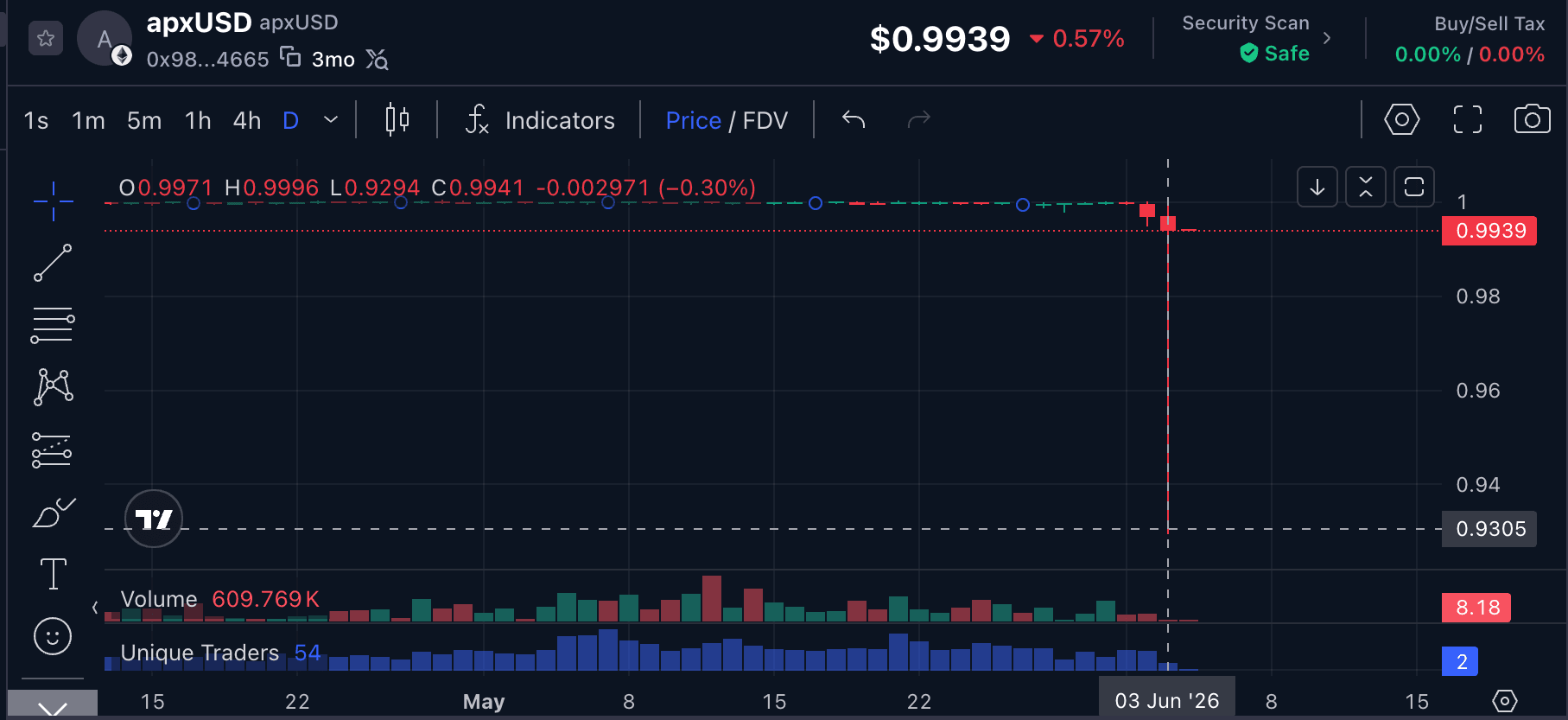
Do not rely on centralized exchange prices. Check the token’s contract on Etherscan or Solscan to confirm the circulating supply and reserve status. If the reserve ratio falls below 90%, treat the asset as distressed. Use a trusted oracle like Chainlink to verify real-time parity data before initiating any transfer.
Transfer your holdings to a Tier-1 exchange with strong regulatory compliance and high liquidity. Avoid decentralized exchanges (DEXs) where slippage can be extreme during panic selling. Ensure you are using the correct network bridge (e.g., Ethereum Mainnet vs. Polygon) to prevent irreversible loss.
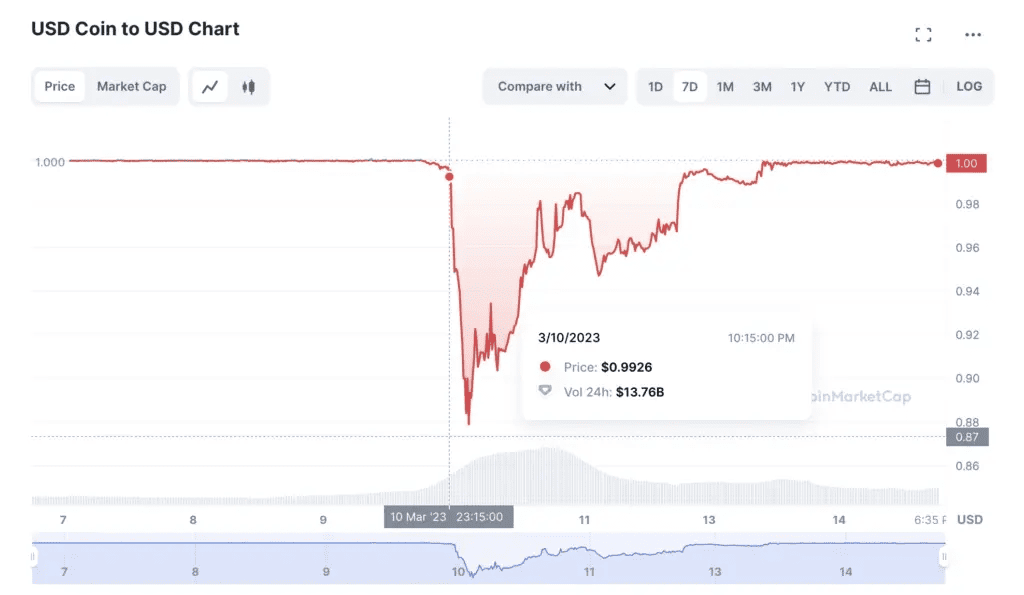
Immediately convert the distressed asset into USDC, USDT, or fiat currency. Do not attempt to "hold" or "average down" on a failing peg. If the exchange allows, withdraw fiat directly to your bank account to remove counterparty risk from the crypto ecosystem entirely.

After exiting, audit your remaining portfolio. Move long-term holdings to a hardware wallet to protect against exchange insolvency. Regularly review the reserve composition of your stablecoins using official attestations from firms like Grant Thornton or BDO.


As an Amazon Associate, we may earn from qualifying purchases.
A depeg is a structural failure, not a temporary dip. By following these steps, you minimize exposure to insolvency risk and preserve capital for future opportunities.
Frequently Asked Questions About Stablecoin Depegging in 2026
What is the state of stablecoins in 2026?
The 2026 Stablecoin Momentum Report from ZeroHash indicates that stablecoins have crossed a critical threshold, transitioning from crypto-native experimentation into core financial infrastructure. This integration into traditional finance increases systemic importance, meaning that structural failures now carry broader macroeconomic implications than in previous cycles.
What happens when a stablecoin depegs?
A stablecoin depeg occurs when the asset loses its 1:1 parity with its underlying reference, typically the U.S. dollar. These events trigger immediate liquidity crises and severe market disruptions. Accurate on-chain data becomes essential during these periods to track asset valuations and assess the solvency of the issuing entity.
What causes stablecoins to lose their peg?
Depegging usually stems from a loss of confidence in the issuer’s reserve composition or solvency. Recent incidents in 2025 and 2026, where multiple DeFi stablecoins lost their pegs, demonstrate that opaque reserve structures or excessive exposure to volatile assets can rapidly erode trust. Regulatory scrutiny now focuses heavily on the transparency of these backing assets.
How can investors monitor stablecoin health?
Investors should rely on official attestation reports and on-chain analytics rather than market sentiment alone. Monitoring the reserve composition and the legal jurisdiction of the issuer provides a clearer picture of risk. The IMF’s recent analysis on stablecoin shocks highlights the need for rigorous data infrastructure to identify causal effects on financial markets.
Is a depeg always permanent?
Not necessarily. Some stablecoins recover their peg if the issuer proves liquidity and resolves the underlying issue. However, prolonged depegging often signals a permanent loss of confidence, leading to a death spiral where redemption pressure exceeds available reserves. Investors must distinguish between temporary market friction and structural insolvency.
No comments yet. Be the first to share your thoughts!