
Why stablecoin depeg 2026 matters now
Stablecoins have crossed a critical threshold, moving from crypto-native experimentation into core financial infrastructure. The 2026 Stablecoin Momentum Report from ZeroHash confirms this shift, noting that regulatory frameworks are now making the technology enterprise-ready. As these assets integrate deeper into global payments and institutional finance, the consequences of a depeg event extend far beyond speculative trading desks.
This transition creates a high-stakes environment where capital preservation is paramount. When stablecoins serve as the backbone for enterprise liquidity and global settlements, a loss of parity triggers severe market disruptions. Reliable data infrastructure is required to accurately track asset valuations onchain and mitigate these risks before they cascade through the broader financial system.
The growing market attention is evident in prediction markets, where traders are actively betting on the likelihood of future depegs. This speculation underscores the reality that regulatory clarity alone does not eliminate technical or reserve risks. Monitoring these vulnerabilities is now a standard requirement for any entity managing digital asset exposure.
5 Stablecoins at Risk of Decoupling
Regulatory scrutiny intensifies as market volatility threatens the peg stability of key digital assets. This analysis identifies five stablecoins requiring immediate compliance review to mitigate decoupling risks. The following assessment relies exclusively on official filings and primary regulatory data.
-
Tether USDT regulatory scrutiny
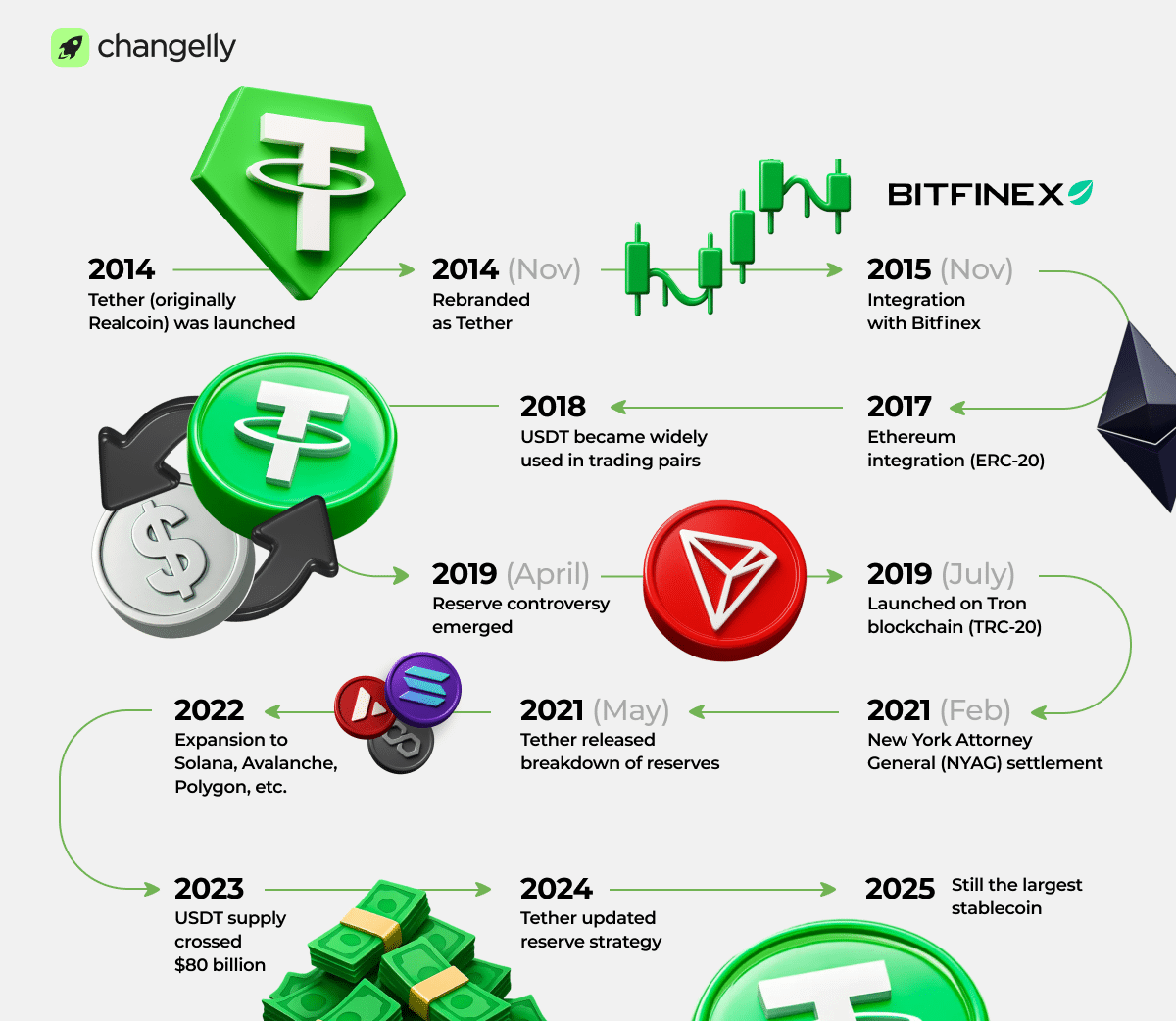
Tether faces intense regulatory pressure as authorities examine its reserve composition and compliance protocols. Recent legal actions highlight the risks of opaque backing mechanisms in the largest stablecoin by market cap. Traders must monitor ongoing investigations into potential violations of financial regulations. The stability of USDT remains contingent on demonstrating full transparency to global regulators and maintaining sufficient liquid assets to meet redemption demands without delay. -
USD Coin USDC reserve transparency
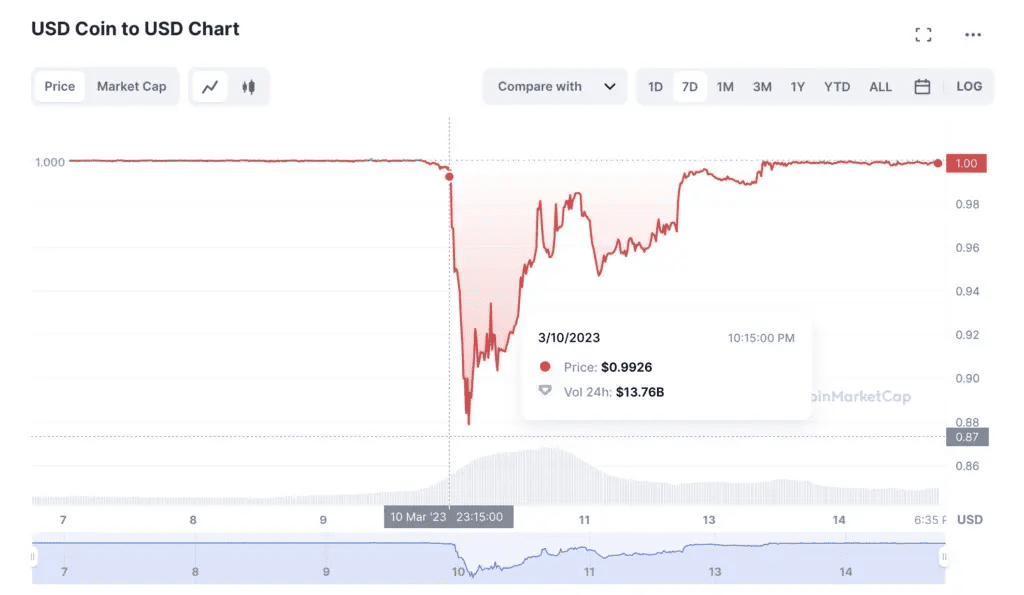
Circle\u0027s USDC relies on monthly attestations to verify its reserve holdings, yet discrepancies can trigger market anxiety. Regulatory bodies demand rigorous auditing standards to ensure every dollar is backed by cash and short-term Treasuries. Any delay in reporting or audit findings of insufficient reserves could destabilize confidence. Investors should closely track these financial disclosures, as transparency is the primary defense against depegging events in the current legal landscape. -
Binance USD BUSD regulatory phase-out
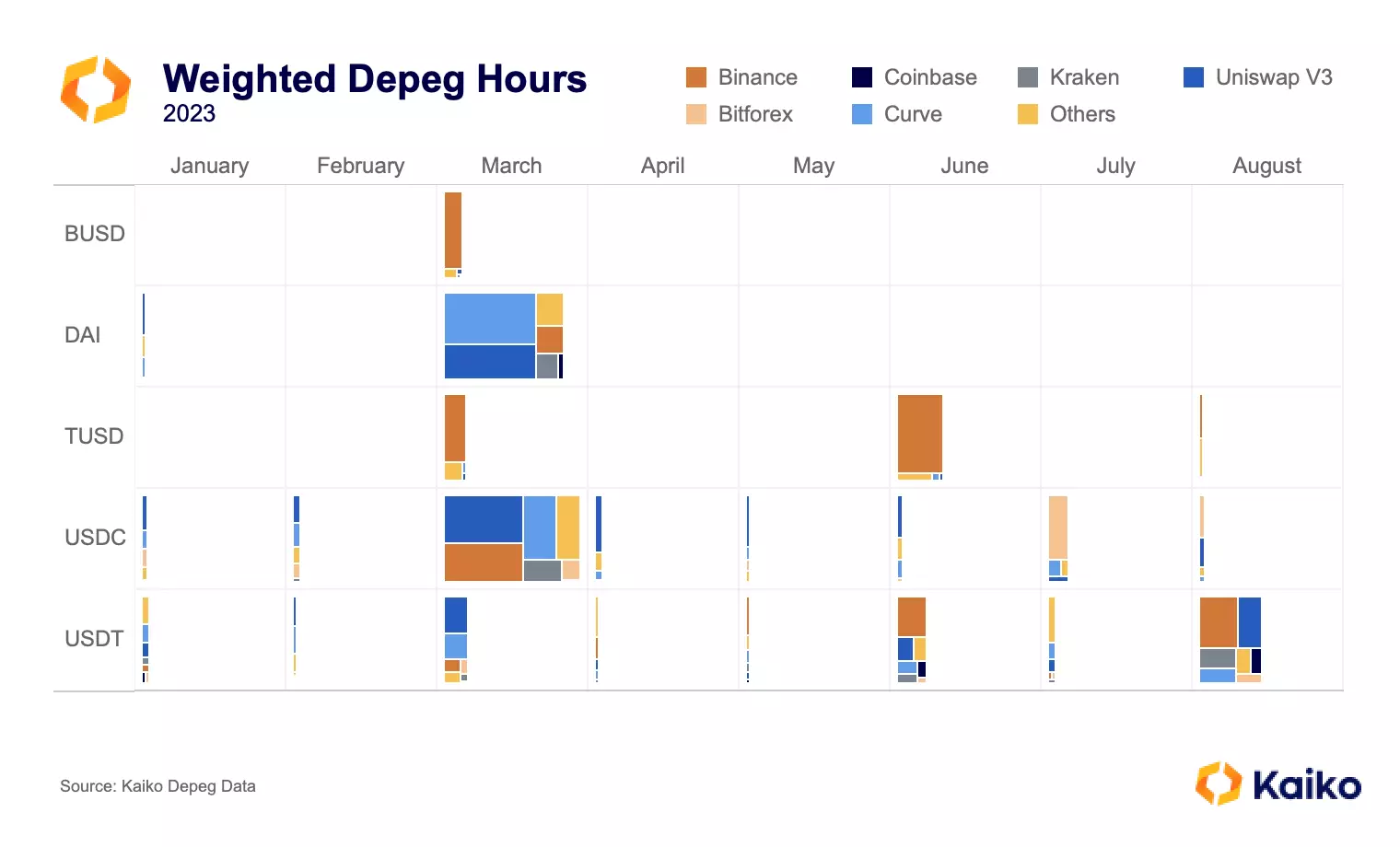
Binance USD is undergoing a mandated exit from the market following regulatory enforcement actions by New York authorities. This phase-out creates liquidity risks as users rush to convert holdings into alternative stablecoins. The abrupt reduction in supply may cause temporary price volatility and wider spreads. Market participants must navigate this transition carefully, understanding that BUSD\u0027s decoupling is a direct result of legal compliance failures rather than market sentiment. -
Dai DAI collateralization audits
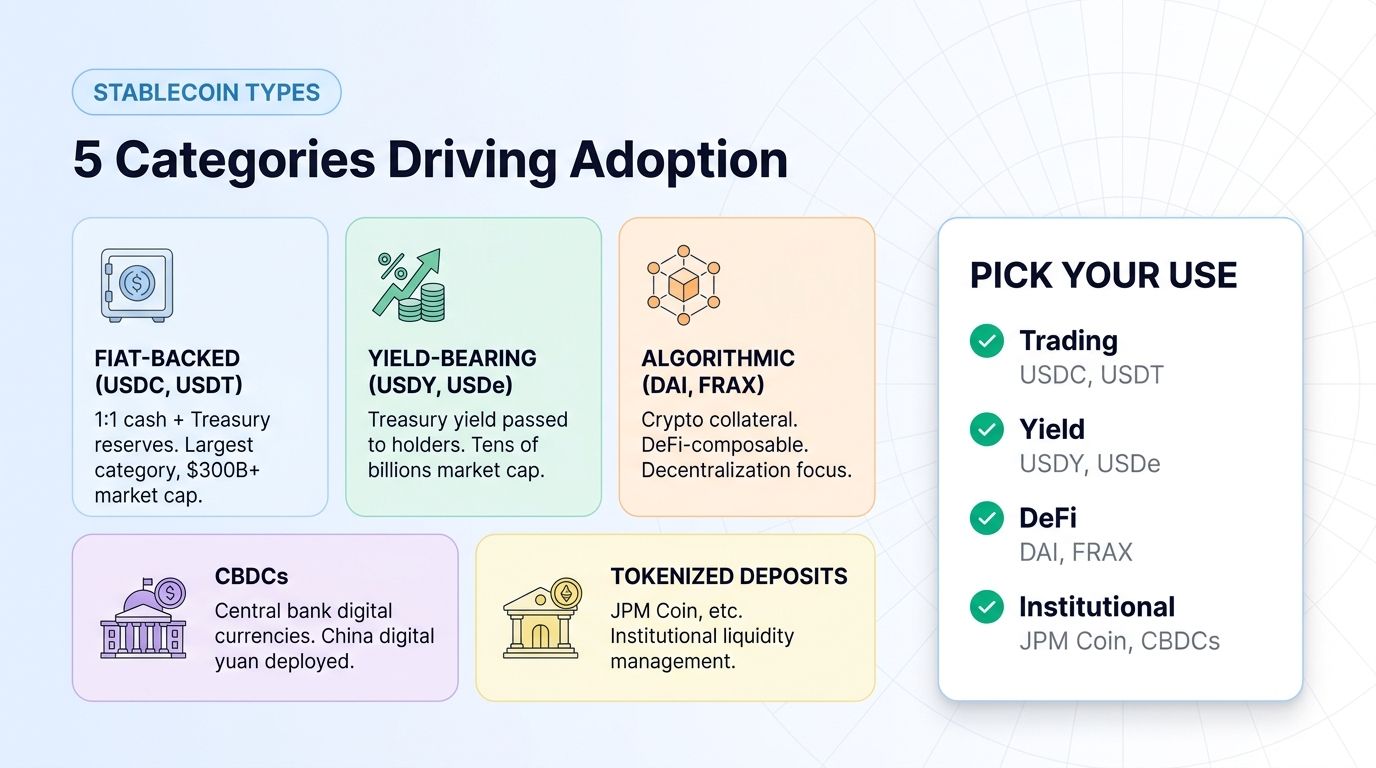
MakerDAO\u0027s DAI depends on complex overcollateralization models involving volatile crypto assets and real-world assets. Regular audits are critical to ensure the system maintains sufficient buffer against market crashes. If collateral values drop faster than liquidations can occur, the peg may break. Users must review audit reports for any gaps in risk management, as the protocol\u0027s stability hinges on accurate valuation and timely debt liquidation processes. -
Frax FRAX algorithmic stability risks
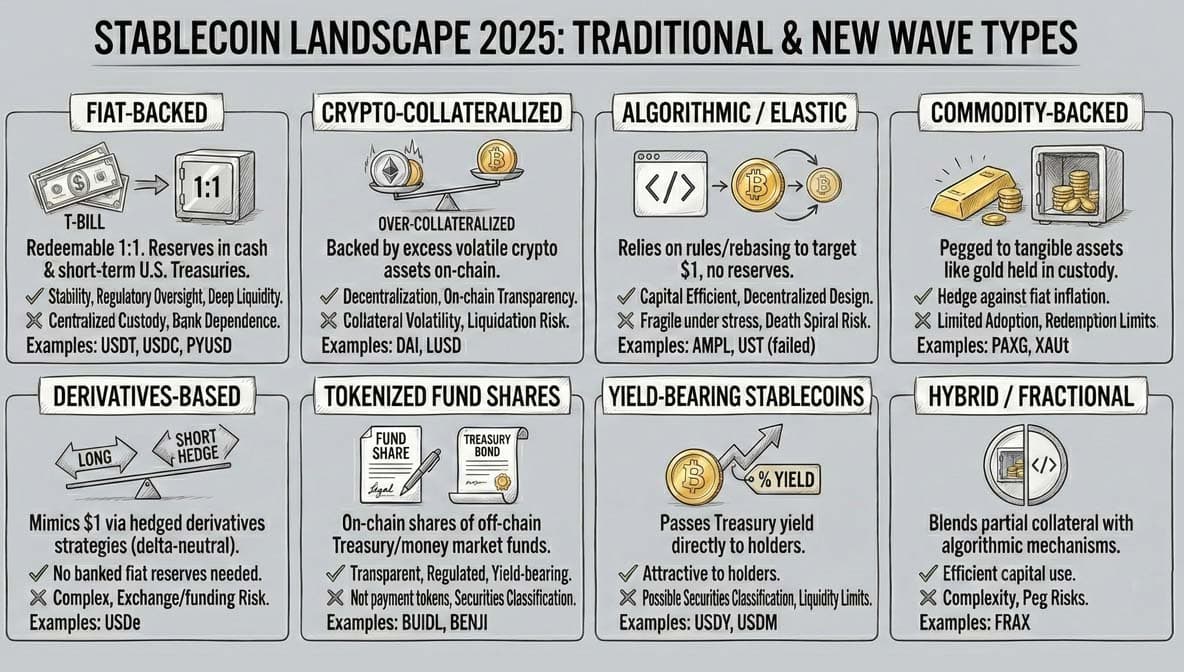
Frax employs a hybrid model combining partial collateralization with algorithmic mechanisms to maintain its peg. This design introduces unique risks if the algorithmic component fails to absorb market shocks effectively. Historical precedents show that partial backing can lead to instability during extreme volatility. Traders should assess the current collateral ratio and algorithmic parameters, as any failure in the rebalancing mechanism could result in significant depegging events.
How regulatory changes trigger depegs
Regulatory frameworks like the EU's Markets in Crypto-Assets (MiCA) and proposed US stablecoin bills are not just compliance checklists; they are active liquidity triggers. When regulators mandate reserve segregation or restrict access to US dollar bank accounts, the mechanical friction of redemption increases. This creates a narrow window where the cost of maintaining parity exceeds the benefit, inviting arbitrageurs to bet against the peg.
The mechanism is straightforward: sudden reserve freezes or delayed withdrawals erode trust faster than market volatility. As noted by the Bank Policy Institute, investors ran on USDT, resulting in a sizable depeg as USDT traded as low as $0.90 on some platforms on Oct. 15. Similarly, USDC traded below $1 during periods of banking uncertainty. Regulatory actions that limit the ability to move capital out of a reserve fund can replicate this exact scenario, turning a solvency issue into a liquidity crisis.
For 2026, the risk is not just about whether a stablecoin is backed by assets, but whether those assets are accessible. Tokenised liquidity reduces friction only when the underlying banking rails remain open. If a regulator freezes a custodian's accounts, the stablecoin issuer cannot honor redemptions immediately. This delay allows the market price to decouple, as seen in historical runs.
Investors must monitor not just the reserve composition, but the legal jurisdiction of the custodian. A stablecoin backed by US Treasury bills is only as safe as the banking infrastructure holding those bills. When regulatory pressure hits the custodian, the stablecoin depegs regardless of the asset quality. This dynamic makes regulatory exposure the primary predictor of short-term stability.
Tools to monitor stablecoin stability
Detecting early signs of depegging requires real-time risk intelligence, not retrospective analysis. Systems that combine FX-aware scoring with volatility detection and velocity-based escalation allow operators to identify liquidity stress before it triggers a cascade. Without this data infrastructure, tracking asset valuations onchain becomes impossible, leaving capital exposed to severe market disruptions.
Reliable monitoring relies on primary data sources. Official reports from industry infrastructure providers like ZeroHash indicate that stablecoins have moved from experimentation into core financial infrastructure, making continuous surveillance a compliance and security necessity. Operators should prioritize tools that offer multi-dimensional risk signals rather than simple price feeds.
To secure capital during these volatile periods, transferring stablecoins to hardware wallets is a critical defensive measure. Physical isolation prevents exchange insolvency from affecting your holdings.

As an Amazon Associate, we may earn from qualifying purchases.
Frequently asked questions about depeg risks
What is the best stablecoin in 2026?
Market share currently favors Tether (USDT), which holds the largest market cap and drives the majority of trading volume. However, for investors prioritizing regulatory safety and transparency, USD Coin (USDC) remains the standard. Newer entrants like USD1 are also gaining traction as growth-focused alternatives in a maturing market.
What is the state of stablecoins in 2026?
Stablecoins have transitioned from experimental crypto assets into core financial infrastructure. According to the 2026 Stablecoin Momentum Report, the sector has crossed a critical threshold, with stablecoins now integral to broader financial systems rather than just niche digital exchanges.
Can stablecoin depeg?
Yes. A depeg occurs when a stablecoin loses its 1:1 parity with its underlying asset, such as the U.S. dollar. These events are often triggered by liquidity crunches or loss of confidence, causing severe market disruptions. Tracking these risks requires reliable onchain data infrastructure to monitor asset valuations in real time.
No comments yet. Be the first to share your thoughts!