
Stablecoins are supposed to offer peace of mind in crypto, but 2025 is proving that even the most trusted pegs can slip. From algorithmic experiments to regulatory shakeups and liquidity crunches, the risk of depegging remains front and center for DeFi investors. So how do you actually hedge against stablecoin depeg events in this fast-evolving landscape? Let’s break down five advanced strategies that go beyond the basics and help you build real resilience into your crypto portfolio.
1. Purchase Depeg Protection Derivatives
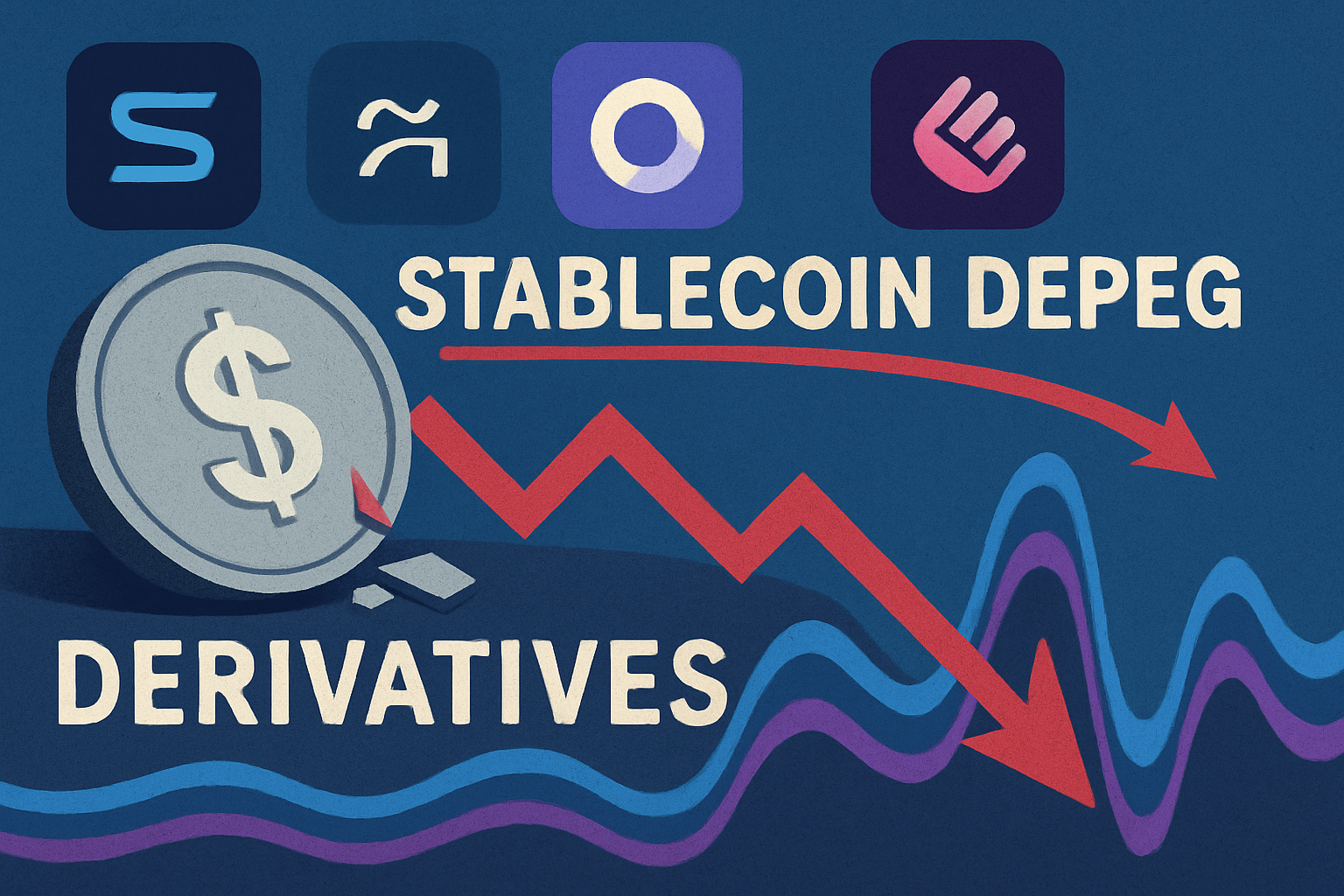
If you want direct, on-chain protection against a stablecoin losing its peg, derivatives are your new best friend. Platforms like Synthetix, Polynomial, and Ribbon Finance now offer options and swaps designed specifically for depeg events. For example, you can buy a put option on USDC or DAI that pays out if the price drops below $0.98 for a set period, essentially acting as insurance against sudden devaluation.
This approach lets you hedge against stablecoin depeg 2025 scenarios with surgical precision. The key is to monitor premiums and strike prices closely; during periods of market stress, the cost of these derivatives can spike sharply. But when used proactively, they’re an efficient way to offset potential losses without selling your underlying assets.
2. Diversify Across Multiple Stablecoins and Blockchains
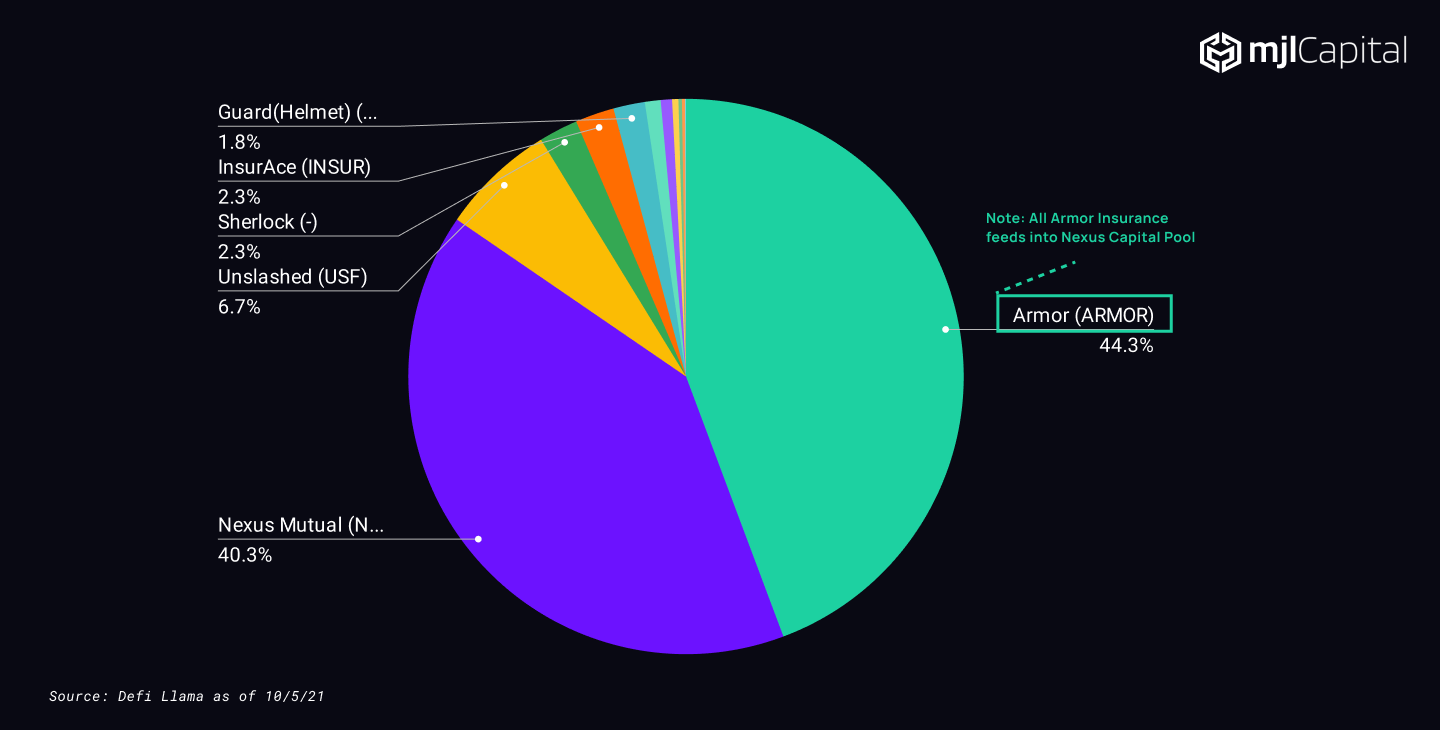
The days of going all-in on one stablecoin (or even one blockchain) are over. Smart DeFi investors now spread risk by allocating funds across a basket of fiat-backed (like USDC or USDT), crypto-collateralized (like DAI), and algorithmic stablecoins (like FRAX). Even better: deploy assets across multiple chains such as Ethereum, Arbitrum, and Solana.
This diversification helps reduce single-point-of-failure risk, a lesson hard learned from past depeg crises like UST in 2022 or isolated chain outages since then. If one asset or network stumbles, your exposure is automatically limited. For more on this topic, check out our deep dive at How to Hedge Against Stablecoin Depegs in DeFi 2025.
3. Leverage Protocol Risk Insurance
Decentralized insurance providers have stepped up their game for 2025, offering policies tailored for stablecoin depegs as well as smart contract failures. Nexus Mutual, InsurAce, and Sherlock each provide coverage that pays out if a covered coin (say DAI or USDC) falls below its peg for a specified time window.
This is more than just peace of mind, it’s crypto portfolio protection with defined triggers and transparent claims processes. While premiums vary based on market conditions and protocol risk scores, having insurance coverage means you’re not left empty-handed if disaster strikes.
Why These Strategies Matter More Than Ever in 2025
The regulatory environment is tightening globally while technical risks remain ever-present, from oracle exploits to liquidity shocks on both CEXs and DEXs. As we’ve seen with recent events tracked by platforms like DepegWatch. com, staying ahead requires not just vigilance but also action using purpose-built tools.
Top 5 Advanced Stablecoin Depeg Hedging Strategies (2025)
- Diversify Across Multiple Stablecoins and Blockchains: Lower your risk by spreading funds across a basket of stablecoins—including fiat-backed (like USDC), crypto-collateralized (like DAI), and algorithmic options—while deploying assets on multiple chains such as Ethereum, Arbitrum, and Solana. This reduces exposure to any single failure point.
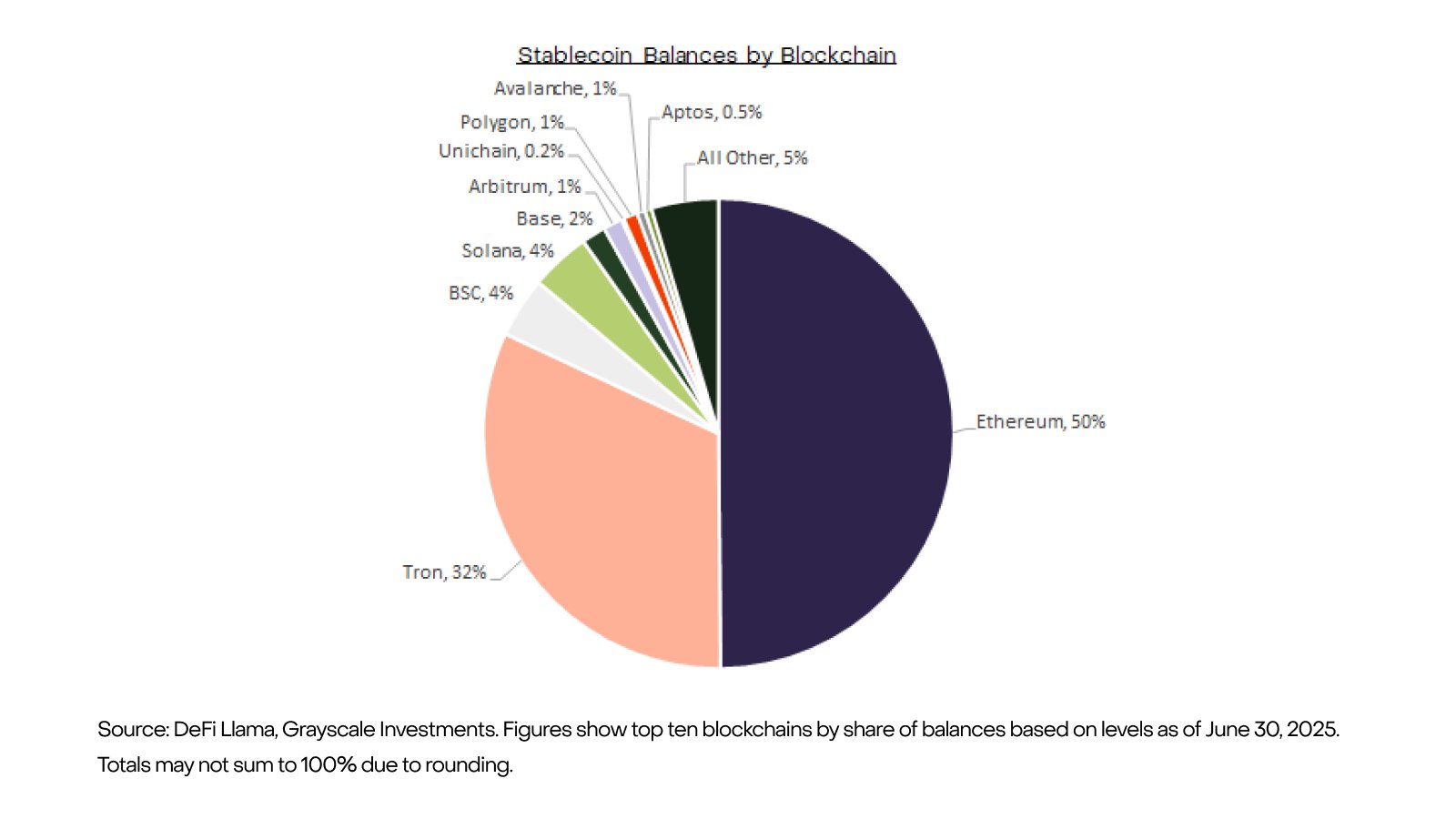
- Leverage Protocol Risk Insurance: Protect your portfolio by obtaining coverage from decentralized insurance providers such as Nexus Mutual, InsurAce, or Sherlock. These platforms offer policies against stablecoin depegs and smart contract failures.
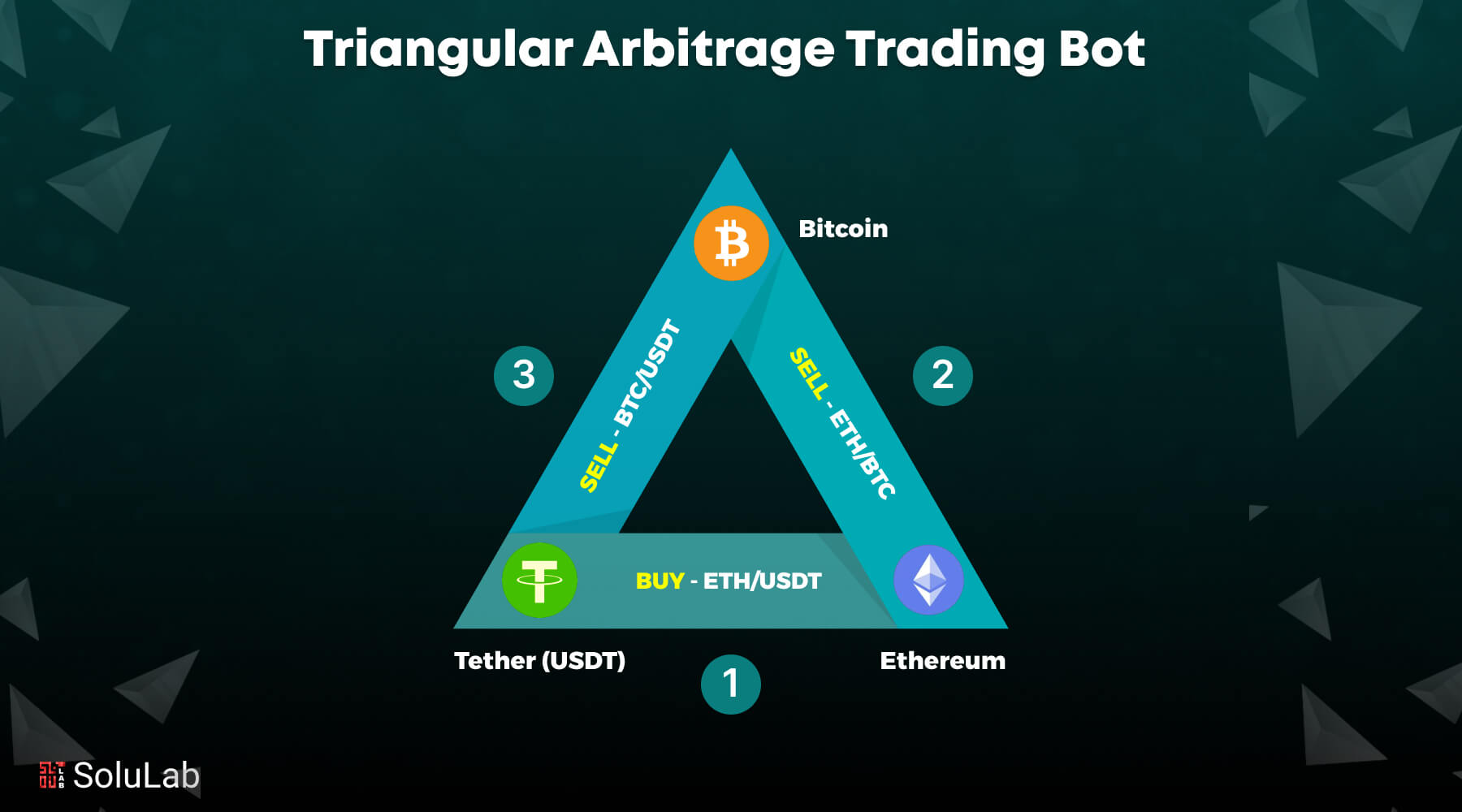
- Engage in Stablecoin Arbitrage Strategies: Actively monitor and exploit price discrepancies between stablecoins on centralized and decentralized exchanges. Profiting from temporary depegs allows you to rebalance and minimize risk exposure. Tools like 1inch and Matcha can help identify arbitrage opportunities.
- Purchase Depeg Protection Derivatives: Use on-chain derivatives platforms like Synthetix, Polynomial, or Ribbon Finance to buy options or swaps that pay out if a stablecoin (such as USDT, USDC, or DAI) loses its peg in 2025.
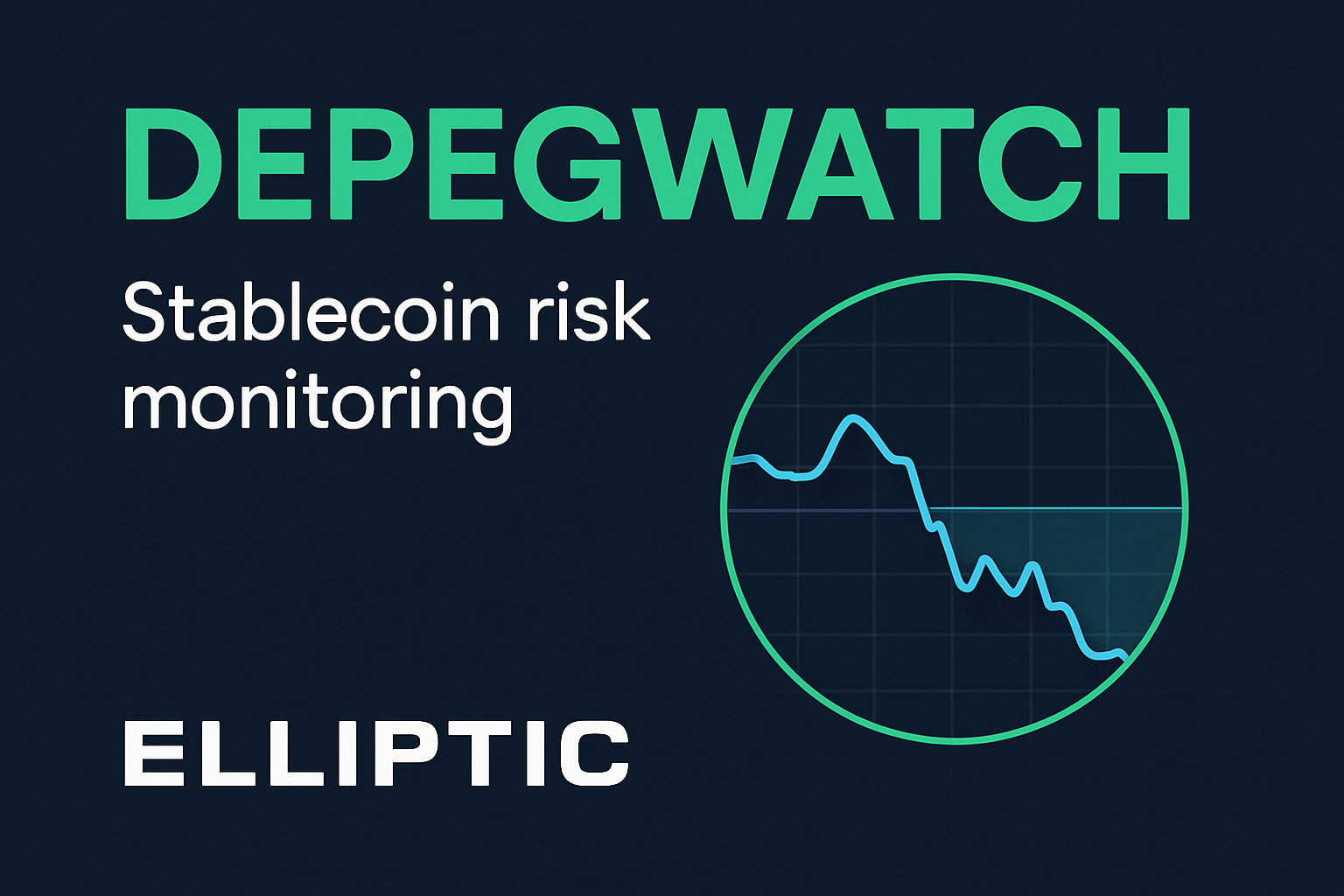
- Utilize Automated Risk Monitoring Tools: Integrate real-time analytics from platforms like DepegWatch.com or Elliptic to receive instant alerts on depeg risks, liquidity shifts, and protocol vulnerabilities—empowering you to make timely portfolio adjustments.
4. Engage in Stablecoin Arbitrage Strategies
One of the most dynamic ways to manage depeg risk is through active arbitrage. When a stablecoin slips below $1 on one exchange but remains pegged elsewhere, arbitrageurs can buy low and sell high, restoring the peg while pocketing a profit. With tools now available for cross-chain and cross-platform trading, you can automate this process to react instantly to price discrepancies between CEXs and DEXs.
This isn’t just about chasing quick gains. Arbitrage strategies help you rebalance your portfolio when a depeg event occurs, reducing your exposure to unstable assets and keeping your holdings closer to their intended value. For those willing to stay alert and move fast, it’s an advanced DeFi risk management strategy that rewards both vigilance and technical skill.
5. Utilize Automated Risk Monitoring Tools
In 2025, real-time analytics are not optional, they’re essential for anyone serious about crypto portfolio protection. Platforms like DepegWatch. com and Elliptic provide live alerts on peg deviations, liquidity changes, and protocol vulnerabilities. These tools integrate directly with your wallets or trading dashboards, so you’re notified the moment something goes off-script.
Automated monitoring lets you act before losses spiral out of control, whether that means selling into another stablecoin, triggering a derivative hedge, or filing an insurance claim. It turns risk management from a reactive chore into a proactive edge.
Building Your 2025 Stablecoin Hedge Playbook
The reality is that no single approach will fully shield you from every possible depeg event or protocol failure. The most resilient DeFi investors combine multiple strategies: they hold a diversified basket of stablecoins across chains, purchase targeted derivatives for high-risk assets, maintain insurance coverage for catastrophic events, exploit arbitrage opportunities as they arise, and use automated tools to stay ahead of market shifts.
If you’re looking for actionable guides on implementing these tactics step-by-step, including platform walkthroughs and risk scoring, explore our resources at How to Hedge Against Stablecoin Depegs: Tools, Protocols and Strategies for 2025.
Staying protected in DeFi means more than just hoping your stablecoins hold their peg, it’s about building layered defenses using the smartest tools available today. With these advanced strategies in your arsenal, you’ll be ready for whatever 2025 throws at the crypto markets.




No comments yet. Be the first to share your thoughts!