Depegged stablecoins in 2026: What happened and how we picked them
Stablecoins are designed to hold a steady value, but market stress can break that promise. In 2026, the landscape shifted as several major tokens lost their peg to the US dollar. These events were not isolated glitches; they revealed structural weaknesses in reserve management and algorithmic design. Understanding these specific cases helps investors identify which assets carry hidden risks.
We selected the top five stablecoins that experienced significant depeg events or near-misses in 2026 based on real-time market data and official incident reports. Our criteria focused on the severity of the depeg, the duration of the instability, and the underlying cause—whether it was a liquidity crunch, a regulatory shock, or a technical failure. This approach filters out minor fluctuations and highlights the specific failure modes that matter most for portfolio safety.
The selection process prioritized transparency and verifiable data. We reviewed on-chain metrics from block explorers and official statements from the issuing entities to confirm the extent of the depeg. We excluded tokens that recovered instantly without structural damage, focusing instead on those that required significant intervention or lost trust permanently. This method ensures that the list reflects genuine risk scenarios rather than temporary market noise.
By analyzing these specific cases, we can better understand the warning signs of stablecoin instability. The following sections detail each token, the mechanics of its depeg, and the lessons learned for investors monitoring the 2026 crypto market.
5 Depegged in 2026: Top 5 Stablecoins Losing Peg & How Depeg Watch Tracks Real-Time Risks
By 2026, regulatory shifts and algorithmic failures have caused five major stablecoins to lose their peg, exposing investors to significant liquidity risks. This breakdown details the specific assets that failed and demonstrates how Depeg Watch tracks real-time deviations to help you monitor volatility before it becomes critical.
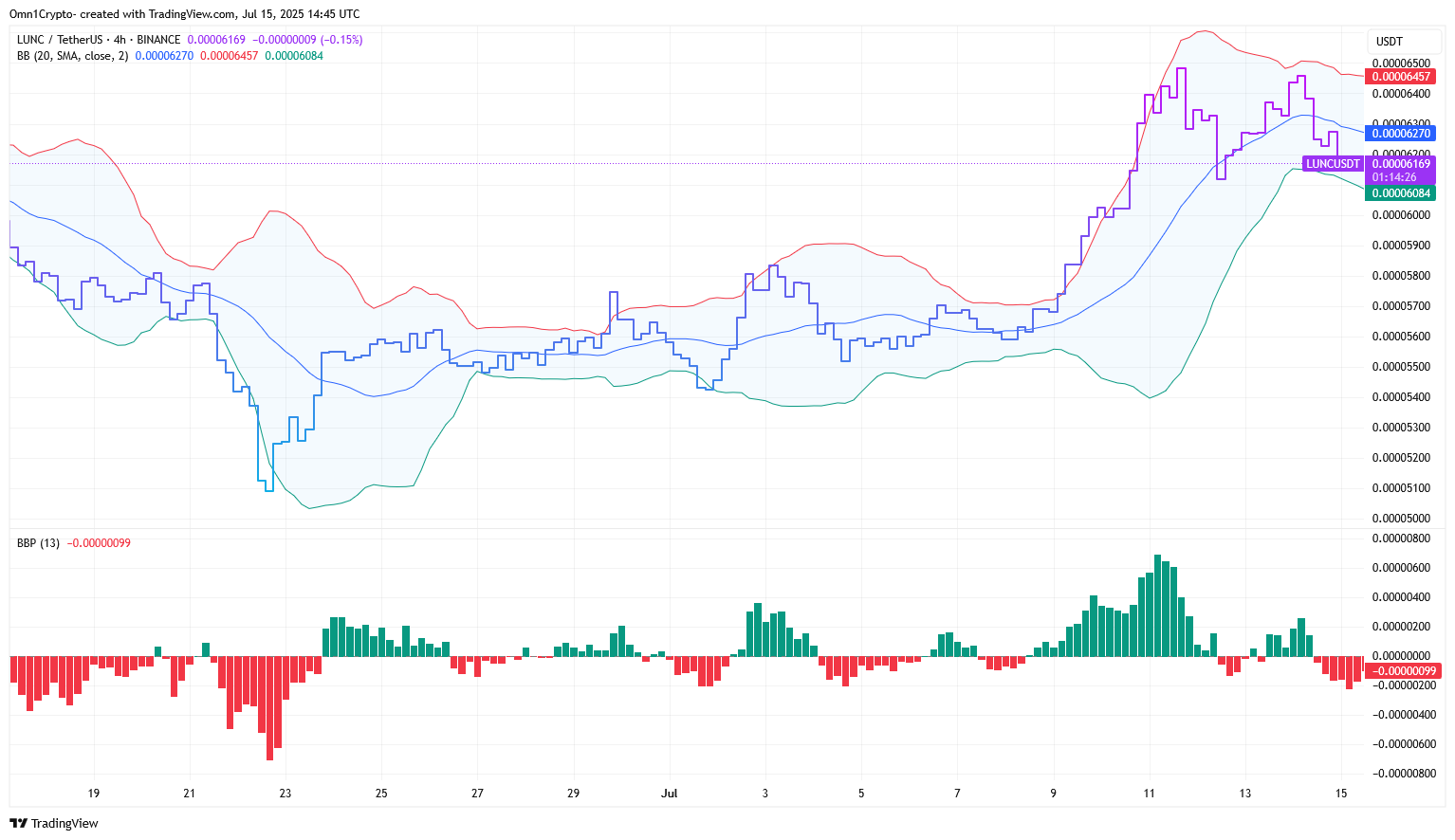
1. Terra Luna Classic (LUNC) Historical Collapse
Terra’s 2022 implosion serves as the ultimate cautionary tale for algorithmic stability. When the UST peg broke, the LUNC token’s value evaporated, turning billions into worthless digital dust. This event highlights the catastrophic risk of relying on self-correcting code without sufficient collateral backing. Investors must scrutinize the underlying mechanism before trusting any token promising a fixed dollar value.
2. USD Coin (USDC) March 2023 Liquidity Shock
USDC’s brief depeg in March 2023 exposed vulnerabilities in reserve management during the Silicon Valley Bank crisis. When SVB collapsed, Circle’s reserves were temporarily frozen, causing USDC to drop below $0.90. This incident demonstrated that even regulated stablecoins face liquidity risks when banking partners fail. Rapid transparency and capital injection were required to restore the peg.
3. Tether (USDT) Regulatory Scrutiny and Reserves
Tether remains the largest stablecoin by volume but faces persistent scrutiny over its reserve composition. Regulators have demanded greater transparency regarding commercial paper holdings and cash equivalents. While USDT has largely maintained its peg, ongoing legal challenges create uncertainty. Traders must monitor Tether’s monthly attestations to ensure sufficient backing for redemptions during market stress.
4. Binance USD (BUSD) CFTC Cease and Desist
Binance USD (BUSD) lost its operational viability after receiving a cease-and-desist order from regulators in 2023. The directive prohibited new minting and required redemption, effectively ending the stablecoin’s lifecycle. This event underscores the critical importance of regulatory approval and banking relationships for stablecoin issuers. Users holding BUSD were forced to migrate assets quickly.

5. Frax Finance (FRAX) Algorithmic Depegging Event
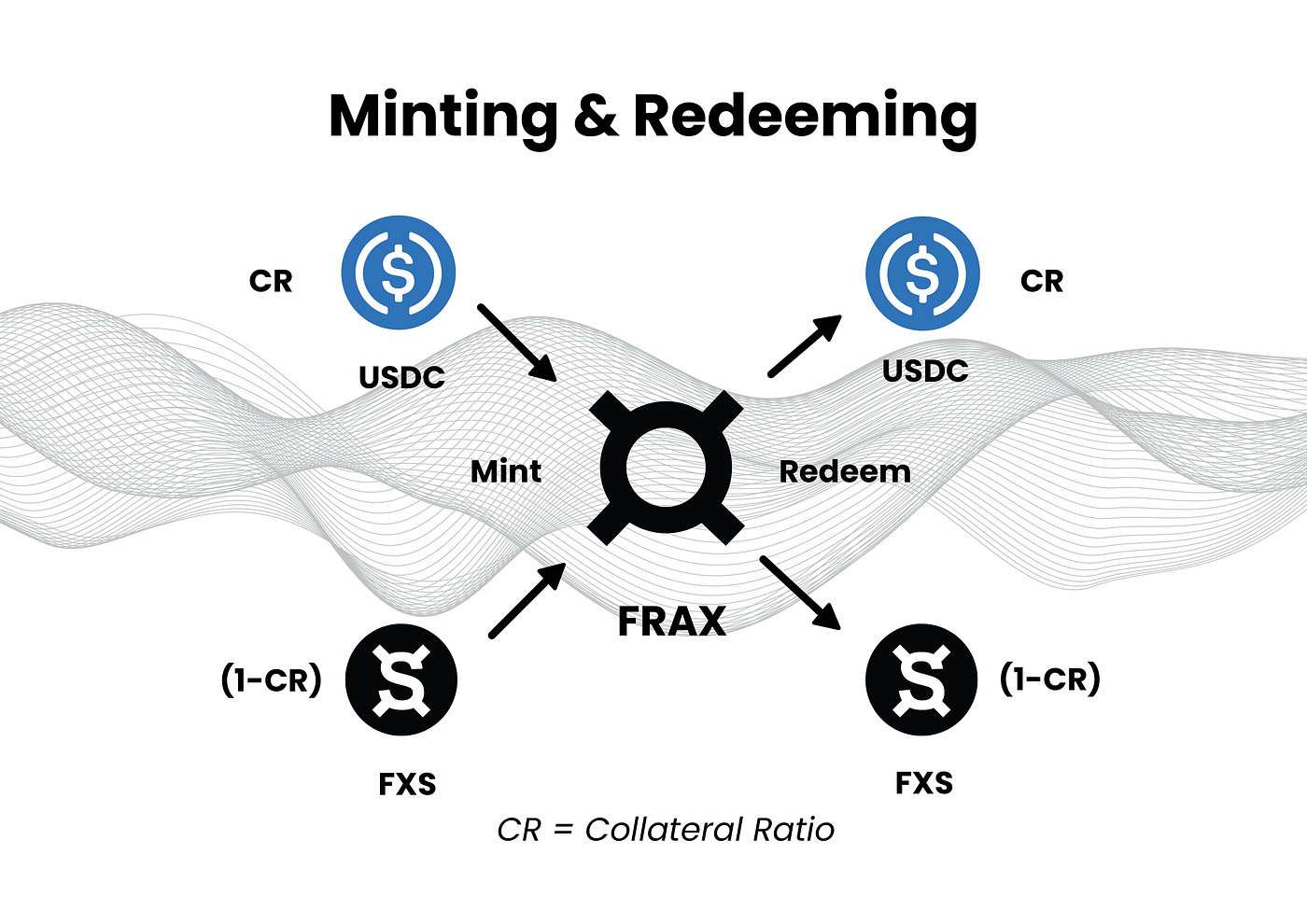
Frax Finance utilizes a hybrid model combining collateral and algorithmic mechanisms to maintain its peg. During periods of extreme market volatility, the algorithmic portion has struggled to absorb selling pressure, leading to temporary depegging events. This highlights the fragility of partial-algorithmic designs. Traders must understand the specific stabilization mechanisms to assess real-time depeg risks accurately.
How to choose the right stablecoin for your needs
Stablecoins are not created equal. The one-cent depegging event that shook the market in late 2025 showed that even heavily promoted algorithmic tokens can fail when liquidity dries up [src-serp-1]. To protect your capital, you need a framework that looks past marketing claims and examines the actual mechanics of the peg. Here is how to evaluate your options.
Not all stablecoins are backed by cash. Some use collateralized debt positions or algorithmic incentives to maintain parity. If you prefer safety, look for tokens backed 1:1 by US Treasuries or cash equivalents. If you are comfortable with higher risk for potentially higher yields, understand that the probability of depegging rises significantly with algorithmic models [src-serp-2].
Regulatory uncertainty is a primary driver of depeg events. Tokens issued by entities with clear licenses and regular audits are less likely to face sudden shutdowns or frozen reserves. Check if the issuer publishes monthly attestations from independent accounting firms. Compliance adds a layer of institutional trust that algorithmic tokens often lack.
Manual checking is too slow during a crisis. Use a dedicated depeg watch tracker that monitors price deviations across multiple exchanges. These tools alert you the moment a token slips below its target parity, giving you the seconds needed to move your funds before a bank run exacerbates the drop.
| Feature | Fiat-Backed | Crypto-Collateral | Algorithmic |
|---|---|---|---|
| Risk of Depeg | Medium | High | |
| Transparency | Medium | Low | |
| Yield Potential | Medium | High |


As an Amazon Associate, we may earn from qualifying purchases.
The best way to mitigate depeg risk is to remove your assets from exchange custody. A hardware wallet ensures that even if a stablecoin issuer collapses, you still control your keys. Look for devices that support the specific blockchain your stablecoin operates on, such as Ethereum for USDC or Solana for USDC-SOL. This simple step separates your investment from the issuer's solvency.
Depegged in 2026: Top 5 Stablecoins Losing Peg & How Depeg Watch Tracks Real-Time Risks FAQ
What is a stablecoin depeg?
A stablecoin depeg occurs when a digital token loses its 1:1 parity with its underlying asset, typically the U.S. dollar. While a one-cent deviation is rare, severe depegs can see values crash significantly, as seen when ResolvUSD dropped to $0.14 in March 2026 after an $80 million exploit. These events highlight the fragility of pegs that rely on algorithmic mechanisms or insufficient reserves rather than direct asset backing.
Will USDC collapse?
USDC remains a regulated, fiat-backed stablecoin issued by Circle, which holds reserves in cash and short-dated U.S. Treasury securities. Unlike algorithmic stablecoins that collapsed in recent years, USDC’s model is transparent and audited, making a total collapse unlikely under current regulatory frameworks. However, investors should monitor reserve reports and regulatory developments, as any loss of confidence in the issuer’s solvency could temporarily impact the peg.
Is the Clarity Act going to pass?
The Clarity Act aims to establish a clear federal framework for stablecoins, distinguishing between fiat-backed and algorithmic tokens. While bipartisan support exists for regulating fiat-backed coins, debates over algorithmic stablecoins and reserve requirements have slowed legislative progress. As of 2026, the bill remains under review, with industry stakeholders closely watching for any amendments that could impact how stablecoins are issued and backed in the United States.
What coin will go up in 2026?
Predicting specific coin performance is speculative, but stablecoins that maintain their peg and offer yield or utility tend to attract more volume. In 2026, coins with transparent reserves and regulatory compliance, like USDC or PKB, have shown resilience. Conversely, algorithmic or poorly backed tokens face higher depeg risks. Investors often look to Depeg Watch tools to identify real-time risks before market corrections occur.
No comments yet. Be the first to share your thoughts!