
What Is a Stablecoin Depeg in 2026?
A stablecoin depeg happens when a token designed to hold a value of exactly $1 trades significantly away from that target and fails to quickly return to parity. This loss of the 1:1 peg undermines the core promise of stablecoins: to provide a predictable medium of exchange and store of value without the wild volatility seen in other crypto assets.
The mechanics of a depeg vary. In a "soft" depeg, the price might dip to $0.98 or rise to $1.02 during periods of extreme market stress or liquidity shortages, often recovering as arbitrageurs step in. A "hard" depeg is far more severe, where the token loses its backing or the mechanism to redeem it fails, sending the price into a freefall. These events can trigger cascading liquidations across decentralized finance (DeFi) protocols, as borrowers face margin calls and lenders scramble to recover funds.
In 2026, the landscape has shifted from speculative bubbles to infrastructure stress tests. As stablecoins increasingly function as global payment rails for cross-border transfers and B2B settlements, the cost of a depeg is no longer just a crypto-native problem. It impacts real-world treasury operations and remittance flows. This heightened utility has driven the development of AI-driven liquidity pools, which aim to stabilize prices by dynamically adjusting incentives and providing deeper buffers against sudden sell-offs.
Stablecoin depeg 2026 choices that change the plan
When a stablecoin loses its 1:1 peg with the U.S. dollar, the immediate reaction is panic, but the long-term damage depends on the underlying structure. A depeg is not just a price dip; it is a failure of the mechanism designed to maintain parity. In 2026, the market has shifted from purely algorithmic models to hybrid systems that use AI-driven liquidity pools to absorb shocks. However, these new systems introduce their own set of tradeoffs that traders must evaluate before committing capital.
The primary tradeoff lies between yield and resilience. Higher yields often come from complex collateralization or algorithmic rebalancing, which can fail during high-volatility events. The October 2025 depeg of USDe, an algorithmic stablecoin, highlighted the risks of relying on synthetic backing without sufficient liquid reserves. While AI liquidity pools can theoretically stabilize prices by dynamically adjusting supply and demand, they rely on continuous market participation. If liquidity dries up, the AI has no data to act on, and the peg breaks.
To navigate this landscape, you must evaluate three concrete factors: collateral transparency, liquidity depth, and the speed of rebalancing. Collateral transparency ensures that the assets backing the stablecoin are real and accessible. Liquidity depth determines how much volume is needed to move the price away from $1. Rebalancing speed measures how quickly the system can correct deviations. These factors are not abstract; they are the difference between a temporary dip and a permanent loss of value.
The following comparison table breaks down these tradeoffs across the most prominent stablecoin models in 2026. Use this to assess which type of stablecoin aligns with your risk tolerance.
Understanding these tradeoffs is essential for protecting your portfolio. The 2026 stablecoin market is not monolithic; it is a spectrum of risk and reward. By focusing on concrete factors like collateral transparency and liquidity depth, you can make informed decisions that prioritize stability over speculative yield. Always verify the current state of the peg before entering or exiting positions, as market conditions can shift rapidly.
How to evaluate AI-driven liquidity pools for stability
When a stablecoin depegs, it means the token trades meaningfully away from its $1 peg and fails to recover quickly. In 2026, the primary defense against this collapse is not just reserves, but the liquidity infrastructure itself. AI-driven pools use predictive algorithms to manage depth and volatility in real time, but not all implementations are equal. You need a framework to separate robust systems from fragile ones.
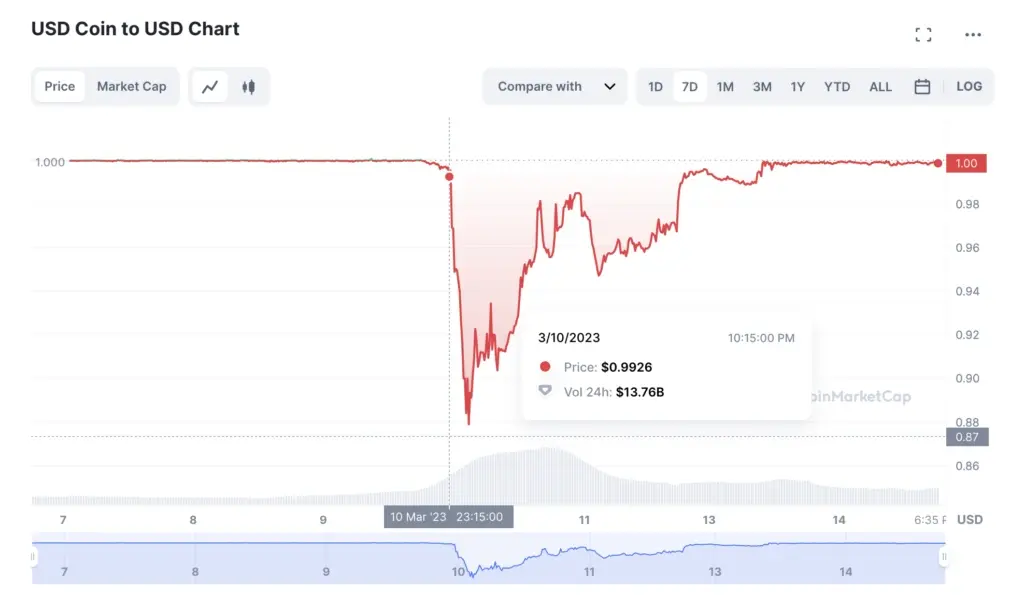
AI systems can fail silently if their decision-making is opaque. Look for pools that publish their governance rules and risk parameters. The AI should act as a tool within a human-led framework, not a black box that controls your funds without oversight. Transparent governance ensures that if the algorithm misprices liquidity, there is a clear path for intervention.
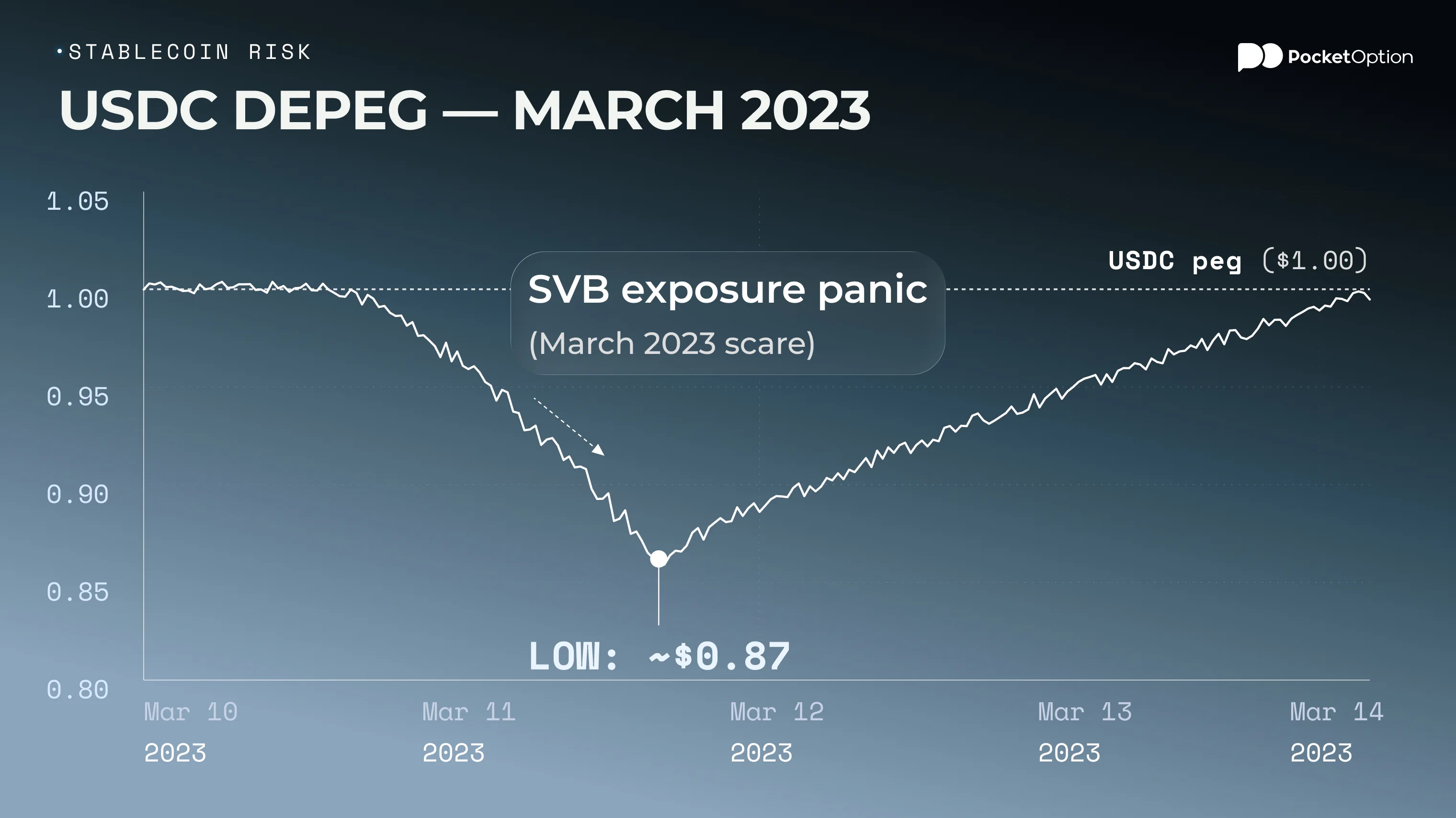
A stablecoin’s health depends on its ability to absorb sell pressure without slippage. Evaluate whether the pool uses AI to monitor order book depth continuously. The system should automatically adjust incentives or pull liquidity from risky pairs when volatility spikes. If the pool relies on static reserves, it cannot react fast enough to prevent a cascade failure.

2026 stablecoin trends show a shift toward global payment rails, meaning liquidity is often spread across multiple blockchains. Ensure the AI pool can monitor and rebalance assets across these chains. A siloed system leaves your funds vulnerable to depegging events on other networks. True stability requires a unified view of risk across the entire ecosystem.
| Feature | Traditional Pools | AI-Driven Pools |
|---|---|---|
| Reaction Time | Minutes to hours | Milliseconds |
| Risk Detection | Post-mortem analysis | Predictive modeling |
| Liquidity Sourcing | Static reserves | Dynamic cross-chain rebalancing |
The goal is to find a system that acts as a shock absorber. By prioritizing transparent governance, real-time depth monitoring, and cross-chain awareness, you can identify liquidity pools that are built to withstand the volatility of the modern crypto market.
Watchouts in the Depeg Crisis
Stablecoins are becoming a global payment rail, but the infrastructure is not infallible. A depeg happens when a token trades meaningfully away from its $1 target and fails to snap back quickly. This disconnect undermines trust and impacts financial outcomes for users and issuers alike.
When analyzing 2026 market trends, avoid these common pitfalls:
Ignoring Liquidity Depth High trading volume means little if the order book is thin. In a crisis, slippage can erase gains before you exit. Check the depth of the pool, not just the volume.
Assuming All Pegs Are Equal Not all stablecoins are backed by cash. Some use algorithms or crypto collateral. These mechanisms behave differently under stress. Know what backs the token you hold.
Overlooking Regulatory Shifts 2026 brings new compliance layers. Projects without clear regulatory alignment face sudden delistings. This is a real risk for smaller, less established tokens.
Chasing Yield Blindly High yields often signal high risk. If a stablecoin offers returns far above market rates, the peg may be under pressure. Sustainable yields come from real utility, not desperation.
Stay alert to these weak signals. They are the early warnings of a potential collapse.
Stablecoin depeg 2026: what to check next
These answers address the most common concerns regarding stability and market structure. Understanding the mechanics of depegging and the current leaders in the space provides a clear baseline for evaluating new AI-driven solutions.
No comments yet. Be the first to share your thoughts!