What Is a Stablecoin Depeg in 2026?
A stablecoin depeg happens when a token designed to hold a fixed value—usually $1—trades significantly away from that target. In 2026, this isn't just a minor fluctuation; it is a structural failure where the mechanism maintaining parity breaks down. Unlike normal market volatility, a depeg persists because the underlying system can no longer enforce the 1:1 relationship with the dollar.
The causes generally split into two camps: algorithmic failures and regulatory pressure. Algorithmic depegging stems from broken code, insufficient collateral reserves, or loss of confidence in the mint-and-burn model. Regulatory depegging results from sudden compliance mandates, frozen bank accounts, or legal rulings that restrict the stablecoin issuer's ability to redeem tokens. Identifying which force is at play determines how you should react.
| Cause Type | Primary Trigger | Typical Recovery | Risk Signal |
|---|---|---|---|
| Algorithmic | Code exploit or reserve shortfall | Slow, often permanent loss | |
| Regulatory | Compliance enforcement or asset freeze | Immediate, upon resolution |
When assessing a potential depeg, look at the reserve proof and the legal jurisdiction of the issuer. If the reserve is opaque or the issuer faces active litigation, the risk of a sustained depeg rises sharply. Always verify the real-time availability of assets before assuming the peg holds.
Stablecoin depeg 2026 choices that change the plan
A stablecoin depeg means a token designed to hold a fixed value—usually $1—trades significantly away from that target and fails to recover quickly. In 2026, the risk landscape is split between algorithmic failures and regulatory pressure. Understanding which mechanism protects your capital requires comparing how different stablecoins handle stress.
| Type | Backing Mechanism | Depeg Risk Source | Recovery Speed |
|---|---|---|---|
| Fiat-Backed | 1:1 cash reserves | Regulatory seizure or bank failure | Fast if reserves are liquid |
| Crypto-Backed | Overcollateralized crypto assets | Market volatility of collateral | Slow; liquidations take time |
| Algorithmic | Supply/demand algorithms | Run on the protocol or confidence loss | Unpredictable; often permanent |
The tradeoff is simple: stability versus control. Fiat-backed coins offer the fastest recovery but depend entirely on traditional banking infrastructure. Crypto-backed coins give you self-custody but suffer from slower recovery times during market crashes. Algorithmic models offer the lowest capital costs but carry the highest risk of permanent depegging.
When evaluating these tradeoffs, look at the reserve composition and the legal structure behind the issuer. A depeg is not just a price drop; it is a failure of the redemption mechanism. Check if the reserves are held in segregated accounts or if they are exposed to the issuer's operational risks.
For most users, the choice comes down to trust assumptions. If you trust banks and regulators, fiat-backed coins are the safest bet. If you distrust centralized entities, crypto-backed coins are the better option, provided you accept the volatility risk. Algorithmic coins should be avoided for any capital you cannot afford to lose.
How to decide if a stablecoin depeg is a bug or a feature
A stablecoin depeg is when a token designed to be worth exactly $1 trades meaningfully away from that peg and does not quickly return, according to Stablecoin Insider. The 2026 crisis is not a single event but a spectrum of failures. To navigate it, you must determine if the depeg is caused by algorithmic mechanics or regulatory pressure.
1. Check the backing structure
Algorithmic stablecoins rely on market mechanisms to maintain parity, while fiat-backed coins rely on reserves. If the underlying asset is volatile or unverified, a depeg is likely a structural failure rather than a temporary market fluctuation.
2. Verify reserve transparency
Regulatory pressure often targets opaque reserves. Look for real-time attestations from audited firms. If a stablecoin cannot prove its 1:1 backing, the risk of a permanent depeg is high, regardless of short-term price stability.
3. Monitor on-chain liquidity
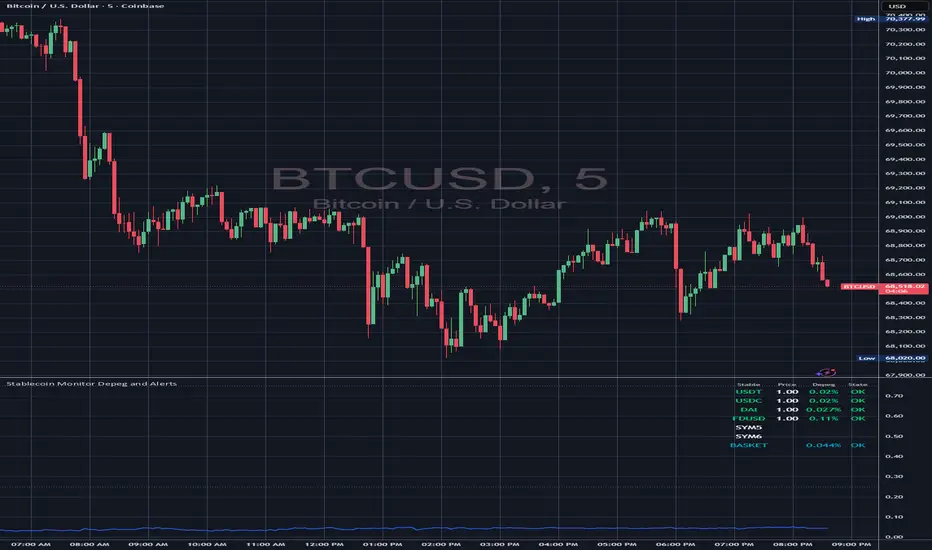
Low liquidity amplifies depeg severity. Use a
to check if trading volume supports the current price. A drop in volume during a price dip suggests the market cannot absorb the sell-off, increasing depeg risk.4. Assess regulatory exposure
Stablecoins facing immediate regulatory scrutiny may depeg due to fear of seizure or delisting, not lack of funds. Check if the issuer is under investigation or has lost banking partners. This type of depeg is often temporary but requires careful timing.
5. Compare historical recovery
Look at how similar stablecoins recovered from past depegs. Algorithmic failures rarely recover fully, while regulatory scares often resolve quickly once clarity emerges. Use this pattern to estimate the likelihood of a return to parity.
6. Decide based on use case
If you need stability for payments, avoid any stablecoin with a recent depeg. For trading, assess if the depeg is a temporary arbitrage opportunity or a sign of systemic risk. Never hold a depegged stablecoin for long-term savings.
| Cause | Typical Duration | Recovery Likelihood |
|---|---|---|
| Algorithmic Failure | Days to Months | Low |
| Regulatory Pressure | Hours to Days | High |
Avoid the weak options
Use this section to make the Depeg Watch decision easier to compare in real life, not just on paper. Start with the reader's actual constraint, then separate must-have requirements from details that are merely nice to have. A practical choice should survive normal use, maintenance, timing, and budget. If a recommendation only works in an ideal situation, call that out plainly and give the reader a fallback path.
The simplest way to use this section is to write down the must-have criteria first, then compare each option against those criteria before weighing nice-to-have features.
Stablecoin depeg 2026: what to check next
The 2026 stablecoin landscape is defined by heightened scrutiny over algorithmic stability and regulatory compliance. Before allocating capital, it is essential to understand what constitutes a depeg, who holds the market, and the broader trajectory of these assets.
These clarifications help distinguish between market volatility and structural risk. Understanding the mechanics of depegs and the players involved is critical for navigating the 2026 market environment safely.
No comments yet. Be the first to share your thoughts!