
What is a depeg in stablecoins?
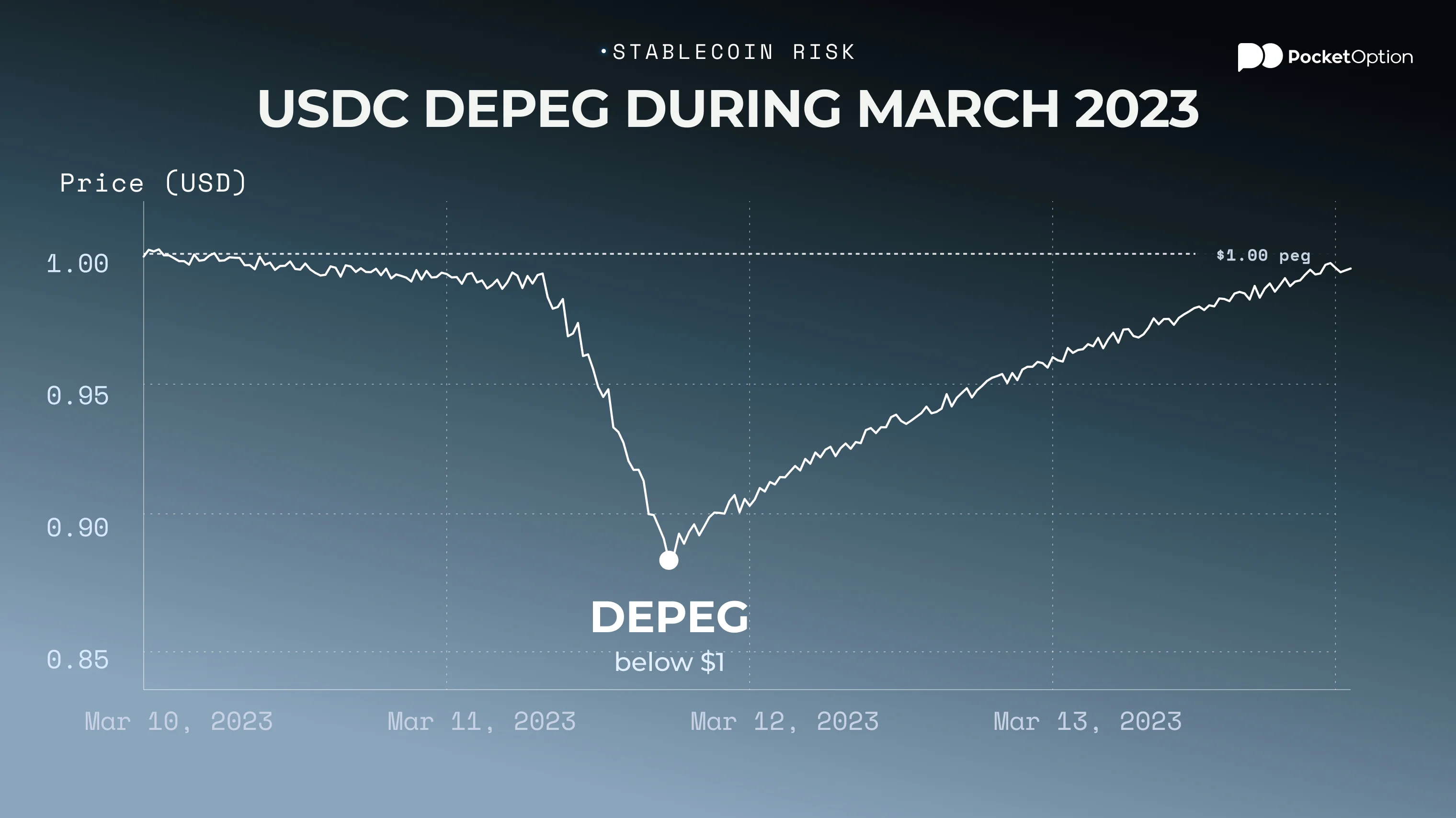
A depeg occurs when a stablecoin trades meaningfully away from its target value, usually $1.00, on secondary markets. This deviation can happen in two directions: the price drops below the peg (a discount) or rises above it (a premium).
The peg is the anchor that defines the asset's utility. When that anchor breaks, the stablecoin behaves like a volatile asset rather than a store of value. Understanding this mechanism is the first step in monitoring liquidity risks.
For most investors, the primary concern is a downward depeg. This signals that market participants no longer trust the issuer's ability to redeem tokens at face value. However, even upward deviations can create arbitrage risks or indicate severe liquidity shortages in the primary market.
Depeg watch choices that change the plan
Tracking stablecoin depegs requires balancing speed against accuracy. No single metric catches every liquidity crunch, and relying on one data source often leads to false alarms or missed signals.
When monitoring peg stability, evaluate these factors to distinguish between temporary market noise and structural failure.
| Factor | What It Shows | Blind Spot |
|---|---|---|
| Price Deviation | Immediate market sentiment and arbitrage activity | Can remain stable during low-volume periods |
| Reserve Transparency | Underlying asset quality and solvency | Lags real-time market pricing by days |
| Exchange Liquidity | Ability to exit positions without slippage | Does not reflect off-chain or OTC risks |
| On-Chain Volume | Active usage and holder conviction | Can be manipulated by wash trading |
Price deviation is the most visible signal. A stablecoin trading below $0.99 suggests sellers are outpacing buyers. However, this metric alone is insufficient. During periods of low trading volume, a stablecoin may appear pegged while actually facing severe liquidity constraints. Conversely, high volume can mask underlying reserve issues if the market remains confident in the issuer.
Reserve transparency provides a lagging indicator of solvency. Regular audits and proofs of reserves confirm that assets back the circulating supply. Yet, these reports often rely on quarterly snapshots. A stablecoin can look healthy in an audit while experiencing a run on deposits in the interim. Always check the date of the latest attestation.
Exchange liquidity determines your exit options. High liquidity on major platforms allows you to sell without significant price impact. If a stablecoin is delisted or trading halts on primary exchanges, the depeg can accelerate rapidly. Check multiple venues, including decentralized exchanges, to get a complete picture of available exit routes.
On-chain volume reflects genuine usage. High transaction counts suggest the stablecoin is being used for payments or DeFi activities rather than just speculation. However, volume can be inflated by wash trading. Cross-reference with unique wallet activity to verify organic demand.
How to spot a stablecoin depeg before it breaks
A depeg happens when a stablecoin trades significantly away from its $1.00 target, usually dropping into a discount during market stress. Because stablecoins rely on trust and liquidity rather than physical collateral, a loss of confidence can trigger rapid price decay. Spotting the early warning signs requires checking on-chain metrics, reserve transparency, and market depth.
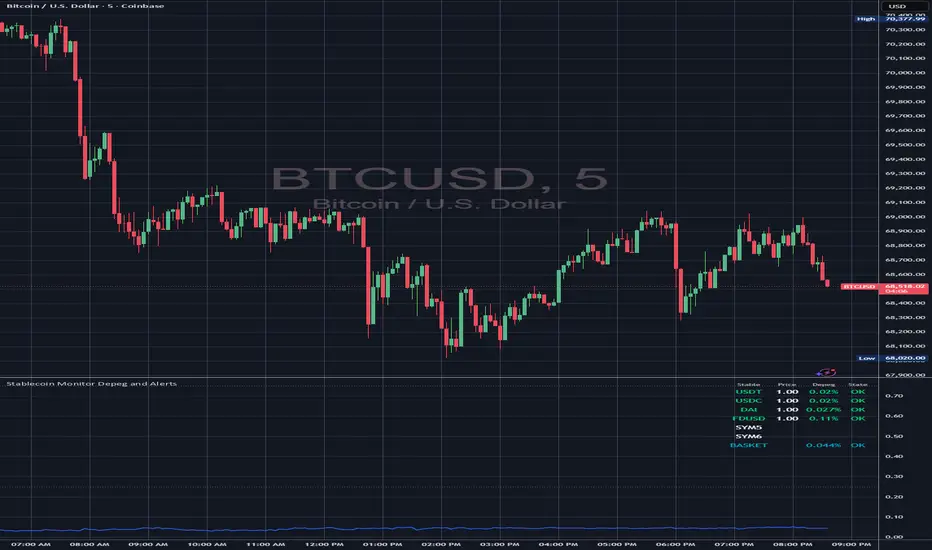
Set up live tracking for peg deviations. Tools like Pharos Watch monitor hundreds of stablecoins for price slippage, providing early warnings through DEWS alerts before a full depeg occurs. Relying on manual checks is too slow during a liquidity crunch.
Verify the backing assets. A stablecoin pegged to the dollar should hold high-quality liquid assets like cash or short-term Treasury bills. Look for regular, independent attestation reports. If reserves are opaque or filled with illiquid corporate debt, the risk of a permanent depeg increases significantly.
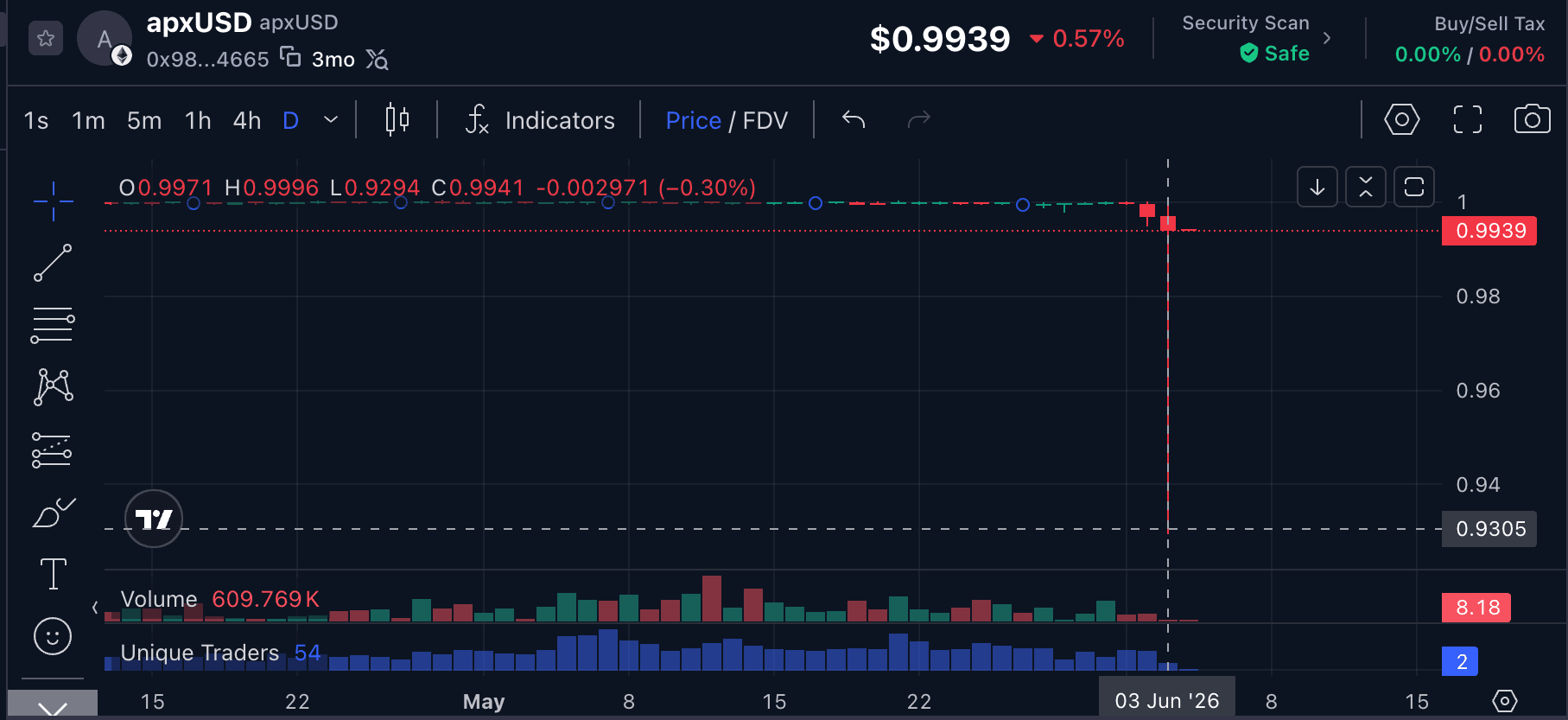
Low liquidity amplifies price swings. Check the order books on major exchanges. If the bid-ask spread widens or volume dries up, the stablecoin cannot absorb sell pressure, making it vulnerable to further discounts. Sudden drops in liquidity are often the first sign of structural weakness.
| Metric | Healthy State | Warning Sign |
|---|---|---|
| Price | $0.99 - $1.01 | < $0.95 or > $1.05 |
| Reserve Quality | Cash & Treasuries | Illiquid corporate debt |
| Liquidity Depth | Deep order books | Wide spreads, low volume |
The primary keyword here is stablecoin depeg. By focusing on real-time alerts, reserve transparency, and liquidity depth, you can identify risks before they become catastrophic. Avoid ignoring small deviations; a 1% drop is often the precursor to a larger collapse.
Spot the Weak Options
Not all stablecoins are built to hold their line. Some rely on opaque reserves, while others use algorithmic tricks that break under pressure. In a depeg watch, your job is to filter out the noise and identify which tokens are likely to crack. Focus on transparency, liquidity depth, and the actual mechanics behind the peg.
Avoid Algorithmic "Stability"
Algorithmic stablecoins attempt to maintain parity through supply adjustments rather than holding real assets. This model worked in theory but failed spectacularly in practice when confidence dropped. If a token claims stability without a clear, auditable reserve backing, treat it as high-risk. These mechanisms often amplify volatility rather than dampening it, making them dangerous for capital preservation.
Check the Reserve Audit
A stablecoin is only as strong as its backing. Look for regular, independent audits of the reserve assets. If the issuer publishes vague reports or hides behind proprietary accounting, the risk of a depeg increases. Real-world assets like US Treasuries are preferable to complex derivatives or unverified crypto collateral. Transparency is your best defense against sudden liquidity crunches.
Monitor Liquidity Pools
Even a well-backed stablecoin can depeg if there is no one to buy it. Check the depth of liquidity on major decentralized exchanges. Thin order books mean that small sell-offs can cause massive price drops. If the spread between buy and sell orders is wide, the token is vulnerable to manipulation. Prioritize assets with deep, consistent liquidity across multiple platforms.
No comments yet. Be the first to share your thoughts!