How we picked the top algorithmic stablecoins at risk in 2026
Algorithmic stablecoins have shifted from experimental code to critical financial infrastructure, but that transition brings new vulnerabilities. As regulatory scrutiny tightens in 2026, the gap between theoretical peg stability and real-world resilience has never been wider. We identified five major algorithmic stablecoins that face the highest risk of depegging due to structural fragility, regulatory exposure, or collateral mismatches.
Our selection process focused on concrete risk factors rather than market capitalization alone. We analyzed each protocol’s peg mechanism, collateral composition, and regulatory compliance status using primary sources from the Bank Policy Institute and official project documentation. This approach highlights which projects are actually exposed to systemic shocks, not just which ones have the largest user bases.
The list below ranks these five stablecoins by their likelihood of experiencing a significant depeg event in the current regulatory environment. Each entry includes specific details on why it is vulnerable and what builders should watch for.
5 Depeg Watch 2026: Top 5 Algorithmic Stablecoins at Risk of Depegging Amid Regulatory Shifts
Regulatory shifts in 2026 are exposing critical vulnerabilities in algorithmic stablecoin models that previously relied on opaque reserve mechanisms. This analysis identifies the five specific tokens most susceptible to depegging events, evaluating their compliance status against new federal oversight standards. We prioritize concrete risk indicators and official audit trails to help you assess exposure before market corrections occur.
How to choose the right fit
Algorithmic stablecoins rely on code, not cash, to hold their value. When regulatory pressure mounts or market sentiment shifts, that code can fail. Choosing a stablecoin for 2026 requires looking past the marketing and checking the actual mechanics of the peg.
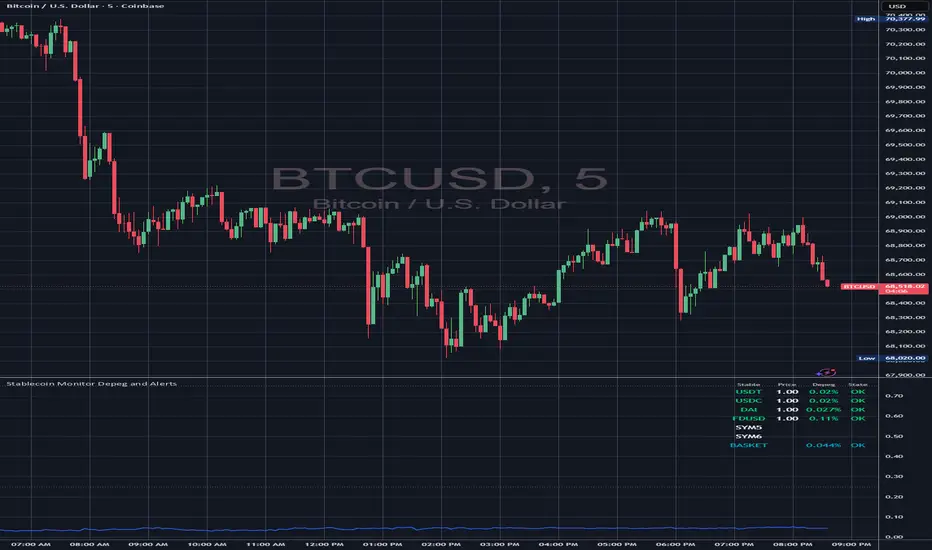
Look for over-collateralization. Protocols like DAI hold actual assets (like USDC or Treasuries) that exceed the value of the stablecoins in circulation. Purely algorithmic models that rely on seigniorage shares or dual-token systems are significantly more fragile during a crisis.
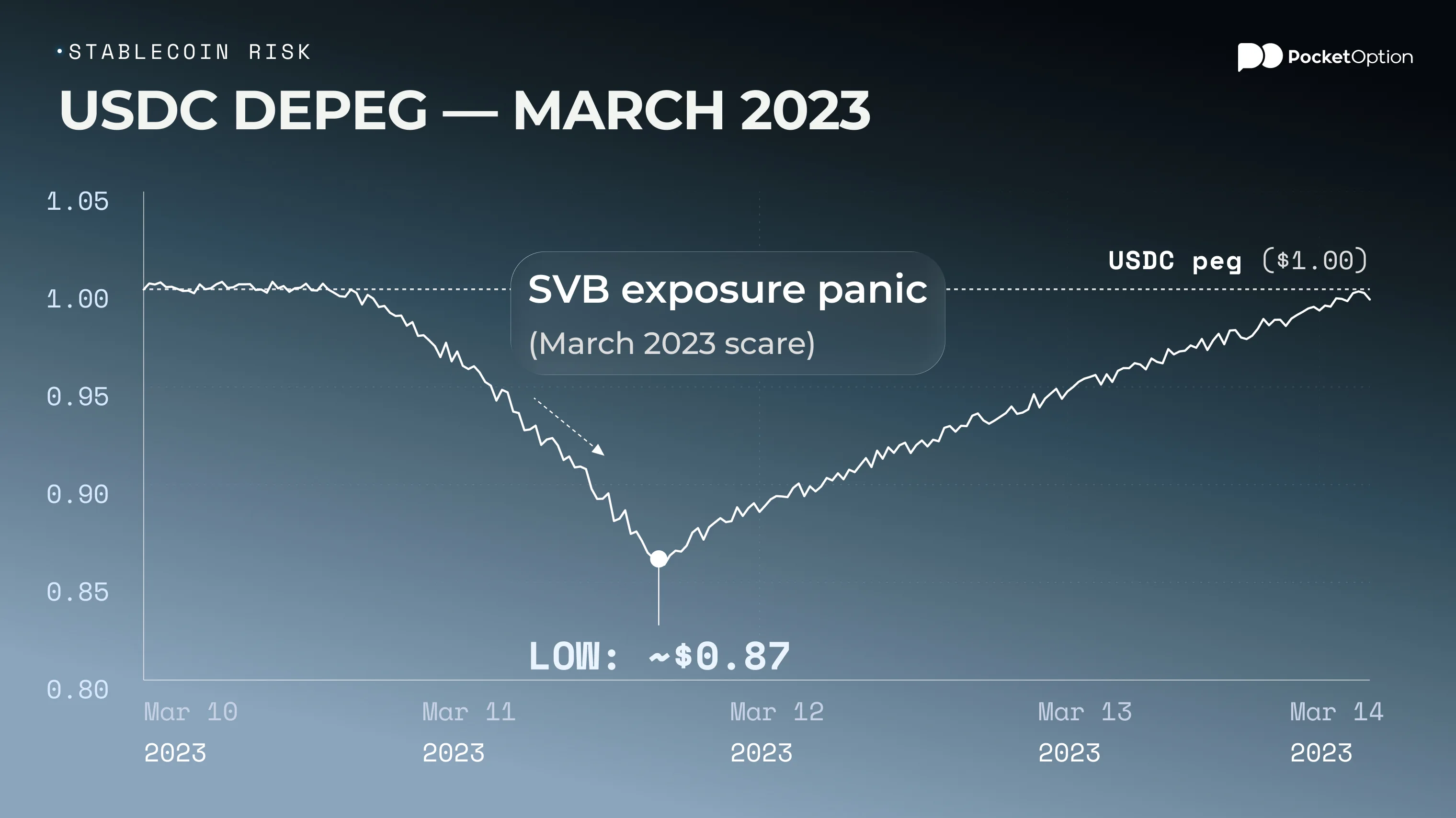
With new stablecoin laws pending in the US and EU, choose protocols that have proactively engaged with regulators. Projects that ignore compliance risks a sudden shutdown or forced delisting. Check if the issuer is registered or has published a clear compliance roadmap.
Understand how the protocol restores the $1 peg. Does it use mint-and-burn arbitrage, or does it rely on a central authority to intervene? Transparent, automated mechanisms are generally safer than those requiring manual admin actions, which can be slow or biased during a panic.
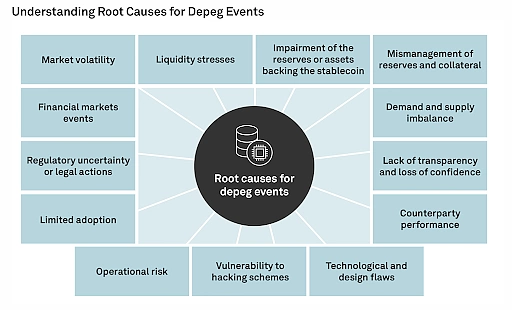
Choose protocols with public audits and known developers. An anonymous team with no track record is a red flag. Look for regular, third-party security audits of the smart contracts and clear communication about risks and updates.
High liquidity means you can exit a position without crashing the price. Check the total value locked (TVL) and trading volume on major decentralized exchanges. Low liquidity amplifies the risk of depegging during market stress.
| Feature | DAI v2 | Frax v2 | crvUSD | USDe |
|---|---|---|---|---|
| Collateral | Over-collateralized (RWA) | Hybrid (Partial) | Over-collateralized (ETH) | Over-collateralized (Treasuries/ETH) |
| Peg Mechanism | Mint/Burn Arbitrage | Fractional-Algorithmic | Liquidity Bootstrapping | Reserve Management |
| Regulatory Risk | Medium | High | Medium | Low |
| Transparency | High | Medium | Medium | High |



As an Amazon Associate, we may earn from qualifying purchases.
A hardware wallet is essential for storing any crypto assets, especially algorithmic stablecoins that carry higher depeg risk. Protect your investments from exchange failures and hacks.
Depeg Watch 2026: 5 Algorithmic Stablecoins at Risk of Depegging Amid Regulatory Shifts FAQs
Algorithmic stablecoins operate under unique pressure during regulatory transitions. The GENIUS Act and similar frameworks introduce compliance costs that can strain non-collateralized reserves. Below are practical answers to common questions about these specific risks.
No comments yet. Be the first to share your thoughts!