
Stablecoin depeg 2026
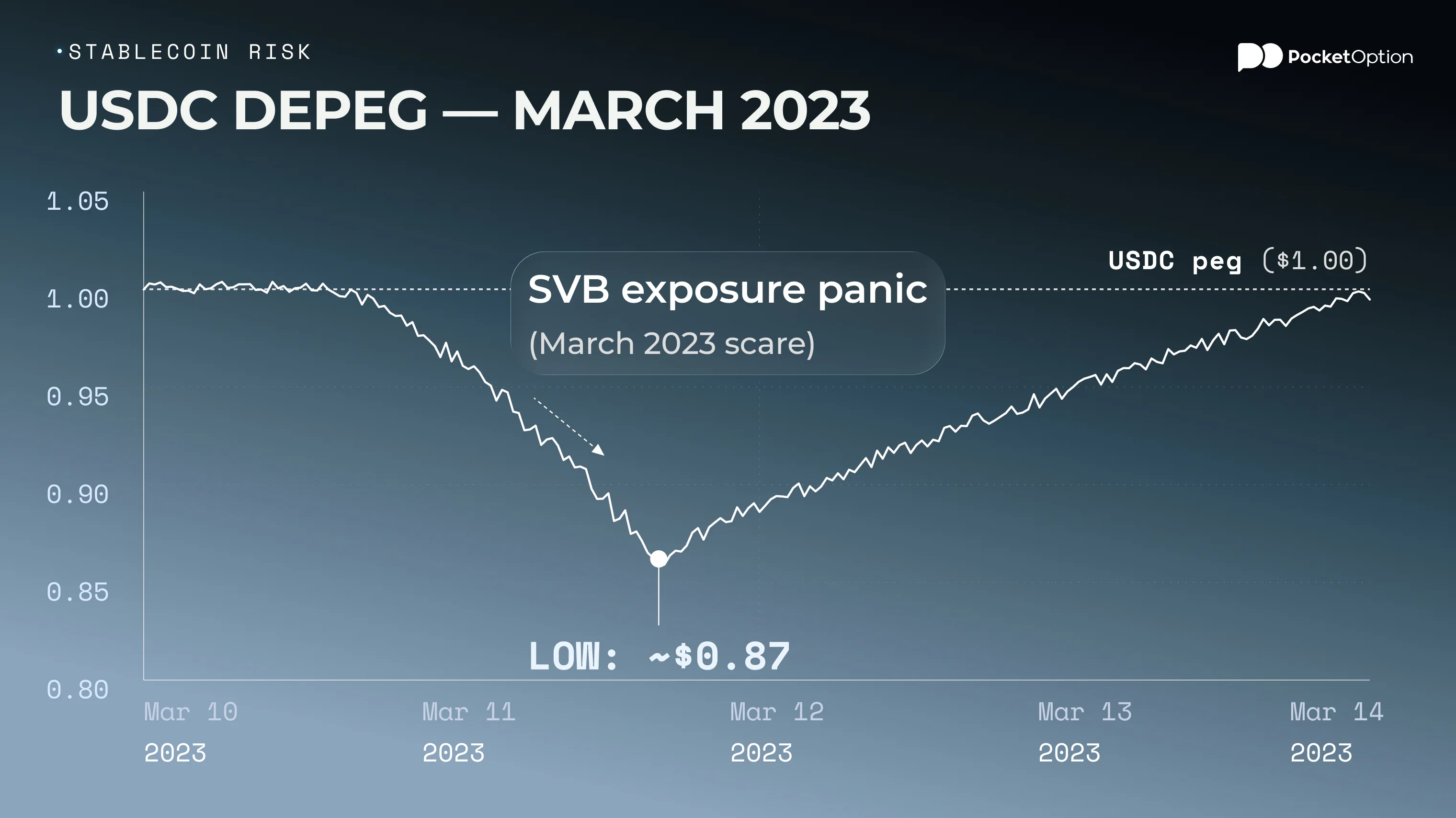
A stablecoin depeg happens when a token designed to hold a $1 value trades significantly away from that price and fails to recover quickly. In 2026, regulatory shifts mean the margin for error has shrunk, making early detection critical for protecting capital.
We selected the five stablecoins most at risk by analyzing three concrete factors: reserve transparency, liquidity depth, and recent regulatory scrutiny. This list focuses on assets where the gap between promised backing and actual availability is widest, creating a tangible risk of decoupling.
5 Depeg Watch 2026: Top 5 Stablecoins at Risk of Decoupling in the New Regulatory Era
The 2026 regulatory landscape introduces stricter capital and transparency mandates that could destabilize even major stablecoins. We evaluate the top five assets most vulnerable to decoupling based on current reserve audits and compliance readiness.
Pick the right fit
A stablecoin depeg is when a token designed to be worth exactly $1 trades meaningfully away from that parity and does not quickly return [1]. Choosing a stablecoin that withstands this risk requires looking beyond the marketing promise of "1:1 peg." You need to verify the mechanical and regulatory safeguards holding the peg together.
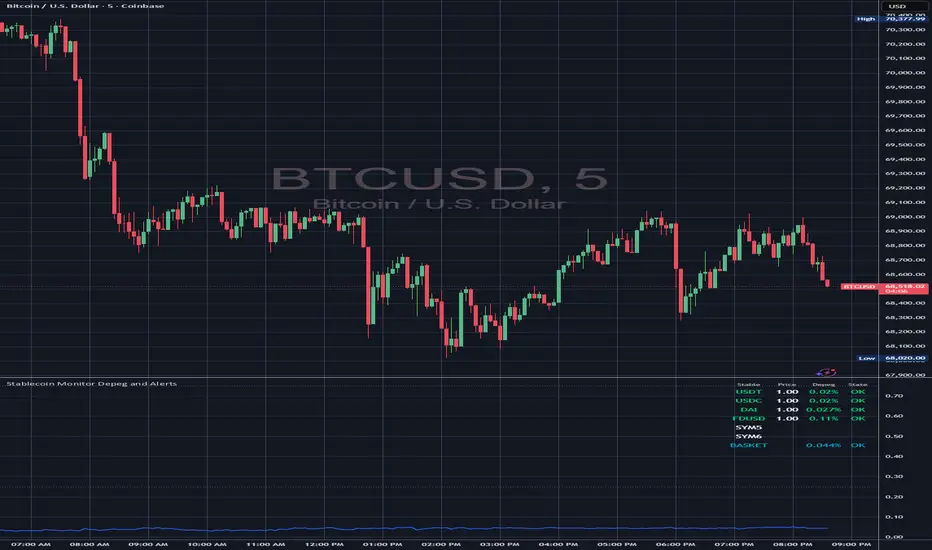
Check if the issuer publishes monthly or quarterly attestation reports from a top-tier auditing firm. Look for full reserve coverage, meaning every token in circulation is backed by cash or equivalent liquid assets. Avoid coins that rely on vague "commercial paper" holdings without clear, real-time proof.
Prioritize stablecoins that have filed for or received licenses under current frameworks like the US Stablecoin Transparency Act or EU MiCA. Compliance signals that the issuer is subject to regular oversight, reducing the risk of sudden regulatory shutdowns that often trigger depegging events.
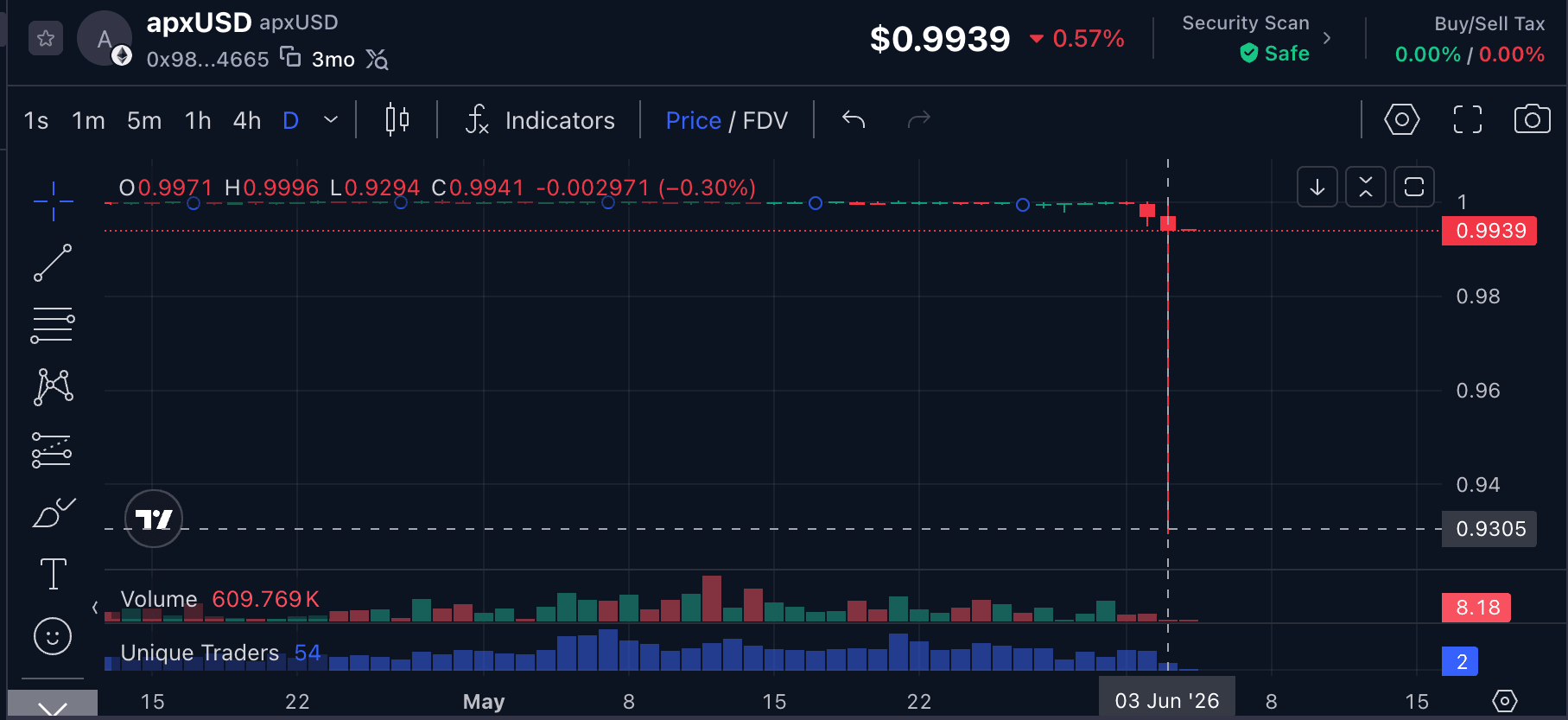
A robust peg relies on the ability to redeem tokens for fiat at face value. Ensure the protocol has a clear, accessible redemption path for large holders. If redemption is restricted or delayed during market stress, the peg is likely to break under pressure.
High trading volume on major exchanges helps absorb sell-offs without crashing the price. Check the liquidity pools for your chosen stablecoin on platforms like Uniswap or centralized exchanges. Thin liquidity is a primary indicator that a coin is vulnerable to depegging during volatility.
For non-collateralized stablecoins, analyze the rebalancing algorithms. In 2026, pure algorithmic models without over-collateralization buffers have faced severe stress tests. Ensure any algorithmic component has a credible backstop mechanism, such as a government bond reserve or a governance-controlled stabilization fund, to prevent runaway inflation or deflation spirals.
| Criterion | Strong Signal | Weak Signal |
|---|---|---|
| Transparency | Monthly attestations by Big 4 auditors | Annual reports or no public audits |
| Reserves | 100% cash and short-term Treasuries | Mixed assets including commercial paper |
| Regulation | Licensed under US/EU frameworks | Unregistered or offshore jurisdiction |


As an Amazon Associate, we may earn from qualifying purchases.
By applying these checks, you can filter out stablecoins that rely on fragile trust and select those with structural resilience. This approach minimizes exposure to the regulatory and market shocks that cause depegging events.
Depeg Watch 2026: 5 Stablecoins at Risk of Decoupling in the New Regulatory Era
What are the top 3 stablecoins? As of August 2026, the market is dominated by Tether (USDT) and USD Coin (USDC), which together control approximately 85% of the stablecoin supply. The third major player is Pax Dollar (USDP), which has restructured its reserves to align with stricter US banking regulations following the decline of BUSD. These three tokens represent the bulk of liquidity in the digital asset space.
Who is the largest holder of stablecoins? Stablecoin issuance is primarily driven by institutional exchanges and market makers rather than individual retail investors. Entities like Binance, Coinbase, and centralized financial institutions hold the largest aggregates to facilitate trading volume and liquidity provision. On-chain analytics show that exchange wallets consistently account for the majority of circulating supply.
Is XRP a stablecoin? No. XRP is a native cryptocurrency designed for settlement and liquidity bridging between financial institutions. Unlike stablecoins, which peg their value to fiat currencies or commodities, XRP’s price fluctuates based on market demand and network utility. It does not maintain a 1:1 parity with the U.S. dollar.
Is stablecoin the next big thing? The stablecoin market capitalization reached $308 billion in mid-2026, growing 14.3% year-over-year. This growth signals increasing adoption in cross-border payments and decentralized finance. However, the regulatory environment is tightening, making compliance and reserve transparency the primary drivers of future success rather than mere market expansion.
No comments yet. Be the first to share your thoughts!