
Stablecoins like USDT and USDC are often seen as the safe harbor of DeFi, but if you’ve watched the markets lately, you know the reality is more nuanced. As of November 3,2025, Polygon Bridged USDT sits at $1.00, while Multichain Bridged USDC trades at $0.03435258. That’s not a typo - it’s a stark reminder that depegs can happen suddenly, and their impact can be dramatic for anyone caught off guard.
If your playbook for stablecoin risk management hasn’t evolved since last year, it’s time for a serious upgrade.
Why Hedging Against Stablecoin Depegs Matters in 2025
The DeFi landscape is maturing, but so are the risks. Regulatory shifts (like USDT’s looming delistings in Europe), liquidity fragmentation across chains, and protocol exploits all add new layers to the classic stablecoin peg equation. Even if you’re earning juicy yields on platforms like Phemex or Binance, those returns mean little if your underlying asset slips its peg.
A single depeg event can wipe out months - or even years - of carefully managed yield farming gains. That’s why it’s crucial to have a proactive hedging plan. Let’s dig into three actionable strategies every serious DeFi investor should consider this year.
Utilize Depeg Swaps and Derivatives: Direct Protection When It Counts
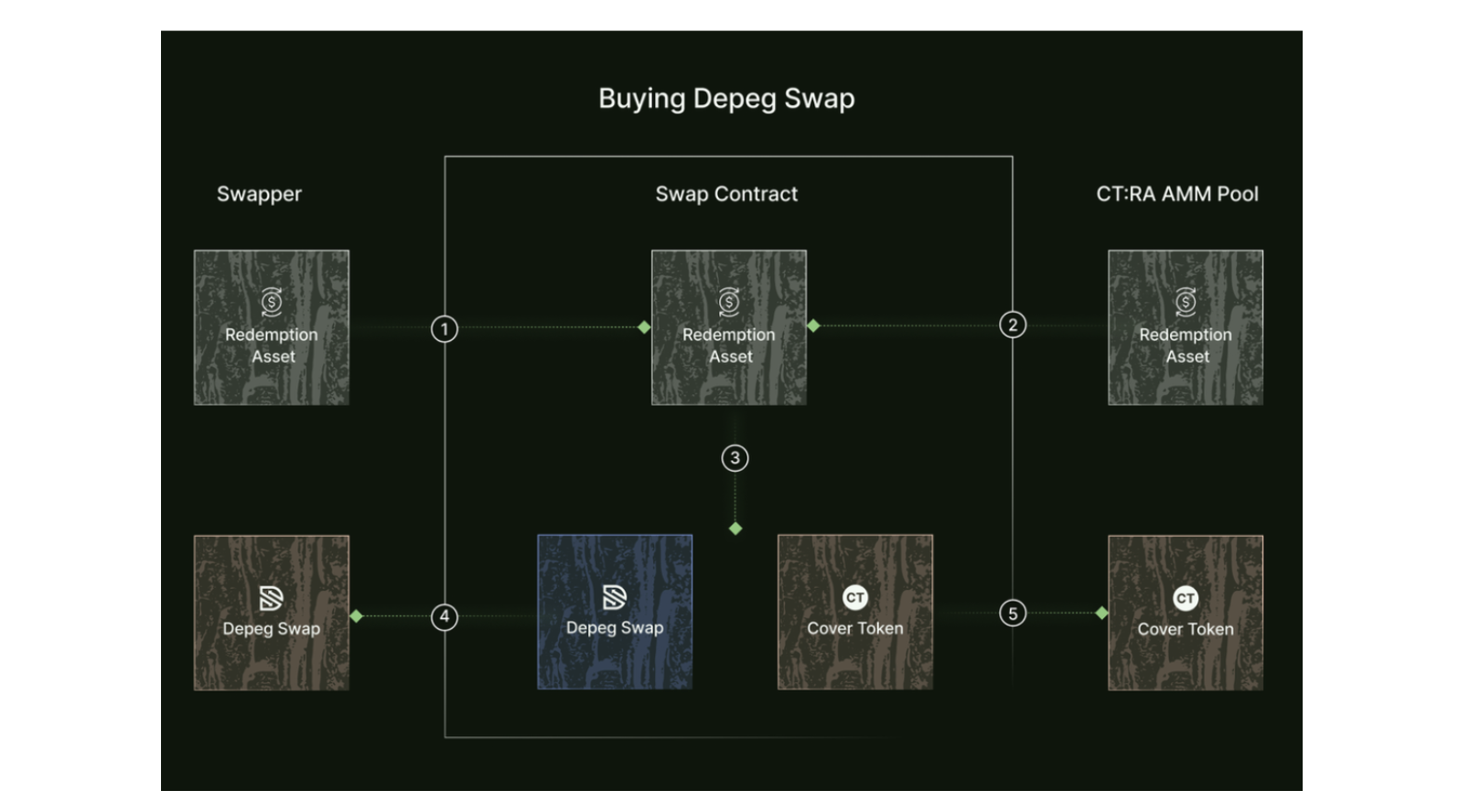
One of the most innovative tools to hedge against USDT or USDC depegs is the Depeg Swap. Platforms like Cork Protocol and Squeeth have brought these derivatives to market, letting you buy protection that pays out if your chosen stablecoin falls below a predefined threshold (for example, if USDT drops under $0.99).
This isn’t just theoretical: when Multichain Bridged USDC crashed to $0.03435258 recently, holders with depeg swaps in place received payouts that offset their losses. The beauty? You don’t need to move your entire portfolio - just allocate a portion for coverage based on your risk appetite.
If you want more detailed walkthroughs on using these products, check out our guides on hedging against stablecoin depegs with derivatives.
Diversify Stablecoin Holdings Across Multiple Assets and Chains
Diversification is classic for a reason: it works. Instead of concentrating all your funds in one stablecoin (even one as liquid as USDT), spread your capital across several top-tier options like USDT, USDC, DAI, and TUSD. Don’t stop at assets - diversify across chains too! Ethereum might be home base for many protocols, but Tron and Solana offer alternative liquidity venues that can buffer against protocol-specific failures or chain congestion events.
Top Diversification Strategies for Stablecoin Safety
- Utilize Depeg Swaps and Derivatives: Platforms like Cork Protocol and Squeeth offer Depeg Swaps, letting you buy protection against USDT or USDC falling below their peg. These derivatives pay out if the stablecoin price drops below a set threshold, providing direct financial hedging against depegging events.
- Diversify Stablecoin Holdings Across Multiple Assets and Chains: Instead of concentrating funds in a single stablecoin, allocate capital across several leading stablecoins (like USDT, USDC, DAI, TUSD) and use both Ethereum and alternative chains (such as Tron or Solana). This spreads your risk and reduces exposure to any one stablecoin or protocol failure.

- Purchase Protocol Risk Insurance: Use decentralized insurance platforms such as Nexus Mutual or InsurAce to buy coverage specifically for stablecoin depeg events. These products reimburse users if a covered stablecoin loses its peg, offering an extra layer of portfolio protection.

This approach reduces your exposure to any single failure point - whether that’s regulatory action against one issuer or a technical hiccup on one blockchain. For more on multi-chain risk mitigation tactics, see our deep dive into stablecoin depeg risk strategies for DeFi investors in 2024.
Purchase Protocol Risk Insurance: Your Portfolio Safety Net
No matter how savvy your trading or allocation strategy is, some risks are simply unpredictable. That’s where decentralized insurance comes in. Platforms like Nexus Mutual and InsurAce let you buy specific coverage against stablecoin depeg events - meaning if something catastrophic happens (think Multichain Bridged USDC falling below $0.98), you’re eligible for reimbursement according to policy terms.
The cost of coverage varies depending on market conditions and perceived risk levels - but consider it an essential line item alongside yield farming or staking fees in today’s environment.
Tether (USDT) Price Prediction 2026-2031: Stablecoin Depeg Risk Scenarios
Forecasts reflect both stability and potential depeg risk, considering regulatory, technological, and market dynamics.
| Year | Minimum Price (Bearish/Depeg Scenario) | Average Price (Base Case) | Maximum Price (Bullish/Stable Scenario) | Year-over-Year Change (%) | Key Market Scenario |
|---|---|---|---|---|---|
| 2026 | $0.92 | $0.99 | $1.01 | -1% | Regulatory pressure in US/EU; minor depeg events possible |
| 2027 | $0.90 | $0.98 | $1.01 | -1% | Ongoing regulatory adaptation; competition from new stablecoins |
| 2028 | $0.88 | $0.97 | $1.01 | -1% | Potential for DEX-led depeg shock; increased DeFi hedging |
| 2029 | $0.85 | $0.97 | $1.02 | 0% | Market matures; Depeg derivatives adoption rises |
| 2030 | $0.80 | $0.96 | $1.02 | -1% | Stablecoin regulation harmonizes; risk of isolated depegs |
| 2031 | $0.78 | $0.95 | $1.03 | -1% | Global stablecoin competition; USDT pivots to new markets |
Price Prediction Summary
USDT is expected to maintain relative stability near $1.00 in average scenarios, but with a growing tail risk of temporary depegs due to heightened regulatory scrutiny, competition, and evolving DeFi dynamics. Minimum price predictions reflect potential short-lived depegs, while maximums assume continued trust and liquidity. Investors should use robust hedging strategies to mitigate episodic depeg risks, especially as regulatory and technological shifts unfold through 2031.
Key Factors Affecting Tether Price
- Global regulatory actions (e.g., MiCA in Europe, US Treasury policy) impacting USDT listings and reserves transparency
- Adoption of decentralized stablecoins and on-chain insurance products
- Advancements in depeg monitoring and prediction markets
- Market sentiment following any high-profile depeg or insolvency events
- USDT's ability to maintain robust backing and transparency
- Increased competition from regulated, compliant stablecoins (e.g., USDC, EURt, new entrants)
- Cross-chain and multichain stablecoin infrastructure developments
- Liquidity and usage in DeFi protocols, especially during market stress
Disclaimer: Cryptocurrency price predictions are speculative and based on current market analysis. Actual prices may vary significantly due to market volatility, regulatory changes, and other factors. Always do your own research before making investment decisions.
Choosing the right insurance policy can feel overwhelming, but most platforms offer straightforward interfaces and transparent claims processes. Look for coverage that specifically names the stablecoins you’re holding, and always review the payout conditions. This extra layer of protection can be the difference between a manageable setback and a portfolio-wrecking event if a depeg strikes.
While no hedge is perfect, combining protocol risk insurance with diversification and derivatives gives your portfolio multiple lines of defense. If you’re unsure where to start or how much coverage to buy, begin with a small allocation and scale up as you get comfortable navigating these products.
Practical Hedging Checklist for DeFi Investors
Let’s bring it all together. Whether you’re yield farming on Polygon or managing a multi-chain treasury, here’s a quick checklist to help you implement these strategies:
Staying proactive is key. Set up real-time alerts for price movements (especially if you’re holding Multichain Bridged USDC at $0.03435258 or Polygon Bridged USDT at $1.00). Rebalance your holdings regularly, especially after major market events or regulatory updates. And don’t be afraid to experiment with new tools like depeg swaps or automated vaults - just make sure you understand the risks before diving in.
Community Insights: What Are Other DeFi Users Doing?
The conversation around stablecoin depeg risk management is only getting more sophisticated as we head into 2026. Many experienced users are layering these approaches, combining insurance policies with active trading on derivatives platforms and ongoing diversification across chains and assets.
It’s also worth noting that some protocols have begun integrating built-in depeg detection systems that automatically trigger hedging actions when price thresholds are breached. These innovations are making robust risk management more accessible than ever - but they still require regular oversight from investors.
The bottom line? Don’t wait for a crisis to rethink your stablecoin strategy. The best time to build your hedge is before volatility hits.
If you want deeper dives into each of these tactics - from step-by-step guides on buying protocol insurance to advanced tips for using Depeg Swaps - explore our latest resources:
- How to Hedge Against USDT Depegs: Strategies for DeFi Investors
- Stablecoin Depeg Risk in DeFi: Strategies for 2024
- Stablecoin Depegs in DeFi: Tools, Strategies and Real-World Examples
Remember: effective stablecoin depeg hedging strategies aren’t just about protecting against worst-case scenarios - they’re about empowering yourself to seize opportunities confidently in an unpredictable market.




No comments yet. Be the first to share your thoughts!