
Why stablecoin depeg 2026 matters now
The stability you expect from digital dollars is no longer guaranteed. In the first week of November 2025 alone, three major stablecoins broke their one-to-one peg, joining nearly half a dozen decentralized assets that lost their anchor throughout the year. These aren't minor glitches; they are structural failures that signal a volatile start to the 2026 regulatory landscape.
This instability coincides with a shift toward stricter regulation. As noted by Thunes, 2026 is shaping up to be the year stablecoin regulation makes the technology enterprise-ready. This regulatory tightening means that compliance is no longer optional for participants in the space, but it also highlights the fragility of assets that haven't yet met these new standards.
For businesses and individuals, the risk is immediate. If you are holding or accepting stablecoins, the assumption that they will always trade at $1.00 is a liability. You need to assess your exposure now, before the next depeg event triggers a liquidity crunch or regulatory freeze.
Check reserve transparency and audits
Before trusting any stablecoin, you need to verify what backs its value. The difference between a stablecoin pegged to US Treasury bills and one backed by volatile crypto assets is the difference between a vault and a house of cards. This section walks you through the specific steps to audit reserve transparency and assess the risk of a stablecoin depeg.

Find the most recent attestation from a reputable third-party accounting firm. Avoid relying solely on the issuer’s self-reported data. Look for reports from Big Four firms or specialized crypto auditors. Check the date; a report older than 30 days is a red flag in fast-moving markets.
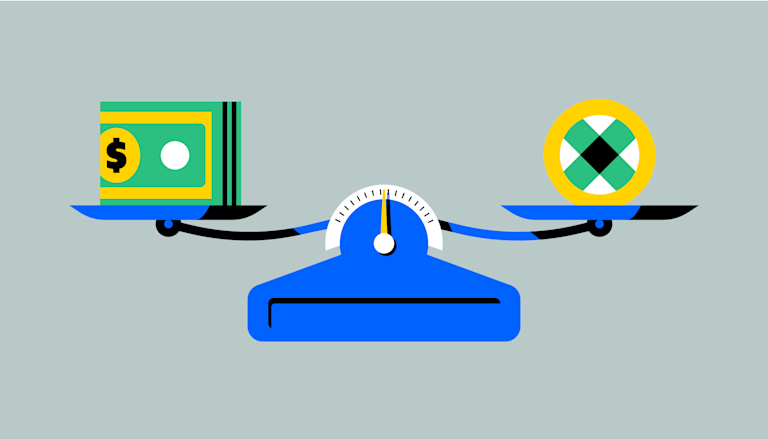
Determine what assets are actually held. Fully backed fiat stablecoins hold cash and short-term government bonds. Risky models use algorithmic mechanisms or a basket of cryptocurrencies. If more than 10% of reserves are in illiquid assets or corporate debt, the risk of a depeg increases significantly during market stress.
Check who holds the actual funds. If the issuer and the custodian are the same entity, there is a conflict of interest. Legitimate stablecoins use independent, regulated banks or trust companies to hold reserves. This separation ensures that the issuer cannot access funds for other business operations.
Modern stablecoins often provide real-time transparency via blockchain explorers. Look for a public dashboard that shows the total supply matching the on-chain reserves. If the issuer relies only on quarterly PDF reports, you are flying blind between audits. Real-time data allows you to spot discrepancies before they become crises.
A stablecoin depeg often starts with a lack of transparency. By following these steps, you can distinguish between robust, fully backed assets and risky models that may fail under pressure. Always prioritize stablecoins with clear, independent, and frequent verification of their reserves.
Monitor liquidity and trading volume
Market depth determines whether a stablecoin can absorb sell-offs without breaking its peg. When liquidity dries up, even small orders can cause significant price slippage. To assess stability, you must look beyond the headline price and examine the underlying trading activity on major exchanges.
Start by checking the order book depth. A healthy stablecoin shows tight bid-ask spreads and substantial volume on both sides of the market. If the spread widens or the order book thins out, the asset is vulnerable to volatility. This is especially critical during periods of broader market stress, as IMF research indicates that stablecoin shocks can cascade into broader financial markets when liquidity buffers are insufficient [IMF 2026].
Next, analyze trading volume trends across multiple venues. Consistent volume indicates active participation and confidence, while sudden drops may signal exiting investors. Note that minor deviations of up to 1% are common and often self-correcting, but sustained breaks or drops of 10% or more require immediate attention [Kraken Learn Center].
Liquidity Assessment Comparison
| Metric | Healthy Stability | Warning Signs |
|---|---|---|
| Bid-Ask Spread | Tight (≤ 0.1%) | Widening or erratic |
| Order Book Depth | Deep on both sides | Thin or missing levels |
| 24h Volume | Consistent or rising | Sudden drops |
| Peg Deviation | Brief, < 1% | Sustained or > 5% |
Assess regulatory compliance status
Before trusting a stablecoin’s peg, verify the issuer’s legal standing. In 2026, regulatory frameworks are no longer optional—they are the foundation of enterprise adoption. A compliant issuer reduces the risk of sudden delistings or frozen assets.
Check jurisdictional licensing
Identify where the issuer is registered. Major jurisdictions like the EU (under MiCA) and the US (under proposed federal or state frameworks) require specific licenses for stablecoin issuance. Look for explicit authorization to issue the token. If the issuer operates in a regulatory vacuum, the peg is vulnerable to sudden legal intervention.
Review reserve transparency
Compliance requires proof of backing. Legitimate issuers publish regular attestation reports from independent auditors. These reports must confirm that reserves match circulating supply 1:1. Avoid issuers that offer only unaudited internal statements. Transparency is the primary defense against depegging events.
Monitor regulatory updates
Stablecoin laws evolve quickly. Subscribe to official announcements from financial regulators in the issuer’s home jurisdiction. A sudden change in compliance status can trigger a liquidity crunch. Staying informed helps you react before the market does.
Set up depeg alerts and exit strategies
When a stablecoin loses its peg, speed matters more than analysis. Minor fluctuations of 1% are common and often resolve within hours, but a sustained drop signals liquidity stress or reserve issues. Waiting to react during a crash usually results in maximum loss. You need a pre-planned response that triggers automatically or requires minimal decision-making.
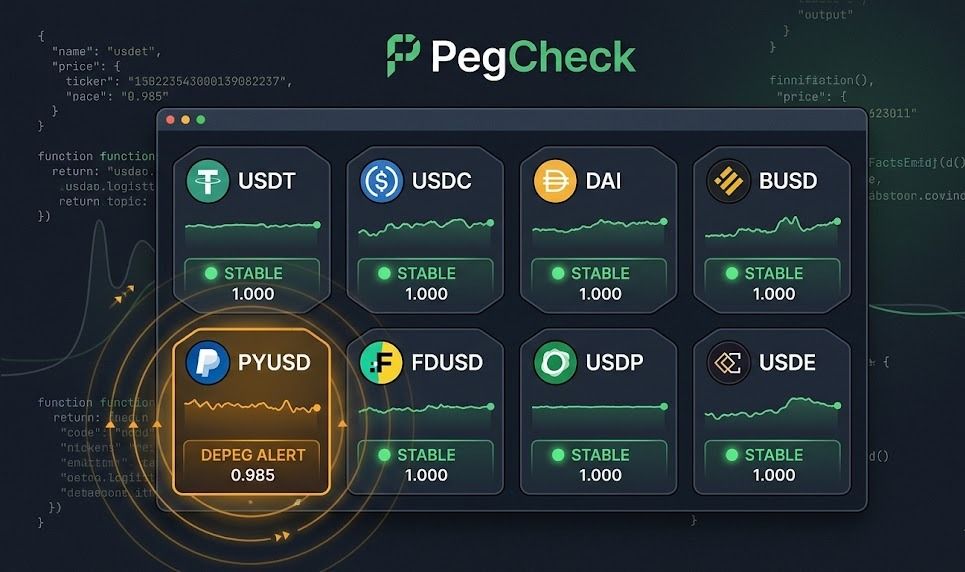
Set up alerts on your exchange or portfolio tracker for your specific stablecoins. Configure thresholds at 0.5% and 1% deviation from the peg. Most major platforms allow custom notifications via push or email. This gives you early warning before a minor dip becomes a major crisis.
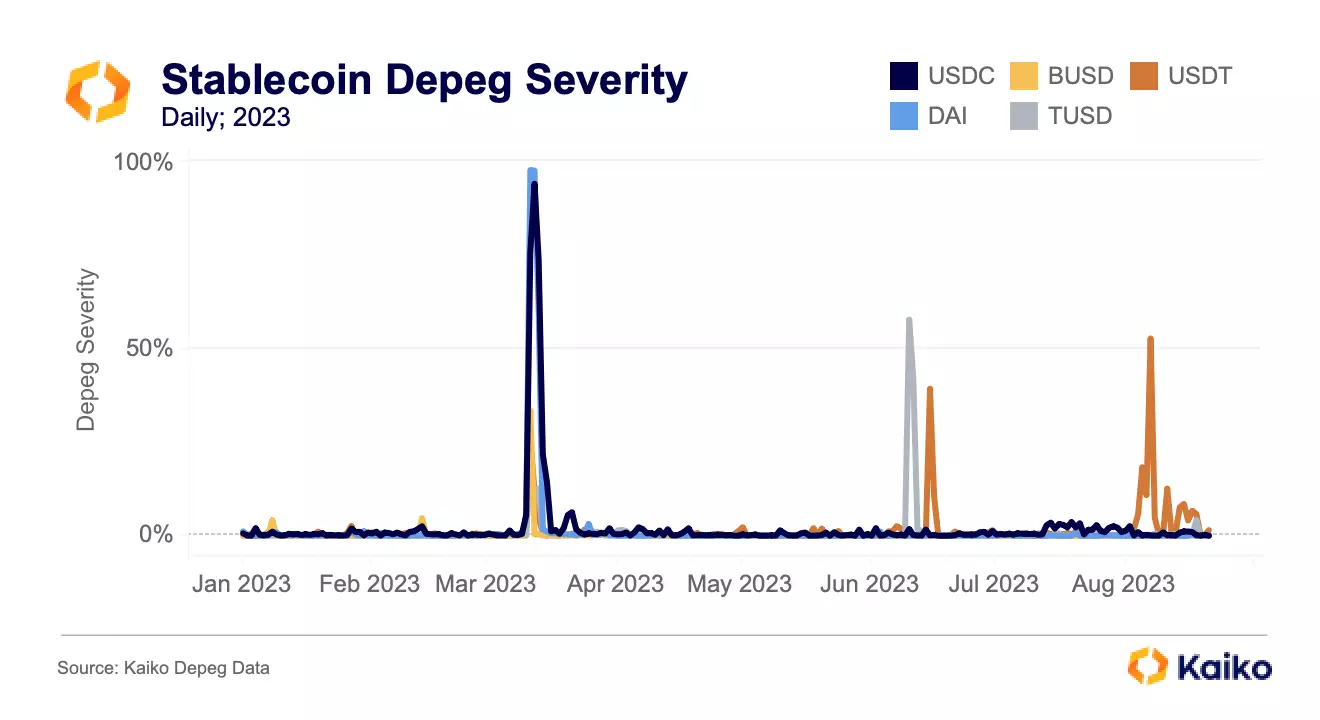
Identify where you will move funds if a depeg occurs. Stablecoin pairs often suffer from low liquidity during stress events. Decide in advance if you will convert to USDC, USDT, or fiat on a specific exchange. Ensure you have verified accounts and sufficient ID documentation on those platforms to avoid withdrawal delays.
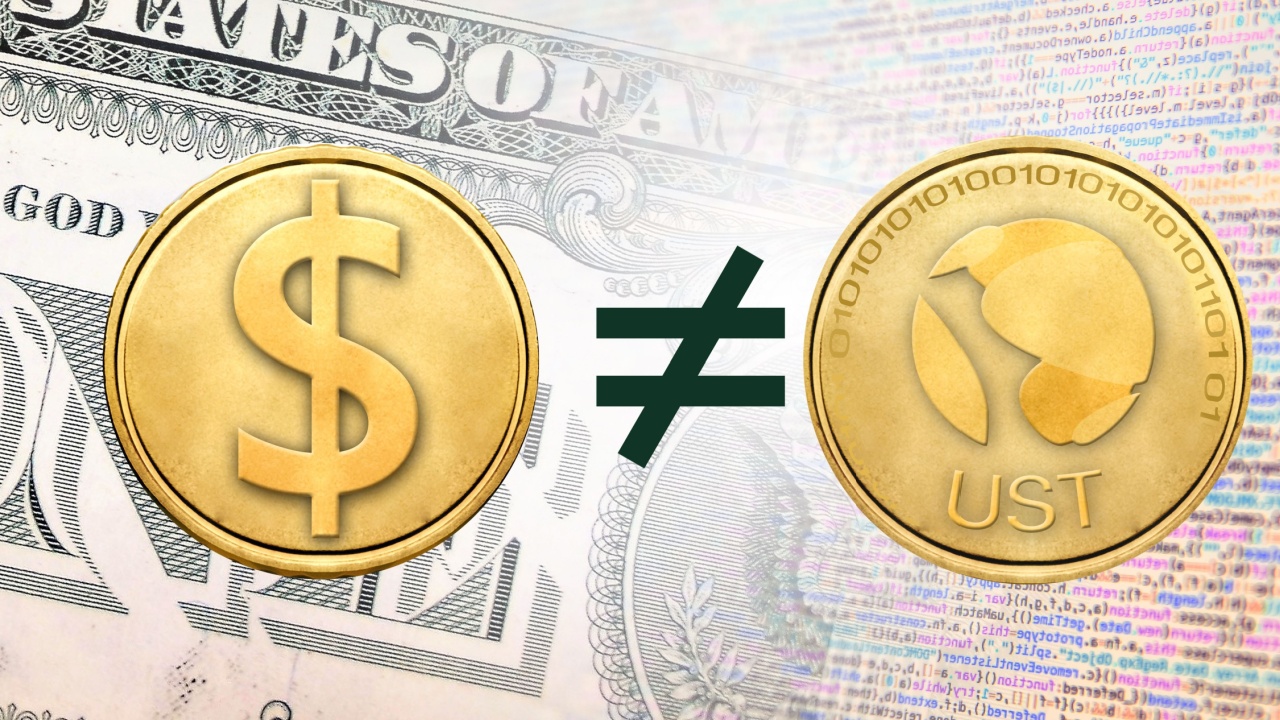
If you use decentralized finance (DeFi) protocols, pre-approve your exit strategy. Smart contract interactions can be slow or fail during network congestion. Having your token allowances set up for your target stablecoin or fiat on-ramp allows you to swap immediately when alerts trigger, bypassing the initial approval step.
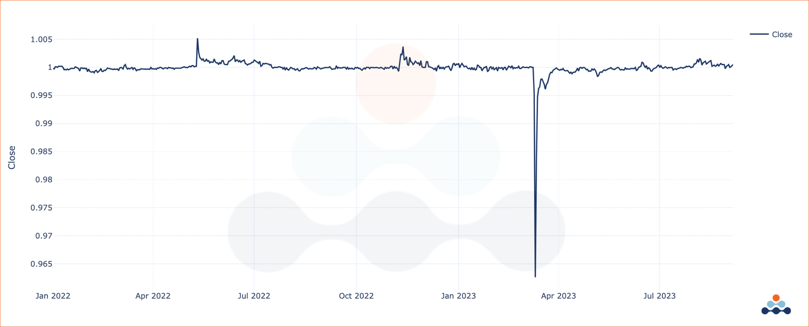
Run a dry run of your exit strategy. Move a small amount of stablecoin to your designated exit venue and back. This verifies that your alerts work, your accounts are accessible, and the transaction path is clear. A failed test during a calm market is far less costly than a failed execution during a crash.
This setup transforms panic into procedure. By removing the need to make complex decisions in real-time, you protect your capital from the emotional and technical pitfalls of a depeg event.
Frequently asked questions about stablecoin depeg 2026
What happens to my funds if a stablecoin depegs? When a stablecoin loses its peg, the backing assets may not cover the full value. According to the Bank Policy Institute, a depeg can lead to significant losses for retail holders as the mechanism for redemption fails or becomes restricted during the crisis.
How long does a stablecoin depeg typically last? Minor fluctuations are common. Data from Kraken indicates that stablecoins often trade up to 1% off the peg for brief periods, lasting from minutes to a few days. However, major depegs exceeding 10% can persist longer, requiring regulatory intervention or protocol fixes to restore confidence.
Can a depeg trigger broader market risks? Yes. Yield-bearing stablecoins pose a unique risk. If a stablecoin relies on high-yield reserves that collapse, it can destroy deposit values and trigger contagion effects across the broader financial system, as warned by the Bank Policy Institute in their 2026 analysis.
No comments yet. Be the first to share your thoughts!