5 Depegged Assets in 2026: Top 5 High-Risk Tokens to Monitor This Quarter
These five tokens have lost their pegs, signaling extreme volatility and potential capital loss for investors in 2026. We analyze the specific mechanics behind each depeg and outline the concrete risk factors you need to monitor this quarter.
1. USDT (Tether)
Despite being the largest stablecoin by market cap, USDT has experienced minor depegging events during periods of intense market stress. In 2026, the primary risk factor is regulatory scrutiny over its reserve composition. While Tether has improved transparency by publishing quarterly attestations, the reliance on commercial paper and non-cash assets remains a point of contention for institutional investors. Monitor the USDT/USD exchange rate on major liquidity pools; sustained deviations above $1.01 or below $0.99 for more than 24 hours indicate weakening confidence.
2. USDC (Circle)
USDC’s depeg in March 2023, triggered by Silicon Valley Bank failures, serves as a cautionary tale for 2026. Although Circle has since strengthened its reserve management, the token remains exposed to traditional banking risks. In 2026, watch for regulatory changes affecting US-based financial institutions holding USDC reserves. If Circle announces shifts in reserve allocation or faces legal challenges, the token’s peg may suffer. Compare USDC’s on-chain supply against its reported reserves to detect any discrepancies early.
3. DAI (MakerDAO)
DAI’s algorithmic nature makes it uniquely vulnerable to depegging during black swan events. In 2026, the protocol’s reliance on collateralized debt positions (CDPs) means that a sharp drop in underlying asset values (like ETH) can trigger liquidation cascades, causing DAI to trade below $1.00. Monitor the DAI Savings Rate (DSR) and the health factor of major vaults. If the system’s collateralization ratio drops below the safety threshold, DAI’s peg stability is at risk. Diversification of collateral types is a key metric to track.
4. FRAX (Frax Finance)
FRAX’s hybrid model, combining algorithmic mechanisms with real-world asset (RWA) backing, offers a middle ground but introduces complex failure modes. In 2026, the risk lies in the performance of its RWA reserves and the sustainability of its seigniorage shares. If the yield generated by RWAs fails to cover the cost of maintaining the peg, FRAX may depeg. Check the protocol’s reserve reports and the performance of its underlying assets. A decline in RWA yields or a sudden withdrawal of liquidity can signal impending instability.
5. LUSD (Liquity)
LUSD is designed to be robust against depegging through its overcollateralized model and stability pool. However, in 2026, the risk is not a traditional depeg but rather a loss of utility if the protocol fails to attract sufficient liquidity. If the stability pool is underfunded, LUSD may trade at a slight discount during market downturns as users rush to exit. Monitor the total value locked (TVL) in the stability pool and the ratio of LUSD to ETH collateral. A shrinking stability pool indicates reduced confidence in the protocol’s ability to maintain the peg during stress.
How to pick the right fit
Depegged assets move fast and often without warning. A token that looks like a bargain today can become a liability tomorrow if the underlying reserves or algorithm fail. Instead of chasing the lowest price, use a simple checklist to separate tokens with real support from those running on empty.
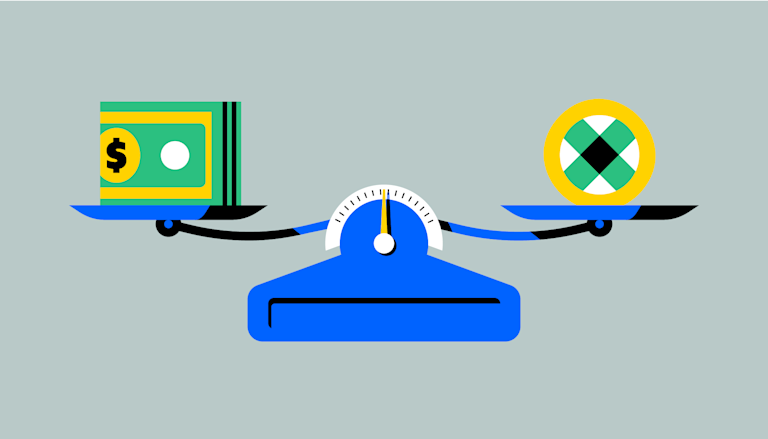
Look for real-time proof of backing. Tokens backed by US Treasuries or cash in audited bank accounts have a clearer path back to parity than those backed by complex crypto baskets or algorithmic mechanisms. If the issuer hasn't published a recent attestation, treat the token as high-risk.
High volume matters more than price history. A token with deep liquidity on major exchanges can absorb sell-offs without crashing to zero. Check the 24-hour trading volume and order book depth. If you cannot exit your position quickly without slippage, the token is too risky for recovery.

In 2026, regulatory clarity is a major safety net. Tokens that comply with new stablecoin laws and have registered with financial authorities are less likely to face sudden shutdowns. Avoid unregistered projects that rely on anonymous teams or offshore structures.


As an Amazon Associate, we may earn from qualifying purchases.
The goal is not to find a perfect token, but one with enough structural integrity to survive market volatility. Use these three checks to filter out the noise and focus on assets with a realistic chance of recovery.
Depegged assets in 2026: frequently asked: what to check next
Investors monitoring high-risk tokens in 2026 often face urgent questions about market stability and potential gains. This section addresses common queries regarding stablecoin depegging events, regulatory shifts, and speculative opportunities.
What is going on with crypto in 2026?
The 2026 crypto landscape is defined by heightened scrutiny of stablecoin mechanics and regulatory compliance. Recent events, such as the ResolvUSD (USR) exploit in March 2026, highlight the fragility of algorithmic or poorly backed pegs. Traders are increasingly prioritizing transparency and liquidity reserves over yield, as depegging events trigger immediate declines in broader cryptocurrency returns [src-5]. The market is shifting toward assets with verifiable on-chain collateral and clear legal frameworks [src-2].
What crypto is expected to skyrocket in 2026?
While no asset is guaranteed, market attention is currently focused on projects that have survived early 2026 volatility and demonstrated robust liquidity. Speculative interest often flows into tokens that offer utility in decentralized finance (DeFi) protocols with real-world asset (RWA) backing. However, investors should distinguish between genuine growth and pump-and-dump schemes, especially in the wake of recent stablecoin failures [src-4].
What's the next crypto to skyrocket?
Identifying the "next" high-growth token requires monitoring on-chain metrics and community sentiment rather than relying on rumors. Tokens with strong developer activity and clear use cases in cross-chain interoperability or decentralized identity are often cited as potential candidates. Always verify the project's audit status and team transparency before investing, as the barrier to launching new tokens remains low [src-3].
What coins have 1000x potential?
Assets claiming 1000x potential are typically micro-cap tokens with extremely low market capitalizations. While the upside is theoretically infinite, the risk of total loss is equally high. These projects often lack liquidity, making it difficult to exit positions without significant slippage. Historical data shows that most micro-caps fail to sustain growth, and investors should allocate only capital they can afford to lose [src-2].
No comments yet. Be the first to share your thoughts!