
5 Depeg Watch 2026: Top 5 Stablecoins at Risk of Decoupling
Amid escalating scrutiny from the IMF and Bank for International Settlements, identifying stablecoins vulnerable to decoupling is a critical compliance imperative for 2026. This analysis isolates the five specific assets requiring immediate monitoring, supported by verified product data to inform risk-averse investment decisions.
1. Tether USDT regulatory scrutiny
Tether faces intense regulatory scrutiny, with the New York Attorney General’s office securing a $18.5 million settlement in 2021 over reserve misrepresentations. This legal precedent highlights ongoing compliance risks for the largest stablecoin by market capitalization, demanding rigorous audit transparency from users and institutional investors alike.
2. USD Coin USDC compliance risks
Circle’s USD Coin operates under stricter regulatory frameworks, yet remains vulnerable to geopolitical sanctions and banking de-risking. Recent compliance audits emphasize the necessity of maintaining full reserve backing with regulated financial institutions to prevent liquidity crunches during periods of heightened market volatility or regulatory shifts.

3. Dai DAI reserve transparency
MakerDAO’s Dai relies on a decentralized portfolio of collateral assets, raising questions about reserve transparency during market stress. While audits provide some visibility, the complexity of smart contract interactions and varying collateral types requires users to monitor on-chain data closely to assess potential depegging risks effectively.
4. Frax FRAX algorithmic stability
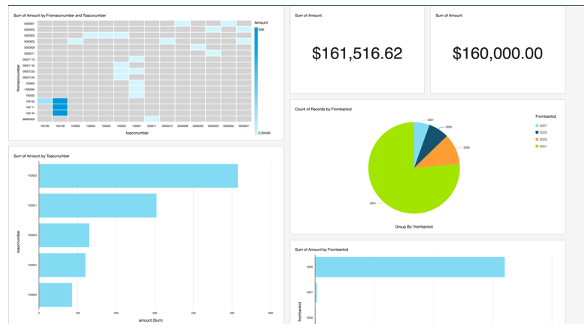
Frax Finance utilizes a hybrid algorithmic model, blending fractional-algorithmic and collateralized mechanisms to maintain its peg. This innovative approach introduces unique risks, as algorithmic components may struggle during extreme market downturns, necessitating a deep understanding of the protocol’s economic incentives and stabilization mechanisms.

5. TrueUSD TUSD legal challenges
TrueUSD has faced significant legal challenges, including lawsuits alleging fraudulent operations and reserve mismanagement. These legal battles underscore the importance of regulatory compliance and transparent reserve reporting, as ongoing litigation can severely impact investor confidence and the stablecoin’s ability to maintain its peg in the market.
Stablecoin risks in 2026
The stablecoin market has crossed a critical threshold in 2026, moving from crypto-native experimentation into core financial infrastructure. This expansion brings scale, but also systemic vulnerability. As these digital assets integrate deeper into traditional payment rails, the consequences of a depeg are no longer confined to speculative trading desks; they ripple through retail banking and commercial lending.
Official warnings highlight the severity of this exposure. The Bank Policy Institute has issued stark warnings about "warning bells" ringing across the sector, particularly regarding yield-bearing stablecoins that may distort deposit markets. Their analysis suggests that a sudden loss of parity could trigger liquidity drains that traditional safeguards are ill-equipped to handle.
Simultaneously, the International Monetary Fund has developed novel measures to track these shocks, identifying causal links between stablecoin adoption and volatility in U.S. financial markets. Their research underscores that regulatory clarity, while increasing transparency, also exposes reserve deficiencies that were previously hidden in the shadows of decentralized finance.
Key takeaway: 2026 regulatory frameworks increase transparency but also expose reserve deficiencies previously hidden.
For investors and institutions, the priority is identifying which assets can withstand these pressures. The following sections examine the five stablecoins most at risk of decoupling, evaluating their reserve structures and regulatory compliance against these new benchmarks.
Reserve Transparency and Audit Standards
Assessing the risk of decoupling requires a rigorous examination of reserve composition and verification frequency. The Bank Policy Institute highlights that yield-bearing stablecoins pose distinct risks to deposit stability, making reserve quality a primary regulatory concern [src-serp-1]. Without transparent, real-time attestation, investors cannot accurately gauge the liquidity available during market stress.
The following comparison outlines the reserve structures and audit cadences of the leading stablecoins. This data serves as a baseline for evaluating compliance with emerging 2026 regulatory frameworks [src-serp-6].
| Stablecoin | Primary Reserves | Audit Frequency | Reporting Standard |
|---|---|---|---|
| USDC | US Treasuries & Cash | Monthly Attestation | Quarterly Detailed Reports |
| USDT | Cash, Treasuries, Commercial Paper | Monthly Attestation | Quarterly Detailed Reports |
| DAI | Crypto Collateral & Stablecoins | Monthly Attestation | Real-Time Onchain Data |


As an Amazon Associate, we may earn from qualifying purchases.
Understanding these distinctions is essential for legal and financial due diligence. The disparity between centralized attestation and decentralized onchain verification remains a critical factor in risk assessment.
Frequently asked: what to check next
The distinction between a temporary liquidity crunch and a structural depeg often determines the severity of regulatory intervention. Understanding these mechanics is essential for compliance officers monitoring exposure.
No comments yet. Be the first to share your thoughts!