Why stablecoin depeg risk 2026 matters now
The stablecoin market has moved from a niche crypto experiment to a core component of global liquidity. This structural shift has fundamentally altered the risk profile for 2026. What was once an isolated digital asset crisis can now trigger broader financial instability. The IMF’s recent analysis confirms that stablecoin shocks can cascade into traditional financial markets, making reserve transparency critical for investors and regulators alike IMF 2026 Report.
Regulatory frameworks are tightening rapidly, creating a high-stakes environment for issuers and holders. The clear message for traders is that stablecoins are not risk-free. Issues surrounding reserve quality, issuer transparency, and redemption mechanisms are no longer theoretical concerns but immediate operational risks SignalPlus 2026.
As compliance standards evolve, the margin for error shrinks. Projects that fail to maintain rigorous audit trails or adequate liquidity buffers face heightened depeg risk. Understanding these catalysts is essential before evaluating specific assets in the current market cycle.
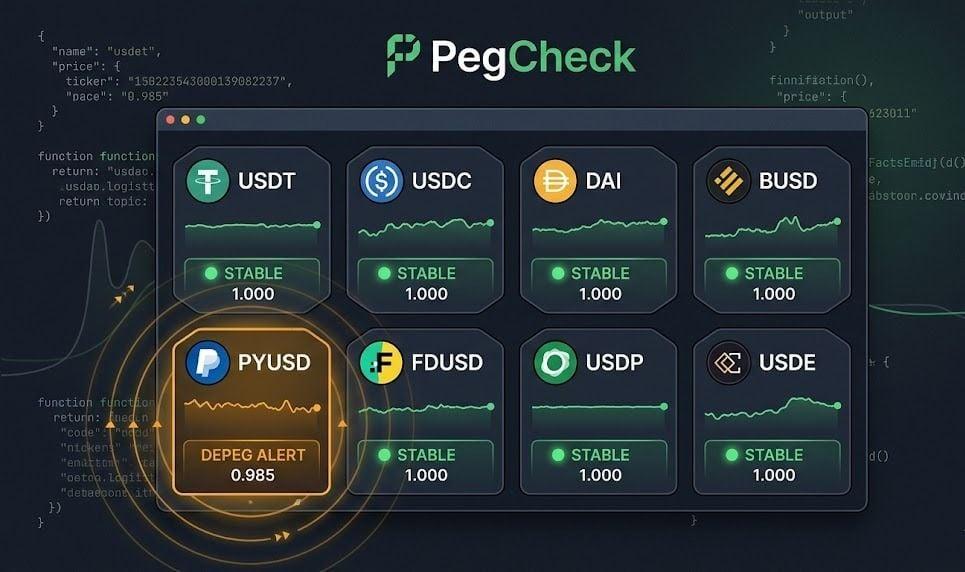
5 Depeg Watch 2026: Top 5 Stablecoins at Risk of Decoupling
As regulatory scrutiny intensifies in 2026, the stability of major algorithmic and fiat-backed assets faces unprecedented pressure. This analysis identifies the five stablecoins most vulnerable to decoupling, prioritizing data from official reserve attestations and primary market indicators over speculative sentiment.
1. Tether USDT liquidity stress indicators
USDT remains the largest stablecoin, yet its reserve composition invites scrutiny. Traders monitor on-chain liquidity pools and Tether’s monthly attestation reports for signs of strain. Sudden outflows or reserve shifts toward less liquid assets can signal potential depeg risks, making real-time monitoring essential for portfolio safety.

2. USD Coin USDC regulatory scrutiny risks
USDC’s close ties to Circle and traditional banking partners expose it to regulatory shifts. Recent compliance updates and reserve audits are critical. Any change in regulatory stance or banking relationships could impact its 1:1 peg, making transparency and legal adherence key factors for investors assessing stability.

3. DAI decentralized backing solvency concerns
DAI’s algorithmic nature relies on over-collateralization and decentralized governance. Solvency hinges on the health of its collateral assets, including ETH and other crypto. Market volatility can strain these reserves, potentially causing depeg events if liquidation mechanisms fail to maintain the peg during extreme market conditions.
4. BUSD Binance exchange operational vulnerabilities
BUSD’s stability was historically tied to Binance’s operational integrity. Regulatory actions against Binance have raised questions about BUSD’s future viability. Investors must watch for any disruptions in Binance’s services or legal challenges that could affect BUSD’s ability to maintain its peg to the US dollar.

5. FRAX algorithmic mechanism failure points
FRAX combines collateralization with an algorithmic component to maintain its peg. This hybrid model introduces unique failure points, particularly if the algorithmic rebalancing mechanisms struggle during high volatility. Understanding these dynamics is crucial for assessing FRAX’s resilience against depegging pressures in 2026.

Algorithmic models face renewed scrutiny
Algorithmic stablecoins remain the highest-risk category in the 2026 stablecoin landscape. Unlike fiat-backed tokens, these assets lack hard collateral, relying instead on complex code and market incentives to maintain their peg. This structural difference creates a fragility that becomes apparent only during periods of extreme market stress.
The core vulnerability lies in the "death spiral" mechanism. When confidence erodes, users rush to sell, driving the price below parity. To defend the peg, the protocol must mint more supply, which further dilutes value and triggers more selling. This feedback loop can destroy a token's market cap in hours, leaving holders with worthless assets.
Webacy’s January 2026 risk monitor highlights that depegging events are rarely about a single price tick. They are about what the token is pegged to and how long deviations persist. Without a reserve of tangible assets to absorb sell pressure, algorithmic models depend entirely on continuous market confidence. In a high-stakes environment, that confidence is the only thing standing between a stable dollar and a zero balance.
| Feature | Fiat-Backed | Algorithmic |
|---|---|---|
| Collateral Type | Cash/Treasuries | Code/Incentives |
| Depeg Risk | Low | High |
| Transparency | High (Audits) | Variable |
2026 regulations force stricter reserve audits
The regulatory landscape for stablecoins shifted sharply in 2026, moving from voluntary transparency to mandatory, standardized auditing. New rules from the US Treasury and EU regulators require issuers to prove that every token in circulation is backed by high-quality liquid assets. This shift is designed to eliminate the ambiguity that previously allowed some projects to hide risky holdings or insufficient reserves.
For traders, the risk message is clear: stablecoins are "not risk-free." The new framework highlights reserve quality, issuer transparency, and redemption mechanisms as critical indicators of stability. Issuers who fail to meet these standards face immediate delisting or legal action, revealing hidden risks in tokens that previously appeared safe.
This scrutiny has exposed vulnerabilities in smaller or less transparent stablecoins. Projects that relied on commercial paper or unverified cash equivalents are now forced to either upgrade their reserves or face depegging events. The increased regulatory pressure is acting as a filter, separating robust tokens from those with fragile backing.
The result is a market where trust is no longer assumed but verified. Investors must now look beyond market capitalization and examine the audit reports provided by approved third-party firms. This transparency is essential for identifying which stablecoins can withstand market stress without decoupling.
How to monitor depegging alerts in real time
Detecting a stablecoin depeg before it becomes a liquidity crisis requires moving beyond simple price charts. Traders must monitor the structural health of the peg, focusing on the duration of deviations and the underlying mechanism the token uses to maintain parity. A single price tick is rarely the cause; it is usually the symptom of a broader mechanical failure.
Start by tracking the stablecoin depegging alerts across multiple data layers. Price is the most visible signal, but volume and spread anomalies often precede price drops. Look for widening bid-ask spreads on decentralized exchanges, which indicate that market makers are pulling liquidity due to uncertainty. If a stablecoin’s price dips below $0.99 but volume remains low, it may be a temporary arbitrage opportunity. If volume spikes alongside the dip, it signals genuine panic or a loss of confidence in the reserve backing.
Integrate on-chain analytics to verify the stability of the peg’s reserves. Tools that provide real-time transparency into the collateral composition of stablecoins are essential. You should monitor the ratio of liquid assets (like cash or short-term Treasuries) to total supply. A declining liquidity ratio often precedes a depeg event, especially for algorithmic or partially collateralized tokens. Official sources and primary auditors provide the most reliable data on reserve health, so prioritize reports from audited entities over third-party aggregators that may lag.
For traders managing high-stakes portfolios, automated monitoring is non-negotiable. Set up alerts for specific thresholds, such as a 0.5% deviation from the peg or a 20% drop in trading volume over a 1-hour window. This proactive stance allows you to exit positions or hedge before a full decoupling occurs. The goal is not to predict the exact moment of failure, but to recognize the early warning signs that a stablecoin is under stress. While no tool can guarantee early detection, combining price monitoring with on-chain reserve analysis significantly reduces risk. Stay vigilant, rely on official data sources, and never assume a peg is permanent. In the high-stakes world of stablecoins, liquidity is the ultimate truth.
Frequently Asked Questions About Stablecoin Risk
What happens to my money if a stablecoin depegs? When a stablecoin decouples from its peg, retail holders face significant losses if they are relying on it for daily transactions or savings, according to the Bank Policy Institute. The value drops below $1.00, and while some algorithms attempt to restore parity, others may collapse entirely, leaving users with devalued assets.
How can I verify if a stablecoin’s reserves are safe? Rely on official, primary audits rather than self-reported claims. High-stakes finance requires transparency; look for attestation reports from major accounting firms that detail the composition of reserves (e.g., cash vs. commercial paper). If a stablecoin lacks recent, independent verification, treat it as high-risk.
What are the biggest risks of staking stablecoins? Staking stablecoins usually involves lending or vault yield mechanisms, introducing three primary dangers: depeg events, smart contract exploits, and counterparty failure. Even if the token itself stays pegged, the platform holding your assets may fail, cutting you off from your funds.
Secure your assets with trusted hardware wallets
When exchange platforms or stablecoin issuers falter, self-custody is the only reliable safety net. Hardware wallets store private keys offline, keeping your assets out of reach for hacks and depeg cascades.


As an Amazon Associate, we may earn from qualifying purchases.
No comments yet. Be the first to share your thoughts!