Why 2026 Changes Stablecoin Stability
The regulatory landscape for stablecoins has shifted from ambiguous gray areas to defined legal frameworks. The 2025 US legislation clarified the status of stablecoins, bringing them into the traditional finance table. This regulatory clarity was a necessary step for mainstream adoption, but it has simultaneously exposed compliance gaps that were previously hidden.
Previously, the primary risks associated with stablecoins were technical failures or market volatility. In 2026, the risk profile has expanded to include regulatory compliance. Issuers that fail to meet the new transparency and reserve requirements face significant penalties or forced depegging. This is not just a technical issue; it is a legal one.
The Bank Policy Institute has highlighted that the consequences of a stablecoin depeg extend beyond the crypto ecosystem. Retail investors and traditional banking deposits are now at risk if a stablecoin fails to maintain its peg. This interconnectedness means that regulatory compliance is no longer optional for issuers who want to remain relevant.
For issuers, the path forward requires rigorous adherence to these new standards. Those that do not adapt risk losing their license to operate. The stakes have never been higher, and the window for compliance is closing.
5 Depeg Watch 2026: Top 5 Stablecoins at Risk of Decoupling
Regulatory scrutiny intensifies in 2026, placing significant pressure on algorithmic and fiat-backed issuers to maintain strict reserve transparency. This analysis identifies five specific stablecoin products exhibiting structural vulnerabilities that may trigger decoupling events under current compliance frameworks.
1. Tether USDT Liquidity Scrutiny
Tether’s massive reserve composition draws intense regulatory examination, particularly regarding the quality of its commercial paper holdings. Experts warn that even substantial Treasury bill holdings cannot fully insulate the asset from sudden liquidity shocks. Investors must monitor real-time reserve attestations closely to assess solvency risks during market stress events.

2. USD Coin USDC Regulatory Exposure
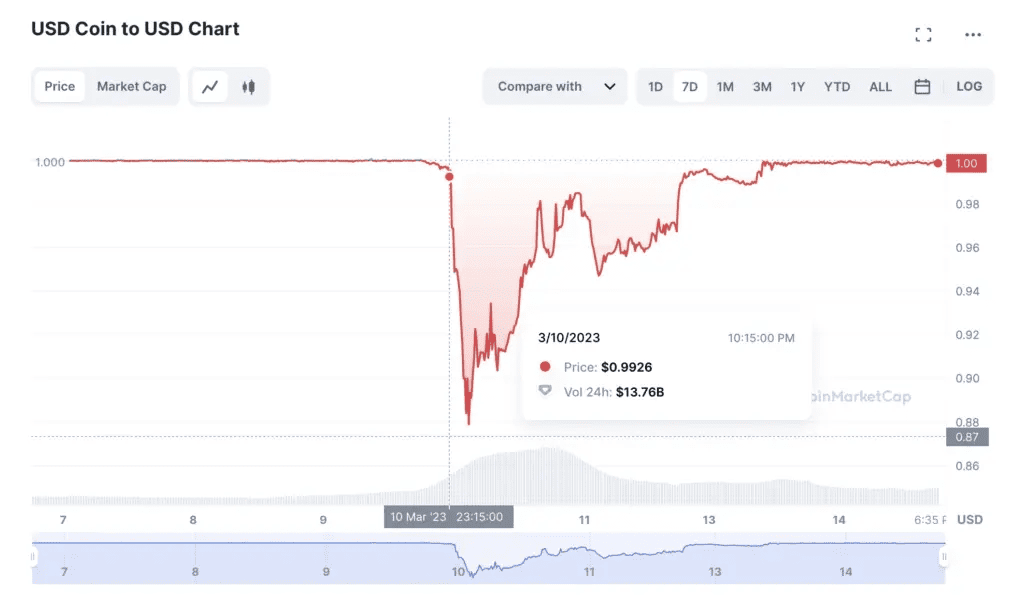
Circle’s USDC faces distinct regulatory pressures due to its transparent, US-based corporate structure and direct ties to traditional banking partners. This visibility invites heightened scrutiny from federal agencies regarding capital requirements and reserve segregation. Any shift in banking relationships or regulatory stance could immediately impact USDC’s stability and market confidence.

3. Paxos USDP Reserve Risks
Paxos’s USDP (now BUSD) historically faced significant regulatory challenges, though its current status requires careful verification of ongoing reserve backing. The transition away from Binance partnerships highlights the fragility of stablecoins dependent on specific exchange relationships. Investors must verify current reserve composition and regulatory standing to avoid exposure to dormant or poorly backed assets.
4. Frax FRAX Algorithmic Pressure
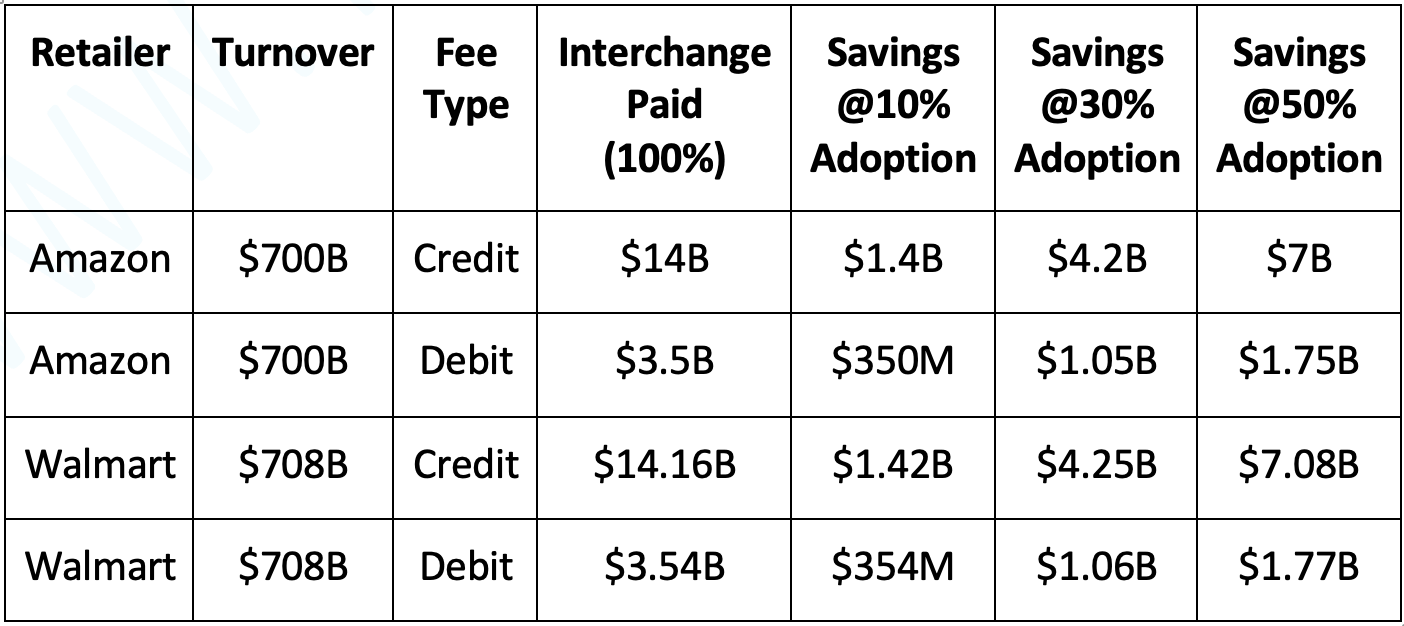
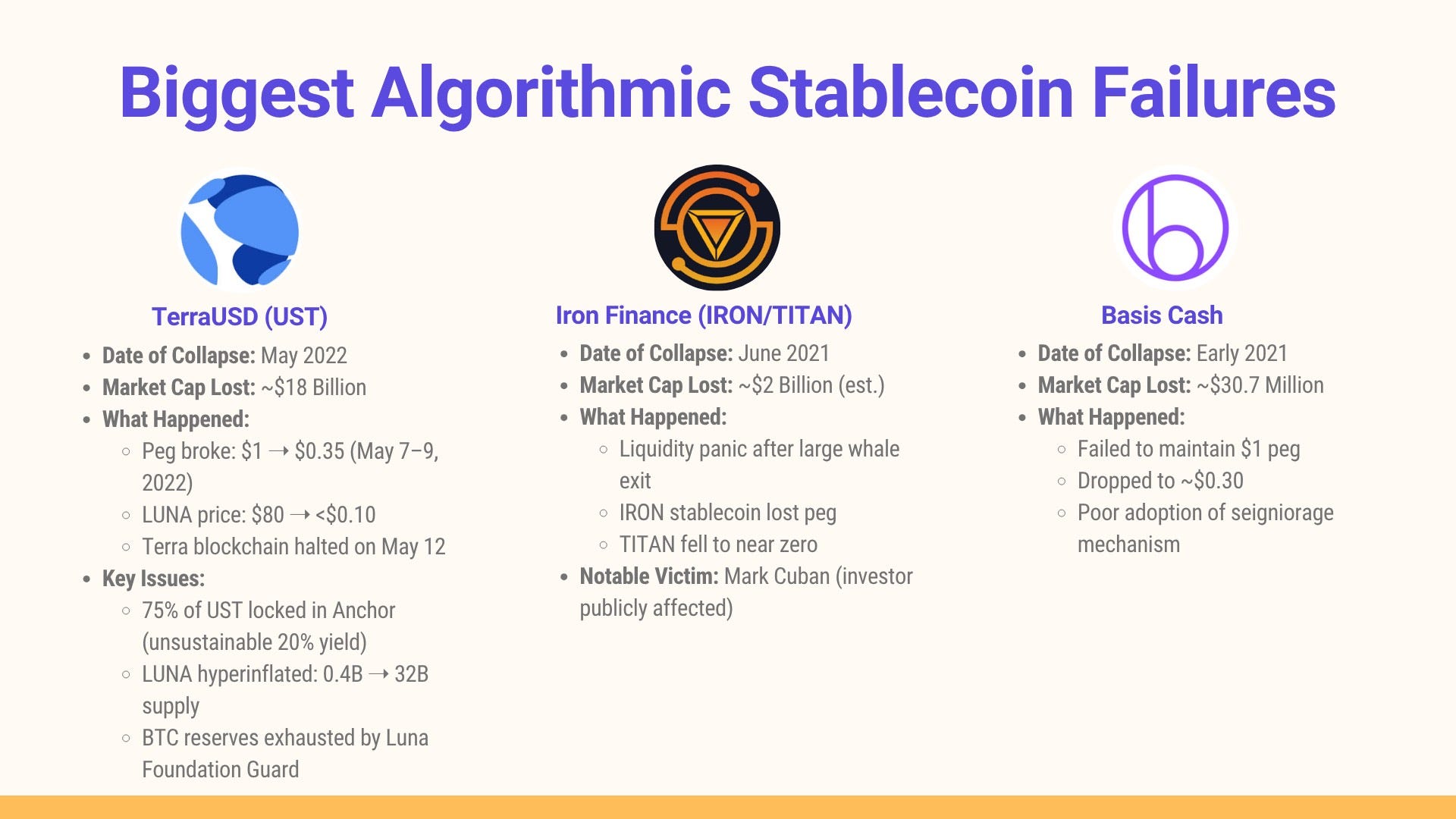
Frax’s hybrid model, combining fractional-algorithmic mechanisms with collateralized backing, introduces unique depegging risks during extreme volatility. The algorithmic component relies on market incentives to maintain parity, which can fail under sustained sell pressure. Understanding the dynamic rebalancing mechanics is crucial for assessing the token’s resilience against systemic shocks.
5. TrueUSD TUSD Audit Transparency
TrueUSD emphasizes monthly attestations by independent accounting firms to ensure reserve transparency. However, the frequency and depth of these audits remain critical factors for trust. Investors should scrutinize the specific accounting standards used and any discrepancies between reported reserves and actual on-chain holdings to gauge true solvency.
Monitoring Tools for Depeg Events
Stablecoins will often depeg up to 1% either side of the peg for brief periods, lasting from a few minutes to a few days. Major depegs of 10% or more signal structural failure or liquidity crises that require immediate legal and financial response. To distinguish between temporary market noise and genuine depegging events, users must deploy layered monitoring tools that track both price action and on-chain reserves.
Price alerts serve as the first line of defense. Configure alerts on major exchanges to trigger when an asset drops below 0.995 USD. This threshold captures the early stages of a depeg before panic selling accelerates. Do not rely on a single exchange; monitor aggregated data from CoinGecko or CoinMarketCap to avoid localized liquidity traps.
On-chain data provides the definitive proof of solvency. Use blockchain explorers to monitor the reserve wallets of the stablecoin issuer. A drop in USDC or USDT reserves on-chain, even if the price remains pegged, is a leading indicator of future instability. Tools like DeFiLlama allow you to view reserve compositions in real time, offering transparency that exchange prices alone cannot provide.



As an Amazon Associate, we may earn from qualifying purchases.
No comments yet. Be the first to share your thoughts!