
Stablecoins are designed to offer crypto investors a safe harbor from volatility, but as recent market events have shown, even the most robust stablecoins can lose their peg to the US dollar. This risk has led to the rise of depeg insurance - a specialized form of coverage that protects users when their digital dollars slip below expected values. In this article, we’ll break down how depeg insurance works, what it covers (and what it doesn’t), and how claims are processed in today’s decentralized finance landscape.

How Depeg Insurance Coverage Protects Your Stablecoins
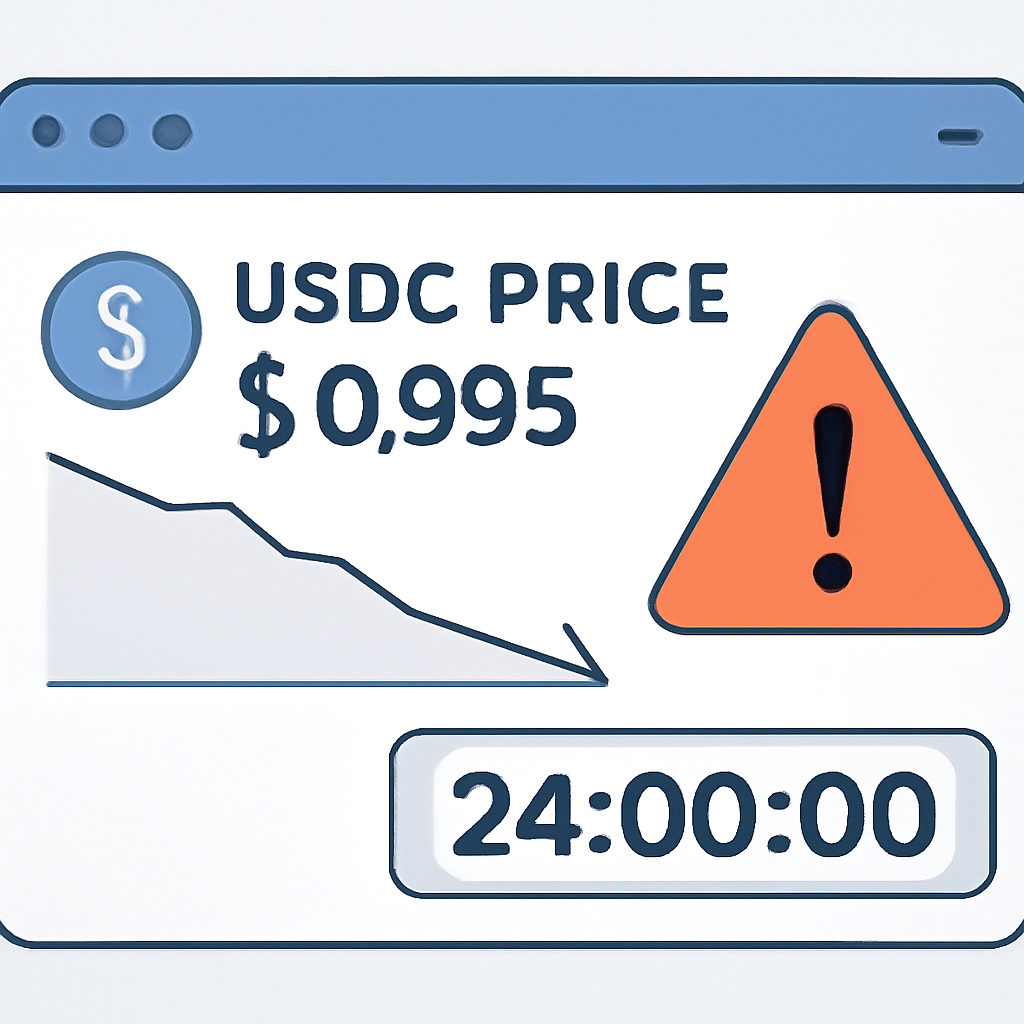
The core promise of depeg insurance is simple: if your stablecoin drops below its intended price threshold and fails to recover within a set period, you receive compensation. For example, Etherisc’s USDC depeg protection activates if USDC’s price falls below $0.995 and does not recover above $0.999 within 24 hours. If this happens, policyholders can claim payouts - typically in another stablecoin such as USDT - based on the price at the end of the waiting period. Payouts are capped at a 20% depeg (down to $0.80), reflecting prudent risk management and the collateral structure of major stablecoins.
This type of coverage is particularly valuable for both institutional treasuries and retail users who require stability for payroll, DeFi strategies, or cross-border payments. With protocols like Etherisc and OpenCover leading the way, more investors are looking to hedge against systemic risks that were previously considered uninsurable.
Key Features of Depeg Insurance Policies
Key Features & Limits of Depeg Insurance
- Trigger Thresholds: Depeg insurance activates when a stablecoin’s price falls below a specific level—for USDC, the trigger is $0.995 (per Etherisc). This ensures protection only when a significant depeg occurs.
- Waiting/Recovery Periods: After the trigger, there is a 24-hour waiting period (Etherisc) to allow the stablecoin a chance to recover above $0.999. If it fails to recover, claims become eligible.

- Payout Caps: Most policies have a maximum payout limit. Etherisc caps payouts at a 20% depeg—if USDC falls to $0.80 or lower, the payout is based on this floor, reflecting available reserves.

- Minimum Insured Amounts: Policies may require a minimum holding to qualify. Etherisc requires at least 2,000 USDC per wallet for coverage eligibility.

- Covered vs Excluded Risks: Depeg insurance covers price drops below the trigger but excludes losses from human error, off-chain events, and regulatory actions. Always review policy exclusions before purchasing.
Understanding Limitations: What Isn’t Covered?
No insurance product is without exclusions - and understanding these boundaries is essential for setting realistic expectations. Most depeg insurance policies do not cover losses caused by human error, such as sending funds to an incorrect address or falling victim to phishing scams (see details here). Regulatory actions that force a stablecoin off its peg may also be excluded from coverage (learn more about regulatory exclusions). Furthermore, each policy sets minimum coverage requirements - for instance, Etherisc requires at least 2,000 USDC per wallet to be eligible for protection (policy details here).
Payouts are also not unlimited. Even in severe market events where a stablecoin drops far below its peg, Etherisc caps payouts at a maximum depeg level of 20%. This reflects both actuarial prudence and the underlying collateral models used by most leading stablecoins.
The Claims Process: Step-by-Step Transparency
If your insured stablecoin triggers a depeg event, submitting a claim is designed to be straightforward and transparent:
How to File a Depeg Insurance Claim with Etherisc

The process typically involves:
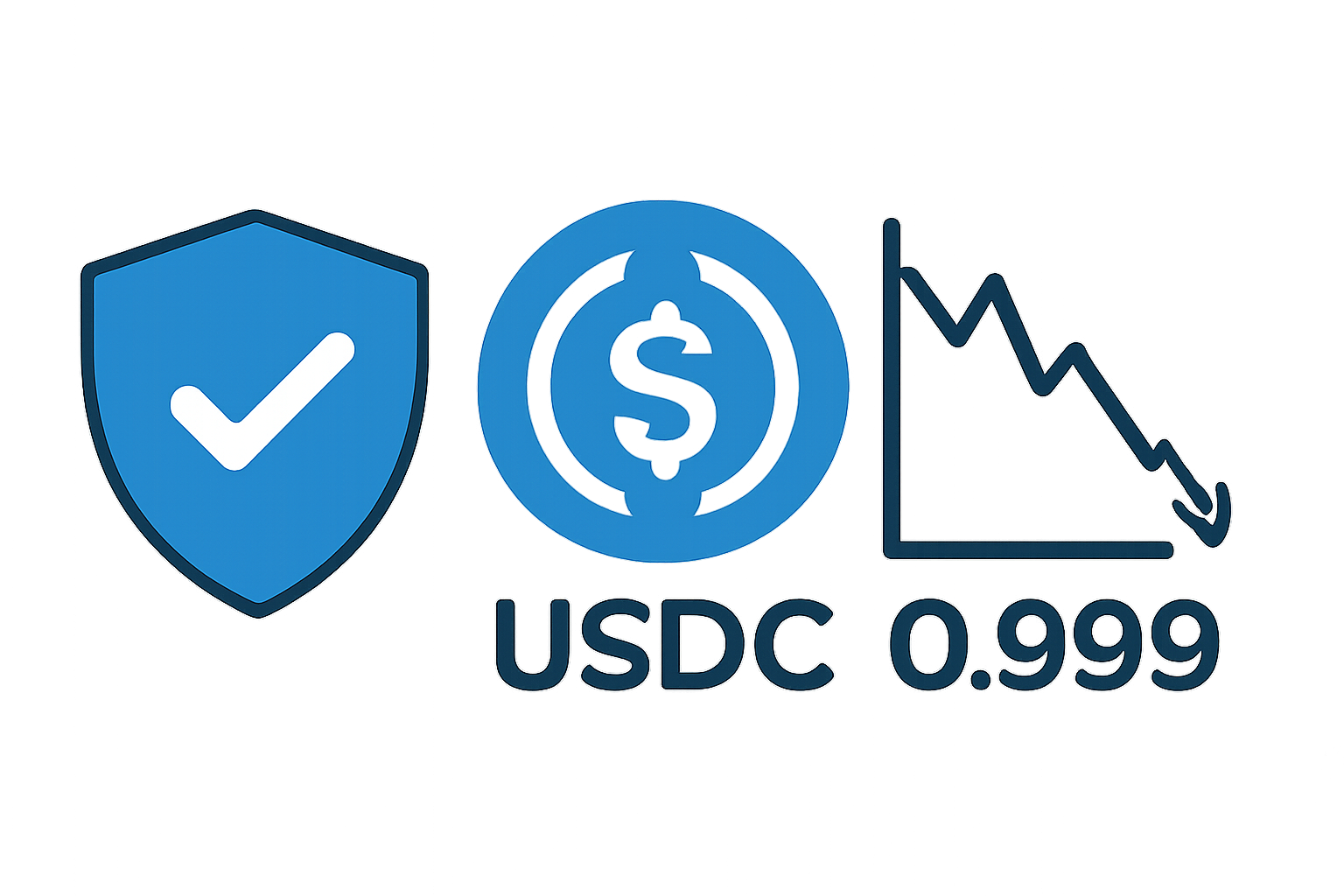
- Trigger Event: The policy enters an active state when the coin drops below its threshold (e. g. , $0.995).
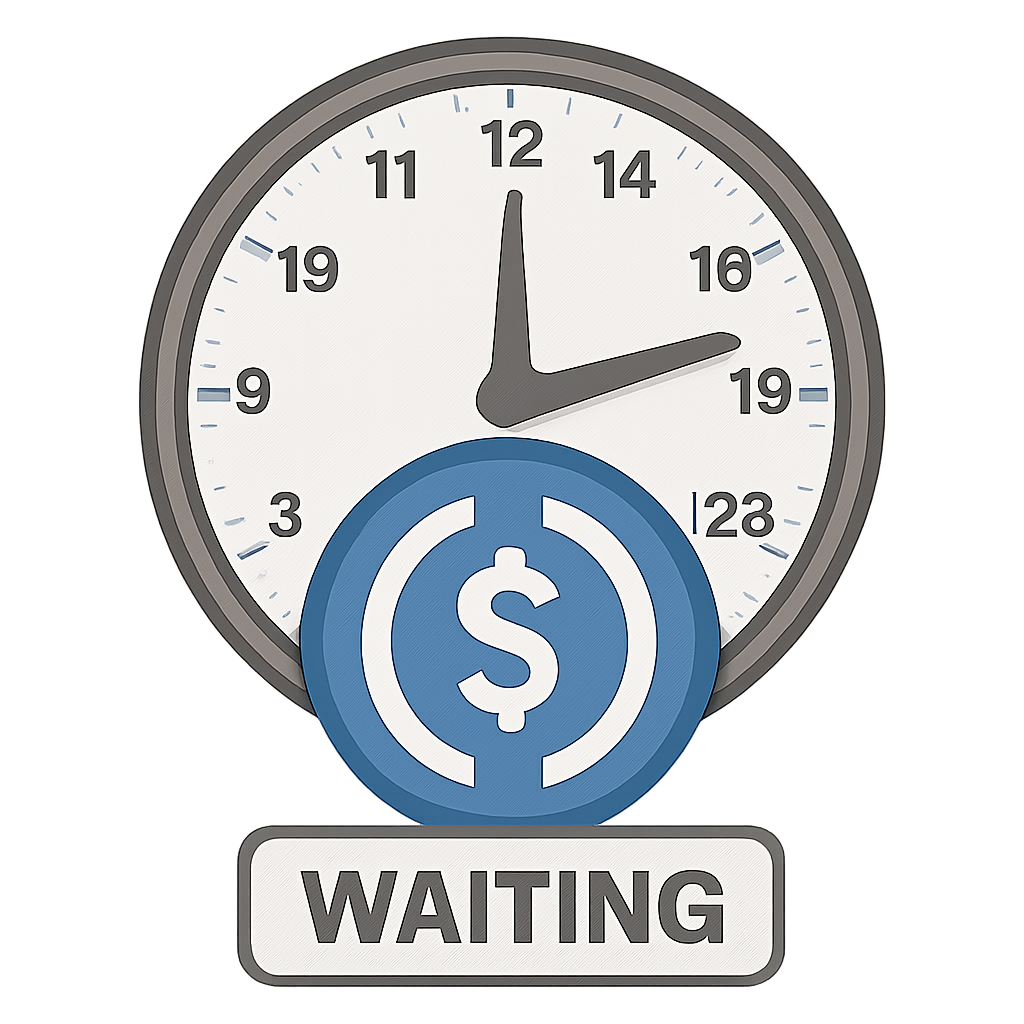
- Waiting Period: A predefined window (often 24 hours) allows for potential recovery before payout eligibility.
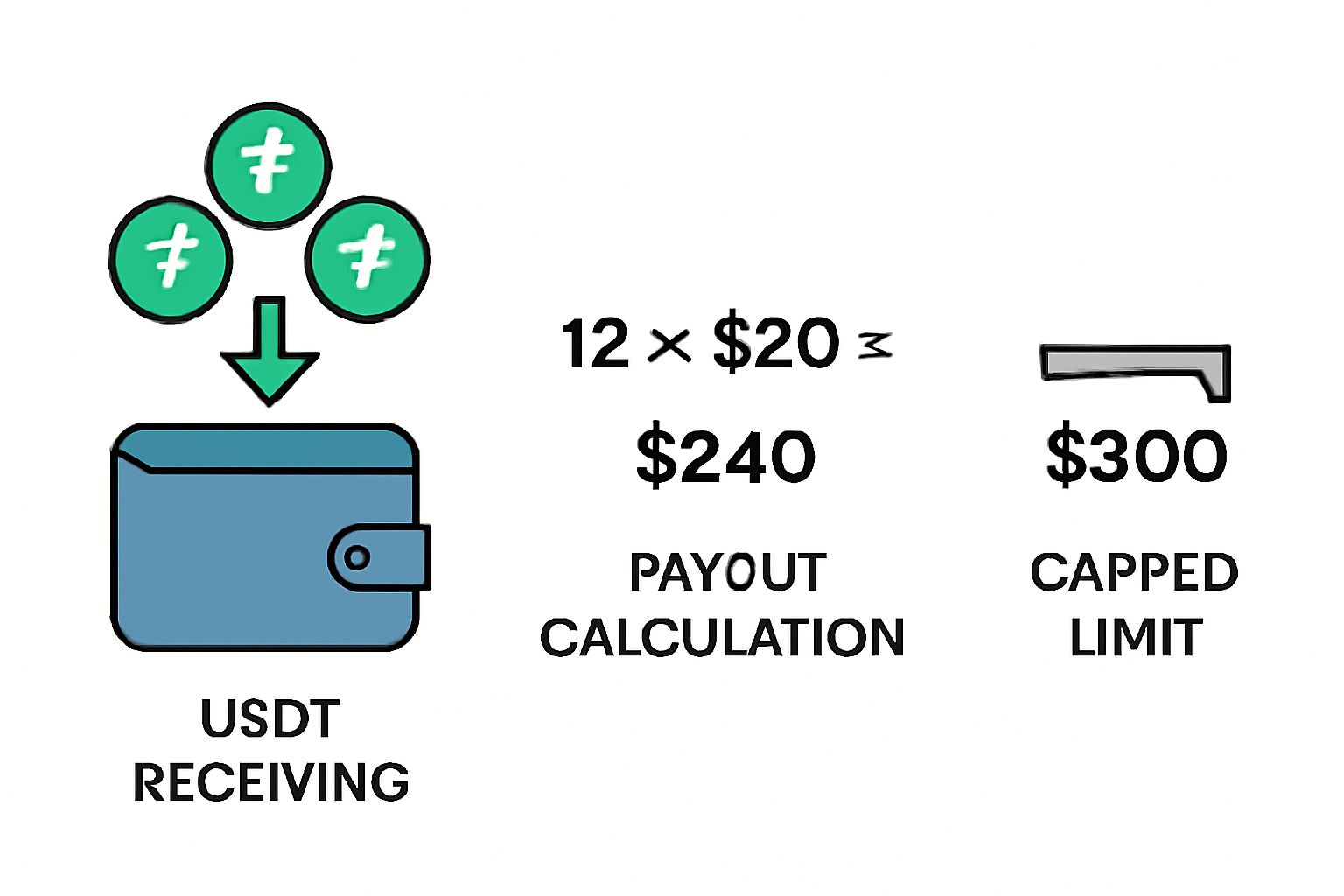
- Payout Calculation: If still below threshold after waiting period, payout is calculated based on final price.
- Claim Submission and Approval: Policyholders submit proof via the insurer’s platform; upon approval, payouts are issued in an alternative stablecoin such as USDT.
While the mechanics of depeg insurance are engineered for reliability, users should be aware that policy terms and claims processes can differ across providers. For example, some platforms automate all claim triggers and payouts via smart contracts, while others may require additional manual verification or documentation. Reviewing the fine print is crucial to ensure you understand how your policy operates in a real-world depegging scenario.
Transparency and automation are rapidly becoming industry standards. Most leading protocols publish their claims logic and oracle sources openly, allowing users to verify the integrity of the trigger mechanisms. This commitment to openness helps build trust, an essential ingredient when insuring digital assets in a still-maturing market.
Why Depeg Insurance Matters for Crypto Investors
The need for robust stablecoin insurance coverage has never been more apparent. In 2025 alone, several high-profile depegging incidents rattled markets and left unprotected holders with unexpected losses. As stablecoins become further integrated into payroll systems, DeFi protocols, and cross-border settlements, even a brief deviation from $1 can have ripple effects across entire portfolios.
By providing a safety net against these events, depeg insurance enables both individuals and institutions to confidently engage with on-chain finance, without fearing catastrophic loss from rare but impactful price dislocations. Coverage is not just about peace of mind; it’s about enabling innovation by mitigating one of crypto’s most persistent risks.
Choosing the Right Policy: What to Look For
Selecting an appropriate depeg insurance product means weighing several factors:
- Trigger Sensitivity: How tight is the threshold? Policies that activate at smaller deviations (like $0.995) offer more immediate protection than those waiting for larger moves.
- Payout Structure: Are payouts capped? Is compensation made in your preferred stablecoin?
- Provider Reputation: Does the insurer publish their claims logic? Are their reserves transparent?
- User Experience: How easy is it to file a claim? Is support responsive?
A careful review of these details will help you select coverage that aligns with your risk tolerance and operational needs.
The crypto ecosystem continues to mature, but volatility, and the risk of stablecoin depegs, remains ever-present. With thoughtfully designed insurance solutions now available, proactive investors can finally hedge against these tail risks without sacrificing on-chain flexibility or yield opportunities.



No comments yet. Be the first to share your thoughts!