

The 2026 regulatory landscape for algorithmic stablecoins
The regulatory environment for algorithmic stablecoins has shifted from abstract debate to concrete enforcement pressure. In 2026, the distinction between collateralized and algorithmic mechanisms is no longer a technical footnote; it is a primary compliance filter. The Financial Action Task Force (FATF) has updated its guidance to treat algorithmic issuance models as higher-risk for anti-money laundering and counter-terrorist financing (AML/CFT) purposes. This classification directly impacts liquidity availability, as banks and payment processors are increasingly reluctant to support protocols that rely on monetary policy algorithms rather than tangible reserves.
US regulatory clarity has further narrowed the operational window for these projects. While stablecoins generally face scrutiny, algorithmic variants like DAI, Frax, crvUSD, and USDe face specific hurdles. The market has moved past the "death" narrative of 2022, but the current legal framework demands transparency that many algorithmic models struggle to provide without centralized fallbacks. Fragmentation remains a global risk, as differing national standards complicate cross-border operations for issuers attempting to maintain peg stability through code alone.
This high-stakes context sets the stage for the specific vulnerabilities facing the leading algorithmic stablecoins. The following analysis examines how these regulatory pressures translate into tangible risks for DAI, Frax, crvUSD, and USDe. Understanding these dynamics is essential for any participant operating in this sector, as the margin for error has effectively vanished.


As an Amazon Associate, we may earn from qualifying purchases.
5 Algorithmic Stablecoins Facing Regulatory Risk
Regulatory scrutiny intensifies for algorithmic stablecoins as global frameworks from the FATF and White House target systemic financial risks. This analysis examines the specific compliance vulnerabilities facing DAI, Frax, crvUSD, and USDe under the evolving 2026 legal landscape.
-
dai regulatory scrutiny under cdp framework
The MakerDAO ecosystem faces intense examination regarding its Collateralized Debt Position (CDP) model. Regulators are assessing whether the semi-algorithmic nature of DAI constitutes an unregistered security or money transmitter activity. The reliance on over-collateralized crypto assets rather than fiat reserves creates ambiguity under existing banking laws. Compliance teams must navigate how decentralized governance interacts with traditional financial oversight frameworks, particularly concerning transparency and reserve auditing standards. -

frax v2 hybrid collateral compliance challenges
Frax Finance’s shift to a hybrid collateral model introduces complex regulatory vectors. By combining algorithmic mechanisms with real-world assets, Frax V2 blurs the lines between stablecoins and investment contracts. Compliance officers must evaluate how partial backing affects liability structures and consumer protection mandates. The integration of traditional finance assets requires strict adherence to securities regulations, creating a dual-layer compliance burden that differs significantly from purely crypto-backed alternatives. -
crvUSD LLAMMA mechanism regulatory exposure
Curve Finance’s crvUSD utilizes the Liquidation Locking Market Maker Algorithm (LLAMMA), a novel liquidation mechanism. Regulators are scrutinizing whether this code-based liquidation process meets the definition of a payment system or a banking service. The automated, algorithm-driven nature of debt management raises questions about systemic risk and consumer recourse. Legal teams must determine if the protocol’s self-stabilizing features exempt it from traditional financial institution regulations or subject it to stricter oversight. -
usde synthetic dollar classification risks
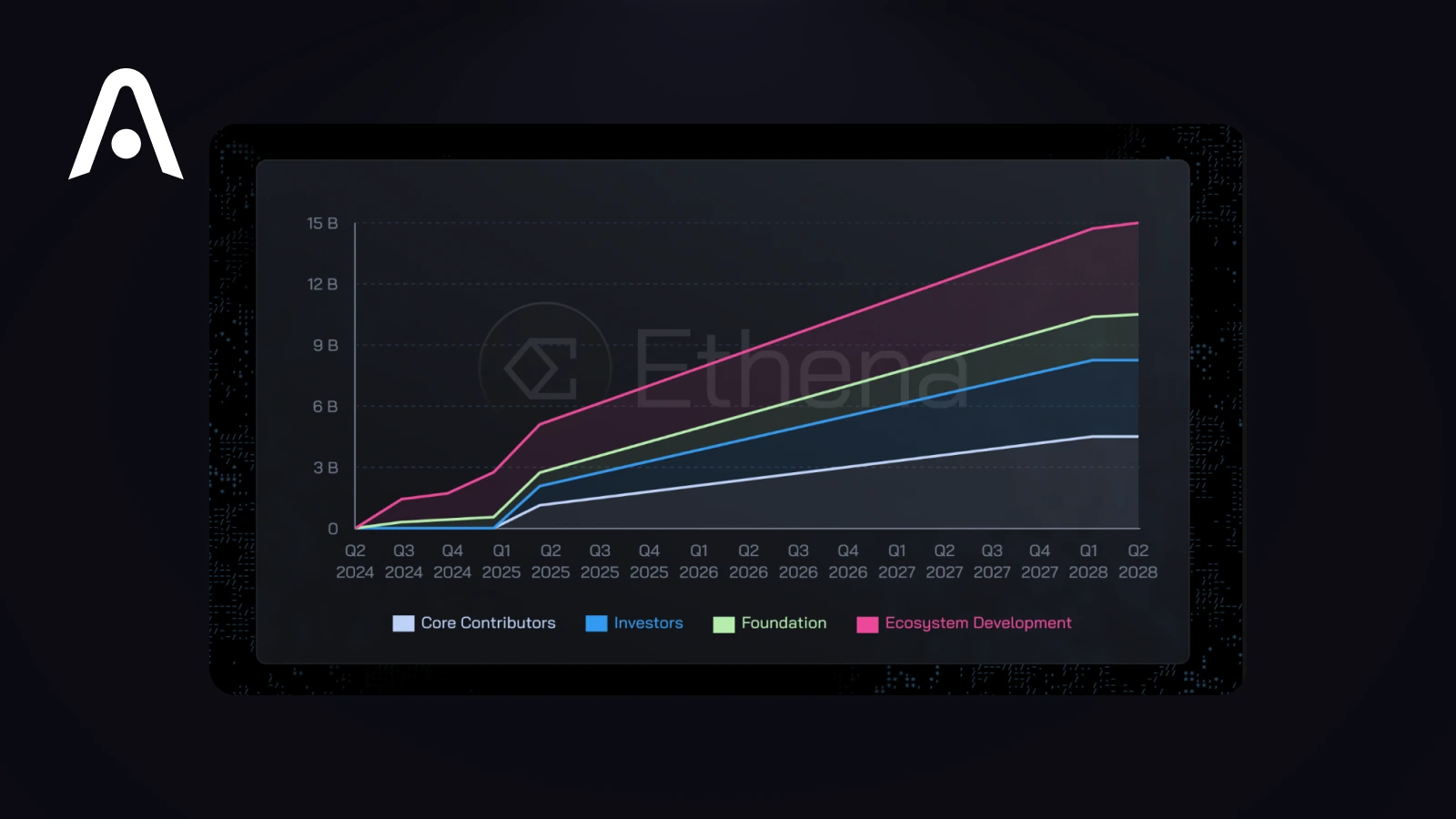
Ethena’s USDe operates as a synthetic dollar, deriving value from staked Ethereum and basis trading strategies. This structure invites classification as a security or derivative rather than a stablecoin. Regulatory bodies are closely monitoring how yield generation impacts the asset’s peg stability and legal status. The reliance on financial market mechanisms rather than direct asset backing creates unique vulnerabilities, prompting inquiries into whether USDe complies with commodity or securities laws under current jurisdictional interpretations. -

algorithmic stablecoin fatf guidance implications
The Financial Action Task Force (FATF) has issued updated guidance impacting algorithmic stablecoins globally. These recommendations emphasize travel rule compliance and risk-based approaches for virtual asset service providers. Projects must align their operational structures with these international standards to avoid sanctions or market exclusion. The guidance clarifies expectations for anti-money laundering protocols, forcing algorithmic stablecoin issuers to implement robust identity verification and transaction monitoring systems across their decentralized networks.
Comparing peg stability and regulatory exposure
The algorithmic stablecoin landscape has shifted from speculative experiments to structured compliance frameworks. Evaluating DAI, Frax v2, crvUSD, and USDe requires looking past marketing claims to their underlying collateral mechanics and regulatory standing. As noted in recent Frontiers in Blockchain analysis, these assets remain vulnerable to parity losses if governance tokens depreciate, a risk that persists despite improved design.
The table below outlines the primary risk vectors for each protocol. Regulatory scrutiny varies by jurisdiction, with USDe facing the most direct institutional oversight due to its regulated reserve structure, while algorithmic components in Frax and DAI remain subject to decentralized governance risks.
| Token | Collateral Type | Regulatory Risk |
|---|---|---|
| DAI | Multi-asset (ETH, WBTC, USDC) | Moderate |
| Frax v2 | Hybrid (FRAX + USDC) | Moderate-High |
| crvUSD | Overcollateralized (ETH, BTC) | Low-Moderate |
| USDe | Regulated Treasuries/Bank Deposits | High (Direct Oversight) |
For readers interested in the broader context of digital asset management, the following resources may provide additional utility.


![The Crypto Millionaire Bible: [5 in 1] How to Easily Make Life-Changing Money in The Next Big 2025-2026 Bull Run with Smart Investing and Trading Any Cryptocurrency (Altcoins, Meme, NFT, Airdrops)](https://m.media-amazon.com/images/I/61K1jz+cWtL._AC_UY654_QL65_.jpg)
As an Amazon Associate, we may earn from qualifying purchases.
Frequently asked questions about stablecoin risks
What are the risks of algorithmic stablecoins? Algorithmic stablecoins face significant depegging risks during high volatility. Without direct collateral backing, algorithms managing supply adjustments often fail to maintain stability, leading to price fluctuations that undermine the peg. Recent regulatory scrutiny highlights liquidity and transparency as primary failure points for these mechanisms.
What is the best algorithmic stablecoin for 2026? The market has rebuilt from the 2022 collapse with four primary contenders: DAI, Frax v2, crvUSD, and USDe. DAI remains the standard for onchain collateral, while Frax v2 and crvUSD offer hybrid models. USDe focuses on real-world asset backing. Each carries distinct regulatory exposure depending on its reserve composition.
What is the best stablecoin in 2026? For regulated reserves and native conversion, USDC is the leading choice. USDT offers the deepest global liquidity and exchange pairs. PYUSD integrates with PayPal’s payment rails for fiat users. DAI is preferred by builders seeking decentralized, onchain collateral over traditional bank-held reserves.


![(Old Version) H&R Block Tax Software Premium 2024 Win/Mac with Refund Bonus Offer (Amazon Exclusive) [PC/Mac Online Code]](https://m.media-amazon.com/images/I/51tob7UDgCL._AC_UY654_QL65_.jpg)
As an Amazon Associate, we may earn from qualifying purchases.
No comments yet. Be the first to share your thoughts!