

In the ever-shifting sands of DeFi yield trading, Pendle Finance stands out as a powerhouse for unbundling yields into Principal Tokens (PT) and Yield Tokens (YT). But here’s the kicker: PTs can depeg from their Net Asset Value (NAV), leaving traders exposed to unexpected losses. As Pendle (PENDLE) trades at $1.22 today, down 0.8130% in the last 24 hours, understanding how to hedge these Pendle PT depeg risks is crucial for 2026 yield strategies.

Pendle’s innovation lies in splitting yield-bearing assets like staked ETH or stablecoins into PTs, which represent the principal redeemable at maturity, and YTs, which capture the variable yield. This setup lets you lock in fixed yields or speculate on rate changes. Yet, PTs often trade at a discount or premium to NAV, creating DeFi yield depeg risk when market sentiment shifts or liquidity dries up.
Decoding PT Depegs: When Principal Tokens Drift from NAV
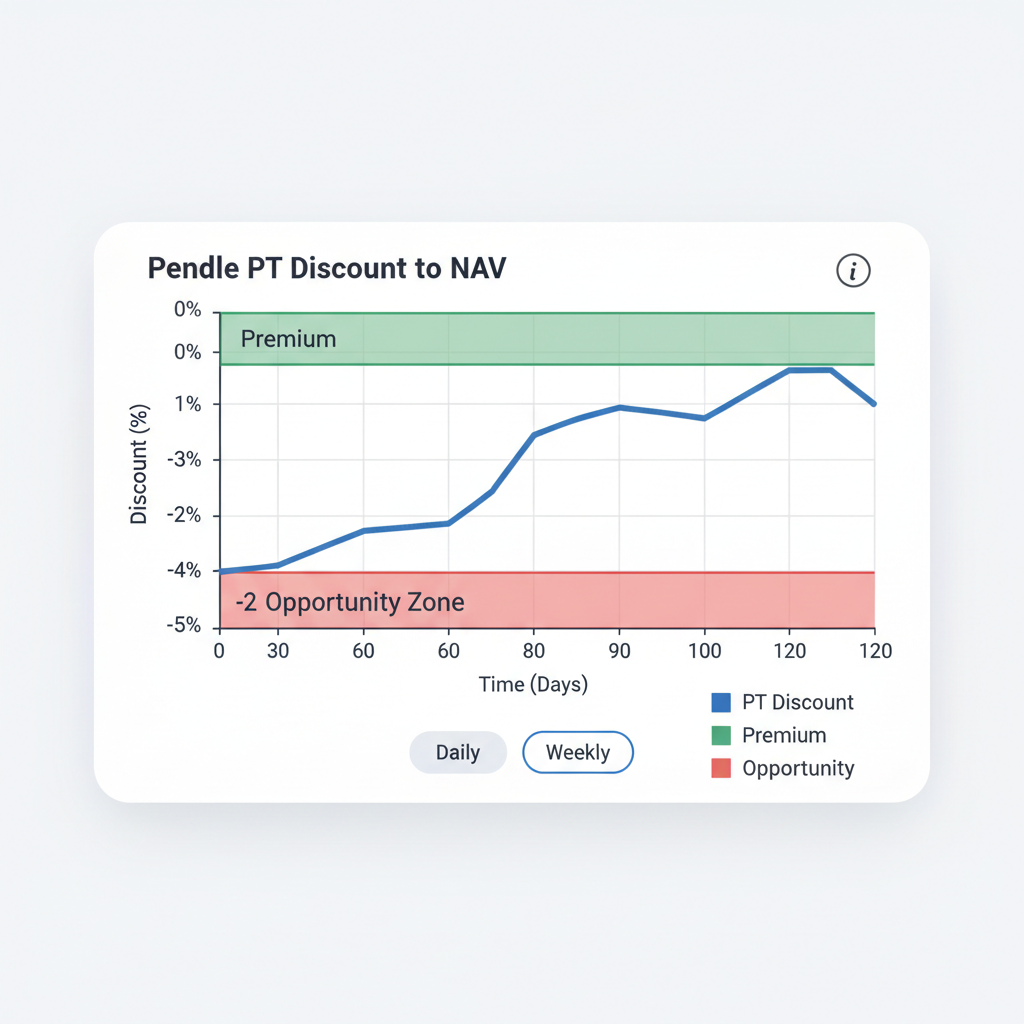
Picture this: you buy a PT-sUSDe expecting to redeem $1 worth of principal at maturity. If yields drop sharply, the PT might trade below NAV, say at $0.98, as traders dump it for better opportunities. This depeg isn’t just theoretical; it’s a real hazard in volatile markets. Pendle’s custom AMM helps, but imbalances can push prices away from fair value, amplified by looping strategies on Aave or Morpho.
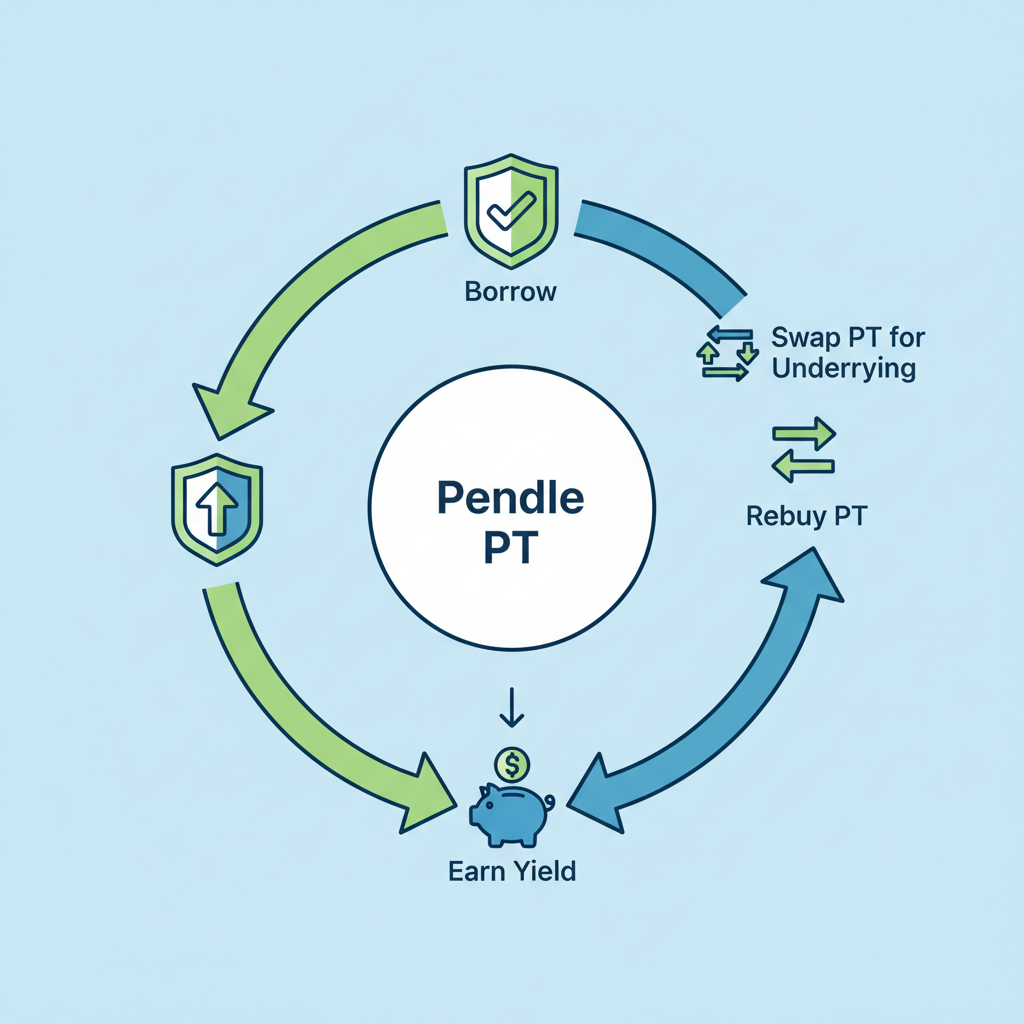
Looping PTs – depositing them as collateral to borrow more – boosts yields but magnifies risks. A sudden depeg cascades into liquidation spirals. Community chatter on forums highlights the hassle: managing positions across protocols is tedious, and limited markets add friction. In 2026, with DeFi maturing into layered systems, these vulnerabilities persist unless hedged proactively.
Spotting Depeg Triggers in Pendle’s Yield Ecosystem
Depegs stem from multiple sources. First, yield volatility: if underlying rates like those from stablecoins spike or crash, PT pricing adjusts via the AMM’s implied yield curve. Pendle’s design fixes the carry for PT holders, unlike LST loops, making it uniquely susceptible. Second, liquidity crunches during black swan events, like protocol exploits or market panics, widen spreads.
Take the current setup: Pendle enables trading off-chain yields with leverage, but as PENDLE hovers at $1.22 after dipping from a 24-hour high of $1.23, sentiment is cautious. Protocol failures, though rare, loom large – a smart contract bug could freeze PT redemptions, echoing past DeFi hiccups. Add in oracle manipulations or flash loan attacks, and you’ve got a recipe for Pendle PT depeg hedge urgency.
Traders often overlook secondary risks: counterparty exposure in the AMM or dependency on underlying assets like LSTs. In 2025’s DeFi evolution, stablecoins anchored the base, but yield layers like Pendle introduce higher-order fragilities. My take? Ignoring these is like yield farming without insurance – thrilling until it’s not.
Essential Hedging Tools for Pendle PT Exposures
Hedging starts with options and perps tailored to PT dynamics. Platforms offering Pendle protocol failure hedge insurance or depeg derivatives are game-changers. For instance, pair long PT positions with short YT bets to neutralize yield swings. Or use structured products that payout on NAV deviations.
Dynamic delta hedging via Pendle’s own markets keeps you neutral: as PT drifts, rebalance with underlying assets. For retail folks, automated vaults simplify this, though watch fees. In 2026, expect more 2026 Pendle risk management innovations, like AI-driven depeg alerts or cross-protocol covers.
Pendle (PENDLE) Price Prediction 2027-2032
Factoring PT Depeg Risks, Yield Market Trends, and $1.22 2026 Baseline
| Year | Minimum Price | Average Price | Maximum Price | YoY % Change (Avg) |
|---|---|---|---|---|
| 2027 | $1.00 | $1.80 | $3.50 | +48% |
| 2028 | $1.40 | $2.80 | $5.50 | +56% |
| 2029 | $1.80 | $4.00 | $8.00 | +43% |
| 2030 | $2.50 | $5.50 | $11.00 | +38% |
| 2031 | $3.50 | $7.50 | $14.00 | +36% |
| 2032 | $4.50 | $10.00 | $18.00 | +33% |
Price Prediction Summary
Pendle (PENDLE) is projected to experience steady growth from 2027-2032, driven by DeFi yield trading adoption and innovations in PT/YT tokenization, despite PT depeg risks. Average prices could rise from $1.80 to $10.00, reflecting bullish market cycles, with min/max capturing bearish corrections and optimistic surges.
Key Factors Affecting Pendle Price
- DeFi yield trading adoption and Pendle’s PT/YT liquidity improvements
- Mitigation of PT depeg risks via enhanced AMM and hedging mechanisms
- Crypto market cycles, including potential 2028-2029 bull runs
- Regulatory clarity for DeFi protocols
- Technological upgrades, partnerships, and competition from yield platforms
- Overall market cap expansion and macroeconomic factors
Disclaimer: Cryptocurrency price predictions are speculative and based on current market analysis.
Actual prices may vary significantly due to market volatility, regulatory changes, and other factors.
Always do your own research before making investment decisions.
Advanced users layer in stablecoin NAV protections, given Pendle’s ties to assets like sUSDe. If stablecoins depeg, PTs follow suit – a double whammy demanding holistic stablecoin NAV depeg Pendle strategies. Stay nimble; monitor implied APYs closely, as they’re the canary in the depeg coal mine.
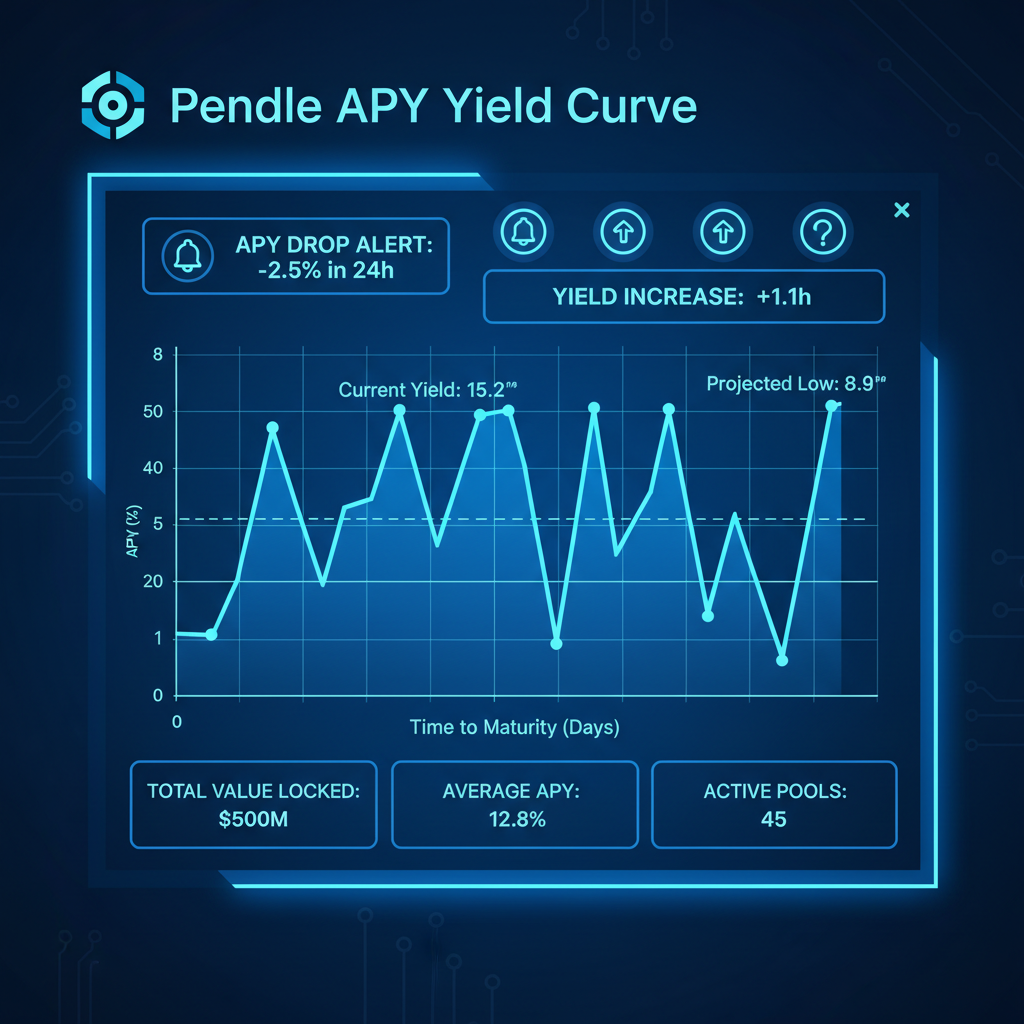
Implied APYs aren’t static; they curve with market expectations, so tracking them via Pendle’s app reveals depeg brewing before it boils over. At PENDLE’s current $1.22 price, with a 24-hour low of $1.20, these metrics scream vigilance for yield traders chasing loops on Morpho or Aave.
Building Bulletproof PT Positions: Layered Hedging Tactics
Think of hedging Pendle PT depegs as stacking defenses, not swinging a single sword. Start simple: buy PTs at a discount when you believe yields will fall, but cap downside with put options on the underlying yield asset. This neutralizes DeFi yield depeg risk without killing upside. For leverage lovers, short perps on exchanges mirroring PT exposure offsets drifts, especially handy during liquidity squeezes.
I favor cross-protocol plays. Deposit PTs into vaults offering depeg insurance – emerging 2026 protocols bundle this with yield optimization. Pair it with stablecoin hedges, since many PTs track sUSDe or similar. A stablecoin NAV depeg Pendle combo punch hits hard, but diversified covers blunt it. Opinion: pure PT looping feels like Russian roulette in volatile times; blend in YT shorts for true resilience.
Pendle PT vs YT: Basics, Trading Strategies, and Key Risks
| Aspect | Principal Token (PT) | Yield Token (YT) |
|---|---|---|
| Definition | Represents the principal component of a yield-bearing asset. Redeems for the full underlying principal at maturity. | Represents the yield component. Captures all future yield generated by the underlying asset until maturity. |
| Price Behavior | Trades at a discount/premium to NAV based on market-implied yield. Prone to depegs from NAV due to liquidity, market sentiment, or AMM dynamics. | Value driven by difference between implied and realized yields. Can go to zero if yields underperform. |
| Core Strategy: Locking Yield | Buy PT to lock in current high implied yields (ideal if expecting yields to fall). Secure fixed return at maturity. | N/A (PT is for fixed yield plays). |
| Core Strategy: Yield Speculation | N/A (PT focuses on principal protection). | Buy YT to bet on rising yields or enhanced returns if yields exceed implied rates. |
| Advanced Strategies | Looping PT on lending protocols like Aave or Morpho for leveraged yield; hedging yield exposure. | Leveraged yield farming; pairing with shorts on PT for yield curve trades. |
| Key Risks ⚠️ | Depegs from NAV (price deviates from principal value); looping management complexities; low liquidity in AMM. | Yield volatility (YT worthless if yields drop); maturity cliff (no principal redemption). |
Monitor black swan signals too. Protocol upgrades, like Pendle’s V2SPOT for off-chain yields, boost efficiency but introduce bugs. Flash loan defenses are solid, yet history shows exploits cascade. Hedge via Pendle protocol failure hedge products from specialized DAOs, paying out on confirmed failures. Retail traders, don’t sleep on these – they’re your moat.
Hands-On Defense: Step-by-Step PT Depeg Hedge Setup
Hedging Pendle PT Depegs: Your 2026 DeFi Risk Shield

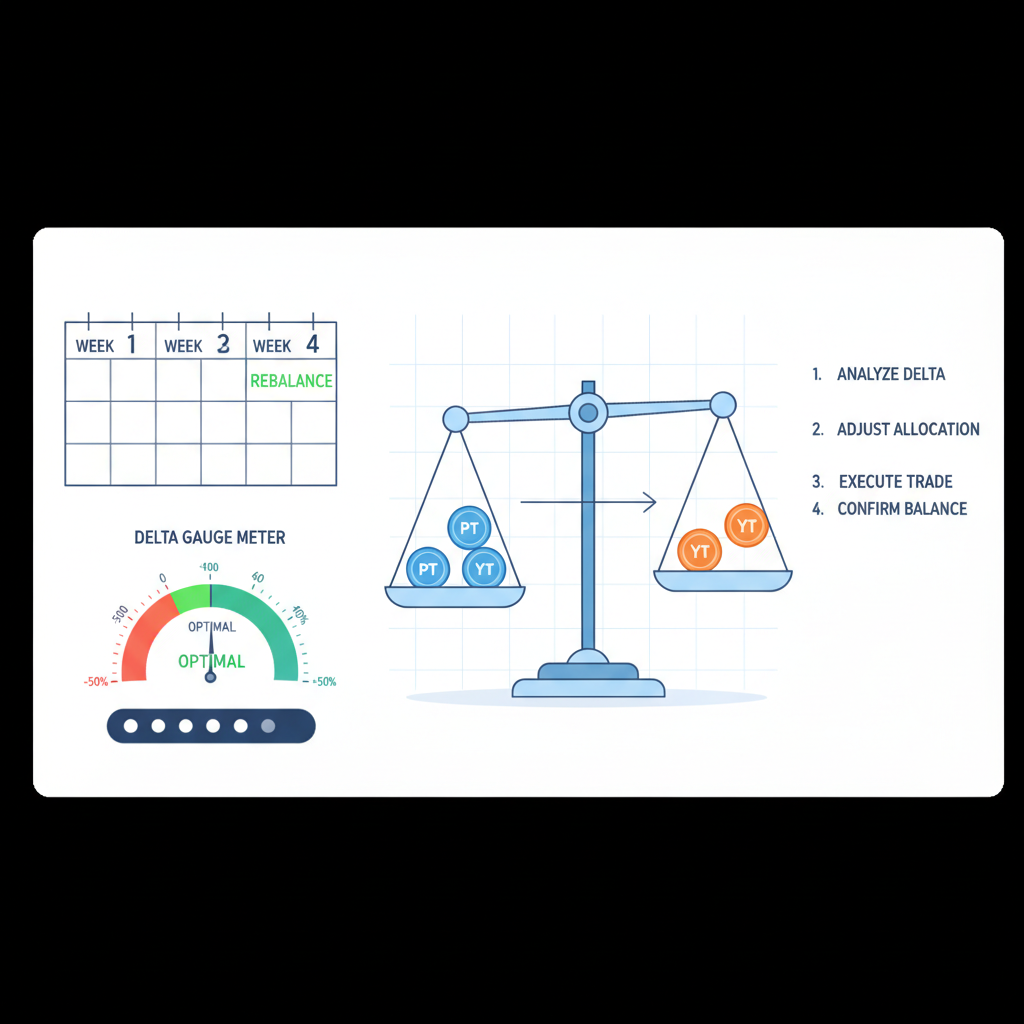
Once hedged, simulate stress tests mentally: what if yields halve overnight? Your PT at $0.98 NAV? The setup above keeps you afloat. Advanced twist: use Pendle’s AMM for dynamic swaps, arbitraging back to parity. With PENDLE steady at $1.22 post its 24-hour dip, now’s prime time to practice on low stakes.
Community wisdom underscores execution flaws. Reddit threads gripe about PT looping friction – manual borrows on Aave eat time, Morpho markets lag. Solution? Automate via bots or vaults, but vet code audits first. In 2026’s DeFi layers, where stablecoins underpin yields, seamless tools will dominate 2026 Pendle risk management.
Pitfalls That Sink Even Savvy Yield Traders
Overleverage tops the list: looping PTs past 3x invites liquidation if depegs hit 5%. Fees compound silently – AMM slippage plus gas on Ethereum chains nibble returns. Behavioral traps? FOMO into premium PTs betting yield drops that never come. My advice: set hard stops at 2% NAV deviation; emotion clouds judgment.
Underestimating correlations bites too. PT depegs ripple from LSTs or stablecoins, so single-protocol hedges fail. Broaden to portfolio level: allocate 20% to outright yield bets, 80% hedged. As DeFi matures, expect oracle upgrades reducing manipulation risks, but don’t bet the farm unhedged.
Yield trading thrives on edge, not gambles. Pendle’s genius unbundles cashflows for precision plays, yet depegs remind us: no free lunch. With PENDLE at $1.22, eyes on that $1.20 low, craft hedges that evolve with markets. Knowledge sharpens your yield blade – wield it wisely, and 2026’s risks become opportunities.
About the Author