
Stablecoins are the backbone of decentralized finance, but as of November 2025, even the most established names like USDT, USDC, and DAI carry depeg risk. With regulatory scrutiny intensifying and technical vulnerabilities surfacing, crypto investors must go beyond passive holding to actively hedge against stablecoin depegs. The strategies outlined below reflect current market realities and leverage the latest tools for DeFi risk management in 2025.

1. Participate in Stablecoin Depeg Prediction Markets
Prediction markets have matured into powerful instruments for both pricing and hedging depeg risks. Platforms like Polymarket and Cork Protocol now offer liquid markets where users can take positions on whether a specific stablecoin (e. g. , USDT, DAI) will lose its peg within a defined timeframe. These markets aggregate crowd sentiment and on-chain data to generate real-time probabilities of depeg events. For instance, if you believe that USDT is at elevated risk due to declining reserves or regulatory pressure, you can purchase outcome shares that pay out if USDT drops below $0.98 for more than 24 hours.
This approach allows investors not only to hedge against stablecoin depegs, but also to observe how the broader market is pricing these risks, essential intelligence for treasury managers and active traders alike.
2. Purchase Protocol Risk Insurance
DeFi-native insurance providers such as Nexus Mutual, InsurAce, and Unslashed have expanded their coverage products specifically for stablecoin depegs and protocol exploits in 2025. These insurance policies compensate policyholders if a covered event occurs, such as a stablecoin trading below $0.98 for over 24 hours or a smart contract hack draining reserves.
The underwriting process is decentralized: capital pools are provided by other users seeking yield in exchange for taking on risk. Claims are adjudicated transparently via smart contracts or DAO governance, minimizing counterparty risk compared to traditional insurers. For DAOs, treasuries, and high-net-worth individuals with significant exposure to stablecoins or DeFi protocols, protocol risk insurance is increasingly considered essential portfolio infrastructure.
If you're evaluating which policy fits your needs or want a deeper dive into how these mechanisms work in practice, see our detailed breakdown: How to Hedge Against Stablecoin Depegs in DeFi: Tools and Strategies.
3. Utilize Stablecoin Derivatives and Options
The growth of derivatives platforms such as dYdX, GMX, and others has made it possible to hedge, or even profit from, stablecoin volatility directly on-chain. Investors can now trade futures, options, or perpetual swaps tied to stablecoins like USDC/USD or DAI/USD pairs.
- If you anticipate a potential depeg: Open a short position on the relevant pair (e. g. , shorting USDT/USD perpetuals). Should USDT fall below $1 (say it drops to $0.97), profits from your derivative position can offset losses elsewhere in your portfolio.
- If you want asymmetric protection: Consider buying put options that pay out if the stablecoin price dips beneath a specified strike price within the contract period.
This strategy requires an understanding of funding rates, liquidity depth on each venue, and the intricacies of option pricing under low-volatility assumptions, a topic we cover extensively in our quantitative research series.
Diversify Across Multiple Stablecoins and Collateral Types
No single asset is immune from failure, recent history has demonstrated that algorithmic pegs can unravel rapidly under stress conditions. By allocating capital among several major stablecoins (USDC, USDT, DAI, LUSD) with distinct collateral models (fiat-backed vs crypto-collateralized), investors substantially reduce concentration risk.
Diversification should extend beyond digital assets: incorporating tokenized real-world assets (such as U. S. Treasuries) provides additional stability since these assets are less correlated with crypto market shocks. Prioritize assets with transparent reserve attestations and robust collateral mechanisms; avoid overexposure to opaque or undercollateralized coins.
You can find more practical guidance on diversification techniques here: How to Hedge Against Stablecoin Depegs: Tools and Strategies for 2025.
To further strengthen your DeFi risk management in 2025, diversification should be paired with rigorous, real-time oversight. Even the most robust portfolio can be blindsided by sudden liquidity shocks or protocol-level exploits if not actively monitored. This brings us to the final, often overlooked pillar of stablecoin depeg protection.
Monitor Real-Time On-Chain Analytics and Set Automated Alerts
Advanced analytics platforms such as DepegWatch. com, Chainlink’s Proof of Reserve feeds, and specialized on-chain dashboards have become indispensable for crypto portfolio hedging. These tools aggregate price data, reserve attestations, and liquidity metrics across all major stablecoins. By setting automated alerts for abnormal price movements (e. g. , USDC trading below $0.995), sudden drops in liquidity pools, or changes in reserve composition, investors can respond immediately to early warning signals.
This proactive approach allows for swift rebalancing or unwinding of positions before a full-blown depeg event materializes. For institutional treasuries and DAOs managing eight-figure balances, integrating automated monitoring is now considered best practice, not only for risk mitigation but also for compliance with evolving regulatory standards.
Bringing It All Together: A Holistic Hedging Framework
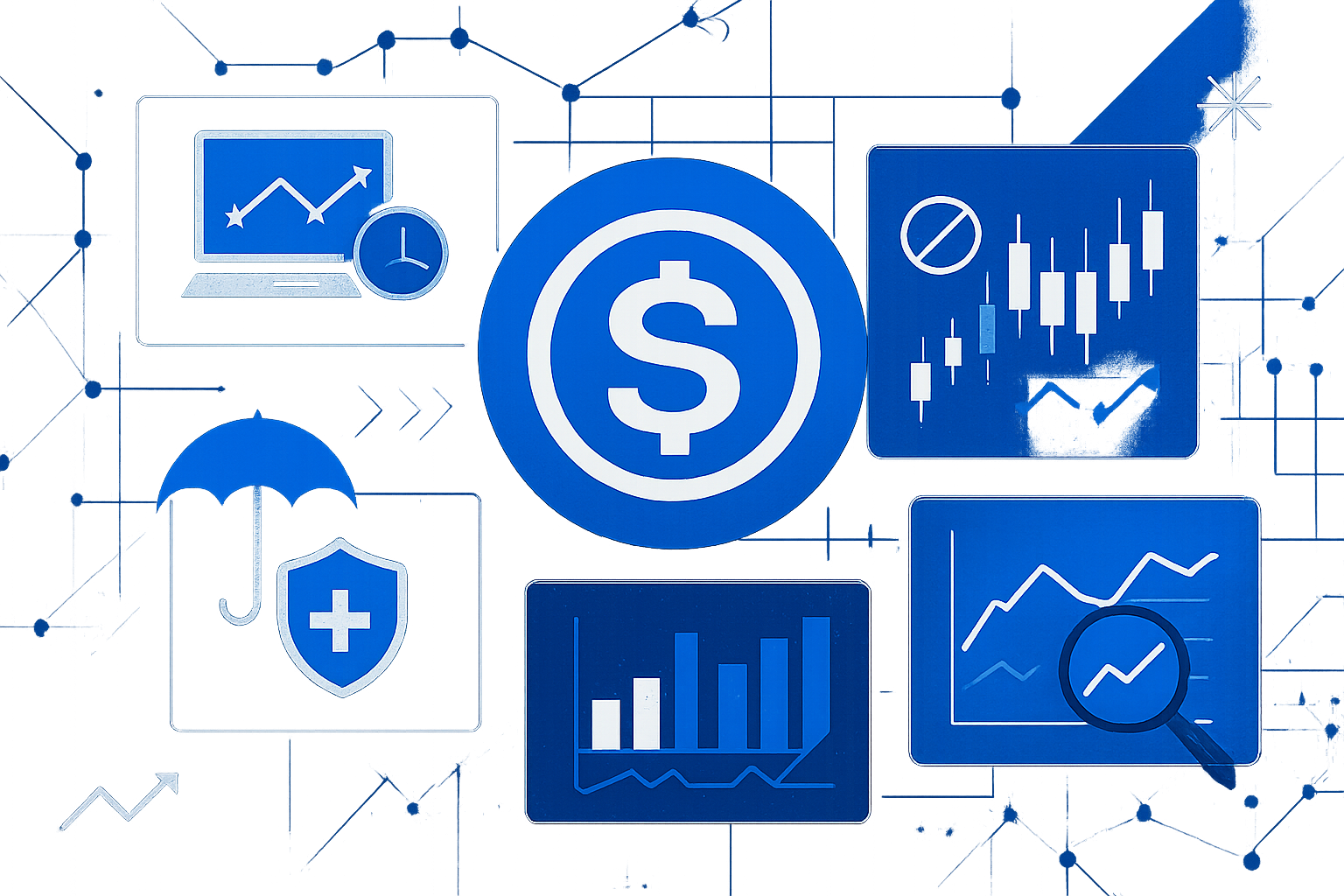
The strategies discussed provides prediction markets, protocol insurance, derivatives trading, diversification, and real-time analytics: are most effective when combined into a layered risk management framework. Each tool addresses different facets of stablecoin risk:
- Prediction markets: Price depeg probabilities and offer direct hedges.
- Protocol insurance: Transfer tail risk to decentralized underwriters.
- Derivatives/options: Actively trade volatility or protect against downside events.
- Diversification: Reduce exposure to any single point of failure.
- Real-time analytics/alerts: Enable rapid response to emerging threats.
This multi-layered approach is crucial as the DeFi ecosystem becomes more complex and interconnected. For example, during a period of heightened market stress or regulatory news impacting reserve transparency, an investor might observe rising depeg probabilities on Polymarket, trigger an insurance claim through Nexus Mutual if thresholds are breached, and simultaneously rebalance exposure based on real-time DepegWatch alerts, all within minutes.
The Road Ahead: Staying Ahead of Stablecoin Volatility in 2025
The landscape for stablecoin depeg protection strategies will continue to evolve alongside advances in protocol design and regulatory frameworks. As new products emerge, such as tranching vaults, parametric insurance triggers, or cross-chain prediction markets, investors should remain vigilant and adaptive. The most resilient portfolios are those that embrace both technological innovation and disciplined risk management principles.
If you’re seeking deeper dives into any specific strategy, from technical walkthroughs of derivatives pricing models to case studies on successful insurance claims, DepegWatch offers ongoing research updates tailored for both institutional allocators and individual DeFi users.
Lila Chambers is a quantitative strategist specializing in DeFi derivatives and cross-market hedging at DepegWatch. com. Mathematics is the language of risk.




No comments yet. Be the first to share your thoughts!