Why stablecoin depeg 2026 matters now
The stablecoin market is approaching a critical inflection point as 2026 regulatory frameworks, notably the proposed Genius Act, prepare to reshape compliance requirements. While these regulations aim to increase transparency, they also expose structural vulnerabilities that have remained hidden in less scrutinized environments. The convergence of impending legal changes and recent market instability creates a unique window of risk for holders of algorithmic and partially backed assets.
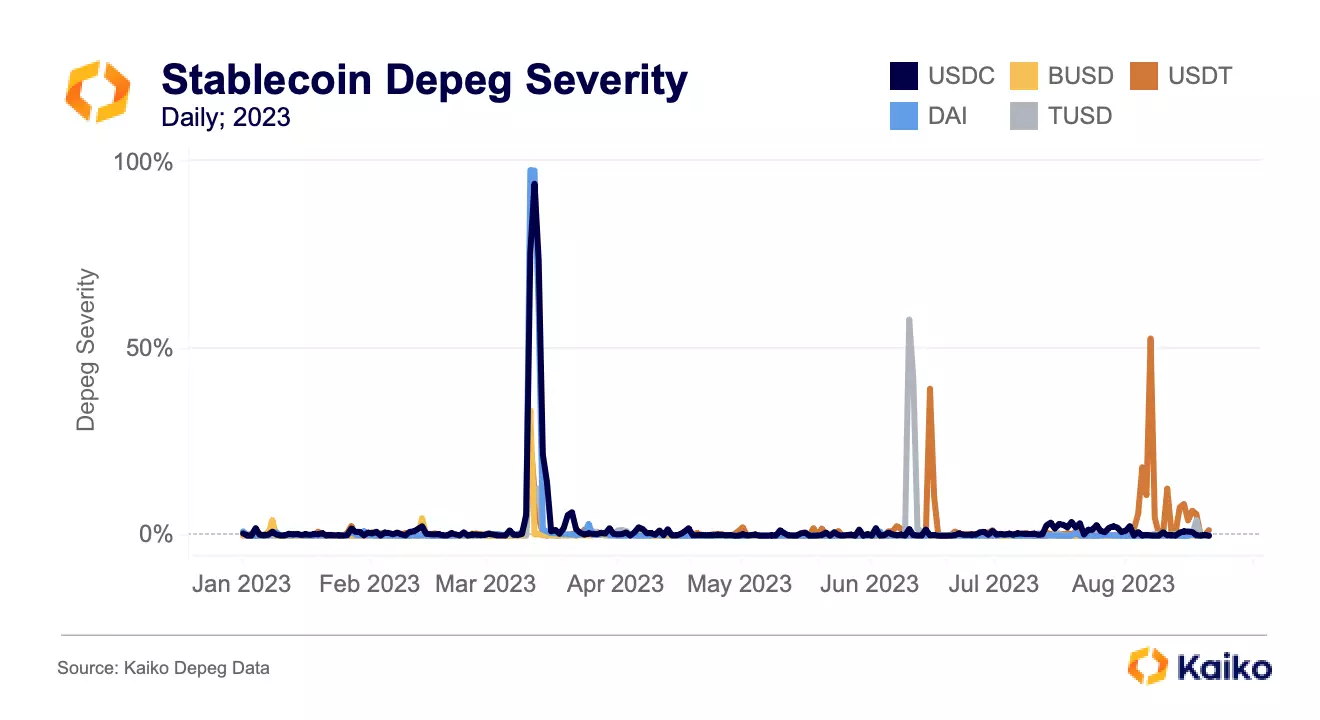
The first week of November 2025 alone witnessed three significant stablecoins lose their 1:1 parity with the U.S. dollar, marking one of the most volatile periods in recent decentralized finance history. This cluster of failures was not an isolated anomaly but a symptom of deeper reserve opacity issues. As reported by Yahoo Finance, nearly half a dozen decentralized stablecoins have lost their pegs throughout 2025, indicating a systemic weakness in how these assets maintain their backing.
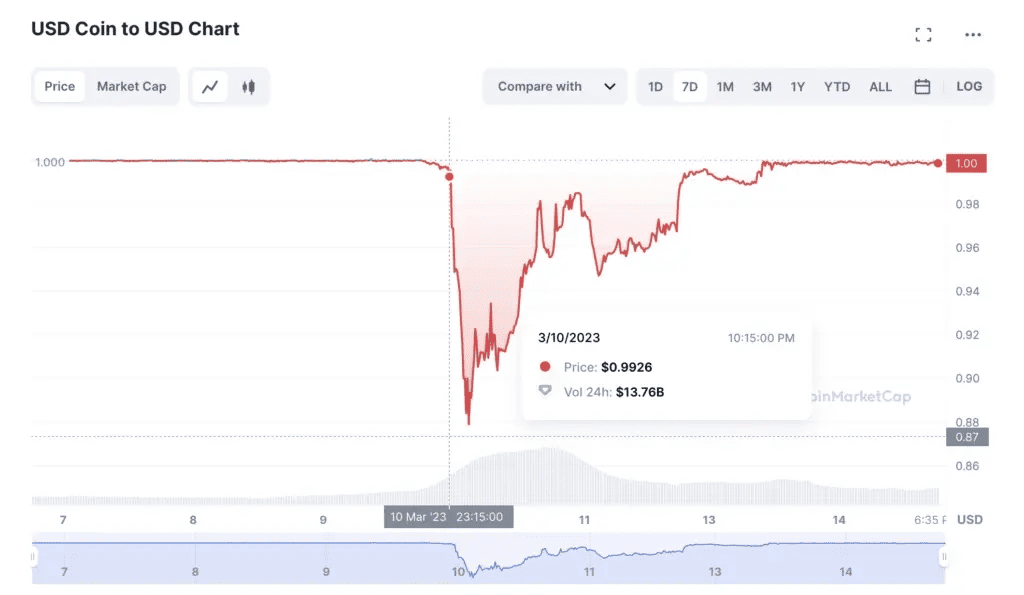
Historical precedents like the March 2023 USDC depeg, which dropped to $0.88 after $3.3 billion in reserves were frozen at Silicon Valley Bank, demonstrate how quickly regulatory or banking shocks can translate into immediate liquidity crises. As the Genius Act moves toward implementation, the market must prepare for a period of heightened volatility where reserve transparency will be the primary determinant of survival. Investors must distinguish between fully reserved, audited assets and those relying on complex, opaque yield-generating strategies that failed during the recent November stress events.
5 Stablecoins Facing Depeg Risk
As the 2026 regulatory landscape tightens, structural vulnerabilities and reserve opacity pose immediate depegging threats to five specific stablecoins. Mitigate exposure to these high-stakes assets by securing your holdings in verified hardware wallets, ensuring your capital remains insulated from potential liquidity failures.
1. tether usdt reserve concentration risks
Tether’s massive USDT supply relies heavily on short-term US Treasuries, creating a structural vulnerability if large-scale liquidation occurs. As noted in recent Bitget News analysis, geopolitical pressures or sudden market shifts could force Tether to dump holdings, potentially triggering a depeg event. Investors must monitor reserve composition reports closely, as high concentration in single-asset classes amplifies liquidity risks during periods of extreme market stress or regulatory scrutiny.
2. usdc reserve transparency and banking exposure
USD Coin’s stability is intrinsically linked to its custodial banking partners, exposing it to counterparty risk if those institutions face insolvency or regulatory action. Historical depeg incidents, such as those highlighted by The Block during the Silvergate collapse, demonstrate how banking sector fragility directly impacts USDC’s peg. Users should prioritize platforms with segregated reserves and real-time attestation reports to mitigate the risk of frozen assets or delayed redemptions.
3. algorithmic stablecoin collateral gaps
Algorithmic stablecoins often suffer from insufficient overcollateralization, relying on complex tokenomics rather than tangible assets to maintain their peg. As illustrated in recent analyses of USDe and UST failures, these systems are highly susceptible to death spirals when confidence wanes. Without robust, auditable collateral buffers, even minor liquidity drains can sever the peg, making algorithmic designs inherently riskier than fiat-backed alternatives during volatile market conditions.
4. emerging low liquidity stablecoins
Newer stablecoins with shallow trading volumes face severe slippage risks, where large sell orders can rapidly decouple the price from its target. Coinbase’s educational materials emphasize that low liquidity acts as a multiplier for volatility, causing temporary but damaging depeg events during normal market fluctuations. Traders should avoid these assets for critical holdings, as the lack of deep order books prevents efficient price discovery and increases exposure to manipulation.
5. hardware wallets for secure storage
Mitigating depeg risk extends beyond asset selection to secure storage, ensuring you can exit positions before structural failures materialize. Hardware wallets provide an offline layer of security, protecting your stablecoin holdings from exchange hacks or platform insolvencies. By keeping assets in cold storage, you maintain full control over your capital, allowing for immediate transfer to safer venues or fiat off-ramps when warning signs of a depeg emerge.
As an Amazon Associate, we may earn from qualifying purchases.
How to monitor stablecoin depeg 2026 risks
Tracking stablecoin depeg 2026 risks requires a shift from passive holding to active verification. You must verify reserve composition, on-chain liquidity, and regulatory compliance before trusting any peg. These steps provide the structural clarity needed to avoid sudden liquidity traps.
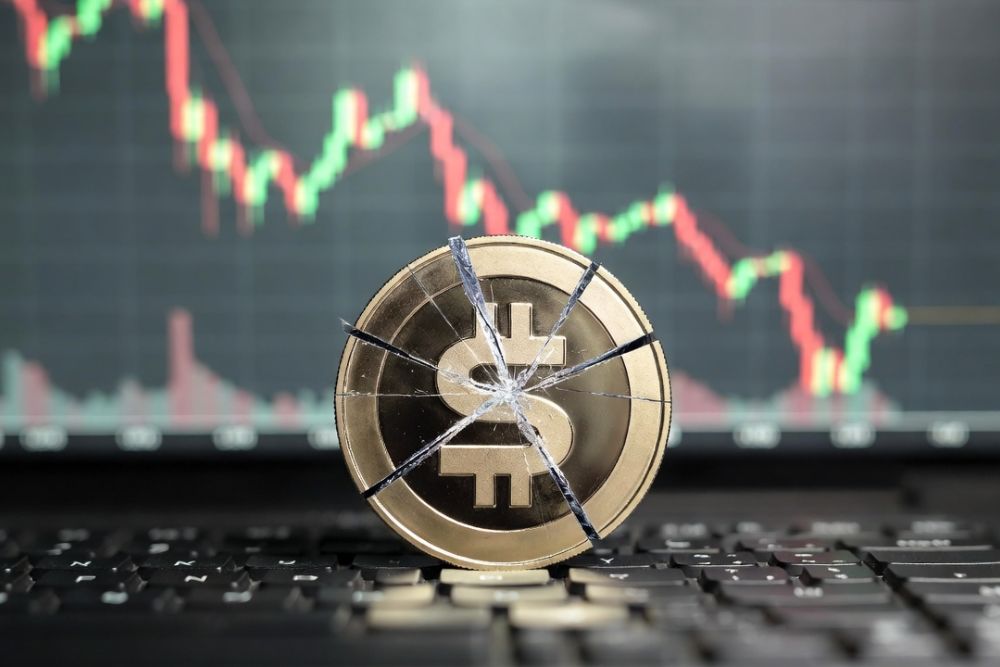
Use on-chain analytics to monitor the depth of stablecoin liquidity pools. Thin liquidity allows small sell orders to cause disproportionate price drops. A healthy pool maintains sufficient depth to absorb market volatility without breaking the peg.
Review monthly attestation reports from independent auditors. Confirm that reserves are held in high-quality liquid assets like short-term U.S. Treasuries. Avoid stablecoins that rely on opaque commercial paper or unverified collateral.
Stay alert to regulatory actions in major jurisdictions. Sudden bans or restrictions on stablecoin issuers can trigger immediate depegging events. Follow official announcements from financial regulators to anticipate structural risks before they hit the market.


As an Amazon Associate, we may earn from qualifying purchases.
No comments yet. Be the first to share your thoughts!