Why stablecoin stability matters in 2026
The crypto market in 2026 is defined by a paradox. Institutional capital is flowing into digital assets at a record pace, driven by clearer regulation and the tokenization of real-world assets. Yet, beneath this wave of adoption, the foundational promise of stablecoins remains fragile. While Bitcoin and Ethereum serve as speculative stores of value or decentralized ledgers, stablecoins are intended to be the boring, reliable plumbing of the financial system. When that plumbing fails, the impact is immediate and severe.
The risk of depegging is no longer a theoretical edge case. In 2025, nearly half a dozen decentralized stablecoins lost their pegs, with multiple major tokens breaking the $1.00 mark within a single week. These events exposed the structural vulnerabilities in reserve management and algorithmic backing that many investors overlooked in the rush for yield. For portfolio safety, understanding these risks is as critical as selecting the right assets.
Note: The contrast between record stablecoin growth and historical depeg events, such as USDT’s 2022 dip, highlights that scale does not guarantee stability. Institutional adoption brings scrutiny, but it does not eliminate the mechanical risks of reserve transparency and redemption queues.
As we look at the top five stablecoins to watch, the focus is not on price appreciation, but on structural integrity. We are examining which tokens have the most robust reserves, which have demonstrated resilience under stress, and which carry hidden liabilities that could trigger a depeg in the current market environment.
5 Stablecoins to Watch for Stability Risks
As the 2026 regulatory landscape tightens, the structural integrity of major stablecoins faces unprecedented scrutiny. We evaluate Tether (USDT), USD Coin (USDC), Dai (DAI), Binance USD (BUSD), and TrueUSD (TUSD against primary reserve attestations to identify those most vulnerable to depegging events.
-

USDT Tether Reserve Composition Risks
Tether’s reliance on commercial paper and short-term treasury bills creates structural fragility during liquidity crunches. If major holders like Japan dump US Treasuries, the resulting fire sale could compress margins and trigger a depeg. Investors must scrutinize Tether’s monthly attestation reports, which often lag behind real-time reserve fluctuations, leaving the market exposed to sudden valuation shocks in opaque commercial assets. -

USDC Circle Regulatory Compliance Exposure
Circle’s USDC faces existential threats from evolving US financial regulations rather than pure market mechanics. As a regulated entity, Circle must freeze assets upon government request, potentially isolating USDC from global liquidity pools during geopolitical tensions. Unlike decentralized alternatives, USDC’s value is tethered to Circle’s legal standing, making it vulnerable to sudden policy shifts that could restrict its utility in cross-border transactions. -
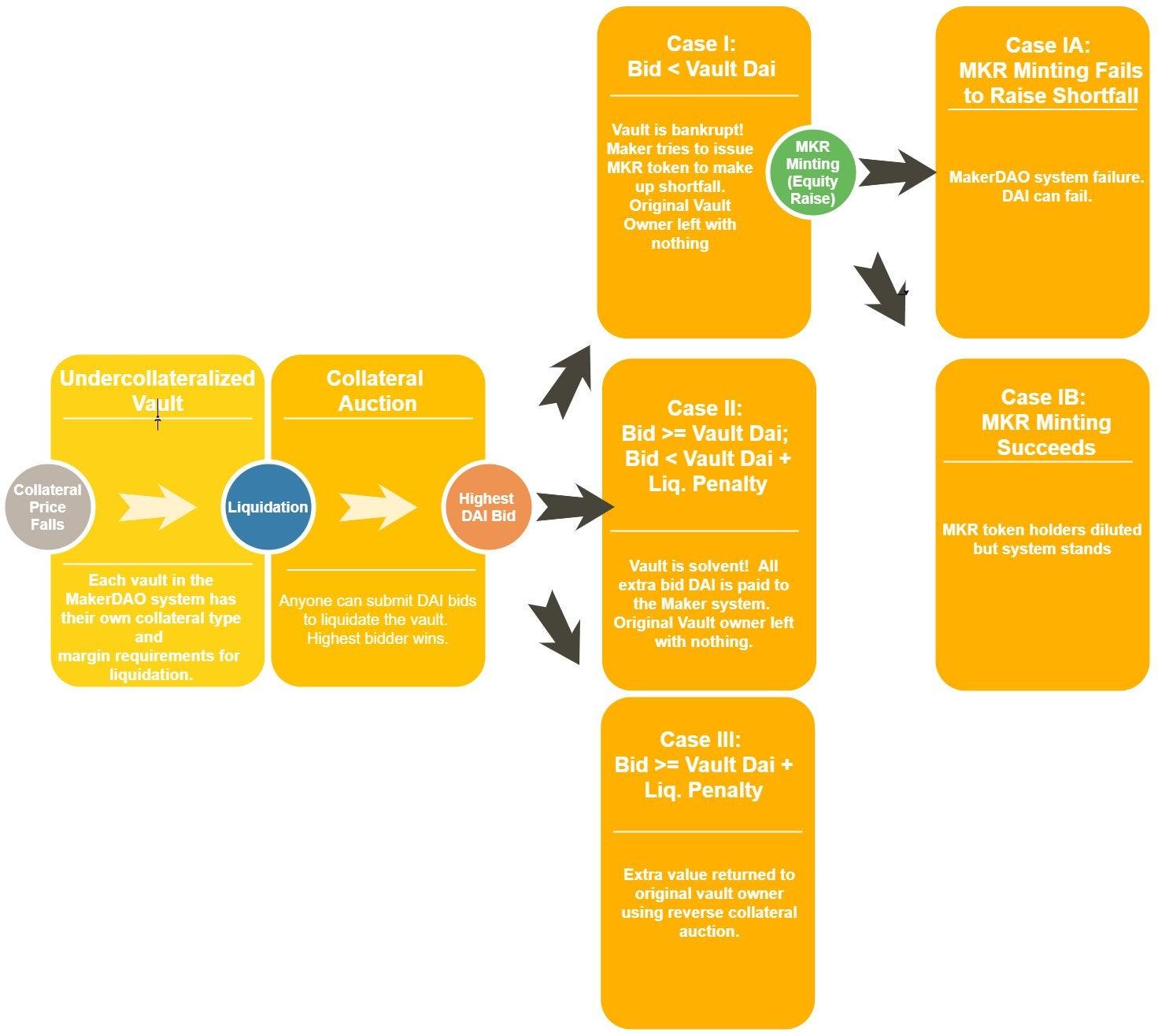
DAI MakerDAO Collateral Volatility Factors
MakerDAO’s DAI depends heavily on collateralized debt positions backed by volatile crypto assets and real-world assets. A sharp downturn in Ethereum or a default on tokenized treasury bills can trigger liquidation cascades, destabilizing the peg. While over-collateralization provides a buffer, the complexity of diverse collateral types introduces systemic risk, requiring constant governance adjustments to maintain stability during extreme market volatility. -
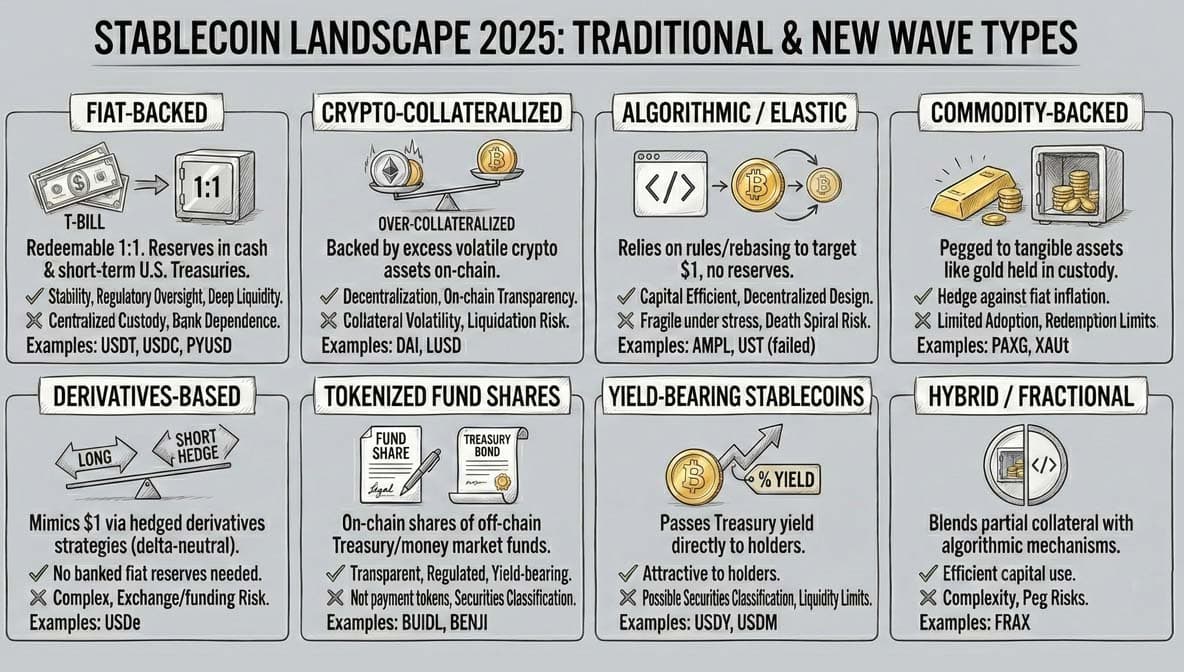
FRAX Algorithmic Depegging Mechanics
FRAX’s hybrid model combines collateralization with an algorithmic component that mint or burn FRAX based on market price. This mechanism relies on arbitrageurs to maintain the peg, but during severe stress, the algorithmic portion can fail if confidence collapses. The reliance on market incentives rather than full backing makes FRAX susceptible to rapid depegging events when arbitrage liquidity dries up. -
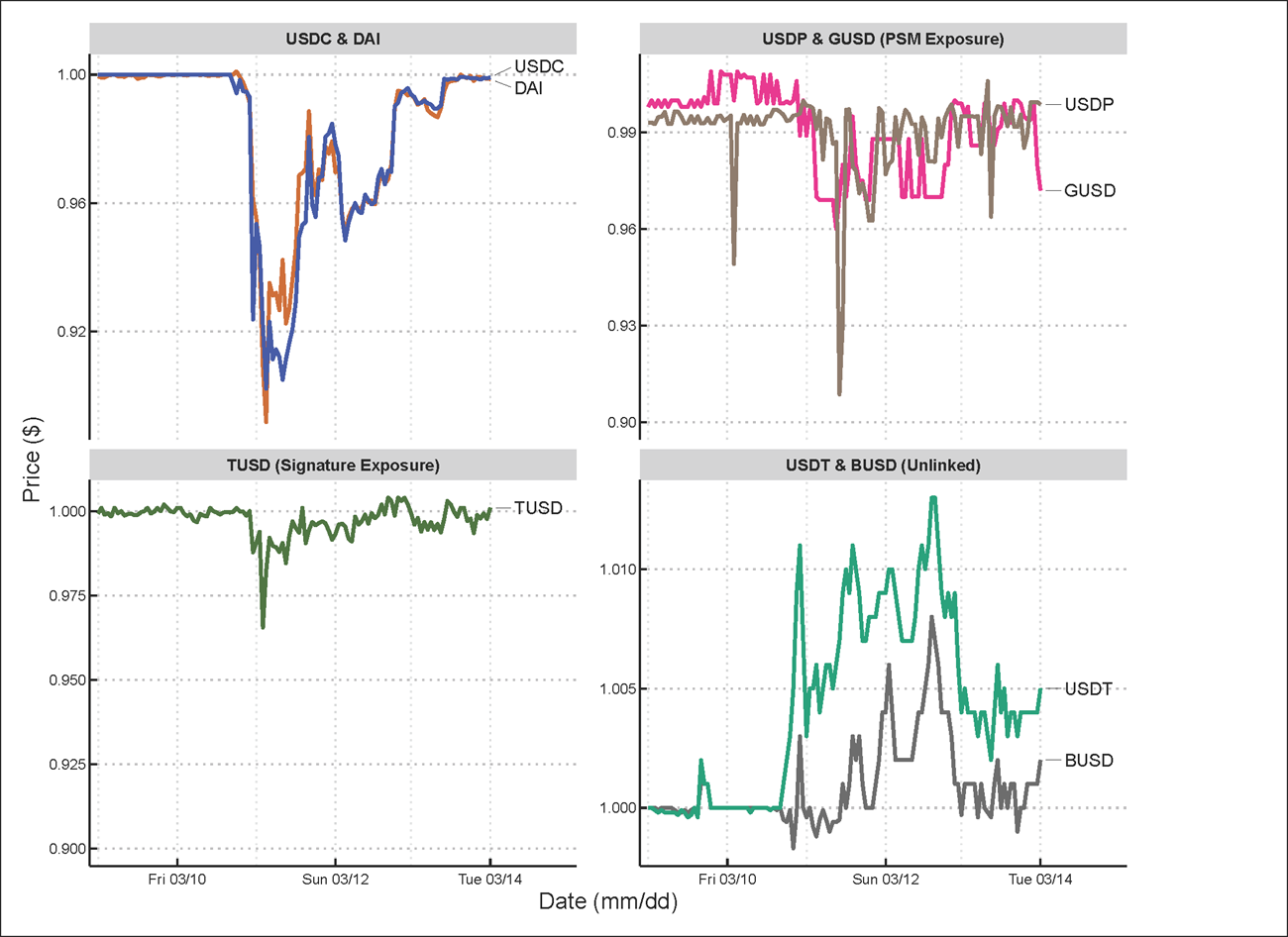
BUSD Paxos Banking Partnership Vulnerabilities
BUSD’s stability was historically tied to Paxos Trust Company’s banking partnerships, creating a single point of failure. Regulatory actions against these banking relationships can instantly halt minting and redeemability, as seen in recent enforcement actions. This dependency on traditional financial infrastructure exposes BUSD holders to institutional risk, demonstrating how stablecoins reliant on centralized banking channels face unique depeg threats.
Algorithmic models facing redemption pressure
Algorithmic stablecoins operate on a fundamentally different premise than collateralized assets. Instead of holding tangible reserves like US dollars or Treasury bills, these tokens rely on complex code and market incentives to maintain their peg. This structure makes them uniquely vulnerable to loss of confidence, as their stability is derived from speculation rather than hard assets.
The structural flaw becomes apparent during periods of market stress. When users rush to redeem their tokens, the algorithmic mechanisms designed to absorb the shock can fail if the supporting token’s value collapses. This creates a death spiral where selling pressure drives down the backing asset, triggering more redemptions and further devaluation. Unlike centralized stablecoins that can pause withdrawals, algorithmic models often lack circuit breakers, leaving users exposed to rapid value erosion.
The risks of depegging are severe and immediate. As noted by financial analysts, main risks include significant slippage, redemption queues, high fees, and even blacklisting functions that prevent users from exiting their positions. The recent instability in the decentralized finance sector highlights this danger; nearly half a dozen decentralized stablecoins lost their pegs in 2025 alone, with November seeing three major stablecoins break their one-to-one ratio in a single week. This pattern underscores that algorithmic stability is often a house of cards, standing only as long as market confidence remains unshaken.
How to spot early depeg warning signs
Monitoring a stablecoin’s health requires looking beyond the headline price. A depeg is often the final symptom of deeper structural failures, such as liquidity shortages or reserve opacity. By tracking specific on-chain and market metrics, you can identify distress before it becomes a crisis.

The primary exchange price often lags behind reality. Watch secondary markets and decentralized exchanges (DEXs) where large sell orders can push the price below $1.00. If assets like USDC or USDT trade consistently at a discount on DEXs despite holding parity on major CEXs, it signals underlying liquidity stress.

Sudden, unexplained surges in trading volume often precede a depeg event. This activity usually reflects panic selling or arbitrageurs attempting to close positions. If volume increases by more than 200% without corresponding news, treat it as a red flag that the stablecoin’s peg is under attack.
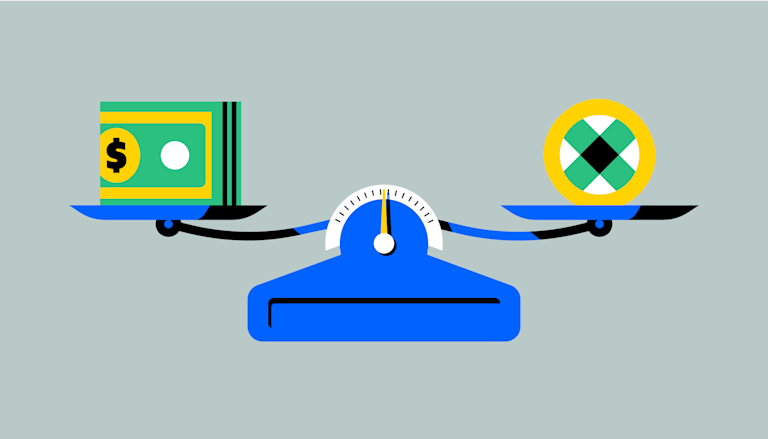
Transparency is the bedrock of stablecoin stability. If a issuer like Tether or Circle delays its monthly attestation reports or fails to provide real-time proof of reserves, the risk of insolvency rises. Lack of timely, audited data makes it impossible to verify if the 1:1 backing is real.
Some stablecoins allow direct redemption with issuers. If users report delays in receiving fiat for their crypto, or if withdrawal fees spike, it indicates the issuer is struggling to liquidate reserves. This is a critical early warning sign that the peg mechanism is failing.
Monitor wallet distributions for the stablecoin. If a small number of wallets control a significant percentage of the total supply, it increases the risk of a coordinated sell-off. High concentration can lead to rapid depegging if those large holders decide to exit simultaneously.
Protecting your portfolio from stablecoin crashes
When a stablecoin like USDT or USDC loses its peg, the result is rarely a slow decline; it is often a sudden liquidity crunch that traps capital. The Bank Policy Institute notes that during past depeg events, investors faced immediate redemption queues and potential slippage as panic selling overwhelmed the system. To survive these structural shocks, you must treat stablecoins not as cash equivalents, but as high-risk digital assets that require strict operational boundaries.
The first line of defense is diversification across issuers with different reserve structures. Instead of holding your entire stablecoin allocation in a single protocol, split your capital between regulated, US-dollar-backed assets like USDC and those backed by commercial paper or mixed reserves. This ensures that a regulatory crackdown or reserve audit failure on one platform does not freeze your entire portfolio. Always verify the latest attestation reports from the issuer’s official website to confirm reserve composition before committing significant funds.
For funds not actively trading, cold storage is non-negotiable. Keeping large stablecoin balances on exchanges exposes you to counterparty risk; if the exchange fails or freezes withdrawals, your stablecoins become inaccessible regardless of their peg status. Use a hardware wallet to maintain private key control, ensuring you can move assets instantly if a depeg event triggers an emergency exit. The following hardware wallets are essential for securing non-trading stablecoin holdings.


As an Amazon Associate, we may earn from qualifying purchases.
Frequently asked questions about stablecoin risks
What are the risks of depegging?
Depegging can be a dangerous event that affects the market as a whole and regular users. Main risks include slippage, redemption queues, redemption fees, and blacklisting functions. When a stablecoin loses its peg, liquidity often dries up instantly, leaving holders unable to exit at fair value.
What is the trend in crypto in 2026?
Crypto markets are poised for transformative growth in 2026, as clearer regulation and accelerating institutional integration deepen crypto's role in the core financial system. This shift brings stricter compliance requirements for stablecoin issuers, increasing scrutiny on reserve transparency and operational resilience.
How do stablecoin reserves work?
Stablecoins rely on reserves to maintain their peg. Transparent, audited reserves backed by high-quality assets like US Treasuries provide stability. Opaque reserves or those heavily weighted in risky commercial paper expose users to structural risk, especially during market stress.
Can a stablecoin recover after a depeg?
Recovery depends on the issuer's response and market confidence. Some stablecoins regain their peg through emergency measures, while others suffer permanent devaluation. Investors should monitor issuer communications and reserve proof for signs of stability.
No comments yet. Be the first to share your thoughts!