


On March 22,2026, Resolv Labs’ USR stablecoin suffered a catastrophic resolv usr depeg when a hacker exploited a vulnerability in its minting function, flooding the market with roughly 80 million unbacked tokens. This stablecoin minting attack turned a modest $100K input into $25M of illicit value, plunging USR from its $1 peg to lows of $0.05 before a shaky partial rebound. As of now, USR trades at $0.1725, down $-0.0400 (-18.83%) over the last 24 hours, with a high of $0.2189 and low of $0.1687. The protocol’s balance sheet reveals stark insolvency: $95M in assets against $173M liabilities, prompting a full pause in operations.
This isn’t just another DeFi blip; it’s a textbook case of usr stablecoin risks from stablecoin supply expansion risks. A compromised key or flawed minting logic allowed infinite token generation, eroding trust overnight. Holders watched helplessly as their yield-bearing stablecoin morphed into a toxic asset. Resolv Labs’ delta-neutral design, meant to deliver steady returns via stUSR staking, crumbled under the weight of poor key hygiene and over-reliance on centralized infrastructure. Chainalysis post-mortems highlight how such exploits thrive in complex systems blending on-chain and off-chain elements.
The Mechanics of the USR Exploit and Why It Matters for DeFi
At its core, the breach stemmed from a defi protocol failure in Resolv’s minting process. Blockchain forensics paint a clear picture: the attacker leveraged a broken function, possibly tied to a leaked private key, to mint tokens without collateral. This wasn’t sophisticated code-breaking; it was basic operational sloppiness in a high-stakes environment. USR, pitched as a resilient yield-bearer, held real-world assets off-chain, but the exploit bypassed safeguards, dumping unbacked supply onto DEXes. The result? Immediate depeg, liquidity evaporation, and a 74% plunge in spots.
For investors, this underscores the fragility of single-protocol stables. Even delta-neutral strategies falter when core primitives fail. Resolv’s insolvency leaves users exposed, with redemption queues frozen and secondary markets in chaos. I’ve advised DeFi teams on similar setups; the lesson is blunt: privileged keys demand multisig fortresses and regular audits. Yet, hindsight won’t recover losses. Proactive defi protocol failure hedging is non-negotiable.
Prioritized Hedging Strategy 1: Rapid Exit from USR Exposure
First priority in any resolv usr depeg scenario: execute a rapid exit from USR exposure via redemption or DEX swaps to USDC/USDT. Delay is fatal; as USR hit $0.1725, liquidity thinned to a trickle. If redemptions remain active, queue immediately, prioritizing over yield chasing. Otherwise, bridge to high-liquidity DEXes like Uniswap or Curve, swapping USR for battle-hardened USDC or USDT. Watch slippage closely; at current volumes, a $100K position could lose 20% in transit.
Strategic nuance: time your exit during fleeting recovery spikes, like the bounce to $0.2189. Use limit orders to avoid market dumps. This tactic salvaged funds in past depegs, but scale matters; whales may crash prices further. Pair with gas optimization tools for Ethereum efficiency.
Resolv Labs USR Stablecoin Price Prediction 2027-2032
Post-Exploit Recovery Scenarios: Bearish Depeg Risks vs. Bailout and Security Fixes
| Year | Minimum Price | Average Price | Maximum Price |
|---|---|---|---|
| 2027 | $0.05 | $0.15 | $0.25 |
| 2028 | $0.08 | $0.20 | $0.35 |
| 2029 | $0.12 | $0.28 | $0.45 |
| 2030 | $0.18 | $0.35 | $0.55 |
| 2031 | $0.25 | $0.45 | $0.70 |
| 2032 | $0.35 | $0.60 | $0.90 |
Price Prediction Summary
Following the 2026 exploit causing a 74% depeg to $0.05 lows, USR faces ongoing risks from insolvency ($95M assets vs. $173M liabilities) and lost trust. Short-term bearish to $0.10, with recovery to $0.30 possible via bailout. Long-term outlook shows gradual stabilization: average prices rising from $0.15 (2027) to $0.60 (2032) in base case, assuming security upgrades, DeFi readoption, and favorable regulations. Bullish max nears $0.90 by 2032 if full recapitalization; bearish min risks near-zero if competition erodes market share.
Key Factors Affecting Resolv Labs USR Stablecoin Price
- Exploit resolution and security audits
- Bailout/treasury recapitalization success
- Regulatory scrutiny on stablecoin backing
- DeFi adoption and protocol restarts
- Competition from USDT/USDC
- Crypto market cycles (bull runs aiding recovery)
- Real-world asset integration and TVL growth
Disclaimer: Cryptocurrency price predictions are speculative and based on current market analysis.
Actual prices may vary significantly due to market volatility, regulatory changes, and other factors.
Always do your own research before making investment decisions.
Prioritized Hedging Strategy 2: Secure Coverage with DeFi Insurance
Next, layer protection via purchase DeFi protocol insurance policies from Nexus Mutual or Unslashed Finance. These platforms offer tailored depeg risk insurance against exploits like Resolv’s minting fiasco. Nexus Mutual covers smart contract failures, including unauthorized mints, with policies underwritten by crypto natives. Unslashed provides similar backstops, often at premiums under 5% annually for stables.
Opinion: Insurance isn’t a silver bullet, but it’s undervalued insurance against tail risks. Post-exploit, premiums spiked, yet early buyers locked favorable rates. Assess coverage scopes carefully; Nexus excels for protocol-specific perils, while Unslashed shines in rapid claims. Integrate this pre-depeg; waiting invites denial on ‘known risks’. For USR holders, retroactive policies may apply if filed promptly. Check Resolv’s yield mechanics to quantify exposure before claiming.
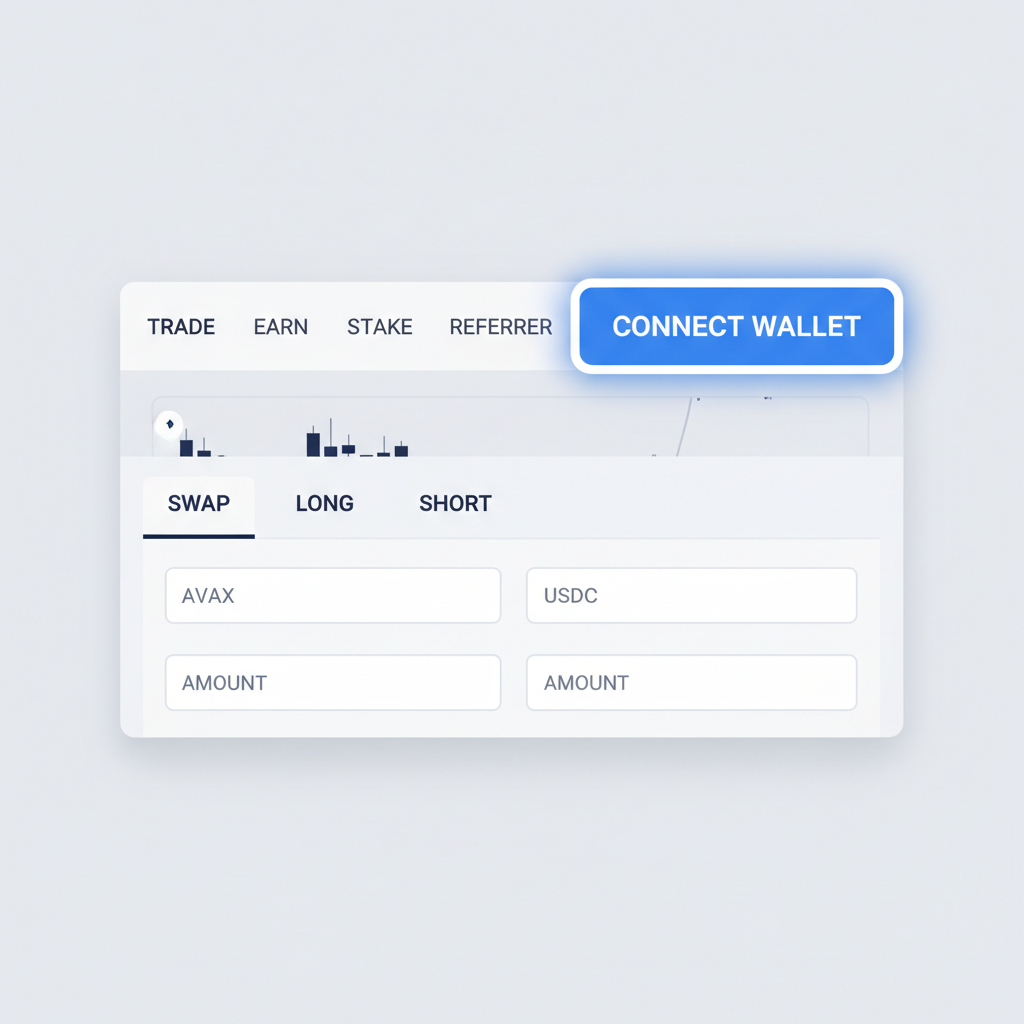
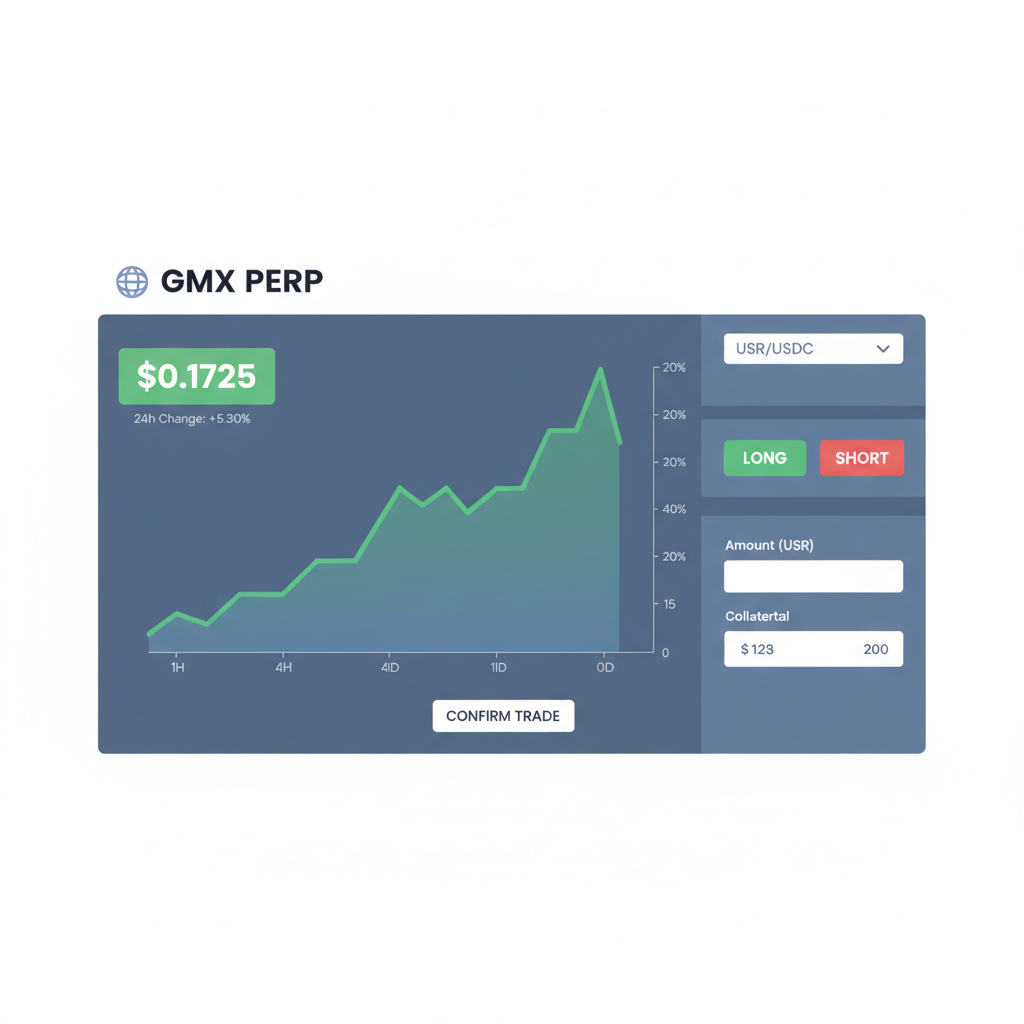
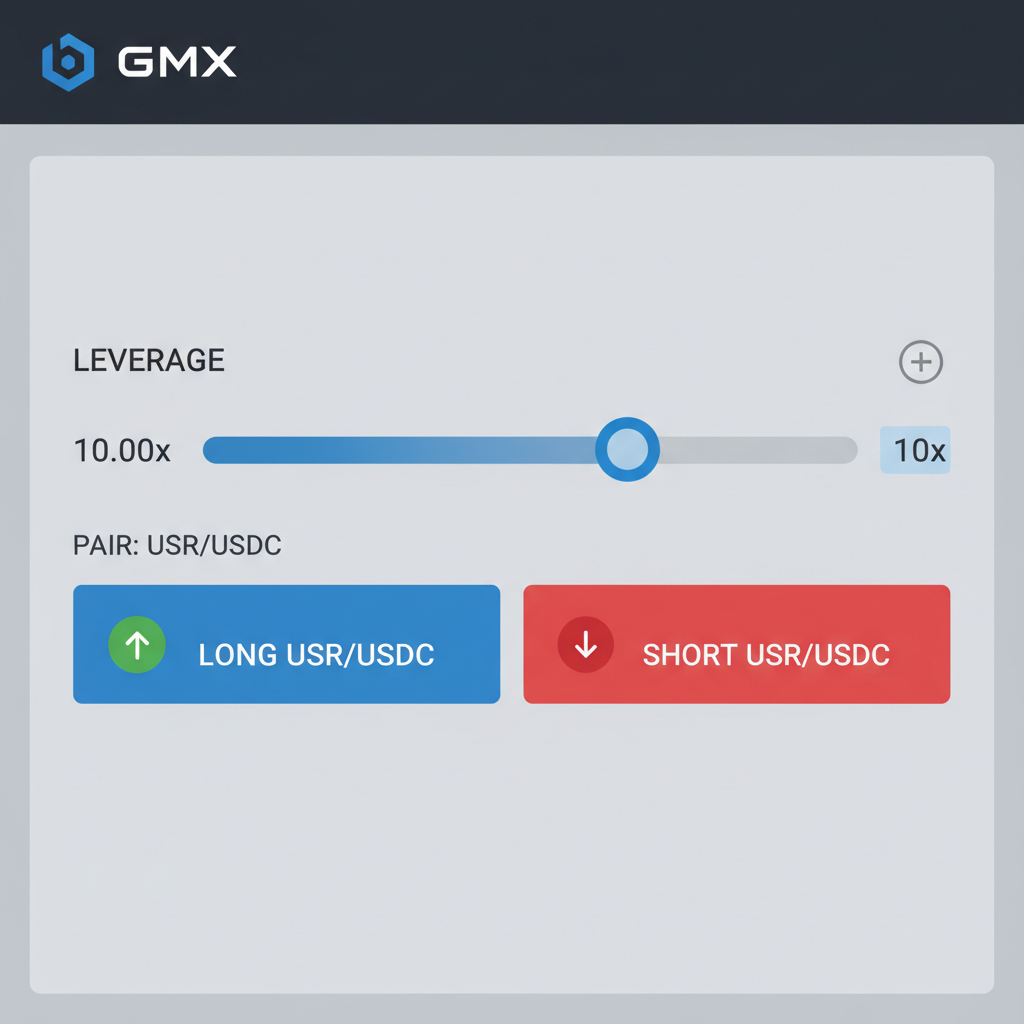
While insurance provides a safety net, aggressive traders can turn depegs into opportunities through short stablecoin positions using perpetual futures on GMX or dYdX. With USR pinned at $0.1725, perpetuals offer leveraged downside bets without holding the underlying. GMX’s low-fee ARV model lets you short USR/USDC pairs at up to 50x, capitalizing on further slides toward insolvency lows. dYdX edges out with deeper liquidity for stablecoin perps, minimizing funding rate bleed during prolonged depegs.
Prioritized Hedging Strategy 3: Short Stablecoin Positions Using Perpetual Futures
Precision matters here. Enter shorts post-confirmation of exploits, like Resolv’s 80 million token flood. At $-0.0400 (-18.83%) daily bleed, target entries below the 24h high of $0.2189. Use 5-10x leverage to balance risk; overextend, and a bailout rumor spikes funding costs. I’ve seen perps shine in USDC wobbles, preserving capital while profiting 20-50% on 70% depegs. Monitor OI and liquidations; crowded shorts invite squeezes. Pair with stops at recent lows like $0.1687 for discipline.
Short USR Perps on GMX: Hedge Depeg Risks in 5 Steps
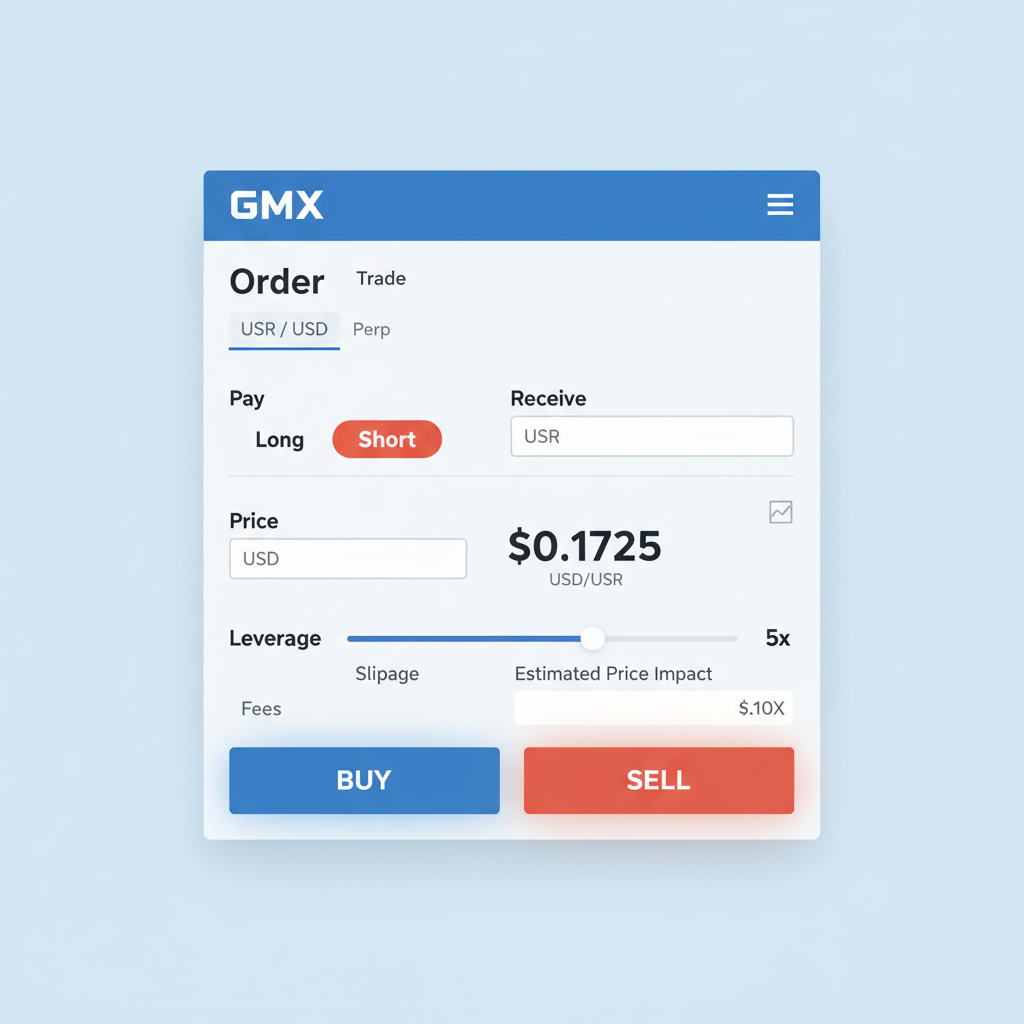
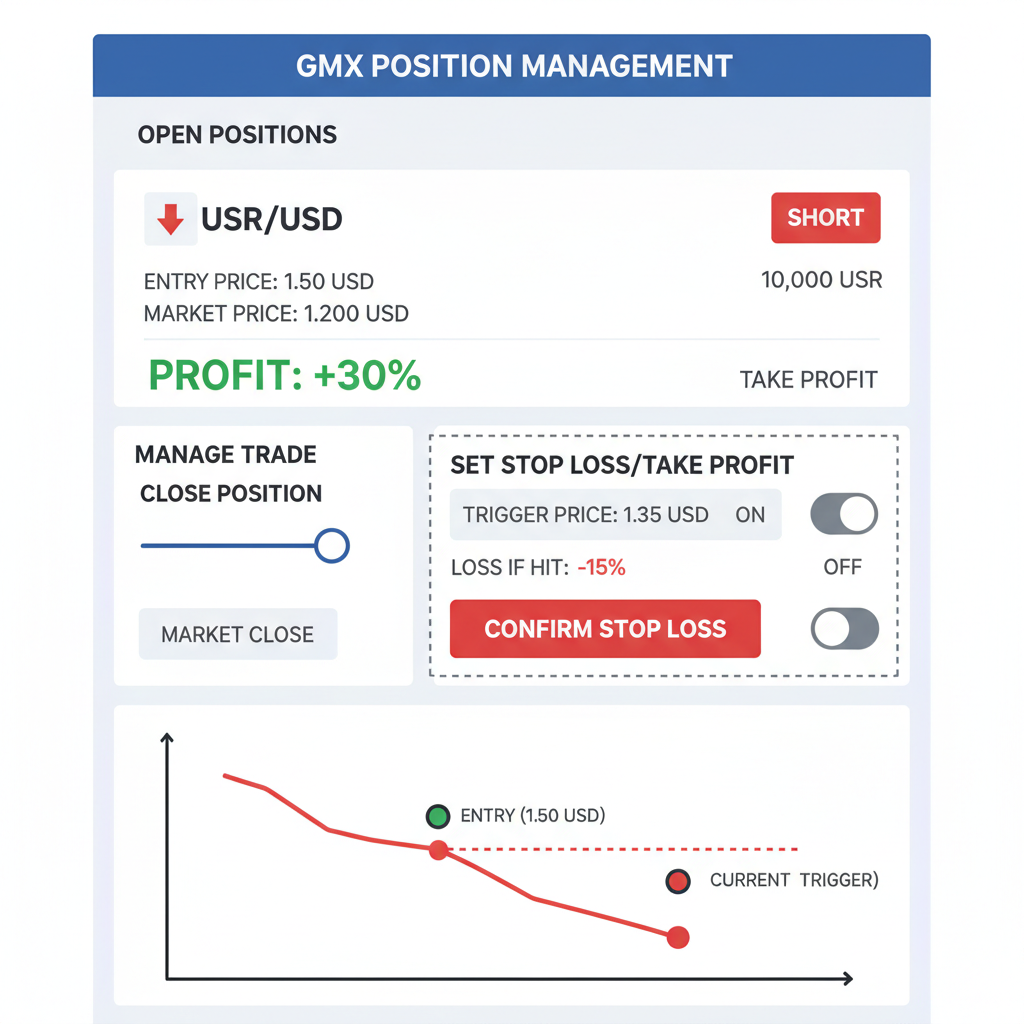
Critics dismiss perps as gambling, but in stablecoin minting attack scenarios, they’re surgical hedges. Resolv’s supply explosion mirrors past failures; shorts derisked savvy funds before full insolvency hit.
Prioritized Hedging Strategy 4: Diversify into Battle-Tested Multi-Collateral Stables
Longer-term, diversify into battle-tested multi-collateral stables like crvUSD or GHO to sidestep single-protocol pitfalls. crvUSD’s overcollateralized Curve integration has weathered multiple crises, maintaining sub-1% depegs via liquidation engines. GHO, Aave’s governance-backed stable, leverages diverse borrows for resilience against minting flaws. Shift 50-70% of USR allocations here post-exit; yields often beat insolvent peers without the key-leak roulette.
Strategic edge: Multi-collateral designs distribute risk across audited primitives, unlike Resolv’s centralized weak links. crvUSD’s soft-liquidation math prevented cascades in 2023 shocks; GHO’s buyback mandates enforce peg discipline. For yield hunters, stake into crvUSD vaults or GHO incentives, yielding 4-8% APY with lower volatility. This pivot insulated portfolios in real-world stablecoin depegs, turning exposure into fortified positions.
Prioritized Hedging Strategy 5: Real-Time Monitoring via DepegWatch
Finally, embed vigilance with implement real-time on-chain monitoring and automated alerts via DepegWatch Analytics. Track USR supply deltas, redemption queues, and oracle feeds in real time; alerts fire on mint anomalies exceeding 1% TVL. DepegWatch dashboards flag usr stablecoin risks like unauthorized emissions before prices tank, integrating with Telegram bots for sub-minute notifications.
From experience advising protocols, passive holding invites ruin. DepegWatch’s API hooks automate exits or shorts on triggers, as seen in prior exploits. Customize for Resolv: monitor stUSR stakes against backing ratios. At $0.1725, with liabilities dwarfing assets, these tools predict further erosion, enabling preemptive moves. Pair with DeFi hedging frameworks for layered defense.
Resolv’s saga, from leaked keys to frozen operations, spotlights defi protocol failure hedging imperatives. Blend these five strategies-rapid exits, insurance, perps, diversification, monitoring-for robust armor. USR’s $0.1725 limbo demands action; DepegWatch equips you to navigate next waves, safeguarding yields amid chaos.
About the Author