
Stablecoins are foundational to DeFi, but their perceived safety can be deceptive. Even the most trusted stablecoins have experienced temporary depegs, resulting in sudden portfolio drawdowns for investors who were unhedged. In today's volatile market, robust stablecoin depeg hedging strategies are essential for both institutional and retail participants.
Why Hedge Against Stablecoin Depegs?
Stablecoins like USDC, USDT, and DAI are designed for price stability, typically pegged to the US dollar. However, a combination of factors - from insufficient reserves to regulatory shocks or liquidity crunches - can cause these assets to lose their peg. When this occurs, even a minor deviation (e. g. , dropping below $0.98) can result in significant losses for those relying on stablecoins as safe collateral or cash equivalents.
To address these risks, advanced users are turning to crypto derivatives for risk management. By leveraging DeFi-native tools such as depeg protection vaults, perpetual swaps, and options contracts, investors can systematically protect their portfolios against one of DeFi's most underappreciated tail risks.
The Three Most Effective Derivative-Based Depeg Hedging Strategies
Let’s break down three actionable approaches that have emerged as best-in-class for hedging stablecoin exposure:
- Y2K Finance: Purchase Depeg Protection Vaults for Specific Stablecoins
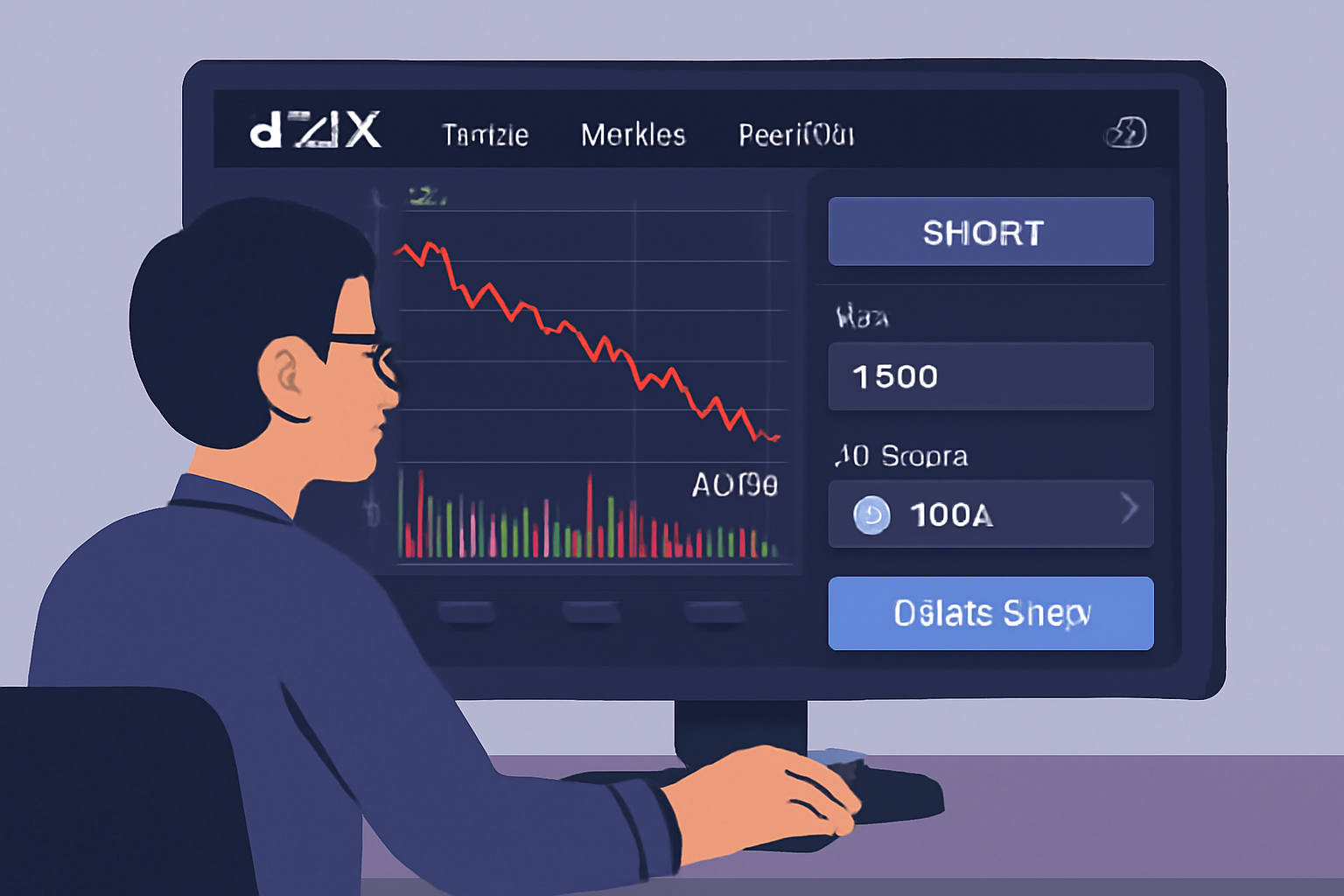
- Hedge Stablecoin Exposure with Perpetual Swaps on dYdX or GMX
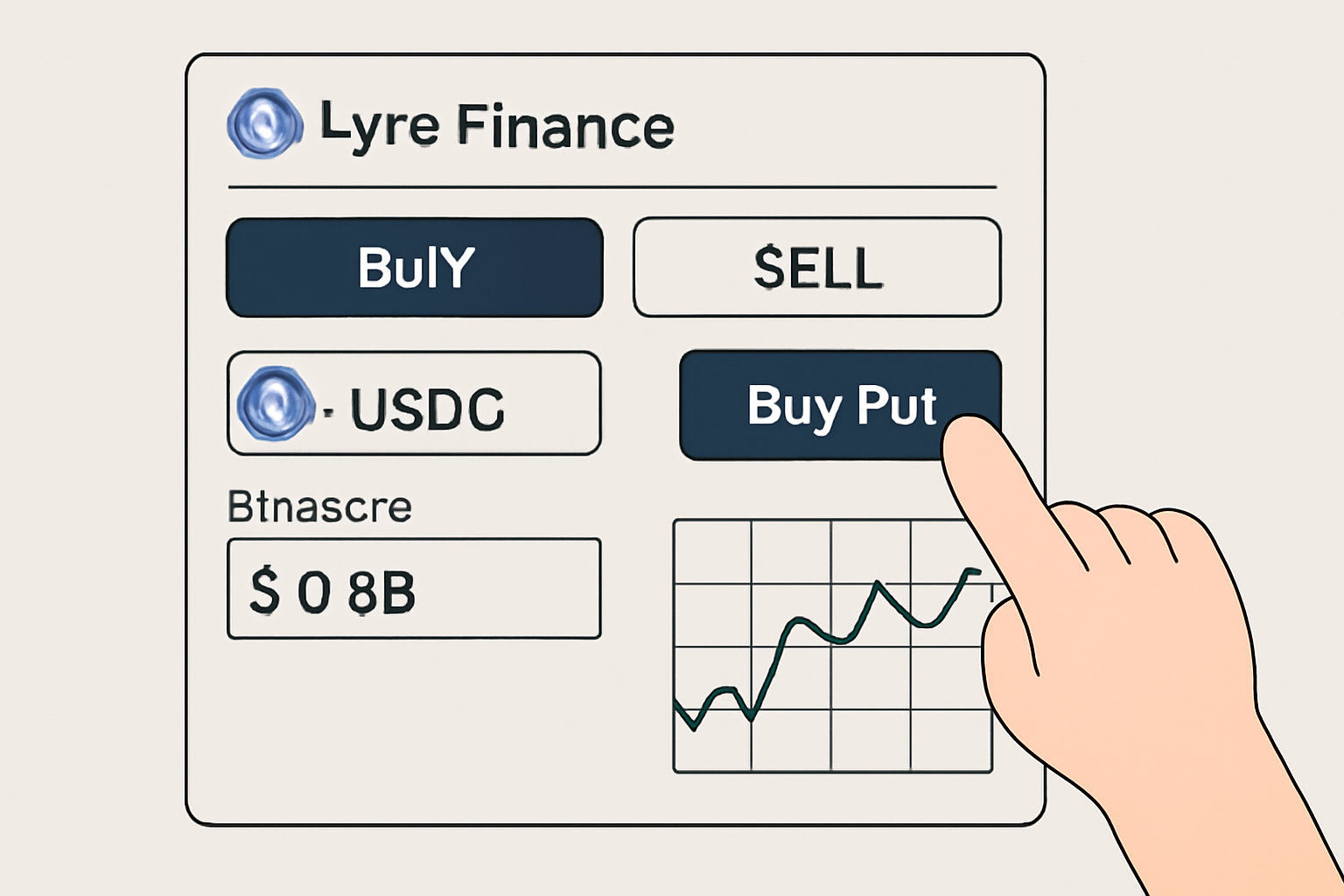
- Use Options Contracts on Lyra Finance to Insure Against Stablecoin Price Drops
This curated list covers both specialized protocols (like Y2K) and broader derivatives platforms (dYdX/GMX and Lyra), enabling a systematic approach regardless of your preferred trading stack. Below is a step-by-step guide to implementing these strategies.
Step-by-Step Guide: Hedging Stablecoin Depeg Risk with Y2K, dYdX/GMX, and Lyra
Step 1: Assess Your Stablecoin Risk Profile
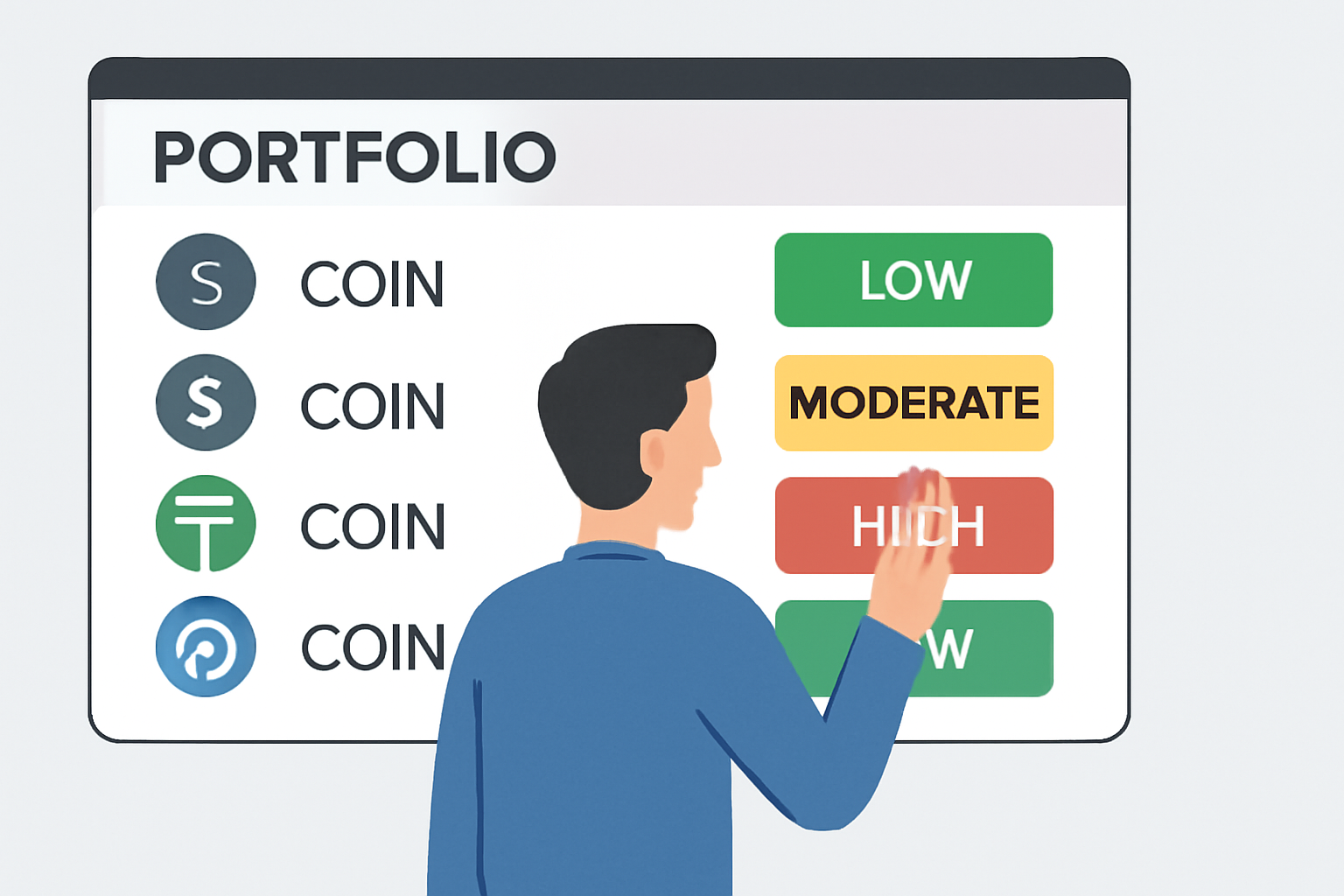
The first step is identifying which stablecoins you hold and understanding their unique risk parameters. Not all stablecoins are created equal - some rely on fiat reserves with regular audits (e. g. , USDC), while others use crypto-collateralization (e. g. , DAI) or algorithmic mechanisms. Analyze historical depegging events and current reserve transparency before choosing your hedge targets. For a deeper dive into risk profiling and actionable frameworks, see our detailed breakdown at this guide.
Avoid overconcentration: Diversifying across multiple types of stablecoins reduces systemic risk from any single asset failure.
Real-Time Market Sentiment
Step 2: Select Your Derivative Hedging Instrument
The optimal instrument depends on your desired level of protection and market sophistication:
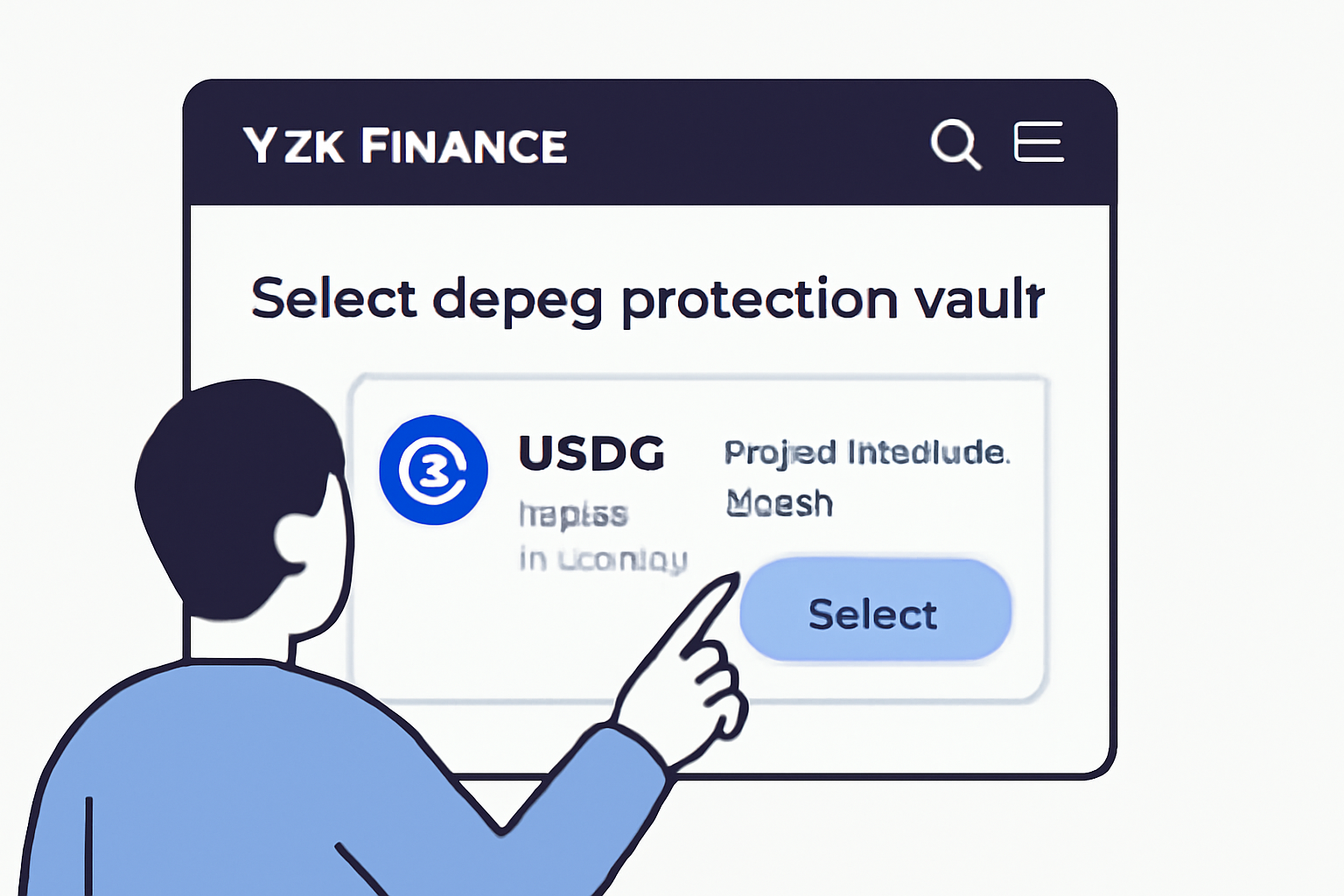
- Depeg Protection Vaults (Y2K Finance): Y2K Finance offers vaults tailored to specific stablecoin pairs. By depositing into these vaults, you receive payouts if the target stablecoin breaches a predefined price threshold within an epoch (e. g. , USDT falling below $0.98). This is analogous to buying insurance against catastrophic peg loss.
- Perpetual Swaps (dYdX/GMX): Opening a short position on the relevant stablecoin via perpetual swaps allows you to profit from any downward movement below $1. If the coin depegs sharply, gains from your short position will offset losses in your spot holdings.
- Options Contracts (Lyra Finance): Purchasing put options grants you the right to sell your stablecoin at a predetermined strike price if it falls below that level during the contract period. This approach is ideal for those seeking asymmetric upside with capped downside risk.
The next section provides hands-on guidance for executing each strategy using live protocols and current market data.
Step 3: Execute and Manage Your Hedge
Once you’ve matched your risk profile to the appropriate derivative instrument, it’s time to implement the hedge. Here’s how each strategy works in practice:
- Y2K Finance Depeg Protection Vaults: After assessing which stablecoin(s) in your portfolio are most exposed, deposit funds into the relevant Y2K vault. For example, if you hold USDT and want to hedge against a drop below $0.98, select the corresponding vault epoch on Y2K and commit your capital. If a depeg occurs during that period, the payout structure compensates you for losses, effectively mirroring parametric insurance. Vaults are typically epoch-based, so review terms and lockup periods before committing.
- Perpetual Swaps on dYdX or GMX: Navigate to dYdX or GMX and open a short position on your target stablecoin (such as USDC/USD perpetual). Size your position according to your spot holdings for a delta-neutral hedge. If the stablecoin depegs and drops below $1, profits from your short can offset spot losses. Monitor funding rates and liquidation thresholds; overleveraging can introduce new risks.
- Options Contracts via Lyra Finance: Purchase put options with strike prices near likely depeg thresholds ($0.98 or $0.95 are common). This gives you the right, but not the obligation, to sell your stablecoins at that price if a depeg event unfolds during the option’s lifespan. Premiums may be higher during periods of elevated volatility, but this method provides defined downside protection without needing to actively manage margin or liquidation risk.
Risk management doesn’t end at execution. Ongoing monitoring is essential. Regularly check protocol dashboards for vault performance (Y2K), track open positions and funding rates (dYdX/GMX), and monitor option Greeks and expiry dates (Lyra). If market conditions change, for example, if reserve transparency improves or new regulatory news emerges, rebalance accordingly.
Pro Tips for Maximizing Hedge Efficiency
- Diversify across platforms: Don’t rely solely on one protocol or instrument; spread hedges across Y2K vaults, perps, and options as needed.
- Avoid over-hedging: Hedging more than your actual exposure can erode returns due to premiums or negative funding rates.
- Track correlation risk: Some stablecoins may depeg simultaneously during systemic shocks, ensure you’re not exposed to correlated failures across assets.
Staying Ahead of Depeg Risk: Analytics and Community Insights
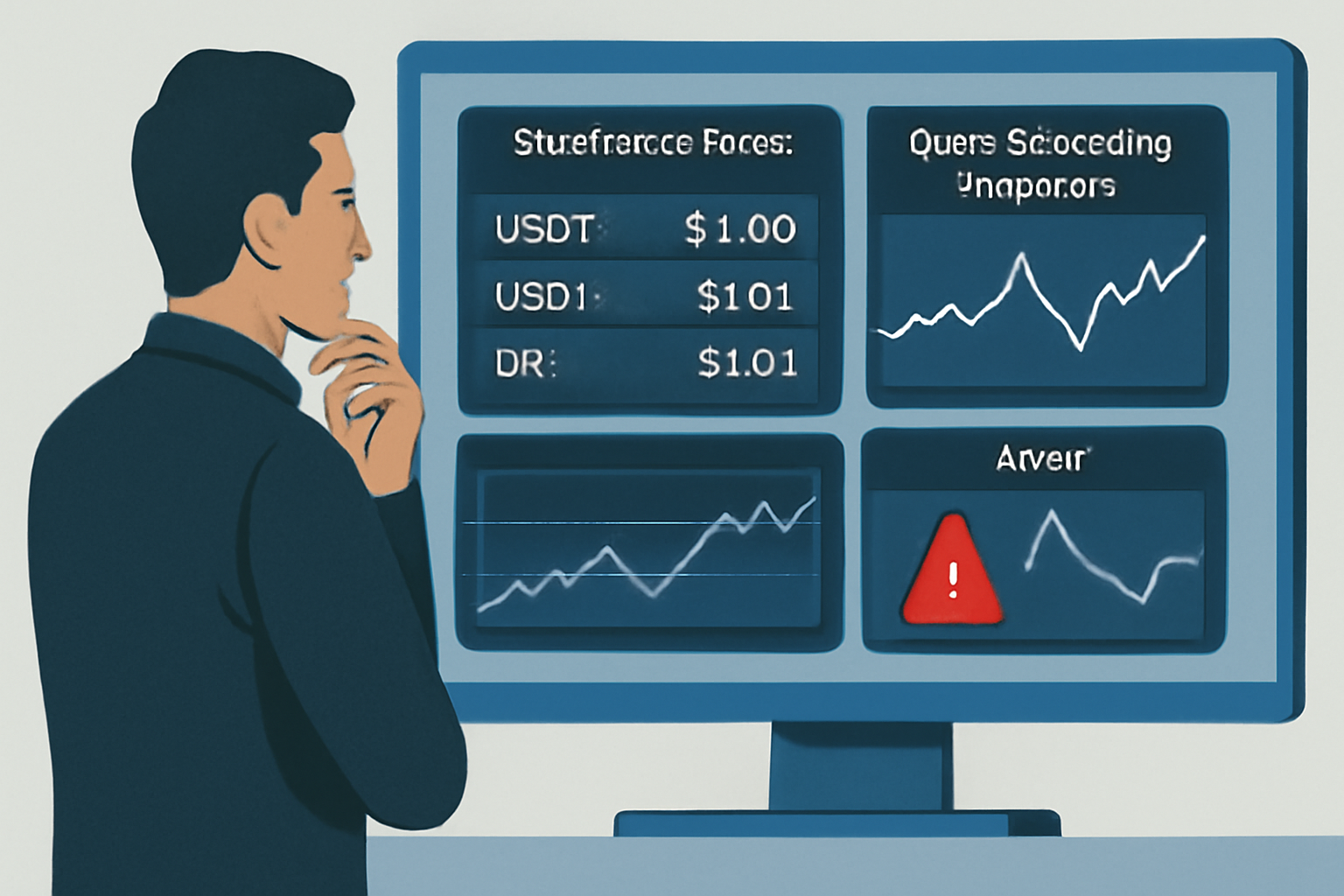
The most successful DeFi participants combine quantitative tools with real-time sentiment analysis. Whale movements, sudden liquidity withdrawals, or protocol governance proposals can all precede depegging events. Leverage analytics platforms for alerts on unusual activity, and supplement with social feeds for qualitative context.
If you’re new to these instruments or want further technical breakdowns, including sample trade setups and backtesting data, explore our in-depth strategy guides at this resource.
Frequently Asked Questions About Stablecoin Depeg Hedging
The bottom line: Hedging stablecoins isn’t just about protecting against black swan events, it’s about systematizing risk management so that even minor peg deviations don’t derail long-term returns. By leveraging specialized protocols like Y2K Finance, established derivatives platforms such as dYdX/GMX, and flexible options markets via Lyra Finance, investors can tailor their approach for both cost efficiency and robust protection.




No comments yet. Be the first to share your thoughts!